
Written by: Dillon Kivo
The Quiet Reality Behind the Green Beret
The public image of a Green Beret is shaped by moments most people never see up close. Combat footage. Classified missions. Controlled intensity. What remains largely unseen is the structure beneath it, a system designed not simply to produce elite soldiers but to cultivate judgment, restraint, and responsibility under sustained pressure.
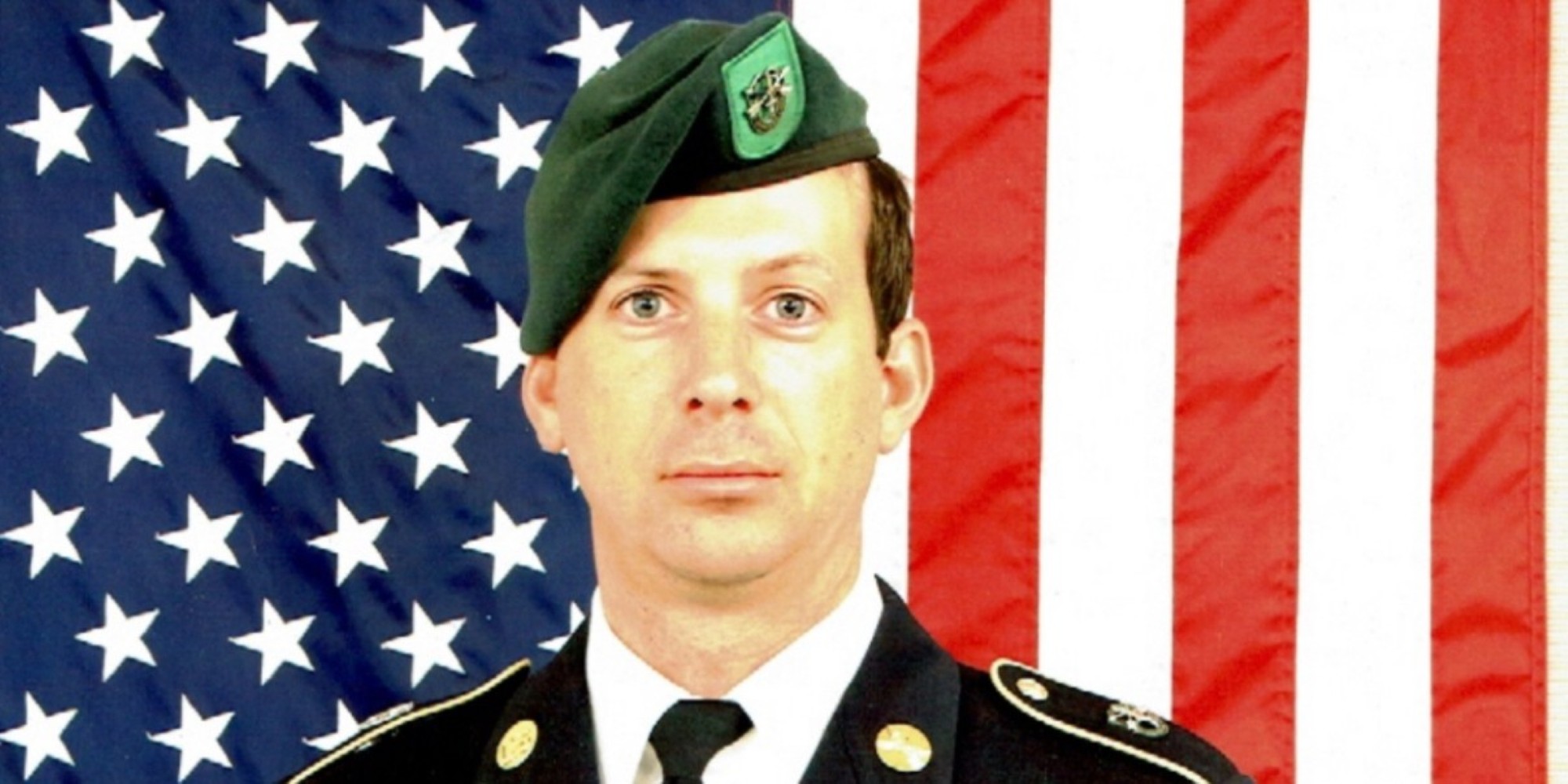
Matthew Tardio’s military career unfolded within that system. Medically retired after more than a decade and a half in U.S. Army Special Forces, Tardio served across the Global War on Terror, including deployments to Iraq, Afghanistan, and East Africa. His service placed him in leadership roles inside some of the most volatile environments of the last two decades, requiring constant decision making where the margin for error was narrow and the consequences enduring.
Those years did not end when he left the uniform behind. They became the lens through which he now views leadership, mental health, and life after Special Forces, as well as how he speaks publicly about responsibility and citizenship.
How Special Forces Defines Leadership
Leadership inside Special Forces bears little resemblance to the version often taught in classrooms or corporate seminars. Teams are small, typically twelve operators, and authority is fluid. Rank exists, but competence and trust matter more. Every team member is expected to lead when conditions demand it.
Army Special Forces doctrine emphasizes decentralized execution. Leaders are trained to make decisions with incomplete information, often without direct oversight. That reality forces humility. No plan survives first contact, and no leader succeeds without listening.
Tardio’s leadership experience includes extended periods operating in hostile environments, including combat operations against ISIS-K in Afghanistan in 2017. During that deployment, he led multiple missions with significant operational impact. The significance of those experiences is not found in metrics, but in the responsibility attached to them. Decisions made in seconds carried consequences long after the mission ended.
That accountability shapes how Tardio defines leadership today. Preparation outweighs presence. Calm matters more than volume. Leadership is measured not by control, but by outcomes and the condition of the team afterward.
Decision Making Under Pressure
Special Forces selection and training are deliberately designed to impose stress. Sleep deprivation. Physical exhaustion. Uncertainty. These conditions are not side effects. They are tools. The objective is not to eliminate fear, but to teach clarity in its presence.
Military research and veteran accounts consistently show that elite units place as much emphasis on psychological resilience as physical performance. Stress inoculation exists because unmanaged stress degrades judgment. Leaders who cannot regulate themselves cannot lead others.
Tardio carried this framework into every deployment. Whether operating in Afghanistan, conducting missions in East Africa, or later contributing to advisory and coordination efforts related to Ukraine, decision making under pressure remained constant. That same discipline now informs his work outside the military, including executive leadership, humanitarian initiatives, and public commentary.
It also informs how he speaks. On his podcast, Speak The Truth, Tardio applies a fact-based, experience-driven approach to national issues, leadership failures, and cultural accountability. The platform reflects a continuation of the Special Forces mindset. Assess reality honestly. Speak clearly. Accept responsibility for what is said.
The Mental Health Cost of Elite Performance
Elite performance carries a cost. Traits that enable success in Special Forces, resilience, self-reliance, and emotional control, can complicate life after service if left unexamined.
Data from the Department of Veterans Affairs and independent research organizations consistently show elevated rates of post-traumatic stress, anxiety, depression, and sleep disorders among combat veterans. Special Forces veterans are not exempt. Repeated deployments, prolonged exposure to threat, and sustained responsibility accumulate over time.
Precision matters here. Not every Green Beret experiences PTSD. Many transition successfully and continue to perform at a high level. But the absence of a crisis does not mean the absence of strain. Mental health exists on a spectrum, and elite performers often operate near its limits.
Tardio is candid about this reality. Medically retired from the Army, he speaks openly on podcasts and at live events about post-traumatic stress, emotional regulation, and the hidden cost of leadership under fire. His advocacy is informed by lived experience, not theory. In Special Forces, mental readiness is monitored because it directly affects performance. Ignoring problems compromises the mission.
After leaving the military, that structure disappears. The responsibility to manage stress becomes individual. Without intention, issues once managed by routine and team oversight can surface later, often quietly.
Losing the Team, Losing the Identity
One of the most under-discussed challenges for Special Forces veterans is identity loss. Service is not simply employment. It is a role, a standard, and a community. Teams provide clarity. Purpose is shared. Expectations are explicit.
When that environment ends, the transition can feel abrupt. The civilian world moves differently. Feedback is indirect. Missions are less defined. The sense of shared consequence fades.
Veteran advocacy research consistently identifies loss of identity and community as major contributors to post-service mental health challenges. Even highly capable individuals can struggle without a mission that aligns with their values.
Tardio approached this transition deliberately. Rather than attempting to replicate military life, he focused on translating its principles. Discipline remained. Accountability remained. Service remained. The setting changed. The values did not.
Rebuilding Purpose After Service
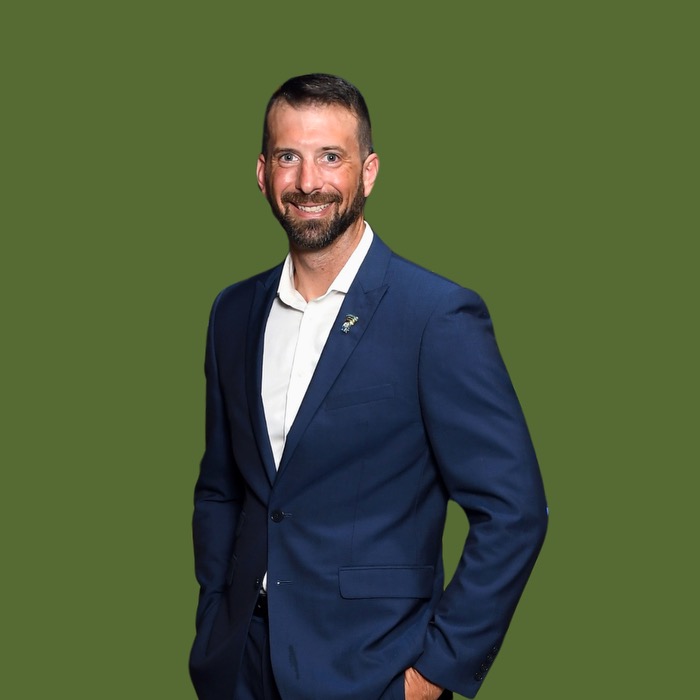
Image Credit: Matt Tardio
Mental health professionals consistently point to purpose as a central factor in long-term well-being. For veterans, particularly those from elite units, purpose must be rebuilt intentionally.
For Tardio, that purpose took multiple forms. In 2022, he helped found Global Villages of Hope, a nonprofit organization that applies military planning and logistics principles to build safe, self-sufficient villages for internally displaced widows and orphans in Ukraine. The approach is pragmatic and mission-driven, rooted in security, infrastructure, and long-term sustainability.
He has since returned to the region to support humanitarian coordination efforts and engage with government and nonprofit partners. Earlier in the conflict, Tardio contributed his experience to advisory efforts focused on stabilization, logistics, and leadership support.
Purpose, in this sense, is not symbolic. It is operational.
Leadership in Civilian Life Requires Adaptation
Leadership outside the military requires recalibration. Civilian teams do not share the same baseline experiences. They are not conditioned to operate under constant threat. Directness, essential in combat, can feel abrupt in other environments.
Effective leadership after Special Forces demands flexibility. Listening becomes as important as directing. Context matters. Influence replaces command.
This adaptability is not foreign to Green Berets. They are trained to work across cultures, advise partner forces, and build trust where authority alone is ineffective. Those skills translate naturally into executive leadership, nonprofit governance, and board-level decision making.
As Chief Operating Officer of Battle Springs Ranch and a board member for multiple organizations, Tardio emphasizes leadership as service. Standards matter, but so does understanding the people tasked with meeting them.
Speaking Publicly, Intentionally
Speak The Truth, the podcast Tardio co-hosts alongside fellow combat veteran Robert Terkla, has become an extension of his post-service leadership. The show delivers commentary rooted in firsthand experience, addressing national security, leadership accountability, and civic responsibility.
For Tardio, the platform is not about performance. It is about responsibility. Silence, he believes, carries consequences of its own.
Life After the Green Beret
The Green Beret is not a chapter that closes. It is a framework that endures. For Matt Tardio, life after Special Forces has been defined by continuity rather than replacement.
Leadership expanded beyond combat. Mental health became visible rather than managed in silence. Purpose became self-directed, but no less demanding.
His trajectory reflects a broader truth. Elite performance cannot be sustained indefinitely without care. Recovery and reflection are not indulgences. They are requirements. The military understands this within training cycles. Veterans must learn to apply it independently.
The transition out of Special Forces is not the end of service. For many, it is the beginning of a different kind. One defined not by secrecy or missions, but by responsibility, leadership, and the discipline to speak, build, and lead when the uniform comes off.