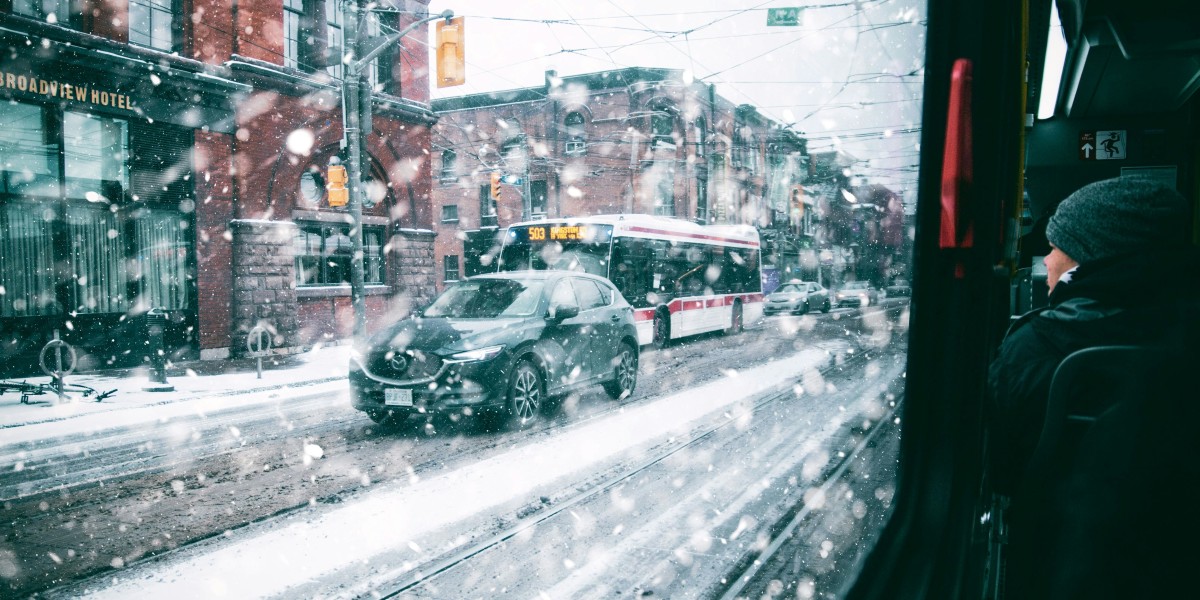

The latest winter storm marked the first widespread snowfall of the season across New York City and surrounding areas. Snow began falling over the weekend and continued into Sunday night, coating streets, sidewalks, and rooftops across the five boroughs. Accumulation varied by neighborhood, but even lighter snowfall caused major slowdowns once temperatures dropped and snow hardened into ice.
Cold air followed closely behind the storm. Temperatures stayed below freezing, which kept snow from melting and turned slushy areas into slick surfaces overnight. This created difficult conditions for drivers, pedestrians, and transit crews trying to clear streets. What made this storm especially disruptive was not just the snow, but how quickly freezing temperatures locked it in place.
Across the state, winter weather advisories remained in effect as lake-effect snow and lingering icy conditions continued to affect travel and daily routines. A broader look at conditions beyond the city helps explain why cleanup and recovery have taken time. For a statewide view of how weather systems are still influencing roads and safety, this breakdown of the latest winter storm conditions across New York State provides helpful context and regional detail.
Snowfall and Ice Conditions Across the City
Snowfall totals in New York City ranged from light to moderate, but even a few inches was enough to create hazards once temperatures dropped into the teens. Snow that fell during the day partially melted, then refroze overnight. That refreezing process creates black ice, which is a thin layer of ice that blends into pavement and is difficult to see.
Black ice is especially common on bridges, shaded streets, and areas near intersections where cars stop and start. Drivers experienced reduced traction, while pedestrians faced slippery sidewalks during morning and evening hours. City crews focused on salting high-traffic areas first, then moved into residential streets once conditions allowed.
This pattern is typical of early-season storms. Snow itself is manageable, but freezing air afterward turns cleanup into a longer process. Residents often notice that streets appear clear during daylight, then become hazardous again once the sun sets.
Travel Disruptions and City Response
Travel across New York City slowed significantly after the storm. Roads remained congested as drivers reduced speed and avoided untreated streets. Public buses and surface transit routes ran slower than usual due to icy patches and lane narrowing from snowbanks.
Air travel also felt the impact. Departures and arrivals at area airports were delayed as crews worked through de-icing procedures and runway clearing. Even once snow stopped falling, planes continued to face scheduling challenges tied to weather conditions up and down the East Coast.
City officials responded by adjusting street rules to help plows and salt trucks operate more efficiently. Alternate side parking was suspended temporarily so crews could clear curbside snow without vehicles blocking access. These measures helped speed cleanup, but full recovery depended on temperatures rising enough to melt remaining ice.
Why Cold Temperatures Matter After Snowfall
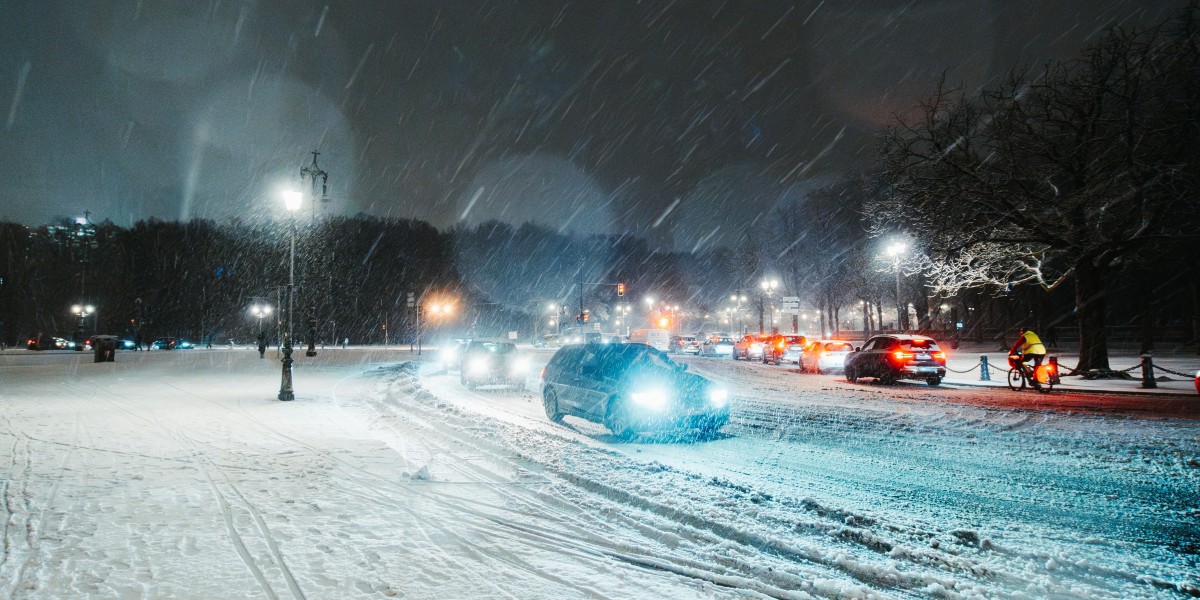
Photo Credit: Unsplash.com
Snowstorms don’t end when the last flake falls. What happens next depends heavily on temperature. When cold air settles in, snow becomes compacted and icy rather than melting away. That’s why the days following the storm were just as disruptive as the snowfall itself.
Cold air keeps sidewalks slippery and makes untreated areas unsafe well into the week. It also slows down cleanup since salt becomes less effective at very low temperatures. Crews have to reapply treatments more often, especially overnight.
For residents, this means daily routines are affected longer. Morning commutes remain slower. Walking requires extra caution. Outdoor activity drops as wind chills make the cold feel more intense than thermometer readings suggest.
School Closures and Delays Across NYC
School schedules were one of the most closely watched outcomes of the storm. Many districts across the region chose delayed openings instead of full closures. Delays allow buses and parents extra time to travel safely once roads receive additional treatment.
In New York City, officials monitored conditions early each morning before making decisions. When sidewalks and streets remained icy, delayed starts helped reduce risk for students commuting during peak hazard hours. In surrounding suburbs and upstate areas, some districts opted for closures depending on local road conditions.
Families learned quickly that even when snow had stopped, overnight refreeze played a major role in school safety decisions. Checking announcements each morning became part of the routine as conditions shifted hour by hour.
How Winter Break Timing Affects School Decisions
The timing of this storm matters because it arrived just days before the scheduled winter recess. New York City public schools have already confirmed their winter break calendar, which gives families a defined pause later in December.
Knowing when winter break begins helps families plan around weather disruptions. Parents can better manage childcare and work schedules when closures or delays happen close to a holiday break. It also helps schools decide whether to delay, close, or transition temporarily to remote instruction if conditions worsen.
Weather disruptions before a scheduled break can still affect attendance and lesson plans. Schools balance safety with maintaining instructional time, especially when storms cluster near holidays.
What Parents and Students Should Expect This Week
As cleanup continues, families should expect lingering effects rather than immediate relief. Even if roads look clear, shaded sidewalks and side streets may stay icy. Morning conditions tend to be the most hazardous before sunlight and traffic help break down ice.
Parents should plan extra travel time for drop-offs and stay alert for school notifications. Students walking to school should wear footwear with good traction and dress for cold wind chills that can feel harsher than expected.
Weather patterns like this often settle into a cycle of cold mornings and slightly milder afternoons. That pattern improves conditions gradually, but patience is key during the transition.
How This Storm Fits the Bigger Winter Pattern
Early winter storms often set the tone for the season. They expose weak spots in infrastructure and test how quickly systems respond. This storm showed how even moderate snowfall can create widespread disruption when paired with freezing temperatures.
Meteorologists note that similar systems may follow as winter continues. Snow combined with sharp temperature drops tends to be more disruptive than heavier snow followed by warmer air. Understanding that pattern helps residents prepare mentally and practically.
Keeping track of weather updates, school calendars, and city announcements becomes part of daily planning through the winter months. Small adjustments, like leaving earlier or checking conditions twice a day, can reduce stress when storms hit.
Where Conditions Stand Now
At this point, the storm itself has passed, but its effects remain visible. Snowbanks line streets. Sidewalks require careful footing. Schools and families continue adjusting schedules as temperatures fluctuate.
Gradual warming later in the week should help melt remaining ice and restore normal routines. Until then, winter conditions remain part of daily life across the city and state.
For now, staying informed and flexible remains the best way to manage the ongoing effects of New York’s first major winter storm of the season.