
By: Thomas K. Steele
R.I.C.O. Through Patrick Farrell’s Bold, Unfiltered Lens
There’s a law that quietly changed the way America handles crime, but many people might not fully grasp how far its reach extends. You’ve probably seen it in headlines. Maybe heard it in courtroom dramas. “RICO charges” are thrown around like a catchphrase.
However, what actually happens when someone is charged under the Racketeer Influenced and Corrupt Organizations Act?
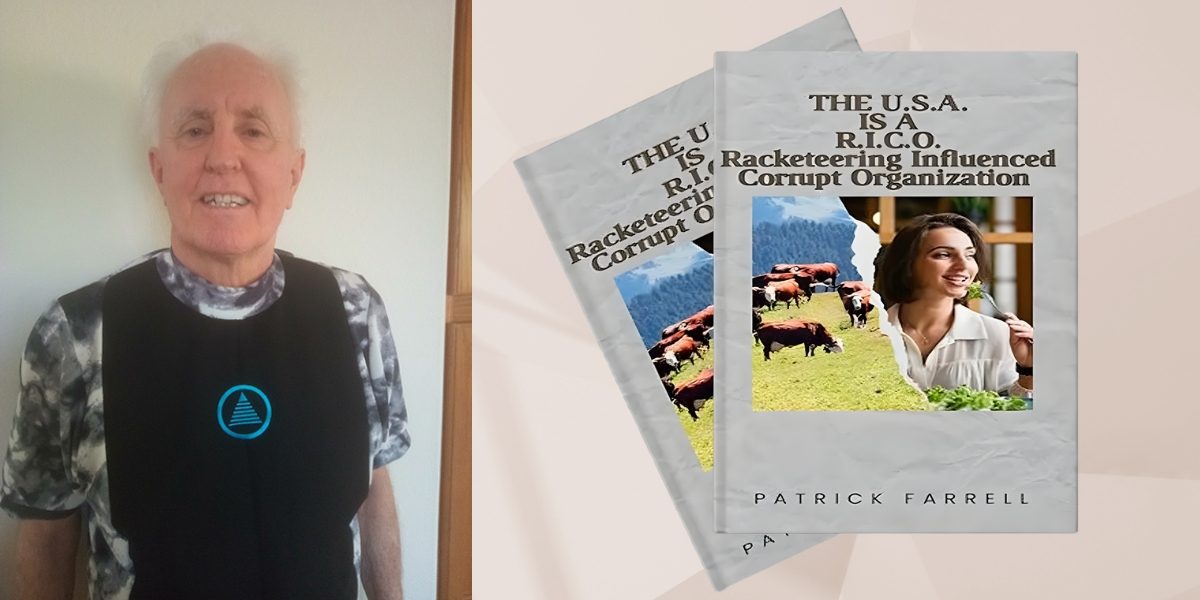
In his book, U.S. R.I.C.O., writer Patrick Farrell introduces the reader to the very concept of the legal structure that redefined prosecution in the U.S. It is a book that does not entertain, but reveals and explains, with dignity, calmness, and a no-nonsense approach.
More Than Mobsters
R.I.C.O. was originally designed to target organized crime. But it did not stop there. Over time, it has been used against drug networks, corrupt unions, rogue police departments, political leaders, and even multinational corporations. It has the potential to impact not only individuals but broader systems as well.
Farrell does not rely on excessive drama or exaggeration. Rather, he keeps focused on the core concepts, demonstrating how R.I.C.O. is applied, its limitations, and why it has become one of the most significant tools the government uses to address systematized wrongdoing. The approach is straightforward, with clear explanations.
Upfront, Not Simplified
There is no filler here. No overblown theatrics or dramatic film scenes. Farrell provides readers with a grounded visit to the law, its history, and its uses. His writing assumes that the reader is capable of understanding the material.
This isn’t a law school textbook, but it isn’t a surface-level overview either. You might think of it as a candid discussion with someone familiar with the system, offering insights without distortion or oversimplification.
R.I.C.O. Is Everywhere. You Just Haven’t Noticed
Since the prosecution of hedge funds involved in fraud during government contract scandals, R.I.C.O. has continued to appear in cases that revolve around money, power, and influence. It doesn’t always involve physical evidence like guns or drugs. Sometimes, it’s about paper trails and bank wires. In other cases, it involves online messages and coded texts.
Cases are not discussed in this book to impress you. Rather, Farrell takes you a step closer to understanding how one law can affect thousands of individuals, and how prosecutors use it when they cannot pursue cases through traditional means.
A Book with a Purpose
Patrick Farrell doesn’t dictate what to think. He provides enough information to allow the reader to form their own conclusions.
He respects the reader. There is no dumbing down of the material, nor does he display arrogance. His writing reflects the frustration many feel about misconceptions surrounding how power is used and abused, especially when it comes to the legal systems that often remain invisible to the public.
This book avoids melodrama or cliffhangers. Instead, it offers something more unusual: a clear, systematic overview of a law that continues to appear in headlines, courtrooms, and business boardrooms.
Who This Book Is For
Interested citizens who want to understand what lies behind criminal indictments today. Legal students and assistants seeking a clearer grasp of how R.I.C.O. works in practice. Finance, tech, and compliance professionals who want to stay informed about its implications. Authors, journalists, and investigators who need to get their facts right.
This book is for you if you prefer a no-nonsense look at a significant topic without wasting time.
Final Thought
U.S. R.I.C.O. is not a history book. It’s not an opinion piece. Rather, it serves as a timely reminder that laws evolve, as do the ways they are applied. This law, in particular, has reached places no one expected. Farrell’s book ensures that you won’t be left wondering about its ongoing influence.
Disclaimer: The content provided is for informational purposes only and is not intended as legal advice. While efforts have been made to ensure accuracy, the information in this article may not reflect the most current legal developments. Readers should consult with a qualified legal professional for advice on specific matters related to R.I.C.O. or any other legal topic discussed.