
Injuries can feel like a major blow to the career of an athlete, but for many who endure them, recovery is not only about rest — it’s about restoring levels of strength and confidence. The key to a quicker recovery and long-term success is a well-thought-out rehabilitation programme. Here are six concrete steps athletes take to rehab, recover, and return stronger and more prepared than before.
1. Getting an Accurate Diagnosis
The damage is evaluated by physiotherapists and medical experts, who use scans, physical examinations, and analysis of movement. The reason for this is to help develop the most appropriate treatment plan from the outset.
If the diagnosis is inaccurate, the recovery process may take longer or lead to new complications. When athletes understand the nature of their injury, it is easier to focus on the right exercises and avoid potential setbacks.
2. Reducing Pain and Inflammation
After suffering an injury, the primary objective is to manage pain. It is common practice to reduce swelling and discomfort by resting, applying ice packs, and applying compression. Techniques like ultrasound or soft tissue massage may also be used by physiotherapists to improve blood flow and support the healing process.
Managing inflammation from the beginning can help facilitate a smoother transition into the restorative stages. Once the pain is under control, it may become possible to begin light mobility exercises.
3. Restoring Mobility and Range of Motion
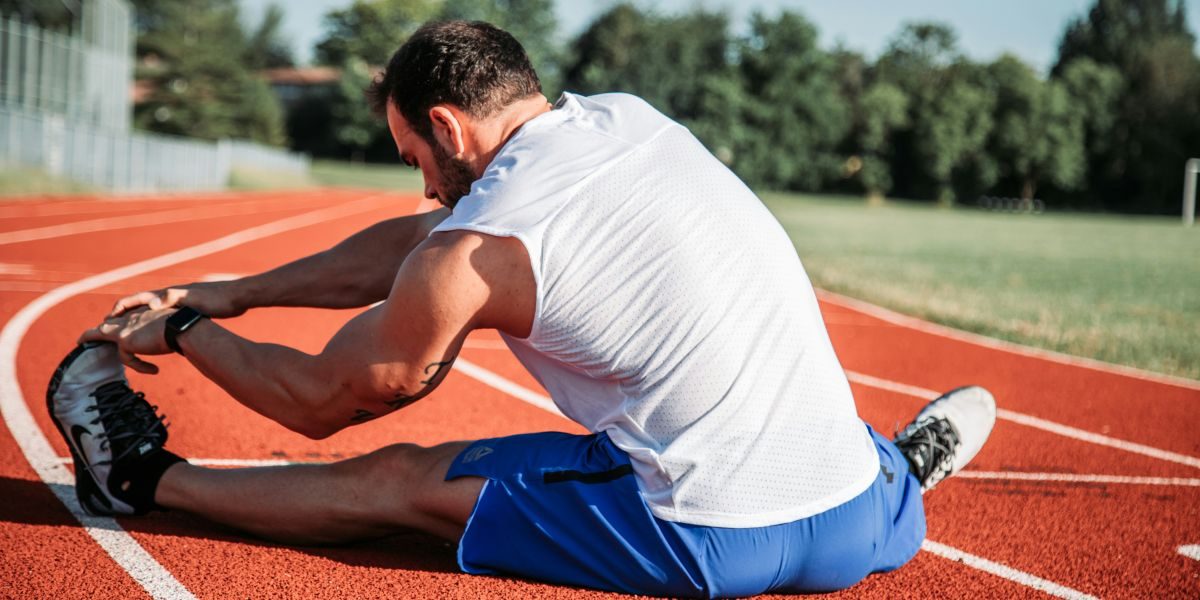
Flexibility is important after the healing process for long-term success. The joints and muscles must resume functioning freely before strength training can begin. Stretching and light movement exercises, along with mobility work, can be gradually introduced.
A sports injury rehabilitation programme also focuses on re-establishing stability without overloading the healing tissues. Limited motion can lead to stiffness, which may restrict the ability to return to active sports.
4. Rebuilding Strength and Endurance
Resistance training programmes are developed by physiotherapists to strengthen weaker areas of the body while also supporting other parts of the body. This phase also includes activities that focus on balance and coordination to help regain control of sport-specific movements.
It is also an important part of regaining endurance, which means that when athletes return to their sport, they may feel better equipped than before. To avoid a relapse, it is essential to gradually increase the intensity of the treatment.
5. Retraining Functional Movements
Recovering from injury isn’t just about individual muscles — it’s how these components function as a whole. Functional training mimics natural or sport-specific movements, such as running, jumping, and pivoting. These activities can help athletes regain the confidence needed to compete at full strength.
By incorporating those movements into the rehabilitation process, the body can regain its ability to move effectively. The athlete is better prepared for competition, and the likelihood of compensatory injuries may be reduced.
6. Preventing Future Injuries
Physiotherapists will educate athletes on how to detect warning signs, improve posture, and maintain proper technique. Building strength in areas of weakness and including recovery days in one’s routine could make a difference over time.
Unlike other forms of rehab, education and long-term maintenance exercises can transform rehab into a lifelong commitment to health. This approach may help prevent the same injury from occurring again, and it may support continued performance improvements over time.
The Road Back to Strength
Athletes following these six steps have the potential to regain not only their physical fitness but also their confidence. Real healing means more than just getting better — it’s about learning, adapting, and becoming stronger in the process. With the right plan and encouragement, every stumbling point can become a powerful comeback.
Disclaimer: The information provided in this article is intended for general informational purposes only and is not a substitute for professional medical advice, diagnosis, or treatment. Always seek the advice of your physician or other qualified health provider with any questions you may have regarding a medical condition or injury. The rehabilitation steps mentioned may not be suitable for every individual or injury. Results may vary depending on the nature of the injury, the individual’s health, and the guidance of healthcare professionals. Never disregard professional medical advice or delay in seeking it because of something you have read in this article.