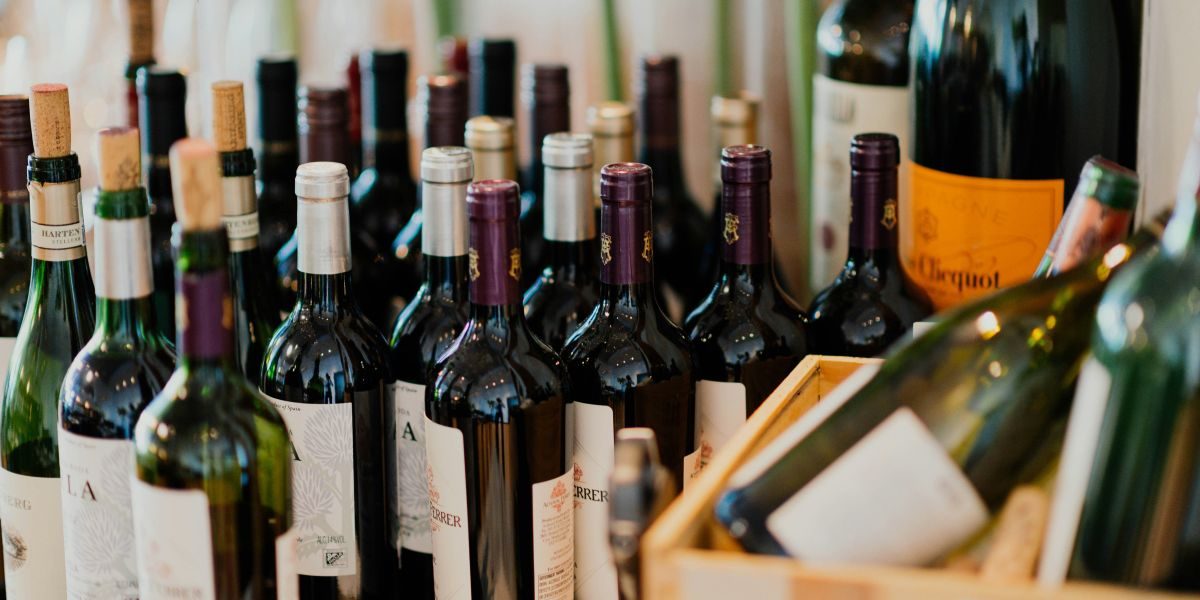

Building a wine collection is about enjoying the craftsmanship, the stories behind each drop, and the lasting value they offer. Whether you’re just starting out or already have a few favourites tucked away, choosing quality wines makes the whole experience more rewarding. If you’re exploring regions, this article helps you quickly see why picking quality wines over quantity truly pays off.
1. Richer Taste and Aroma That Tell a Story
You taste the attention to detail given at every step, from the soil and grapes to the final pour. Every time you take a sip, you uncover layers of flavour that unfold over time. With ageing, good wines mellow into a beautiful texture and even greater complexity. Quality options: whether you are a red or sparkling wine aficionado, it offers an experience no bargain-basement bottle could match.
2. Wines That Age Gracefully
Winemakers make them with an appropriate balance of acidity, tannins, and alcohol so that the wine ages rather than going bad. For collectors, watching a bottle evolve in flavour and character over the years is part of the fun. Margaret River wines have a history of different kinds of wines that age well, so it’s a collection that not only tastes better as time goes by but also increases in value.
3. Reliable Craftsmanship in Every Bottle
Rather than producing wine on an industrial scale, winemakers aim for small-batch excellence so that each bottle measures up to what they want. From the top selection of grapes to fermentation management, each stage is meticulously controlled. When you select quality wines, you are selecting consistency; you can expect each pour will consist of that same care and attention to craftsmanship.
4. Wines That Hold Real Investment Value
Fine wines aren’t just something to drink; they can also be an investment. Collectors often see strong returns when they sell aged bottles from well-known regions. Rarity, reputation, and the right vintage all play a role in a wine’s value. Choosing quality wines means your collection could appreciate over time, combining the pleasure of drinking something special with the potential for financial growth.
5. Cleaner, Healthier Choices
High-quality wine tends to be produced in vineyards that favour natural techniques. Many fine producers also make wines organically or with a focus on sustainability, so the wine you enjoy will have likely been made with greater care. There are fewer additives, and the flavours are cleaner and more natural. In addition, you can pour a glass and know that it means it’s been made with care for quality.
6. A Touch of Elegance for Any Occasion
Always remember that a good wine also makes a simple life that much more memorable. When you break out a premium bottle for a birthday, wedding, or dinner at home, it brings an air of being special. A well-cellared or locally familiar wine elicits conversation and makes celebrations more purposeful. So sharing wines, good-quality wine, with friends or family is part of a special experience every time.
7. Supporting Regions That Value Tradition
When you purchase good wines, you’re also supporting regions and producers who put their hearts into it. Take note that lots of places are recognised for their quest for quality, sustainability, and progress. Your purchase helps preserve vineyards and keeps the art of winemaking alive. That’s why choosing the real deal lets your collection reflect true stories and actual work, not a plastic label.
Quality Always Shows with Reliable Wines
Establishing a collection of premium wines means appreciating artistry, tradition, and value all in one. With richer flavours, better ageing, clean production, and investment potential, these premium wines are the real deal. Furthermore, when you invest in quality, you’re not just purchasing wine; you are buying an experience that continues to improve with every sip.