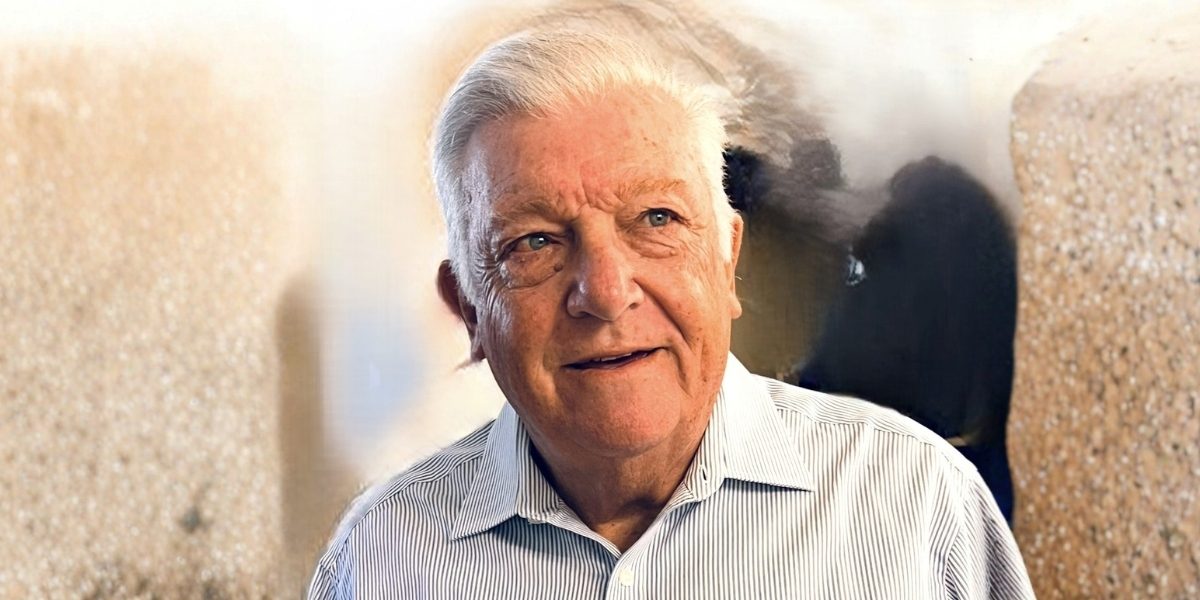

Life often doesn’t follow a straight path. Career changes, family responsibilities, health concerns, and personal loss can create turning points that call for careful decisions. In Inner Harmony: Mastering Emotional & Spiritual Intelligence, Fred A. Kressaty explores how emotional intelligence (EQ) and spiritual intelligence (SQ) may help people manage change and make wiser choices. By combining emotional skills with spiritual values, individuals can move through transitions with steadiness and purpose.
The Challenge of Change
Transitions frequently bring stress and uncertainty. A job shift, a new stage of family life, or an unexpected loss might cause people to feel unsettled. Without the right tools, emotions could take over, leading to poor decisions or a sense of being stuck.
Kressaty suggests that EQ and SQ provide balance in these moments. EQ offers skills for recognizing and managing emotions, while SQ provides perspective and meaning. Together, they can turn change from something to fear into an opportunity for direction and growth.
Emotional Skills for Decision-Making
Decisions made during stressful times are often reactive. People may act out of anger, fear, or pressure. EQ helps slow this process by encouraging self-awareness and emotional regulation. By noticing feelings and pausing before responding, people might be able to make choices that align with long-term values rather than short-term reactions.
Kressaty points out that self-awareness may prevent blind spots. Recognizing bias, stress triggers, or recurring habits can allow for clearer thinking. Emotional regulation helps ensure that decisions are not clouded by panic or frustration. Motivation and empathy add further depth by keeping goals in sight and considering the impact on others.
The Spiritual Dimension of Choices
While EQ helps with clarity, SQ provides meaning. Kressaty describes SQ as a form of wisdom that considers purpose, compassion, and connection to something greater than oneself. When applied to decision-making, SQ encourages people to ask not just, What do I want now? But also, what matters most in the bigger picture?
Spiritual practices such as prayer, meditation, or journaling can support this process by giving time for reflection. Instead of rushing into decisions, individuals might pause, consider options, and evaluate how choices align with their beliefs and values. This process often leads to peace of mind, even when decisions are difficult.
Balancing Work and Personal Life
One of the most common challenges is balancing professional responsibilities with personal well-being. Modern life can push people toward constant work, leaving little time for family, rest, or reflection. Kressaty writes that EQ and SQ together may provide tools for restoring balance.
EQ helps manage stress in the workplace by improving communication and conflict resolution. SQ adds perspective, reminding individuals of values beyond productivity. Setting boundaries, practicing gratitude, and making time for rest and reflection are presented as practical ways to create harmony between different parts of life.
Transitions as Opportunities for Growth
Kressaty emphasizes that life transitions, though difficult, can also be moments of growth. Instead of resisting change, people may view it as a chance to gain maturity and strengthen character. EQ provides emotional flexibility—helping individuals face uncertainty with calm rather than fear. SQ brings a sense of trust and acceptance, seeing change as part of a larger purpose.
The book shares practical strategies for handling transitions: setting intentional goals, reflecting on lessons from past experiences, and practicing mindfulness to stay present. These steps may prevent people from being overwhelmed and allow them to move forward with steadiness.
Building Daily Practices for Stability
Even during stable times, daily habits can prepare people for future transitions. Kressaty recommends simple routines such as mindful breathing, evening journaling, gratitude reflections, and prayer. These habits develop the self-awareness and spiritual grounding needed when unexpected challenges arise.
The key is consistency. Regular practice strengthens emotional control and spiritual focus, making it easier to respond to change when it happens. Over time, these habits can create resilience—not as a dramatic quality, but as steady readiness for life’s ups and downs.
Choosing with Purpose
Inner Harmony: Mastering Emotional & Spiritual Intelligence presents decision-making and life transitions as opportunities to practice awareness and purpose. EQ provides the tools to recognize and manage emotions, while SQ offers meaning and perspective. Together, they may help people make choices with clarity and live with balance, even during uncertain times.
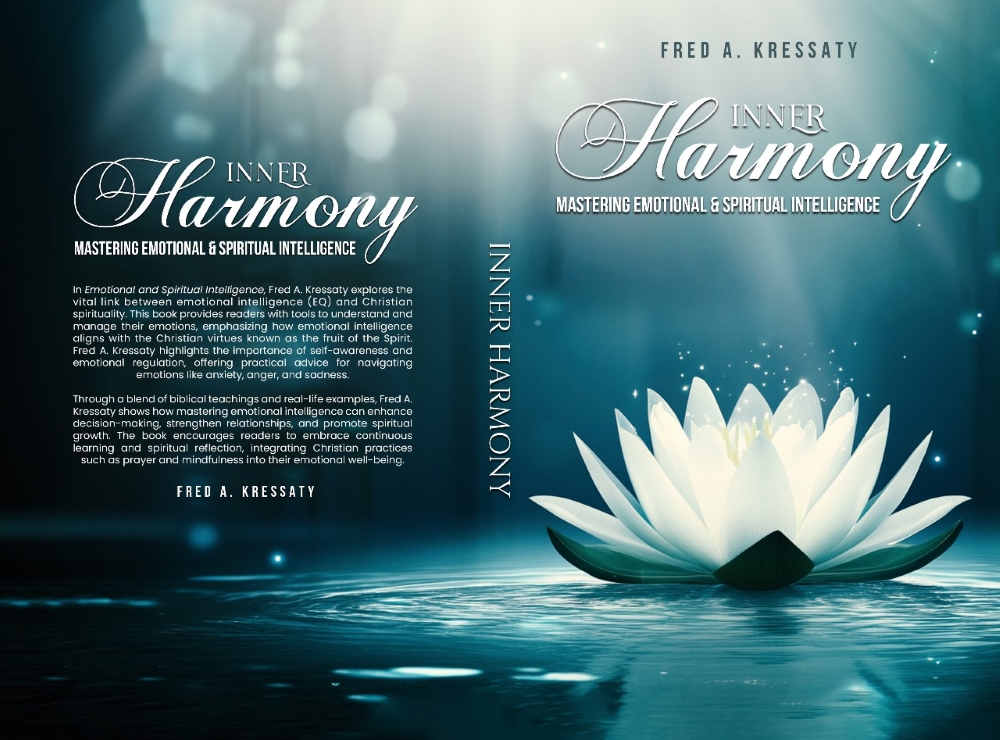
Photo Courtesy: Fred A. Kressaty
Kressaty’s message is steady and practical: change is a part of life, but with the right skills, it can lead to stronger relationships, wiser choices, and a deeper sense of direction.
About the Author
Fred A. Kressaty is a writer, teacher, and professional coach who has worked in education, business, and counseling. He holds degrees in sociology, business, and marriage and family therapy. A near-death experience shifted his outlook on life and led him to focus on helping others manage challenges with faith and clarity.
Over the years, he has taught high school, managed a sales team, owned an insurance agency, and worked as a counselor. Today, he continues his work as a coach and Christian counselor. He lives in Myrtle Beach, South Carolina, with his wife, Doreen. Married since 1976, they enjoy travel, golf, and time with their children and grandchildren.
To Purchase The Book, Visit:
E-book: Link
Paperback: Link
Hardcover: Link
Disclaimer: The information provided in this article is intended for general informational purposes only. It is not a substitute for professional advice, diagnosis, or treatment. For specific concerns, please consult a qualified professional in the relevant field.