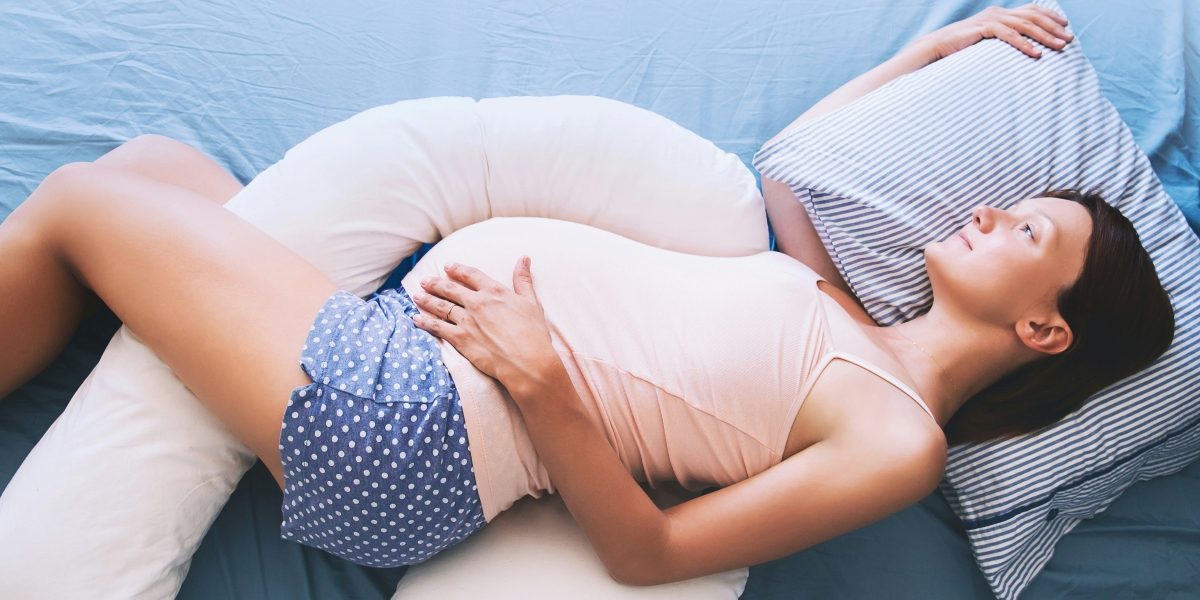

The journey of motherhood extends well beyond delivery day, entering what many call the “fourth trimester” – a period of profound physical and emotional adjustment. For mothers recovering from cesarean delivery, understanding how to sleep after a C-section can be an important factor for healing and well-being during these transformative months.
While society often focuses on the baby’s needs during this time, a mother’s recovery also deserves attention. The way you position your body during rest can potentially impact your healing process, comfort levels, and overall recovery timeline. Yet many new mothers receive limited guidance on this essential aspect of postpartum care.
The Recovery Reality
The fourth trimester brings unique challenges that extend far beyond typical newborn care. Your body has undergone major surgery while simultaneously adjusting to dramatic hormonal shifts. Add in the demands of caring for a newborn, and quality rest can become more challenging and more critical than ever.
Sleep positioning can take on new importance during this period. What felt comfortable during pregnancy might now lead to discomfort or could potentially impede healing. The incision site requires protection from pressure and stretching, while your body needs positions that support circulation and may reduce swelling. Finding that balance between comfort and healing can feel like solving a complex puzzle while sleep-deprived.
Understanding Your Body’s Needs
The weeks following cesarean delivery involve multiple healing processes happening simultaneously. Your abdominal muscles are knitting back together, your incision is forming scar tissue, and your internal organs are shifting back to their pre-pregnancy positions. Each of these processes may be supported or hindered by how you position yourself during rest.
Many new mothers instinctively curl into positions that seem protective but can actually create tension. Hunching forward while nursing or sleeping in twisted positions to keep the baby close might strain healing tissues. Understanding why certain positions may work better than others could help you make choices that support rather than stress your recovering body.
The Positioning Puzzle
Finding comfortable sleep positions becomes an art form during recovery. Traditional stomach sleeping remains off-limits for obvious reasons, while back sleeping might feel uncomfortable due to pressure on the incision site. Side sleeping often emerges as the go-to position, but even this requires strategic support to maintain comfort throughout the night.
The challenge intensifies when factoring in nighttime feeding sessions. Getting in and out of bed multiple times can require careful movement to protect your incision. Many mothers discover that keeping essentials within arm’s reach and using specific techniques to rise from lying positions may make nighttime care more manageable.
Support Systems Matter
Physical support during sleep extends beyond just positional awareness. The right combination of pillows may transform your rest experience. Body pillows, wedge cushions, and strategically placed support can alleviate pressure points and maintain alignment throughout the night. Some mothers find that creating a “nest” of support allows them to relax without fear of rolling into uncomfortable positions.
Elevated back sleeping has been found to be a surprisingly beneficial position for many recovering mothers. By creating a gentle incline for your upper body while supporting your legs, you may reduce pressure on the incision site and promote better circulation. Some innovative pillow systems now incorporate side support bolsters along with upper body and leg elevation wedges, creating a cocoon-like environment that could help maintain a back sleeping position throughout the night. This comprehensive support approach might naturally protect your core without requiring active muscle engagement, allowing your abdominal area to heal while you rest.
Balancing Rest and Recovery
The fourth trimester often feels like a contradiction – your body desperately needs rest to heal, yet caring for a newborn means frequent interruptions. Learning how to sleep after C-section surgery involves more than just finding comfortable positions; it requires reimagining what rest looks like during this phase.
Daytime rest becomes equally important as nighttime sleep. Short periods of elevation, strategic napping when possible, and simply taking pressure off your feet can contribute to overall healing. Some mothers find that accepting help with non-essential tasks frees up precious opportunities for restorative rest.
Looking Forward
As weeks pass, your body’s needs are likely to evolve. Positions that felt impossible at two weeks postpartum may become comfortable by week six. Paying attention to these changes and adjusting accordingly helps optimize your recovery journey. The fourth trimester is temporary, but the habits and awareness you develop during this time could benefit your long-term well-being.
Remember that every recovery journey is unique. What works wonderfully for one mother might feel uncomfortable for another. Trusting your body’s signals and making adjustments as needed honors your individual healing process. The fourth trimester challenges you to be patient with yourself while navigating this complex period of transformation and recovery.
Disclaimer: The information provided in this article is for general informational purposes only and is not intended as medical advice. Every recovery journey is unique, and the effectiveness of sleep positions and other recommendations may vary from person to person. It is important to consult with your healthcare provider before making any changes to your sleep habits or postpartum care. Always seek professional guidance to address individual needs and concerns regarding your recovery after a C-section.