
By: Madison Cole
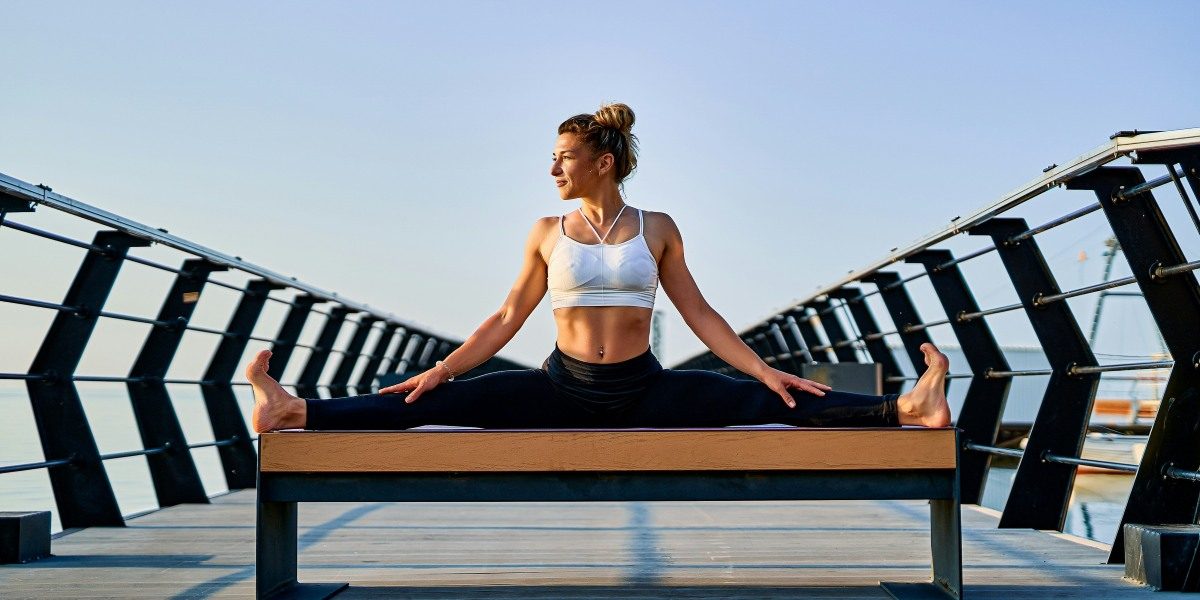
Irina Arnautova is a rehab coach, yoga educator, and movement specialist who has spent over thirteen years helping people improve their posture, enhance their movement, and feel more comfortable in their bodies. Originally from Ukraine and now based in California, she combines neuroscience, somatic movement, and breathwork into a practical framework that fits real life – requiring just fifteen to twenty minutes a day, minimal equipment, and a focus on how the nervous system learns. Clients often describe her work as both precise and compassionate: she meets them where they are and guides them to where their bodies may be able to go.
Arnautova did not arrive at this approach by chance. In her early twenties, she experienced knee pain severe enough that surgery seemed like a likely option. Instead, she worked on rebuilding strength and coordination with targeted drills, breath-led pacing, and careful load progressions. Years later, after a severe cervical misalignment left her with limited neck rotation and persistent tension, she used similar principles – mapping, gentle release, and progressive integration – to regain mobility. These two experiences were pivotal in shaping her philosophy: pain is not just a tissue issue but a map issue. “Pain is not only in the body – it lives in the brain’s map of the body,” she says. “When we change that map, people don’t just move differently – they begin to view themselves differently.”
This philosophy evolved into the Postural Reset (Neuro-Somatic) Method, a structured system Arnautova now teaches to clients across Europe, Asia, and the United States. The method targets three common problem areas: neck/shoulders, thoracic spine/rib cage, and hips/pelvis – by retraining how the nervous system organizes posture and movement. Instead of focusing solely on symptoms through isolated stretches, Arnautova prioritizes the brain’s needs: safety, efficiency, and clear sensory input. When these needs are addressed, the body may stop bracing, breath may deepen, and posture can gradually realign from the inside out.
At the core of Postural Reset are five key principles:
- Mapping. Before beginning any drills, clients first learn to feel what is happening in their bodies. Simple tests – such as seated neck turns, standing balance with eyes open and closed, or wall-assisted shoulder flexion – help identify areas of tension or guarding. These become baseline measures that are retested frequently, allowing clients to track their progress over shorter periods rather than months.
- Release. Arnautova uses small, precise techniques to help down-regulate protective tension. These might include diaphragmatic and lateral rib breathing, gentle isometric exercises, eye-head coordination drills to calm the vestibular system, and micro-mobilizations between breath cycles. None of these techniques are extreme, but the nervous system can respond to such subtle interventions.
- Integration. Once tension is reduced, Arnautova introduces movement patterns that support better posture across the entire body. These include scapular glides with rib expansion, hip hinging with spinal decompression, and gait resets that help the pelvis and rib cage move together again. The goal isn’t extreme poses but functional competence: tasks like reaching overhead, carrying children, or sitting through a workday without straining the neck.
- Cadence and Load. Every drill is assigned a specific “dosage” – how often, how long, and when to increase intensity. Many clients begin with two to three brief “movement snacks” a day, starting at five minutes each. As tolerance builds, Arnautova adds resistance bands, slower tempos, or longer breathing exercises.
- Reflection. Clients are encouraged to journal quick impressions – such as improved focus, deeper sleep, or fewer headaches – and correlate these with their baseline tests. This process helps ensure the method remains evidence-informed and tailored to each person’s needs, rather than applying a one-size-fits-all approach.
A typical session starts with a conversation: What has changed since the last visit? How did the body respond to the previous session’s work? Then comes re-testing, followed by a brief release sequence and one or two integration drills. Arnautova avoids overwhelming the nervous system by focusing on just a few targeted exercises, ensuring clients leave each session with a clear plan of what to do and why.
Who can benefit? Desk-bound professionals are experiencing neck and shoulder discomfort. New mothers are rebuilding core coordination and pelvic stability. Athletes need better rib cage mobility for breathing under load. Retirees who want a more stable balance and fewer flare-ups after gardening. Arnautova adapts the language and pacing to each group. For creatives, she might frame it as “range for expression”; for engineers, she’ll talk about “inputs and outputs.” Regardless of the terminology, the method remains the same: map, release, integrate, repeat.
The equipment required is minimal: a wall, a floor, a chair, a folded towel, and perhaps a light resistance band. Many clients follow the method entirely online. Arnautova films short, captioned videos categorized by “tracks” (e.g., Neck & Shoulders, Rib Cage & Breath, Hips & Pelvis) and energy levels (e.g., SOS Reset, Daily Maintenance, Growth). Her dashboards suggest which videos to pair on which days, making consistency achievable without overwhelming the client.
The scientific principles behind the method are accessible and grounded in current research. Arnautova speaks about neuroplasticity (the brain’s ability to change with practice), proprioception (awareness of joint position), interoception (awareness of internal body states), and the vestibular system (responsible for balance and orientation). Posture improves when these systems work together. Breath serves as the link between them – when breath is shallow or hurried, the nervous system stays alert, muscles tense, and movement is limited. However, when breath becomes deep and rhythmic, the body can relax, and posture may reorganize itself more easily.
Clients often arrive skeptical. They expect hard stretches or heavy lifting and are surprised when simple exercises, like eye-head coordination, reduce shoulder tension by half. Arnautova enjoys this moment, saying, “I’m not focused on forcing tissues. I’m focused on helping the nervous system understand that it’s safe to move.” Outcomes are measured simply: the tests become easier, the breath becomes deeper, and the end of the workday feels less taxing.
Consider a few client experiences:
- The Designer. A thirty-two-year-old art director had daily neck pain and the constant urge to crack her cervical spine. After two weeks of micro-drills – rib breathing, gaze stabilization, and gentle isometrics – her afternoon headaches reduced from five days a week to one. By week six, she could work long hours without bracing. She also reported improved sleep quality and fewer breaks to relieve tension.
- The Runner. A forty-year-old recreational athlete experienced hip tightness that resisted stretching. A gait analysis revealed a restricted rib cage and minimal pelvic rotation. Through breath-led thoracic expansions and step-to-step weight shifts, his stride smoothed, hip discomfort diminished, and his 10K time improved without increasing mileage.
- The New Mother. A thirty-seven-year-old struggled with neck pain from feeding positions and a feeling of “core weakness” post-childbirth. Postural Reset focused on rib-pelvic coordination and deep-neck flexor endurance, always adjusting to her energy levels. After several weeks, she regained confidence in lifting her baby and was able to return to gentle yoga without discomfort.
- The Retiree. A sixty-eight-year-old felt unsteady turning her head while walking. Vestibular drills, with small movements and plenty of rest, helped her regain confidence. Within a month, she walked her neighborhood without fear and reported feeling more “like herself.”
Arnautova’s own life stands as a testament to her approach. After two pregnancies, she rebuilt a stronger body by following the principles of her method. She corrected postural imbalances, alleviated chronic stress, and has maintained her health and well-being for nearly a decade. “I am the product of my own method,” she says, not to boast but to encourage others. If practiced consistently, the nervous system can adapt and thrive.
Her offerings reflect this practicality. Individuals can join a four- to six-week Postural Reset track with weekly coaching calls and access to a private video library. Corporate groups can book brief “movement labs” to reduce screen-side tension and improve focus. Studios offer weekend intensives where yoga teachers, Pilates instructors, and trainers can learn to incorporate neuro-somatic resets into their classes. Throughout all formats, Arnautova’s message remains simple yet powerful: you’ll leave knowing exactly what to do next.
She remains mindful of the method’s scope. Postural Reset is educational coaching, not a substitute for medical treatment, and Arnautova always encourages clients to consult healthcare providers for diagnosis and more complex cases. When necessary, she collaborates with physical therapists for acute rehabilitation, medical professionals for complex conditions, and strength coaches for performance goals. The method complements these other practices by targeting the foundational components all professionals value: clearer maps, calmer systems, and better movement.
Why does Arnautova’s message resonate globally? It addresses the reality of modern life—people are busy, stressed, and seeking ways to take control of their health. The method offers them a framework that is flexible, empowering, and practical—short practices that help rebuild capacity over time. Her tone is encouraging without being overly promotional, scientific without excessive jargon, and always respectful of the challenges our bodies face. Clients feel understood, educated, and empowered.
Ultimately, Arnautova’s mission is straightforward: help people live with less pain, feel more freedom in their bodies, and use movement as a valuable resource for energy and resilience. She believes that posture is not just about rigid positions but about the conversation between breath, balance, and attention. When this conversation becomes clearer, the body can move, recover, and adapt in ways that promote long-term well-being.
Today, through her method, educational programs, and writing, Irina Arnautova continues to shape a new generation of wellness – one that blends science with somatics, data with compassion, and ambition with patience. If you’re seeking relief that may endure, her invitation is modest and accessible: test, breathe, move a little – then repeat tomorrow.
Disclaimer: The information in this article is for educational purposes only and is not intended as medical advice. Results may vary, and individual experiences can differ. Always consult a healthcare professional before starting any new health or wellness program, particularly if you have any pre-existing conditions or concerns.