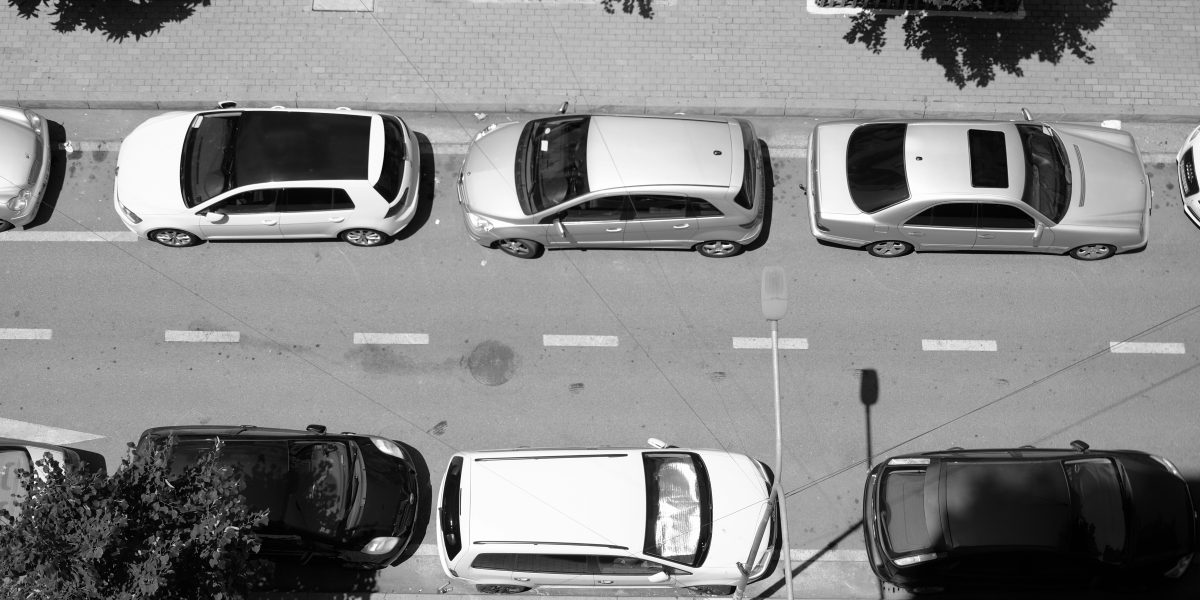

As urban populations swell and traffic congestion intensifies, the need for smarter, more sustainable transportation solutions becomes increasingly urgent. Compact electric vehicles (EVs) are emerging at the forefront of this shift, offering a practical answer to the growing challenges cities face. As noted by Solo Automotive, with their small footprints and eco-friendly design, these vehicles not only make navigating tight urban spaces easier but also help alleviate parking shortages and reduce environmental impact.
Cities around the globe are beginning to adapt, integrating new infrastructure and technologies that support these vehicles, while policies encourage their endorsement through incentives and designated zones. From rethinking curb space to leveraging data-driven parking systems, the adoption of compact EVs signals a broader transformation in how cities plan and manage transportation.
Urban Pressures and the Growing Need for Solutions
Cities across the United States are grappling with a rising number of vehicles competing for a limited supply of parking spaces. As more people move into urban areas, the demand for parking has outpaced the availability of curbside and off-street spaces, leading to daily challenges for drivers.
This imbalance contributes to increased congestion as vehicles circle blocks in search of open spots, a behavior that not only wastes time but also adds to local pollution levels. In compact neighborhoods and business districts, the lack of space often forces drivers to park farther from their destinations, disrupting traffic flow and creating frustration. In turn, this inefficiency hampers commerce and daily routines, especially in high-density zones.
In places like San Francisco and New York City, these issues are even more pronounced due to dense development and older infrastructure that wasn’t built to accommodate current car ownership rates.
Compact Electric Vehicles and Their Growing Presence
Compact electric vehicles (EVs) are becoming a practical choice for city dwellers looking to navigate urban life more efficiently. These vehicles, often designed with two seats and a small footprint, are tailored for short-distance commutes and daily errands in crowded areas.
Models like the Smart EQ Fortwo or the Fiat 500e are engineered specifically for maneuverability and ease of parking, making them ideal for environments where space is at a premium. Their smaller size also makes them less intimidating to operate in tight city streets and alleys, appealing to a wide range of drivers. Drivers new to city life, in particular, find these vehicles easier to adapt to due to their simplicity and minimal learning curve.
As urban populations grow and environmental concerns rise, many municipalities are seeing a shift in driver preferences toward vehicles that are both space-saving and eco-conscious. This trend is prompting automakers to invest more heavily in compact EV designs and production.
Maximizing Space
The compact form of EVs allows cities to make better use of existing parking infrastructure. In some urban areas, two compact vehicles can fit into a space traditionally reserved for a single full-sized car, effectively doubling parking capacity without major redevelopment.
Drivers benefit from the flexibility of being able to squeeze into narrow curbside gaps or awkwardly shaped spaces that would otherwise go unused. This adaptability helps reduce the frustration of limited parking, especially during peak hours in commercial zones. It also encourages a more organized use of space, which contributes to smoother traffic circulation.
Smaller vehicles also open up opportunities for innovative parking layouts. Some residential complexes and public garages have begun to redesign their spaces to accommodate more compact cars, offering designated zones that help maximize efficiency and minimize wasted space.
Technology and Infrastructure Supporting Compact EVs
As cities grow, new technologies are emerging that specifically cater to the unique dimensions of compact electric vehicles. Smart parking systems equipped with real-time sensors and digital payment platforms are being designed to recognize and prioritize smaller vehicles, allowing for better space optimization and faster turnover. These systems often link directly with mobile apps, making it easier for drivers to locate and reserve a spot ahead of time.
In Tokyo and Berlin, automated parking towers have been reimagined to stack lightweight EVs efficiently, reducing the land footprint needed for traditional garages. These systems are not only space-saving but also reduce the time drivers spend maneuvering through tight parking structures.
Urban planners are reallocating curb space to accommodate compact EV-only zones, equipped with charging stations and digital signage. These efforts reflect a growing commitment to supporting sustainable and space-efficient transportation through forward-thinking infrastructure. As more cities adopt these changes, a standardized approach to compact EV integration may begin to emerge globally.
Planning, Policies, and the Future of Urban Transportation
Governments are starting to offer incentives for drivers who choose compact EVs, including reduced registration fees, access to priority parking, and exemptions from congestion charges. These aim to guide consumer behavior toward more sustainable options while reducing reliance on traditional fuel-powered cars.
In shared networks, compact EVs are proving especially useful. Car-sharing services benefit from their low operating costs and ability to be parked in smaller spaces, making fleet deployment in dense neighborhoods more practical. These features also allow service providers to scale operations more efficiently across multiple city zones.
As cities reimagine transportation for the next generation, compact vehicles will likely play a central role. Gradually, these vehicles are reshaping not just how we drive, but how we build the urban landscape around us.