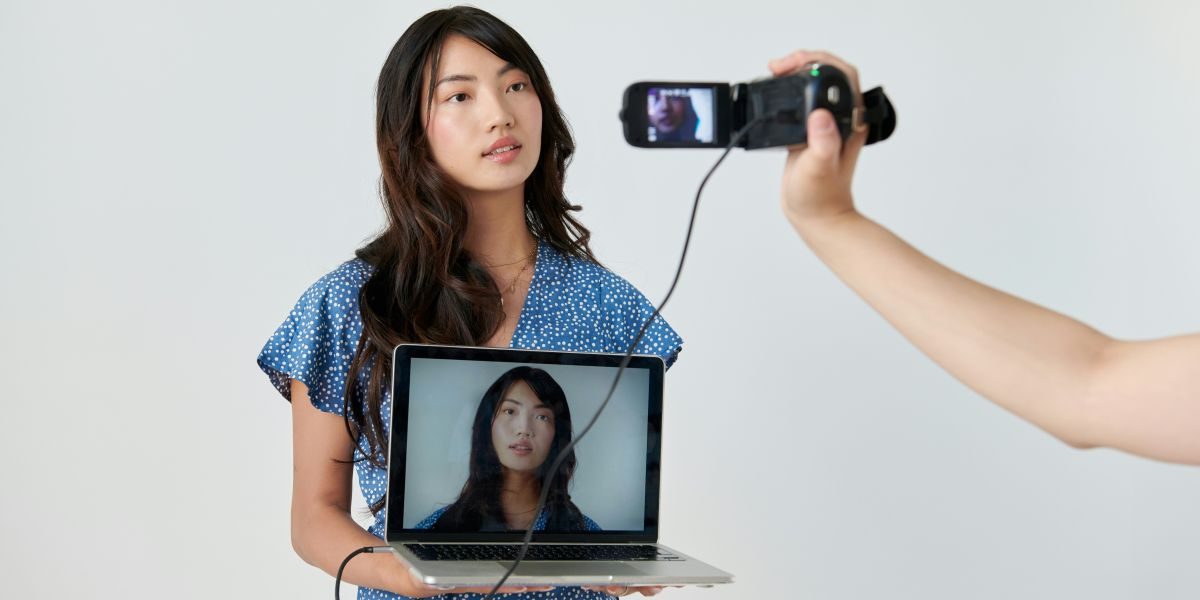

In today’s rapidly evolving digital landscape, Video Face Swap technology has emerged as one of the fascinating developments in visual media. What once began as an eccentric novelty for internet humor has gradually become a mainstream trend that is reshaping how people create, consume, and share content. The technology has become more advanced, enabling individuals, educators, and creators to craft personalized visual experiences that feel engaging, immersive, and entertaining.
Face-swapping is no longer limited to simple image modifications. Propels in AdpexAI, computer vision, and motion tracking have expanded it into a tool for storytelling, self-expression, and collaboration. Whether for casual social media fun, classroom learning, or professional campaigns, the technology offers numerous creative possibilities.
Single vs. Multi-Person Face Swapping: What’s the Difference?
To understand the rise of face-swapping, it’s important to distinguish between single-person and multiple video face swap applications. Single-face swapping typically involves overlaying one person’s face onto another image or video character. This has long been popular for creating spoofs, impersonations, and playful alter egos. The technology focuses on matching one set of facial features with another, keeping pace with basic expressions and gestures.
Multi-person face swapping, on the other hand, introduces a new dynamic. Instead of focusing on a single subject, this approach allows multiple faces within the same frame to be swapped simultaneously. Imagine a group photo where each member has been transformed into popular characters, or a movie clip where the entire cast is reimagined with new personalities. This type of swap requires more complex algorithms for detection, mapping, and synchronization. It also brings fresh opportunities for group creativity, storytelling, and interactive digital content.
The growing adoption of multi-person face swapping illustrates how AI-driven technology continues to broaden the boundaries of creative expression. It’s not just that it makes digital storytelling more engaging, but it also encourages collaboration across various contexts.
The Advantages of Multi-Person Face Swapping
The appeal of multi-person face swapping lies in the depth and variety it brings to digital storytelling. Unlike single-face swaps that focus on one character, multi-face swaps allow entire scenes to be altered, giving users more space for creativity. Some of the most notable advantages include:
Enhanced Entertainment Value
Multi-person swaps can turn ordinary videos or photos into highly engaging content. For example, a casual group selfie can be transformed into a cast photo from a blockbuster film, or a simple family video could become a fun reenactment of a famous scene. This enhanced entertainment value makes the technology especially appealing on social platforms, where creativity and shareability are highly valued.
Group Participation
Photo face swap is often more enjoyable when it’s shared. Multi-person functionality allows groups of friends, classmates, or coworkers to connect to the same experience. Instead of focusing on one person, everyone gets to be part of the creative process, making the final product more inclusive and fun. This group element has the potential to strengthen social bonds, spark laughter, and promote collaboration in both personal and professional settings.
Personalization of Narratives
Another feature of multi-person swaps is the ability to tailor each swap to reflect unique personalities. For instance, in a short video, each character could be assigned to a different friend, with their distinct traits or humor reflected within the context of the story. This personalization gives digital narratives more depth and makes them feel authentic or even more relatable than generic ones.
Educational and Professional Uses
The technology isn’t limited to entertainment. In education, multi-person swaps can bring history, literature, or science to life by placing students or teachers directly into scenarios they’re learning about. In professional settings, businesses can create interactive training materials, internal campaigns, or engaging time-sensitive content that feels more relatable than traditional formats. This flexibility suggests that multi-face swapping is not a passing trend but a tool with lasting relevance.
How to Use Multi-Face Swapping Creatively
Creativity is at the heart of multi-person face swapping. Its true value emerges when individuals and teams use it to tell stories in new and inventive ways. Some creative applications include:
Group Tribute Videos
One popular use is creating tribute videos for special occasions. A group of friends might insert themselves into the cast of a beloved film to celebrate a birthday or wedding, turning a standard greeting into a memorable keepsake. Families can do the same during holidays or reunions, blending humor and nostalgia into a shared digital memory.
Educational Dramas and Role-Play
Teachers and trainers are finding innovative ways to incorporate face-swapping into their lessons. By immersing students in historical events or scientific experiments, learning becomes more interactive. For example, a history class might set up a debate among famous leaders, with each student taking on a role through face swapping. This not only makes the material more engaging, but it also helps with long-term retention.
Brand and Organizational Storytelling
Businesses and organizations often look for creative ways to connect with audiences. By using face-swapping, companies can personalize internal campaigns, promotional visuals, or even recruitment materials in a way that feels authentic and engaging. For example, team members can be featured in fun videos that highlight collaboration, culture, and innovation.
Social Media Trends and Challenges
Social media thrives on trends and challenges, and multi-person face swapping fits perfectly into this culture. Whether themed around holidays, celebrity impersonations, or viral social moments, such swaps can gain traction quickly. They not only allow people’s creativity to shine but also foster a sense of community as individuals engage with the same trend.
These applications show that the technology isn’t limited to entertainment—it can enhance education, business, and social connections in meaningful ways.
Technical Considerations and Innovations
While face-swapping might seem simple from a user’s perspective, its functionality depends on advanced technical systems. Multi-person swaps, in particular, require a high level of accuracy and processing power. Some of the key considerations and advancements include:
Facial Detection and Mapping
AI systems must identify distinct faces in a single frame and map them with precision. This involves analyzing the geometry of facial features, accounting for differences in angle, lighting, and expression.
Expression and Motion Tracking
To achieve natural movement, the technology must synchronize the expressions, line by line. Smiles, blinks, head turns, and even subtle gestures need to be adjusted consistently with the swapped face, ensuring the illusion remains convincing.
Lighting, Proportions, and Tone Matching
One of the most challenging aspects is maintaining consistency in lighting and skin tone. AI algorithms must adjust for contrasts, shadows, and proportions so that the swaps blend seamlessly into the original environment without appearing artificial.
Scalability and Real-Time Applications
As the technology advances, efficiency becomes increasingly important. Developers are working on ways to scale the process so that multiple faces can be swapped simultaneously in real-time, such as during live broadcasts, presentations, or video calls. This evolution could make the technology more accessible for both casual users and professionals.
These developments demonstrate the complexity behind what might seem like a simple visual trick, highlighting the evolution of cutting-edge AI systems.
Ethical Awareness and Responsible Use
As with any powerful technology, face swapping comes with responsibilities. While it can inspire creativity, it also presents risks if used recklessly. Misuse can lead to impersonation, deception, or content that invades privacy.
To ensure ethical usage, individuals should prioritize consent and transparency. Before including others in a face-swapping project, it’s important to seek their approval. In professional or educational settings, safeguards should be put in place to prevent misuse.
On a larger scale, many digital platforms are exploring solutions to address these concerns. Content filters, watermarking, and transparency measures are some of the techniques being developed to balance innovation with responsibility. Users themselves, however, play the most crucial role in ensuring that face-swapping remains a positive and creative force.
The Future of Face-Swapping in Storytelling
Face swapping is no longer just a fun experiment—it has become an essential part of digital storytelling. As the technology continues to evolve, we can expect even greater integration into everyday communication and media production. Some potential directions include:
Real-Time Swapping in Video Calls
The future may see face-swapping directly integrated into live communication tools. From virtual meetings to social hangouts, people might experiment with new identities in real-time, enhancing both entertainment and interaction.
AI-Driven Dynamic Story Editing
Storytellers may soon be able to edit stories on the fly. By swapping characters mid-production, creators could reshape storylines without reshooting scenes, saving time while opening new layers of creativity.
Integration with Augmented and Virtual Reality
Face swapping is also poised to integrate with immersive technologies like AR and VR. This combination could allow users to step into virtual worlds as themselves—or as any character they choose—making experiences such as gaming, training, and storytelling more interactive and realistic.
Expanding Accessibility and Collaboration
As the technology advances, accessibility will likely improve, enabling more people to engage in creative storytelling. Communities around the world will be able to collaborate on shared projects, fostering cross-cultural connections and digital inclusivity.
These advancements suggest that face-swapping is not just a trend but a powerful medium for the future of storytelling. By combining innovation with ethical awareness, it has the potential to reshape how people share experiences, create narratives, and express creativity in the digital age.