
By: Hina Shykh
Introduction
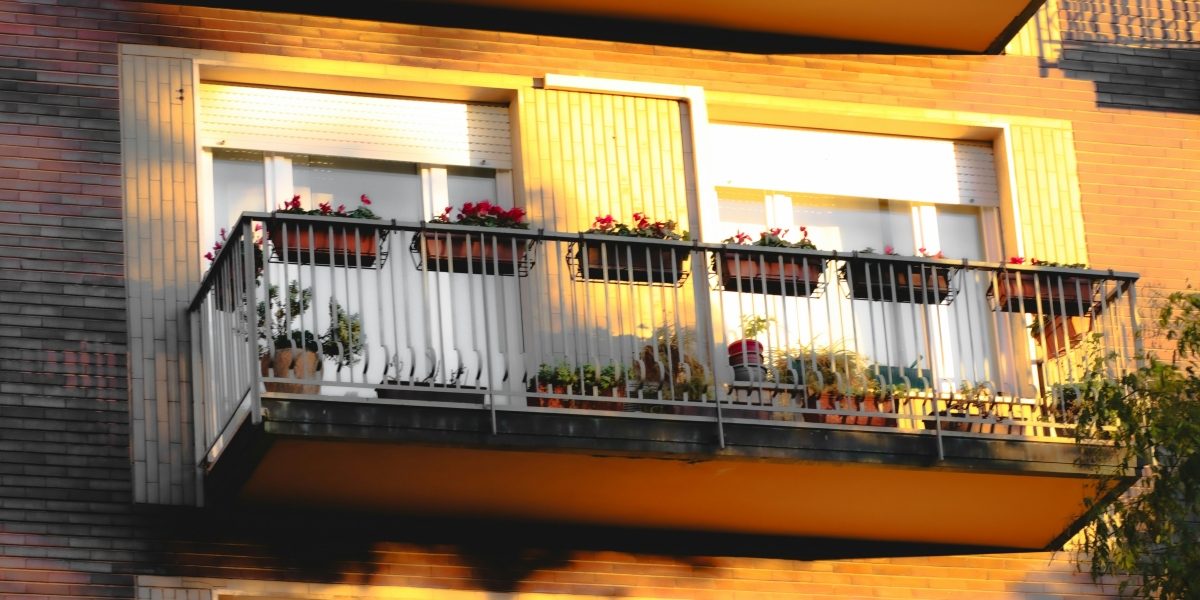
The sunshine that balconies bring into a home is one of the reasons why they’re popular. They extend a living space, especially in urban high-rises, allowing residents to relax, exercise, garden, entertain, and even dry laundry.
However, balconies may also pose risks to a home’s security and the safety of its occupants—especially children and pets. Fortunately, this doesn’t mean you have to forgo the idea of having a balcony in your home or seal it off and let it fall into disuse.
In this blog, we explore practical solutions from a professional locksmith in Bradford. These include tips on how to burglar-proof your balcony while also addressing potential hazards and improving overall safety.
How Secure Is Your Balcony?
There are a few things to consider to ensure that the security measures you implement are more suitable for your needs.
- Height: The closer to the ground, the easier it may be for intruders to access. The higher it is, the more critical it becomes to prioritize safety to prevent accidents and injury.
- Location: If your balcony is exposed and visible to many people, it benefits from natural surveillance, which can discourage intruders. Conversely, if it’s in a secluded area, it may be more likely to attract them.
- Usage: The level of safety and security of your balcony is influenced by how it is used. Storing items in your balcony can create several risks, including fire hazards (especially if they are flammable), blocked escape routes, and exceeding the structure’s load limits.
- People: A balcony in a home with children or pets poses a serious safety risk, which means safety features should take priority over aesthetics.
Understanding the Risks of a Home Balcony
If your home has a balcony or you’re considering moving to one, it’s important to be aware of the potential safety concerns and take necessary measures to prevent them.
Falls
The main safety concern regarding balconies is children and pets falling from them. However, in the UK, many individuals who suffer injury or death from falling off balconies are young people who are under the influence while on holiday abroad. Quite often, the fall is the result of “balconing”—the dangerous practice of climbing to an adjacent balcony or jumping into a pool several feet below.
A balcony rail height that could prevent pets and children from climbing over is typically between 36 to 42 inches, with the distance between each vertical guard usually around 4 to 6 inches.
If you have young children, consider installing an adjustable child gate to keep them off the balcony entirely. However, this should never be a substitute for close supervision.
It’s important to keep the balcony in good condition, so regular inspections are essential. Look out for rust, loose bolts, and other issues that could compromise its safety. Installing a balcony net could provide effective protection from falls while also keeping unwanted visitors out.
Fire Hazards
Balconies offer open-air access for activities such as grilling and smoking. Before striking a match or flicking a lighter, always check for any flammable or combustible objects, materials, and chemicals on your balcony.
While cooking or smoking, stay cautious and alert to anything that could potentially cause a fire. Once you’re done, ensure safe disposal.
Structural Considerations
It’s essential to be aware of your balcony’s load limit and never exceed it. In the UK, the standard live load for residential balconies is 1.5kN/m². Regular inspections by a professional are recommended.
Balcony Break-Ins
Whether it’s part of a freestanding house or a high-rise, a balcony can serve as an open entry point for intruders. Along with ensuring that your balcony is safe, keeping burglars out is equally important.
The following tips may help make your home balcony less appealing to intruders and harder to break into.
7 Practical Ways to Secure Your Balcony
1. Make your balcony look uninteresting.
Burglars are more likely to target your home if valuable items are in plain sight on your balcony or if the balcony provides a clear view of the interior. To obstruct the view of people outside, consider installing privacy screens or panels. These come in various materials—ranging from plastic and bamboo to canvas and aluminum. You may also want to use plants to provide privacy in a natural way.
2. Replace your locks to improve security.
Euro cylinder locks are widely used in the UK because they are easy to install and replace, compatible with various door materials, and generally less expensive than many other lock types.
However, they are vulnerable to lock snapping. Locksmiths often recommend replacing such locks with anti-snap or electronic locks, especially for balcony doors.
As for sliding balcony doors, locksmiths advise reinforcing the built-in lock with a secondary lock specifically designed for this type of door or using a Charley bar. Additionally, applying shatterproof film on the glass door and panels makes them impact-resistant and improves privacy.
3. Lock your balcony door when not in use.
A balcony is designed to be an open and exposed platform attached to a structure, typically enclosed with railings for safety. Locksmiths point out, however, that homeowners should always lock the balcony door when the space is unattended, as it can be used as an entry point due to its accessibility. This emphasizes the importance of not only choosing the right lock but ensuring it is properly installed by professionals. It’s also important to note that in the UK, home insurance policies usually require that homeowners have appropriate security measures in place.
4. Set up a security camera.
Surveillance cameras may deter criminal activity in several ways: they can intimidate intruders, record footage leading to the identification of criminals, allow real-time monitoring, and with advanced features—such as motion detectors—can be integrated with notification or alarm systems.
Installing a video monitoring system is not enough. It is essential to use high-quality cameras for open spaces—especially balconies, where the risk for both accidents and break-ins is high. With the help of experienced locksmiths, you can choose a reliable, high-quality surveillance camera, which they can also properly install in the more strategic spots on the balcony.
5. Install a burglar alarm.
Burglars are more likely to avoid a property that clearly warns of the presence of a burglar alarm system. Audible alarms trigger loud sirens that can be highly agitating, drawing attention to homeowners and often scaring off unwanted visitors.
Locksmiths emphasize the importance of using a reliable burglar alarm on balconies with essential features, such as superior-quality sensors, a clearly audible siren, tamper-proof components, and 24-hour monitoring. It’s also important that installation be done by a professional. Expert locksmiths can assist you in selecting and setting up a burglar alarm for your balcony.
6. Protect your furniture.
Outdoor furniture is a prime target for thieves, especially when placed on low-level balconies. However, there are several ways to make these items difficult to steal, such as by attaching them to the floor with ground anchors, marking them with your postcode to make them harder to resell and easier to identify by the police, and keeping them hidden by creating screens or barriers that block them from view.
7. Ensure that trees and bushes near the balcony are well-trimmed.
If there’s a tree growing near your balcony, intruders may attempt to climb it to gain access. To eliminate this risk, regularly trim any branches that could be used for gripping or as footholds. Also, trim hedges in the garden that could be used for hiding or for stashing stolen items until they are taken away.
Wrapping Up
A balcony is a unique feature that allows residents to enjoy activities typically done outdoors. However, it also comes with risks—safety hazards such as falls, fires, and structural failure, as well as security threats like unauthorized access or break-ins. The good news is that there are many practical ways to ensure that your balcony is both accident- and burglar-proof. An unsecured balcony can lead to disaster, crime, or both. Speak to a professional locksmith to make the necessary changes and upgrade your balcony.
Disclaimer: The content provided is for informational purposes only and should not be construed as professional, financial, or legal advice. No guarantees are made regarding the outcomes or results of applying the insights discussed. Readers are encouraged to conduct their own research or consult with a qualified professional before making any decisions based on the information provided.