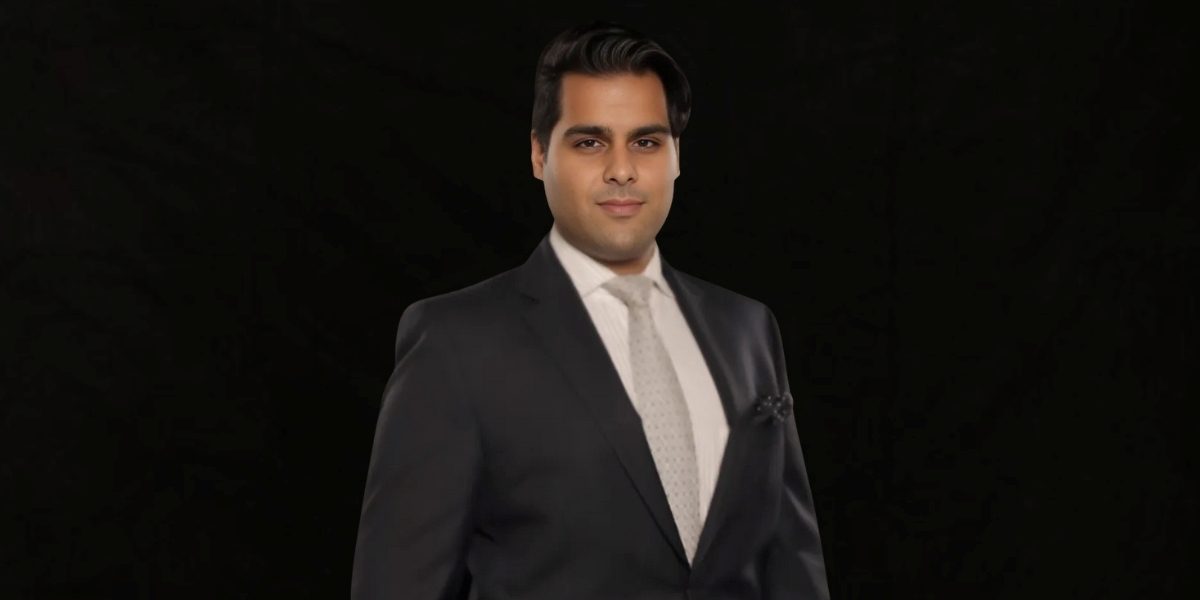

By: Akshay Sardana
After a liquidity event, there’s often a moment of stillness. One moment, you’re solving problems and managing a growing business; the next, you’re faced with a portfolio that may look solid but doesn’t necessarily speak to your future ambitions.
For many entrepreneurs, wealth-building is a gradual journey. The path to financial success often comes through years of hard work and careful decision-making. As your wealth grows, it’s important to think beyond immediate financial optimization and focus on building something enduring—a legacy that transcends your lifetime.
If you want to create something that lasts—something that extends beyond your name—you need to shift your mindset. Rather than focusing on short-term financial gains or quick fixes, think long-term. This shift requires fewer shortcuts, more strategic planning, and decisions that will stand the test of time. Here’s where to begin.
Don’t Mistake Ownership for Preparation
A common misconception among wealth builders is that having financial resources automatically prepares future generations to manage them. In reality, wealth does not equate to readiness. The next generation may not experience the challenges that come with growing a business or managing day-to-day operations. They may inherit a portfolio, but not the knowledge and responsibility required to preserve and grow that wealth.
It’s not enough to simply plan for wealth distribution. You must also prepare for wealth education. Develop structures that prioritize responsibility before access. This may involve establishing a family governance system or a foundation that fosters active participation and learning. The goal is to treat wealth as a tool for education, promoting the values that will support future generations in managing and growing it.
Advisors May Help You Build for the Future
As your wealth grows, it’s no longer about managing everything on your own. The key question is not whether you can handle your financial affairs, but whether you know when to seek expert guidance. A trusted advisory team may help you make informed decisions that align with your long-term goals, ensuring that your wealth is preserved, protected, and strategically deployed.
Rather than focusing on specific tax strategies or investment approaches, a multidisciplinary advisory team may assist with developing a comprehensive financial plan. These professionals may offer guidance on succession planning, long-term wealth preservation, and how to avoid common pitfalls that can erode wealth over time. Think of them as partners who help you ensure that your decisions today support the legacy you want to leave behind.
Use Technology to Simplify, Not Complicate
The role of technology in wealth management has grown significantly, offering tools that help reduce complexity in decision-making. While there are many solutions available—from digital dashboards to advanced analytics—the real value lies in clarity. The right technology should help you make sense of your financial situation, identify risks, and track progress without overwhelming you with unnecessary details or hype.
Instead of focusing on specific platforms or tools, think of technology as an enabler that helps you make more informed decisions with less effort. Whether through automated tracking, data analysis, or strategic insights, the right technological tools should simplify your decision-making, allowing you to stay focused on the bigger picture of long-term wealth building and preservation.
Invest with Purpose, Not Just for Growth
For many entrepreneurs, the first step in building wealth is asking, “How much do I have?” But a more important question to ask is, “What do I want it to do?” Shifting your focus to the purpose behind your wealth may help guide your decisions in ways that support long-term goals and values.
Wealth that is managed without a clear purpose can quickly become aimless, leading to unnecessary complexity or investments that don’t align with your core values. By focusing on long-term, values-driven goals—such as sustainability, responsible ownership, or community impact—you create a foundation that extends beyond financial gain. These investments help build a legacy that aligns with your values and creates real-world impact.
A thoughtful approach to impact investing, for example, connects financial returns to positive societal outcomes. Done with intention, this strategy ensures that your wealth supports causes that are meaningful and enduring. This kind of purposeful investing can help shape a future that reflects your principles, while also ensuring your wealth continues to serve future generations.
Money Moves Fast, Legacy Moves Slowly
Your early years as an entrepreneur were likely focused on acceleration—growth, innovation, and achieving exits. But as you shift toward long-term planning, the pace changes. Building a lasting legacy requires a shift in focus to values such as patience, foresight, and structure. It’s not just about building wealth; it’s about creating something that will continue to grow and benefit future generations.
Becoming the first generation to create a dynasty is not about quick wins. It’s about taking a long-term, strategic approach to wealth-building, making decisions with long-term sustainability in mind, and acting with purpose. Those who succeed in building a legacy tend to view wealth not as a destination but as a responsibility, and they act early to ensure that their wealth serves both their values and future generations. In the end, wealth is not just what you leave behind. It’s what you set in motion.
About Akshay Sardana
Akshay Sardana is the Vice President of Strategy & International Development at The Continental Group, a leading financial services provider and insurance intermediary. Since joining the company in 2009, Akshay has played a key role in its expansion into Asia, Africa, and Europe. A graduate of the Boston University School of Management, Akshay previously worked at Citigroup, New York, in strategic roles on the derivatives and fixed income desks. With a passion for adventure travel and jazz piano, he maintains a balance between his professional achievements and personal interests.
About The Continental Group
The Continental Group, founded in 1994 by Ashok Sardana, is a leading insurance intermediary and provider of financial services solutions in the GCC region. Licensed by the UAE Insurance Authority and the DFSA, the group represents both multinational and local insurance and financial institutions. Continental’s industry experience and commitment to integrity, insight, and innovation have enabled it to expand across Europe, the Middle East, and Asia. With a team of over 250 professionals, Continental offers personalized solutions for investments, wealth creation, legacy planning, and more. They also advocate for financial education, inclusion, ESG investing, and well-being through their popular podcast, “Dollars and Dirhams.”
More details at: https://www.cfsgroup.com/
For more information or interviews, please contact:
Your Wordsmiths – Content & PR
- Neha Kaul
- 0504507068
- neha@yourwordsmiths.com
Disclaimer: This article is for informational purposes only and does not constitute financial, investment, legal, or tax advice. Readers should consult with qualified professionals before making any financial decisions. The views expressed are those of the author and not of any affiliated organizations.