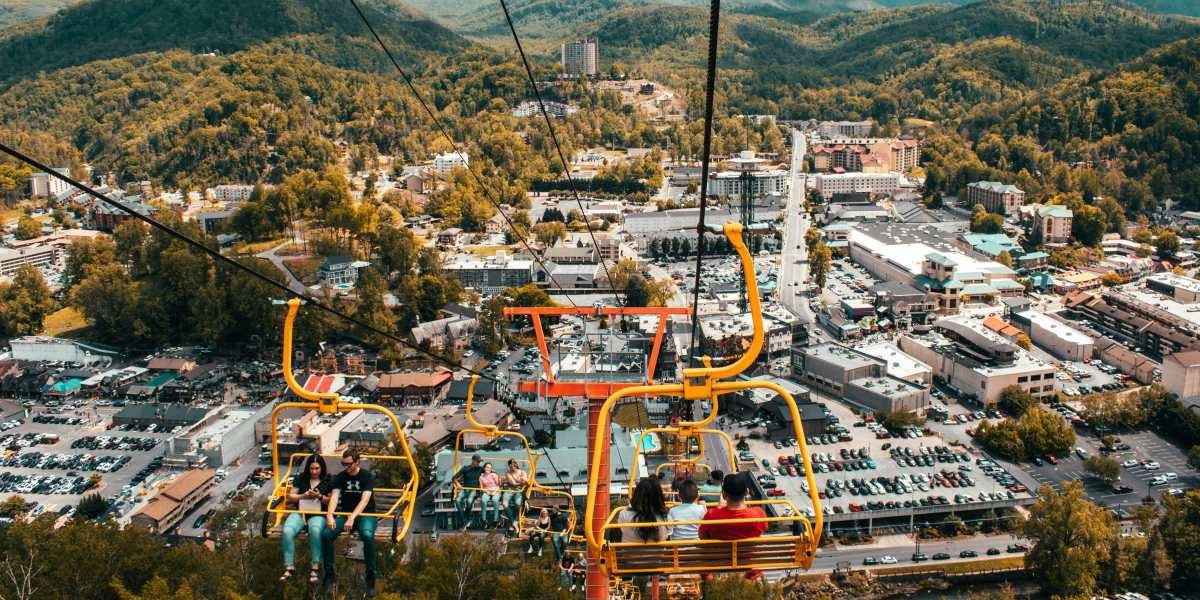

Ever tried coordinating a vacation for people who can’t agree on where to eat lunch? Planning a family trip is less about destinations and more about negotiation, logistics, and somehow keeping everyone fed, happy, and not buried in their phones the whole time. In this blog, we will share how to plan a smooth, memorable family vacation to Pigeon Forge—without losing your mind in the process.
Balance Planning with Breathing Room
Families don’t operate like tightly scheduled itineraries, no matter how good your spreadsheet looks. And Pigeon Forge isn’t the kind of place that benefits from overly rigid agendas. It’s packed with attractions, shows, and roadside curiosities that you won’t find in travel brochures but somehow end up being everyone’s favorite part of the trip.
The key is to plan a structure, not a schedule. Build your trip around a few major activities or must-do outings—then leave open time between them to decompress or chase something spontaneous. If you lock down every hour of the day, you might find yourself stressed before breakfast. But if you don’t plan at all, the indecision spiral can set in quickly.
A lot of families end up building their vacation around Dollywood, and for good reason. The park blends thrill rides with craft demos and live performances, which means it appeals to a wide range of ages. While it can be tempting to skip the rides for broader appeal, it’s a good idea to make time for the standout coasters at Dollywood. Lightning Rod, Wild Eagle, and Thunderhead aren’t just adrenaline generators—they’re engineering marvels that spark conversation and shared excitement, especially for families with older kids or parents who don’t mind getting tossed around a bit. Let the kids lead the way on those. Even if you’re not a coaster person, sharing in their excitement from the sidelines can still make you a part of the memory.
Timing Makes or Breaks the Trip
The calendar doesn’t lie—some seasons just work out better than others. Pigeon Forge, nestled at the edge of the Great Smoky Mountains, follows a rhythm that might not be obvious unless you’ve been through it. Summer brings crowds, peak prices, and humid afternoons that can test any parent’s patience. Fall comes with cooler weather and a flood of leaf-peepers, but also better traffic and lighter wait times if you avoid weekends. Spring can be unpredictable, but it’s often your best bet for open space and mild temperatures. Winter slows everything down, which might be exactly what your crew needs.
Timing matters not just for hotel rates or weather forecasts, but for the mood of your trip. If you’ve got school-aged kids, consider planning right after the school year ends or during a short break when they’re not burned out. If you’re traveling with teens, you might want to think about avoiding summer altogether and leaning into long weekends or shoulder-season windows when things feel less chaotic. The smoother the setting, the easier it is to actually enjoy your time together, without turning your family photo op into a group therapy session.
Avoid the Trap of Overpacking—Mentally and Literally
Everyone tends to think they need more than they actually do. This applies to luggage, activities, and expectations. The most common mistake people make when traveling with family is packing for the trip they wish they were having, instead of the one they’re actually going on. No one wears five pairs of shoes in four days. No one wants to do seven hours of sightseeing on foot after a big breakfast buffet. The sooner you make peace with imperfection, the better your vacation will be.
Focus on what makes everyone comfortable. This could mean keeping a cooler in the car for snacks and drinks between stops, or packing a bag with chargers, wipes, and Band-Aids that lives in the backseat no matter where you go. Don’t assume you’ll always be near a store—or that you’ll want to interrupt a good moment to go buy something small.
And mentally, pack light too. Every trip has its hiccups. Someone forgets a toothbrush, someone melts down in a parking lot, someone complains about the food. Accept it as part of the journey. The goal isn’t a perfect photo album—it’s a shared story that feels good when you retell it later.
Tech Helps—Until It Doesn’t
Navigation apps, attraction maps, mobile tickets—all of it matters. Pigeon Forge may feel charmingly old school, but its layout can be confusing, and traffic moves slower than you might expect. Use your phone to check opening times, avoid bottlenecks, and grab updates from local pages that flag detours or limited-time events. Some of the smaller shows and attractions don’t advertise well, so keeping an eye on social media can help uncover surprises you’d otherwise miss.
But there’s a limit. At some point, the screen starts pulling everyone away. If you want this trip to feel different from your usual week, consider building intentional moments to unplug. This could mean turning off Wi-Fi for an hour in the cabin and playing cards, or putting phones in airplane mode during lunch and letting conversation take center stage. You’re not doing it for any moral reason—you’re doing it so the memories come from each other, not just the pictures.
Think About the Exit, Not Just the Arrival
Most people plan the start of their trip in minute detail and then fizzle out on the back end. The result? A great few days, followed by a stressful return that undoes all the relaxation. Don’t let the final leg derail your whole mood. Look at your return day not as a travel chore, but as the last chapter of your vacation. It deserves attention, too.
If you’ve got a long drive home, consider planning a stop an hour in that lets everyone stretch, eat real food, and reset. Keep the last night mellow—no need for a big closing event. Let people wind down naturally. And when you’re packing up, do it in a way that your future self will appreciate. Have a go-bag ready with chargers, snacks, and the things you’ll need on the road. Toss out the trash from the car before you pull out of the driveway. Small things, but they make re-entry smoother, and you might find yourself grateful for the effort later.
Planning a family vacation to Pigeon Forge means managing the usual travel chaos while embracing the quirks that make the place so rewarding. It’s not about chasing the perfect agenda or seeing every single thing. It’s about giving your family space to connect in a place that moves just slow enough to let it happen. The rides will thrill, the views will impress, and the unexpected moments—those are the ones that tend to stick.