
By: Elowen Gray
Fast fashion made it easy to buy new clothes every week. But now, many people are starting to look for something better. They want clothes that last, that are made with care, and that means something. That’s why craftsmanship is coming back.
So let’s take a look at the reasons why more people are choosing craftsmanship over fast fashion.
People Are Tired of Disposable Fashion
Fast fashion gave us cheap prices and quick trends — but many shoppers are now walking away. The clothes often fall apart, don’t fit right, and rarely feel special. Most end up in the trash after just a few wears.
Today, people want fewer things, made better. They’re choosing clothes that last, feel good on the skin, and hold some meaning. It’s not about owning 20 low-quality shirts — it’s about finding two or three pieces that truly matter.
This is why craftsmanship is making a comeback. Whether it’s a hand-stitched coat or luxury leather bags from Italy, people are drawn to items made with skill and care. These aren’t throwaway trends — they’re investments that stay with you.
When something is made to last, we treat it with more respect. And that simple shift is changing how we buy — and what we value.
DIY and Repair Culture Is Growing
Today, more people are fixing their clothes instead of throwing them away. You’ll find sewing videos all over Instagram and TikTok. From patching holes to adding embroidery, DIY fashion is back.
Some do it to save money. Others do it for fun, or to make their clothes unique. Visible mending — where people fix clothes in a way that shows — has even become its own style. It’s not about hiding the damage. It’s about showing the story.
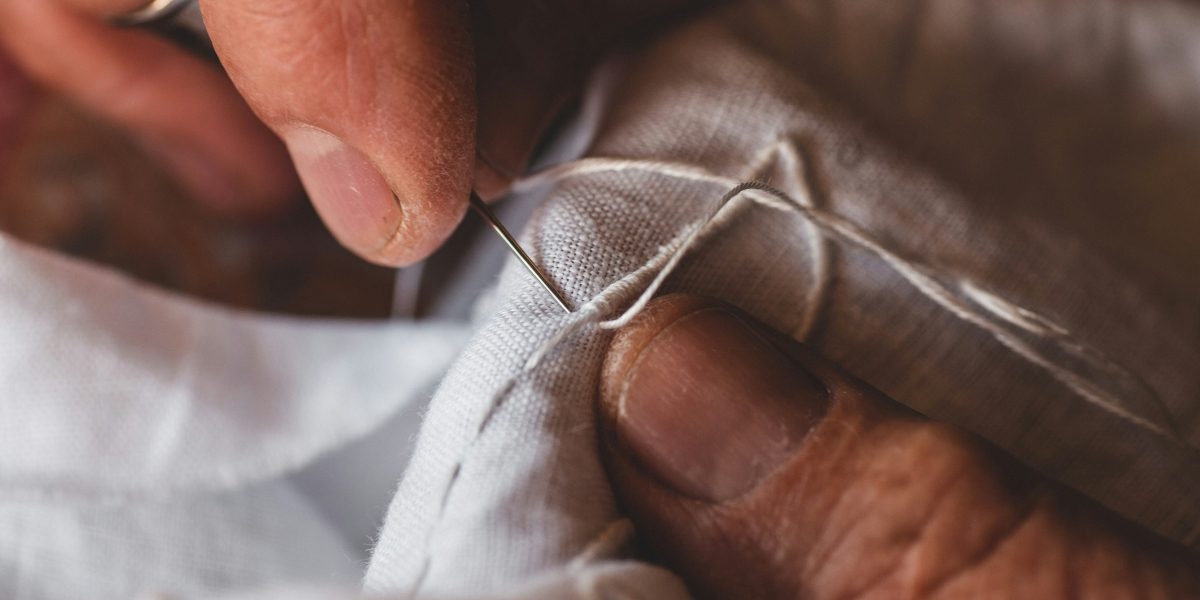
This mindset is bringing people closer to their clothes. When you fix something with your own hands, it means more to you. And that’s what craftsmanship is all about — care, time, and personal touch. People don’t just want to wear clothes anymore. They want to be part of them.
Tradition Is Becoming Trend
Things once seen as old-fashioned — like hand-stitched shirts, block prints, and embroidery — are back in style. Not just as a trend, but as a way to reconnect with craftsmanship.
Across the world, fashion lovers are turning to pieces made with care and history. You see it in handmade jackets from Japan, detailed weaving from Latin America, and traditional Indian clothes that show age-old techniques like handloom weaving and natural dyeing. These carry culture, family stories, and time-honored skills.
Even big fashion houses are collaborating with local artisans. Whether it’s a block-printed dupatta, an embroidered kurta, or a hand-dyed scarf, people want items that feel unique.
Craftsmanship gives people something real to wear. And when that realness includes tradition, identity, and detail, it feels more valuable than any fast fashion trend ever could.
Sustainability Is No Longer Optional
More people now care about where their clothes come from — and where they end up. Fast fashion creates huge amounts of waste. Clothes are made quickly, sold cheaply, and often thrown away just as fast. This has become a big problem for the planet.
Craftsmanship is different. It’s slower, more careful, and produces less waste. Many handcrafted clothes use natural or recycled materials. Some are made to order, so nothing extra is produced. Others are repaired and reused instead of tossed.
People don’t just want cheap anymore — they want clothes that do less harm. Choosing handmade or slow fashion is one way to help. It’s better for the earth, and better for the people making the clothes too. That’s why sustainability is now a big reason behind the return of craftsmanship.
Small Brands Are Leading the Way
Big retailers still push out the most clothes, but smaller brands are changing the game — not by volume, but by values. They focus on quality over quantity, working with skilled local makers and using materials that last. Many of them slow down production, skip the constant trend-chasing, and even offer pre-orders to avoid waste.
This shift isn’t going unnoticed. Publications like the London Review of Suit Tailors have highlighted how today’s shoppers are looking beyond fit and fabric — they want meaning, transparency, and a connection to the people behind the product.
That’s the appeal of small brands. You’re not just buying clothes; you’re supporting craft, sustainability, and something that feels more human. Whether it’s a tailored jacket, a handmade dress, or a piece that’s been custom-fitted, these brands let you wear something real.
Cultural Roots Matter Again
Clothes aren’t just about how we look — they’re also about who we are. Around the world, traditional clothing tells stories of history, culture, and identity. But fast fashion pushed many of those styles aside, offering one look for everyone.
Now, that’s changing. People want clothes that connect to their roots. Whether it’s handwoven fabric from India, embroidery from Mexico, or dyeing techniques from Japan — cultural craft is coming back.
Craftsmanship helps keep these skills alive. It supports local artisans and makes sure traditions aren’t lost.
Craftsmanship Feels Personal
Handmade clothes feel different. Because they’re made with care. You can often see the tiny details, the work someone put in, and the time it took.
That makes people feel closer to what they wear. Maybe it reminds you of something, or maybe you just know it will last a long time.
When something is made with care, you take care of it too. It becomes your favorite. And that’s what makes craftsmanship special — it feels personal in a way fast fashion never does.
Wrap Up
Craftsmanship is making a real comeback because people are done with cheap, throwaway fashion. They want clothes that feel good, last longer, and actually matter. This shift isn’t about trends — it’s about trust, care, and meaning.
When something is made by hand, you know someone took time with it. That changes how we wear it and how we value it. In a world full of fast and forgettable, handmade feels honest. And maybe that’s why so many people are choosing slower fashion.