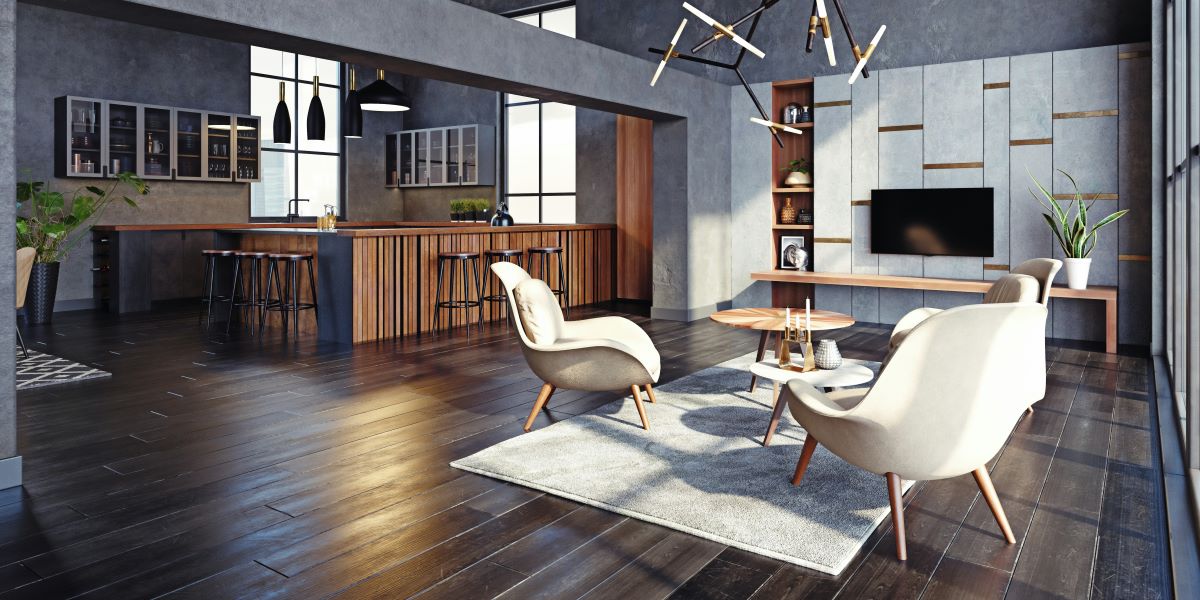

A home should work as hard as the people living in it. Functional design focuses on creating spaces that are practical, adaptable, and effortless to maintain. Unlike purely decorative approaches, functionality prioritizes ease of movement, efficient storage, and layouts that suit daily routines. Whether dealing with a compact apartment, a bustling family household, or the need to accommodate pets and guests, smart design choices can make everyday life smoother. The key lies in selecting furniture, storage solutions, and materials that serve multiple purposes while maintaining a cohesive aesthetic.
Read also: Discrete vs. Continuous Models: Choosing Frameworks for Dynamic Systems
Maximizing Space with Multi-Purpose Furniture
One of the most effective ways to enhance functionality in small spaces is through furniture that doubles as storage or adapts to different needs. Storage ottomans are a prime example, offering seating while concealing items like blankets, books, or seasonal accessories inside. These pieces eliminate the need for bulky cabinets while keeping essentials within reach. Another versatile option is a foldable desk, which provides a dedicated workspace during the day and folds flat against the wall when not in use. This approach is ideal for home offices in living rooms or bedrooms where square footage is limited.
Sofa beds are another practical solution, transforming a living area into a guest room when needed. Modern designs are sleek and comfortable, avoiding the bulky, uncomfortable frames of the past. Built-in shelving units can also serve dual purposes, acting as room dividers in open-plan spaces while providing display and storage areas. The goal is to choose pieces that align with specific habits and needs. For instance, a coffee table with drawers might suit someone who enjoys reading and needs space for books, while a nesting side table set could work better for those who frequently entertain and require flexible surface space.
When arranging multi-functional furniture, it helps to map out daily routines. Placing a storage bench near the door creates a spot to sit while putting on shoes, with the added benefit of storing footwear inside. A bed frame with built-in drawers maximizes underutilized space in bedrooms, eliminating the need for a separate dresser. The less time spent searching for items or rearranging furniture, the more efficient a home becomes.
Creating an Organized Entryway
The entryway is the first and last space encountered daily, making its design crucial for functionality. A well-planned drop zone prevents clutter from spreading into the rest of the home. A bench with storage underneath keeps shoes neatly stowed, while hooks or pegs on the wall hold coats, bags, and hats. A small tray or bowl on a console table provides a landing spot for keys, wallets, and sunglasses, reducing the chances of misplacing them.
For households with children, incorporating low hooks and cubbies encourages little ones to manage their own belongings. A designated basket for school bags or sports equipment keeps the area tidy. Adding a mirror near the entryway serves a practical purpose, allowing for a quick appearance check before leaving the house. If space allows, a narrow console table with drawers can store smaller items like dog leashes or mail.
In homes without a formal entryway, a few strategic pieces can carve out functionality. A freestanding coat rack paired with a slim shoe cabinet can define the space without overwhelming it. Even in tight quarters, a wall-mounted shelf with hooks can serve as a mini drop zone. The priority is ensuring that every item has a designated place, reducing visual clutter and stress.
Designing for Pets, Kids, and Entertaining
Households with pets, children, or frequent guests benefit from durable, easy-to-clean materials. Washable slipcovers on sofas and chairs resist stains from spills or pet accidents, while performance fabrics designed for high-traffic areas maintain their appearance over time. Rugs with tight weaves or indoor-outdoor materials handle heavy use and can be spot-cleaned easily.
For families with young children, creating dedicated play zones helps contain toys and activities. Low shelves with bins make cleanup simple, and a small table with chairs provides a space for arts and crafts. In homes with pets, built-in feeding stations tucked into cabinetry keep bowls out of walkways. A litter box concealed in a ventilated cabinet maintains hygiene without disrupting the room’s flow.
Entertaining becomes smoother with flexible seating options. Lightweight stools or floor cushions can be pulled out when extra guests arrive, then stored away afterward. A dining table with extendable leaves adjusts to accommodate larger groups, while bar carts or sideboards keep serving essentials nearby. Open floor plans are particularly effective for gatherings, allowing hosts to interact with guests while preparing food or drinks.
Outdoor spaces can also be optimized for functionality. Weather-resistant storage benches hold gardening tools or outdoor toys, and foldable bistro sets are ideal for small balconies. The principles of functional design apply just as much to patios and decks as they do to interiors.
Functional home design is about creating spaces that simplify life. Multi-purpose furniture maximizes square footage, organized entryways reduce daily stress, and durable materials stand up to the demands of pets, kids, and entertaining. By focusing on adaptability and efficiency, a home becomes more than just visually appealing—it becomes a tool for easier living. Thoughtful choices, from foldable desks to washable fabrics, ensure that every area serves a purpose. The result is a living environment that works seamlessly for those who inhabit it, day after day.
Read also: Practical Design Solutions for Every Room in the Home