
Released in 1985, Martin Scorsese’s After Hours is a distinctive entry in his filmography, emerging as a screwball noir that delves into the unsettling experiences of privileged New Yorkers during the Reagan era. The story follows Griffin Dunne’s Paul Hackett, a bored office worker who strikes up a conversation about literature with Marcy (Rosanna Arquette) in a Manhattan café. Later that evening, Paul takes a cab to Marcy’s downtown apartment, but his night takes a bizarre turn when a $20 bill flies out the window during the ride, leaving him unable to pay for the fare.
What follows is a series of surreal and increasingly perilous encounters with a diverse array of eccentric characters as Paul struggles to navigate the chaos of the city and find his way back uptown. Set against a bohemian 1980s Manhattan backdrop, the film skillfully critiques yuppie culture through Paul’s surreal misadventures.
Although initially viewed as a light comedy, its dreamlike quality reveals a darker undercurrent, culminating in an overlooked tragedy that leaves a haunting impression. With its blend of humor and existential dread, After Hours, which won Scorsese the Cannes Film Festival Award for Best Director, resonates as a peculiar and potent exploration of discontent and the fragility of human connections.
A Night of Eighties New York Bohemia
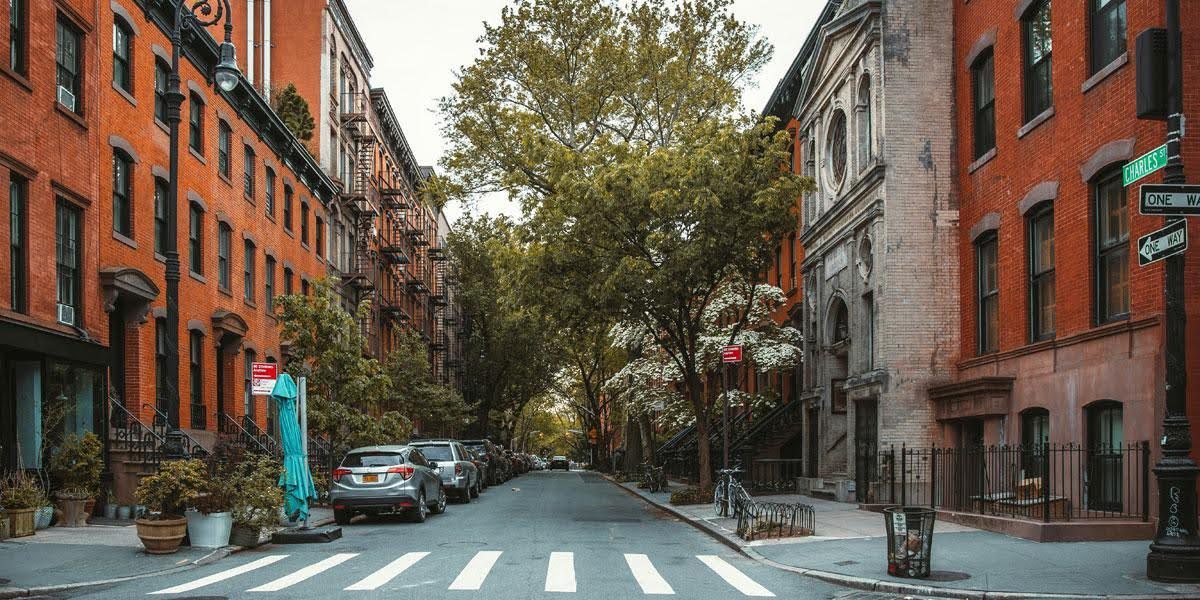
One of the most deliciously entertaining films set over one night, Scorsese vividly brings New York City to life, capturing its chaotic energy and unique character during the mid-1980s. The film serves as a time capsule of SoHo before it transformed into the commercialized tourist hub it is today. The director behind much-loved Hollywood classics set in the Big Apple, like Taxi Driver and Goodfellas, discovers his quirkier side as he confidently showcases the vibrant streets, eclectic nightlife, and artistic spirit of downtown Manhattan.
Each frame pulsates with the city’s rhythm, immersing viewers in an unpredictable urban landscape where the familiar and the bizarre coexist. This vivid depiction not only enriches Paul’s mad adventures but also reflects the essence of a city that is constantly evolving yet remains a character in its own right.
Locations include 28 Howard Street, the loft of sculptress Kiki Bridges (Linda Fiorentino), the now-demolished River Diner on 11th Avenue, a refuge Paul returns to as his night spirals out of control, and the Emerald Pub (formerly the Terminal Bar) on Spring Street, a once-vibrant Irish taproom where he mingles with an eclectic crowd. Another significant site is Spring Street Station. Paul struggles with fare hikes that leave him further isolated and broke before the film returns to where it began at Metropolitan Life Tower on Madison Avenue.
The film expertly highlights the stark dichotomy of New York during this era, where the lives of affluent yuppies and eccentric downtown dwellers are only a short cab ride apart. This juxtaposition underscores the tensions between social classes and lifestyles, with Paul moving between these worlds. Scorsese captures the surrealism of the night, where each encounter – whether with a waitress, an ice cream vendor, or a sculptor – adds to Paul’s labyrinthine journey through a city that feels simultaneously familiar and threatening. The unpredictable nature of his night mirrors the volatility of New York itself as Paul navigates a landscape filled with unexpected challenges and surreal experiences that reveal the underlying anxieties of urban life.
Moreover, the film’s structure reflects themes of entrapment and the city’s labyrinthine qualities. Critics have pointed out that Paul’s journey can be likened to a rat trying to escape a maze, with each character and scenario he encounters presenting new challenges that lead him deeper into confusion and peril.
The presence of strong female characters further complicates his experiences, reflecting an existential conundrum as Paul grapples with feelings of emasculation and vulnerability. Scorsese cleverly uses mythological symbolism to enhance this theme, with Paul often feeling like he is ensnared in an alluring and perilous world. In After Hours, New York is not just a backdrop but a vibrant, unpredictable force that shapes the characters and their fates, making it an integral part of the story.
SoHo as a Maze: Scorsese’s Metaphor for Isolation and Chaos
In After Hours, Scorsese turns New York City – and especially SoHo – into a character as vital as any human presence. The streets of 1980s Manhattan are more than mere backdrops; they become a surreal maze through which Paul stumbles, reinforcing the sense of entrapment that shapes his journey. Each landmark, from the iconic Spring Street Station to the dingy Terminal Bar, intensifies Paul’s sense of disorientation and vulnerability. These settings are not just locations but metaphors for his own psychological state, mirroring his confusion, isolation, and the unexpected twists that keep him further from the life he once knew.
The city’s raw, unpredictable energy underscores Paul’s struggle to escape a world that, though familiar, remains alien and unyielding. SoHo’s vibrant, often chaotic aesthetic is reflective of the volatile shifts in his night, where each corner of New York presents new social and existential challenges. As Paul moves through a series of strange and darkly humorous encounters, the city’s geography reflects his own inner turmoil, with each encounter adding layers to his complex, fractured experience of urban life.
Published by: Nelly Chavez