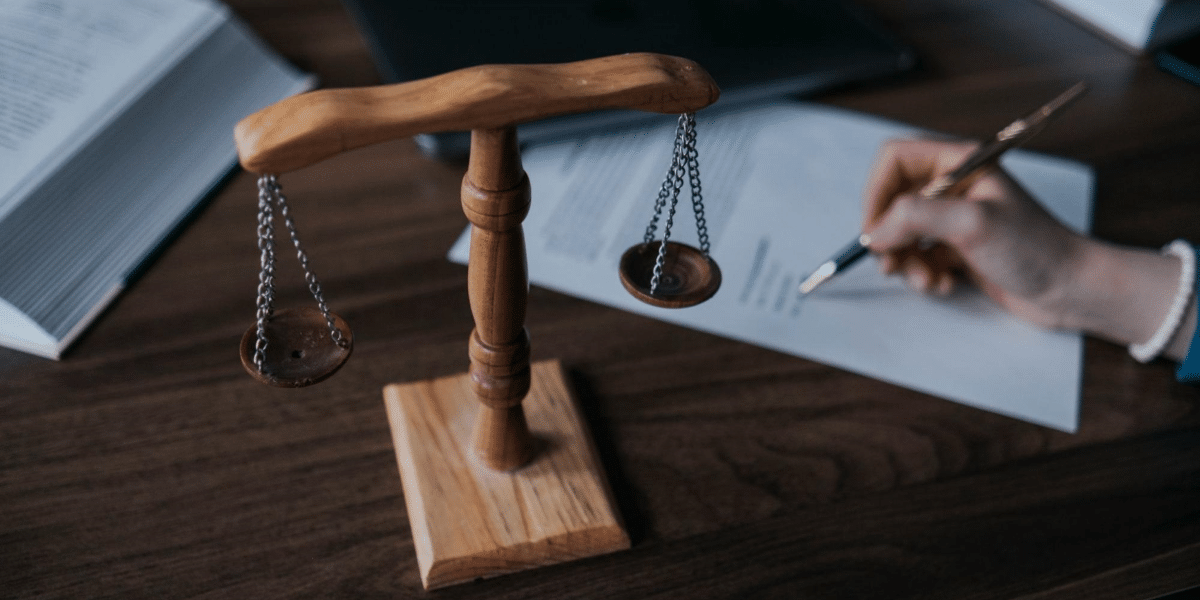


Navigating the complex world of criminal law requires skill, precision, and a deep understanding of legal intricacies. Criminal lawyers play a pivotal role in ensuring justice is served, whether they’re defending the accused or prosecuting a case. These legal professionals are the backbone of the justice system, advocating for their client’s rights while upholding the law.
In a society where legal issues can arise unexpectedly, having a knowledgeable criminal lawyer by one’s side is crucial. They not only offer legal representation but also provide guidance through the daunting legal process, helping clients understand their rights and options. With their expertise, they aim to achieve the best possible outcome in each case, making them indispensable in legal battles.
Understanding the role and responsibilities of a criminal lawyer sheds light on their importance in maintaining the balance of justice. Their dedication to defending the innocent and ensuring fair trials highlights the critical nature of their work.
Understanding the Role of a Criminal Lawyer
A criminal lawyer specializes in defending those charged with crimes, guiding them through complex legal processes to ensure fair treatment and justice.
Key Responsibilities
Criminal lawyers represent their clients from the investigation stage to potential appeals. They ensure clients’ constitutional rights are safeguarded throughout legal proceedings. Whether during arrests, charges, or court trials, these attorneys are critical defenders. They analyze evidence, negotiate plea deals, and develop defense strategies tailored to the specifics of each case.
Skills and Qualifications
Successful criminal lawyers possess strong analytical and communication skills. They understand legal procedures and laws detailedly, allowing them to construct persuasive arguments. Critical thinking and negotiation skills enable them to advocate effectively, whether they’re seeking reduced charges or defending cases in court. A law degree and passing the bar exam are essential for practicing, with specialized training in criminal law further enhancing their expertise.
Types of Criminal Lawyers
Criminal lawyers specialize in representing and prosecuting individuals in criminal cases. They are categorized primarily into two types: criminal defense lawyers and prosecutors.
- Public Defenders: Public defenders are state-employed criminal lawyers who represent individuals unable to afford private legal fees. They offer their services for free to the client, providing legal representation and advice. However, due to extensive caseloads, they might have limited time for each case. These attorneys work diligently to ensure fair trials for defendants who lack financial resources.
- Private Defense Attorneys: These criminal lawyers operate privately, representing defendants for a fee. They often manage fewer cases than public defenders, allowing more time for personalized attention to each client. They aim to disprove the prosecution’s evidence or negotiate plea bargains and build strong defenses. Private attorneys may possess specialized skills in certain areas of criminal law, offering tailored legal strategies.
In both roles, criminal lawyers play vital roles in the justice system by ensuring the defense of the accused.
Why Hire a Criminal Lawyer?
Hiring a criminal lawyer ensures knowledgeable representation when facing criminal charges. They play a critical role in navigating complex legal frameworks and protecting the rights of the accused.
Expertise in Criminal Law
A criminal lawyer possesses extensive knowledge of criminal law, enabling them to formulate strong defense strategies. Their familiarity with laws and procedures aids in identifying potential loopholes in the prosecutor’s case. They conduct detailed investigations, gather evidence, interview witnesses, and assess the prosecution’s claims to uncover weaknesses. This methodical approach strengthens the defense and enhances the chances of a favorable outcome.
Protecting Rights and Interests
A criminal lawyer is essential in safeguarding the defendant’s rights. They shield clients from unlawful searches and seizures and prevent unfair legal practices. By providing advice on when and how to communicate with law enforcement, they protect against self-incrimination and ensure their clients’ interests remain paramount throughout the legal process.
How to Choose the Right Criminal Lawyer?
Selecting a suitable criminal lawyer can significantly impact the outcome of a case. Several factors aid in making an informed decision, focusing on experience, reputation, and costs.
Evaluating Experience and Reputation
A criminal lawyer with extensive experience in handling cases similar to yours enhances the likelihood of a favorable outcome. Seeking those who have practiced criminal law for several years helps confirm this expertise.
- Inquire about their experience with similar cases and the outcomes they’ve achieved. Understanding past successes can offer insight into their capability.
- Verify whether they have specialized training or certifications relevant to your situation, as these can further empower their representation skills.
Local experience also informs the lawyer’s familiarity with the courts and legal system where the case is pending, offering strategic benefits. Regular appearances in the specific jurisdiction ensure knowledge of local judges, prosecutors, and legal customs.
Considering Costs and Fees
Costs associated with hiring a criminal lawyer vary based on the complexity of a case and the lawyer’s experience. Understanding these financial commitments upfront is crucial.
- Ensure transparent communication regarding their fee structure, whether it’s based on hourly rates, flat fees, or retainer agreements.
- Assess the overall cost in light of the lawyer’s experience and the potential value they bring to the case. Balancing budget constraints with the prospective quality of defense aids in making a sound choice.
Effective evaluation of a criminal lawyer’s experience, reputation, and financial requirements ensures robust legal representation, which is vital for navigating the complexities of criminal law.
Challenges Faced by Criminal Lawyers
Criminal lawyers navigate a demanding and often high-pressure environment requiring resilience and adaptability. They face the challenge of managing heavy caseloads while ensuring each client receives dedicated attention and a robust defense. Balancing the emotional toll of dealing with serious offenses and the need for objectivity is a constant struggle. Additionally, they must stay updated on ever-evolving legal statutes and precedents to effectively advocate for their clients. Despite these challenges, their commitment to justice and the protection of individual rights remains unwavering, making their role indispensable in the legal system.
Published by: Holy Minoza