
Aging is a natural process that everyone goes through, and with it comes changes in the skin that may require a shift in your skincare routine. By the time you hit your 40s, you may notice visible signs of aging, and if you haven’t already, this is the time to consider switching to an anti-aging cream. With excellent anti-aging creams for 40s, you can potentially slow down the appearance of wrinkles, improve skin texture, and enhance overall skin health.
This article will explore five signs that it’s time to consider adding an anti-aging cream to your skincare regimen.
1. Increased Fine Lines and Wrinkles
One of the first signs that it’s time to switch to an anti-aging cream in your 40s is the appearance of fine lines and wrinkles. While it’s normal to develop some wrinkles as you age, they can become more pronounced during your 40s, particularly around the eyes, forehead, and mouth. This happens because your skin’s natural collagen production starts to slow down, leading to a loss of elasticity and firmness.
How Anti-Aging Cream Can Help:
Anti-aging creams for 40s are formulated with ingredients like retinoids, peptides, and hyaluronic acid. These ingredients boost collagen production, hydrate the skin, and reduce the appearance of fine lines. Regular use of an anti-aging cream can help restore skin’s firmness and smoothness.
Tip: Look for creams with retinol, as it is one of the most effective ingredients for combating wrinkles. However, if you’re new to retinol, start with a lower concentration to avoid irritation.
2. Dry and Dull Skin
Persistent dryness or dullness is another sign it’s time to switch to an anti-aging cream. In your 40s, your skin’s ability to retain moisture diminishes due to decreased oil production. As a result, your skin may become rough, flaky, or lose its natural glow, making it appear tired and aged.
How Anti-Aging Cream Can Help:
An anti-aging cream rich in hydrating ingredients such as glycerin, hyaluronic acid, and ceramides can help replenish the moisture your skin is lacking. These creams provide hydration and help lock in moisture, giving your skin a more youthful and radiant appearance.
Tip: Avoid harsh alcohol or sulfate products, as they can further strip your skin of moisture.
3. Uneven Skin Tone and Dark Spots
In your 40s, the cumulative effects of sun exposure can start to manifest as dark spots, hyperpigmentation, or uneven skin tone. Known as age spots or sun spots, these are often caused by UV damage that your skin has accumulated over the years. Hormonal changes, particularly in women, can also contribute to pigmentation issues during this period.
How Anti-Aging Cream Can Help:
Look for creams that contain antioxidants like vitamin C, niacinamide, or glycolic acid. These ingredients help to fade dark spots and even out your skin tone by promoting cell turnover and protecting against environmental damage.
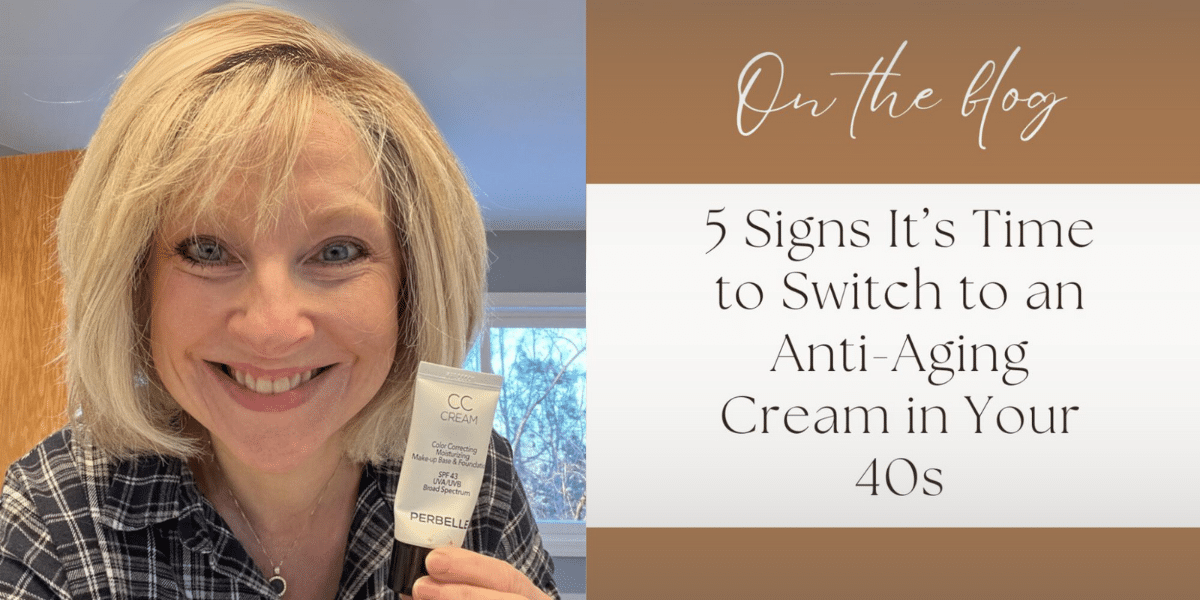
If you’re also looking for coverage and anti-aging benefits, a CC cream can be a great addition to your routine. CC creams not only provide color correction but often come infused with anti-aging ingredients like peptides and sunscreen for added protection.
Tip: Always apply a broad-spectrum sunscreen during the day, even if your anti-aging cream contains SPF. UV exposure accelerates skin aging and can reverse the progress made by your skincare products.
4. Loss of Skin Firmness
As you age, your skin’s production of collagen and elastin significantly slows down. By the time you reach your 40s, you may start to notice sagging, especially around the jawline and cheeks, as well as less-defined contours. This loss of firmness is one of the more challenging aspects of aging skin, as it can change the overall shape of your face.
How Anti-Aging Cream Can Help:
Excellent anti-aging creams for 40s contain ingredients that target collagen production and skin elasticity, such as peptides, retinoids, and stem cell extracts. These components can help firm and lift the skin over time, improving its structure and reducing the appearance of sagging.
Tip: Use an anti-aging cream in conjunction with facial massage or tools like a jade roller to stimulate blood circulation and enhance product absorption for better results.
5. Increased Sensitivity and Slower Skin Recovery
As your skin ages, it becomes more fragile and prone to irritation. In your 40s, you may find that your skin takes longer to recover from environmental stressors like pollution or sun exposure. It might also become more reactive to products that were once well-tolerated. Increased sensitivity, redness, or irritation could indicate that your current skincare routine is no longer meeting your skin’s needs.
How Anti-Aging Cream Can Help:
Anti-aging creams that include soothing and anti-inflammatory ingredients, such as niacinamide, green tea extract, or aloe vera, can help calm irritated skin while addressing signs of aging. Products that promote cell regeneration can also assist in faster skin recovery and reduce sensitivity over time.
Tip: If your skin becomes increasingly sensitive, try switching to fragrance-free, non-comedogenic formulations that are designed for aging skin. Avoid over-exfoliating, as it can exacerbate irritation.
Choosing the Right Anti-Aging Cream for Your 40s
When choosing the right anti-aging cream for 40s, consider products that address multiple signs of aging. Look for creams that contain a combination of the following key ingredients:
- Retinoids: Known for their ability to boost collagen production and reduce wrinkles.
- Peptides: Help build stronger skin structure and promote firmness.
- Hyaluronic Acid: An excellent hydrator that plumps the skin and smooths fine lines.
- Antioxidants: Vitamin C or E protects your skin from free radical damage.
- Sunscreen: Essential for preventing further UV-induced aging and protecting your skin.
Additionally, you might want to incorporate a CC cream for aging skin into your routine. It offers coverage while also targeting signs of aging with ingredients like SPF, antioxidants, and hydrating compounds.
Conclusion
Your 40s are a pivotal time for your skin, and switching to an anti-aging cream can help address the unique challenges that come with this age. Whether you’re seeing increased wrinkles, dry skin, uneven tone, or loss of firmness, the right anti-aging cream can make a significant difference in how your skin looks and feels.
Start by identifying the signs mentioned above and adjust your skincare routine accordingly. Remember that consistency is key—commit to using anti-aging products daily for the ideal results. With the right care, you can maintain a youthful, radiant complexion well into your 40s and beyond.
Published by: Nelly Chavez