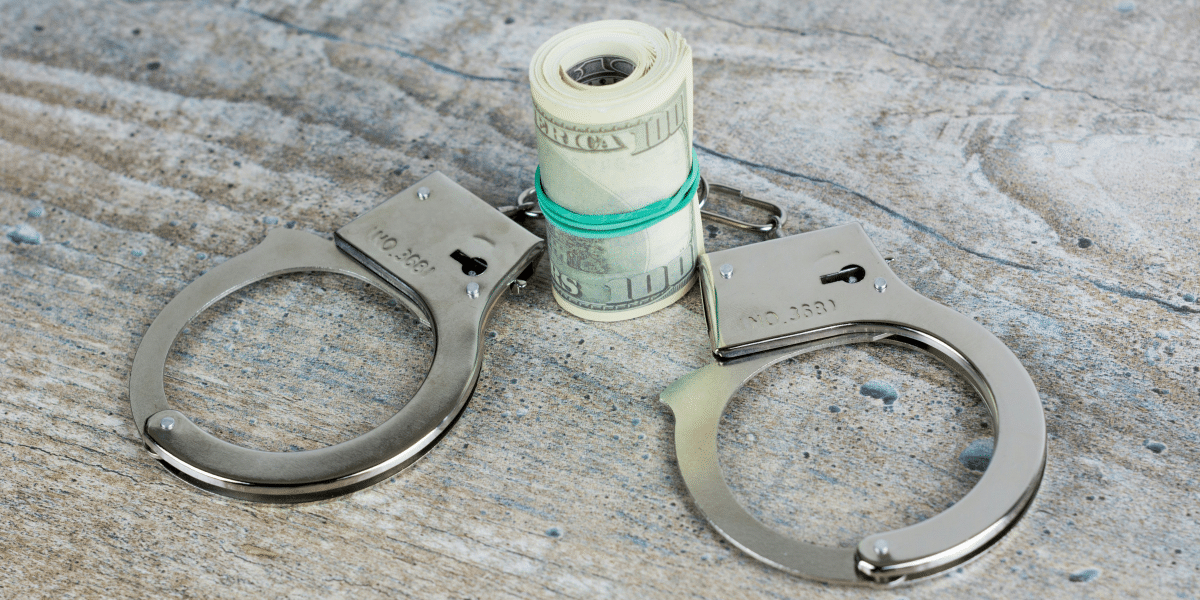

Explore the critical role of monetary bail in the criminal justice system, examining its impact on defendants, public safety, and the overall legal process.
Monetary bail is a crucial aspect of the criminal justice system. Yet, its role and impact often go under the radar.
Understanding the ins and outs of monetary bail can shed light on why some defendants walk free while others remain behind bars awaiting trial.
This blog post will explore its critical role in the criminal justice system.
Ensures Court Appearance
The primary purpose of monetary bail is to ensure that defendants show up for their court appearances. When a defendant posts bail, they are essentially making a financial promise to the court that they will return for all future proceedings.
Failure to appear can result in forfeiting the bail money and potentially facing additional charges. Bond forfeiture can also affect the defendant’s criminal case, with some judges considering it as evidence of guilt or a lack of respect for the court.
Prevents Pre-Trial Detention
Monetary bail also serves as a way to prevent pre-trial detention. Being held in jail before trial not only disrupts the defendant’s life but can also have serious consequences for their case.
Being incarcerated before trial has been linked to higher conviction rates and longer sentences. This can be even for those who are ultimately found innocent.
Assesses Flight Risk and Public Safety
In determining the amount of monetary bail, the court takes into account several factors, including:
- severity of the crime
- defendant’s past criminal record
- ties to the neighborhood
This process helps assess a defendant’s flight risk and potential danger to public safety. When out on bond, defendants are usually required to follow certain conditions. This can include regular check-ins with a probation officer or refraining from contact with victims or witnesses.
These conditions help monitor and mitigate any potential risks. So, if someone is doing an Indiana inmate search, for example — information on conditions of release and bond amounts may appear.
Economic Disparities
Unfortunately, monetary bail can also have a significant impact on low-income individuals and communities. Those who cannot afford to post bail may end up spending weeks or even months in jail before their trial, simply because they cannot pay the required amount.
This not only disrupts their lives but can also result in lost wages and potentially harm their case due to difficulty in gathering evidence and preparing for trial while incarcerated.
Potential for Reform
Recent years have seen a growing movement towards reforming the monetary bail system. This includes implementing risk assessment tools, alternatives to cash bail such as release on recognizance, and re-evaluating the use of monetary bail for low-level offenses.
While there is still much work to be done, these efforts aim to address issues of economic disparities and ensure that pre-trial detention is not used as a form of punishment.
Understand the Role of Monetary Bail
Understanding the role and impact of monetary bail in the criminal justice system is crucial. While there are ongoing efforts toward reforming the use of monetary bail, individuals need to educate themselves on this topic and advocate for fair and just practices within the criminal justice system.
So, let us continue to learn and have meaningful discussions about this important aspect of our legal system.
To read more, you can visit our blog page.
Disclaimer: “The content in this article is provided for general knowledge. It does not constitute legal advice, and readers should seek advice from qualified legal professionals regarding particular cases or situations.”
Published by: Holy Minoza