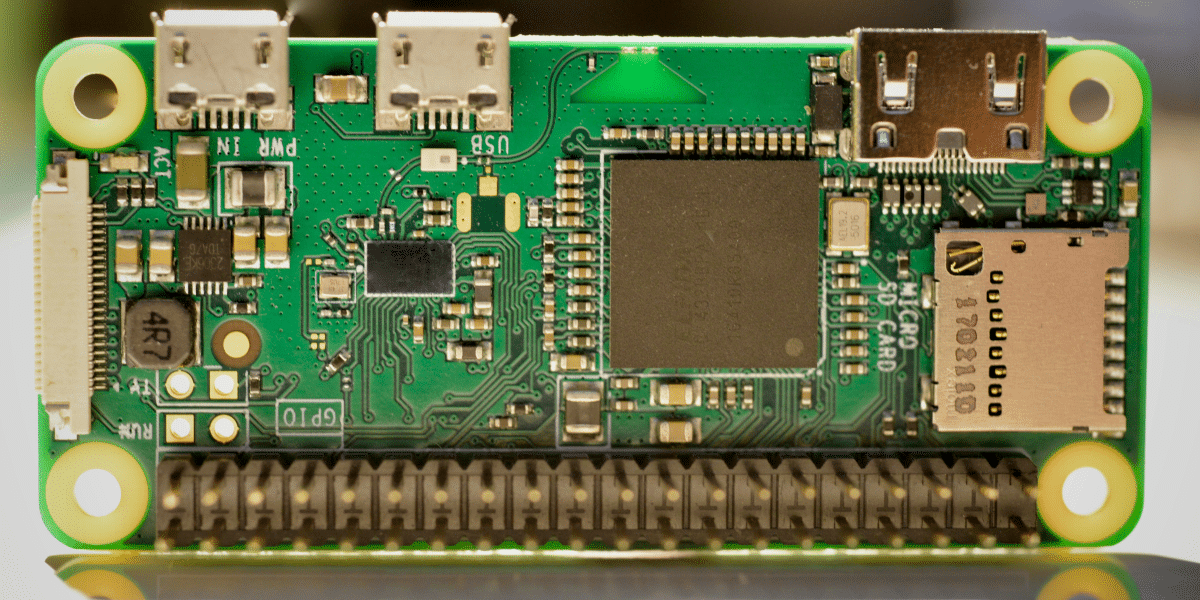

Printed Circuit Boards commonly abbreviated as PCBs are very important in electronics. They are at the center of the assembly of nearly all the electronic products that are on the market today. PCBs play a great role in daily used gadgets such as smartphones and computers and longitudinally in medical devices and industrial machines that interconnect their components to produce a unified body. The quality of printed circuit boards is very important when it comes to general production procedures. They offer productivity, dependability, and effectiveness to various forms of electronics.
The Uses of PCBs in Electronics
An essential part of every electronic device is a PCB since it facilitates the proper connection of various segments of the circuit. PCB facilitates the flow of communication between the components such as resistors, capacitors, and microchips that make up the device to function as required.
Foundation for Components: PCB is a base in which all the electronic components are fixed and soldered to establish a connection. The pathways that exist between these parts are called traces and they transmit electrical impulses. It is a general consideration that if the PCB is not designed or manufactured perfectly then the whole device could go wrong.
Customization: Another thing that may be easily identified with PCBs is the fact that they can be designed according to the needs of a certain product. It permits engineers to design the various electronics required in people’s everyday lives and also for industrial use.
High-quality PCBs: The Effects
When PCBs come out as high quality, the following benefits are realized in the actual production. It can be said that the importance of these benefits when introducing them shifts towards the appreciation of their impact on the product and the business.
Reliability: Defective PCBs may include short circuits, non-functional parts, or even low-quality circuit boards as compared to high-quality ones. This is important, particularly in areas of usage such as medical electronics or aerospace in which device failure may lead to catastrophic results.
Durability: Use of the right materials and techniques ensures that the PCB can endure various conditions of the environment including heat, humidity, or any force of pressure. This durability is requisite for devices that are required to perform within precarious circumstances such as in open-air plants and vehicles or automotive electronics.
Improved Performance: Such PCBs improve the signal transmission speed and therefore enhance the performance of the intended electronic device. This is very much the case in modern computers or other communication devices where fast operation is essential. Various manufacturers like UETPCB Manufacturers are able to produce high quality PCB for electronics.
Designing High-Quality PCBs
The design methodology that is employed has a very big impact on the quality of a PCB. There are certain factors that engineers have to put into consideration to design a board that will be effective within the end product.
Proper Layout: As for the peculiarities of the PCB design, it is extremely important where the components are placed. Ample separation is equally important as it reduces interferences in signal transfer while the electrical components’ flow is smooth. The designers have to think about how one part will interface with the other so as not to cause a problem such as overheating or power failure.
Signal Integrity: It is the responsibility of engineers to make sure that the electrical signals that pass through the PCB conduct them in the right manner. This entails laying down of correct trace sizes and separation and bearing in mind the total electrical burden of the device.
Thermal Management: Electro components produce heat at their operational times. A proper PCB design for such applications considers this in that heat can easily be dissipated. This helps to reduce any possible harm to the components and thus makes the device last for quite a long time.
Manufacturing High-Quality PCBs
Once in the design phase, the next process it undergoes is the manufacturing of the PCB. It is during this step that the actual board is created and the qualities that define it are established by the kind of materials that are utilized and the methods applied.
High-Quality Materials: PCB needs to be constructed out of sturdier material; for instance, FR-4 which stands for a flame-resistant material usually used.
Precision in manufacturing: Due to this the production process must be precise. Even slight errors in positioning the layers of the PCBs or characteristic features like the traces may cause the product to fail. The application of proper machinery and implementation of a quality control mechanism ensures that all the PCBs being manufactured are of the desired quality.
Testing and Inspection: Every manufactured PCB ought to be tested properly. This makes it possible to check on circuit integrity so that none of them has defects such as broken traces or poor contacts. The testing prevents non-functional boards from reaching the final product and helps to save time and money in the long run.
Where PCBs Fit in the Progress of Industries
PCBs of higher quality do not only refer to individual products but are essential in the development of the electronics market in general. The functionality, durability, and effectiveness of the electrical appliances are measured by the standard of the PCBs.
Innovation: With the increased need for higher-powered slim devices, PCBs are in high demand for high quality. The evolution of technologies such as 5G networks and artificial intelligence put pressure on PCBs to be faster and more capable of handling high amounts of data.
Global Competition: PCB buyers who are willing to spend a little more and get a quality product in return do that and this puts the company in a strategic position in a competitive market. Their products are more efficient, and durable, and are barely associated with recalls or customers’ complaints. It also enhances consumers’ perception of their products or services while at the same time expanding their customer base.
Conclusion
The role of high-quality PCBs in the electronics industry cannot be overemphasized, from the design process to the manufacturing process. It comprises the building blocks of all the current electronic devices and ensures dependability, longevity, and efficiency. Thus, the requirements for high-quality PCBs are likely to grow as the overall levels of technology develop. Those companies that pay attention to the question of PCB quality will receive more chances for development in the sphere of electronics and be more successful in it. By a combination of proper design, material choices, and proper manufacturing control, organizations will be able to achieve high standards to meet the market demands of the growing technological world.
Published by: Holy Minoza