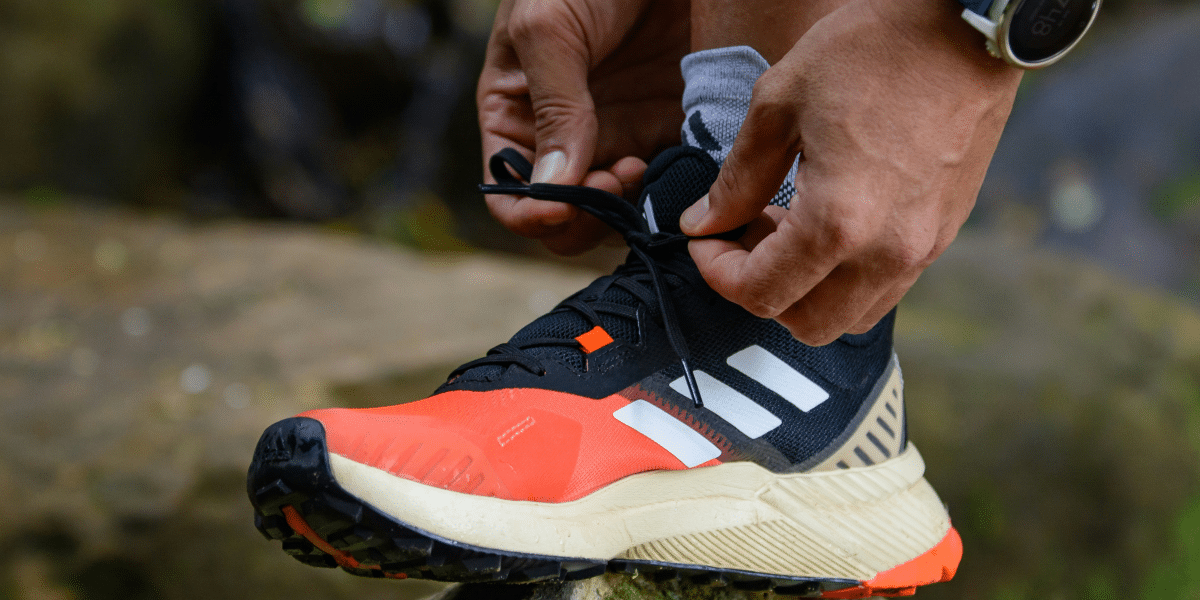

When embarking on a trail adventure, your choice of footwear can make or break your experience. The right shoes or boots provide the necessary comfort, support, and protection, enabling you to fully enjoy your hike. This guide explores the essential factors in choosing the right footwear for trail adventures.
Understanding the Terrain
Before selecting your footwear, it’s crucial to understand the type of terrain you’ll be traversing. Trails vary widely in terms of difficulty, surface, and weather conditions. For instance, a well-maintained, flat trail in a temperate climate requires different footwear than a rugged, rocky path in a region prone to sudden downpours.
For easy, flat trails, lightweight hiking shoes or trail runners may suffice. These shoes offer flexibility and breathability, making them ideal for long-distance hikes on even ground. They typically feature a low-cut design, providing freedom of movement while still offering adequate support.
Conversely, for more challenging terrains with rocks, roots, and uneven surfaces, mid- to high-cut hiking boots are recommended. These boots provide additional ankle support, crucial for preventing injuries on rough trails. They also offer better protection against debris and moisture, keeping your feet dry and secure.
In wetter environments or when hiking through streams, consider waterproof footwear. Many hiking boots and shoes come with waterproof membranes like Gore-Tex, which keep water out while allowing your feet to breathe. This feature is especially important in preventing blisters and other foot problems caused by prolonged exposure to moisture.
Prioritizing Comfort and Fit
Comfort and fit are paramount when choosing trail footwear. Ill-fitting shoes can lead to a host of problems, including blisters, bruised toenails, and sore feet, which can quickly turn a pleasant hike into a painful ordeal. Thus, it’s essential to take the time to find the perfect fit.
Start by trying on shoes at the end of the day when your feet are naturally more swollen. This ensures you get a realistic sense of how the shoes will fit during a hike. Wear the same socks you plan to use on the trail to get an accurate feel for the fit. Your hiking socks should be moisture-wicking and cushioned, adding another layer of comfort and protection.
When trying on hiking footwear, pay attention to several key areas. Your toes should have enough room to wiggle freely without feeling cramped. There should be a thumb’s width of space between your longest toe and the front of the shoe to prevent bruising on downhill sections. The heel should fit snugly without slipping, as this can cause blisters.
Insoles and footbeds are also important considerations. Many hiking shoes and boots come with removable insoles, allowing you to replace them with custom orthotics or more supportive options if needed. A good insole can enhance comfort, provide better arch support, and improve overall fit, contributing to a more enjoyable hiking experience.
Durability and Material
Durability is another critical factor in choosing the right footwear for trail adventures. The materials and construction of your shoes or boots will determine how well they hold up under various conditions and how long they last.
Leather and synthetic materials are the most common choices for hiking footwear. Full-grain leather boots are known for their durability and excellent water resistance. They are ideal for long, tough hikes and can last for many years with proper care. However, they require a longer break-in period and are typically heavier than their synthetic counterparts.
Synthetic materials, such as nylon and polyester, are lighter and often more breathable than leather. They also tend to dry faster, making them suitable for warmer climates and wet conditions. However, synthetic shoes may not be as durable as leather and might wear out more quickly on rugged trails.
Another aspect to consider is the outsole, which provides traction and stability. Look for shoes with deep lugs and a durable rubber compound that can grip various surfaces, from loose gravel to wet rocks. Vibram outsoles are a popular choice among hikers due to their excellent traction and durability.
Selecting the right footwear for your hiking adventures ensures comfort and support, crucial when preparing for a big hike. By understanding the terrain, prioritizing comfort and fit, and considering durability and materials, you can find the perfect pair of shoes or boots to accompany you on all your trail adventures. Whether you’re a seasoned hiker or a novice explorer, the right footwear can enhance your experience and help you tackle any trail with confidence.
Published by: Holy Minoza