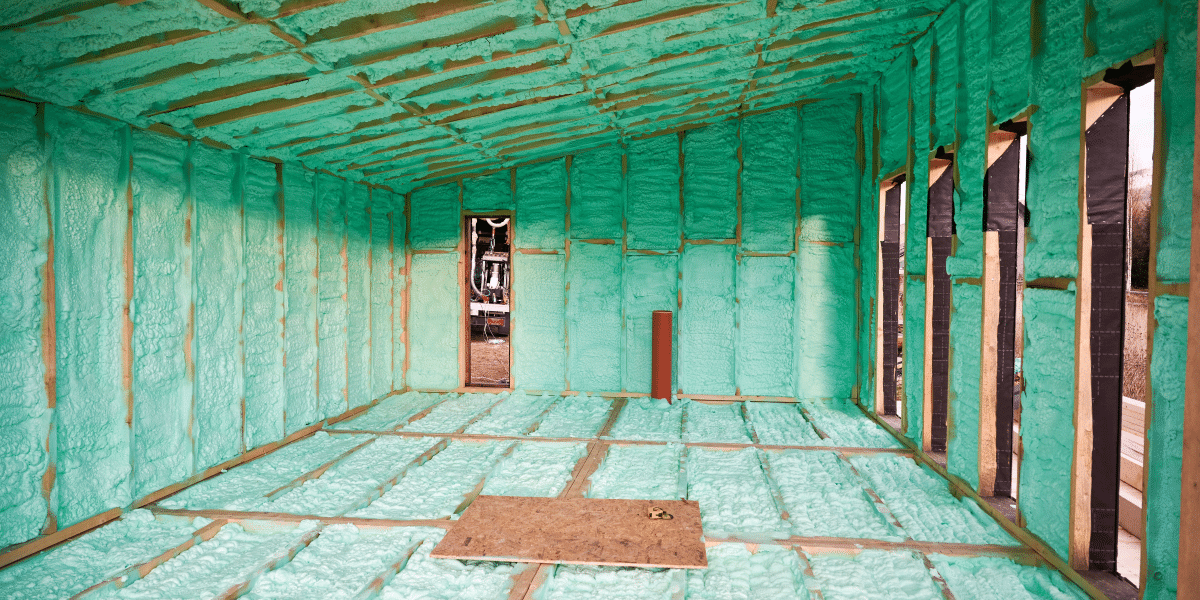

Are you thinking about tackling your interior wall insulation project? Great! But before you dive in, beware of the common pitfalls that can turn a simple job into a major headache.
Whether you’re a DIY newbie or a seasoned pro, avoiding these mistakes will save you time, money, and frustration. But how exactly do you avoid them?
Keep reading to find out!
1. Disregarding the Planning Phase
You’ll likely face issues like improper installation and inaccurate measurements without a proper plan. Both of these can result in:
- poor insulation performance
- higher energy bills
- wasted materials
Taking the time to plan your project ensures you have the right tools and materials. It also allows you to follow a step-by-step process that minimizes errors. So, don’t rush; plan to set yourself up for success.
2. Wrong Material Selection
Different materials have different properties and are suitable for various conditions. If you pick the wrong type, you might end up with poor thermal performance, which can make your home less energy-efficient.
Also, some materials are more prone to mold and moisture issues. So make sure to consider factors like:
- R-value
- moisture resistance
- ease of installation
With these things in mind, you can choose the material for your needs.
3. Ignoring Safety Precautions
When working with insulation materials, it’s crucial to wear protective gear. This includes gloves, safety goggles, and a face mask to avoid inhaling harmful particles. Failing to do so can result in:
- skin irritation
- respiratory issues
- serious injuries
Additionally, make sure your work area is well-ventilated. Proper safety measures will protect you and ensure a smoother process. Don’t underestimate the importance of safety – your health depends on it.
4. Skipping the Use of Spray Foam Insulation Kits
These spray foam kits provide superior coverage and fill small gaps and cracks that other materials might miss. Ignoring their use can result in less effective insulation.
This may also lead to drafts and higher energy costs. Spray foam also adds an extra layer of moisture protection, reducing the risk of mold.
So, if you want to achieve maximum efficiency in your insulation project, prepare spray foam insulation kits in advance. This ensures you can effectively seal gaps and cracks, providing continuous insulation.
5. Not Using a Vapor Barrier
Vapor barriers are essential for preventing moisture from seeping into your walls. Without one, you risk developing mold and mildew issues.
Additionally, these problems can lead to long-term damage and health concerns. So, when using the DIY method, always include a vapor barrier to keep your insulation dry and effective.
This small step will save you from potential headaches and costly repairs.
- Overstuffing the Insulation
When insulation is packed too tightly, it loses its ability to trap air and provide proper thermal resistance. This can lead to:
- reduced energy efficiency
- higher heating and cooling costs
- potential for moisture buildup
Instead of overfilling, install the insulation to fit snugly without being compressed. This ensures the material can perform as intended, providing insulation benefits.
Mistakes to Avoid When Doing Your Interior Wall Insulation
Avoiding these common mistakes can ensure your interior wall insulation project is a success. By being aware, you’re already on the right path. So take your time, plan well, and don’t cut corners.
Ready to get started? Gather your materials and safety gear. Remember, quality work today means fewer issues tomorrow. Happy insulating!
Published by: Holy Minoza