
Key Points to Remember:
- Toys featuring farm animals and playsets can be aids.
- Encouraging children to engage in pretend play helps them grasp the essence of farm life and animal welfare.
- Combining play with hands-on experiences enhances the learning process.
Introducing Children to Farm Life Through Play
Farm life offers lessons. Introducing kids to these concepts through play not only makes learning but also reinforces their understanding. Toys such as farm animal figurines and playsets can make this educational journey both entertaining and enlightening. Play allows children to delve into the intricacies of agriculture and animal care in a way that’s natural and enjoyable. By simulating real world scenarios kids can easily grasp ideas.
Children tend to absorb information when they are having fun so what better way to educate them about the nuances of farm life than through imaginative play? This approach seamlessly blends entertainment with education bridging any gaps in knowledge efficiently. Additionally farm animal toys can be incorporated into approaches be it structured lessons or open-ended playtime making them versatile tools for a child’s learning process.
The Advantages of Farm Animal Toys
Farm animal toys offer a gateway for teaching children about facets of farming practices and caring for animals.
These playthings are crucial for enhancing a child’s thinking and physical abilities. Kids can engage in roles, settings and farming tasks acquiring a range of skills and knowledge along the way.
Enhancing Physical Abilities
Playing with animal figures can assist children in developing motor skills like gripping, stacking and arranging. This lays the groundwork for activities in the future such as writing and fastening garments. Engaging in tasks that involve picking up and placing toys helps improve hand eye coordination providing a method to enhance nimbleness.
Stimulating Cognitive Skills
Incorporating farm animal figurines into play aids in grasping concepts and retaining information. Children learn about animal names, sounds, behaviors expanding their vocabulary and deepening their understanding of ecosystems. This form of learning nurtures curiosity and exploration making kids more eager to delve into topics like biology and environmental science.
Promoting Creative Play
Imaginative play holds importance in a child’s growth. By utilizing farm animal toys children can construct scenarios mimicking real life farm tasks. They can pretend to be farmers, veterinarians or even the animals themselves fostering innovation and critical thinking abilities. Engaging in pretend play enables children to view situations from angles and practice empathy.
Engaging in stories and imaginative play can also enhance language abilities in children. Their vocabulary broadens as they narrate their scenarios and activities. For instance, enacting a day in the life of a farm laborer can introduce the concepts of tasks and accountability in an educational manner. This type of make-believe play also fosters skills by promoting cooperation and teamwork among children.
Interactive Experiences
Augmenting toy play with hands-on activities enriches a child’s comprehension of farm life. The blend of creative learning opportunities offers an educational strategy.
Exploring a Local Farm
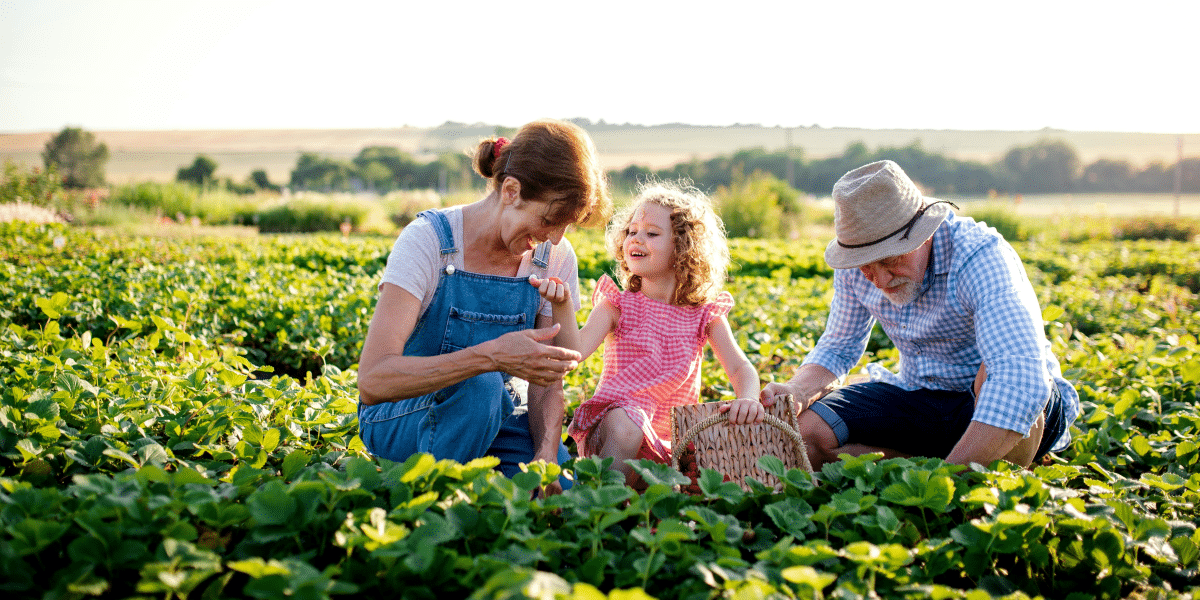
Bringing children to a farm can ground their make-believe games into reality. They interact with animals grasping their size and behavior. Genuine interactions with animals can greatly enhance children’s empathy and sense of duty. Stepping outside their surroundings to witness the liveliness of a working farm can be an adventure.
Backyard Gardening
Transforming a section of your backyard into a vegetable garden enables kids to grasp plant growth cycles. They observe the stages from planting to harvesting reinforcing what they’ve explored through play.
Watching plants grow can also help kids understand the importance of being patient and witnessing the cycle of life. Taking care of living plants daily while gardening can instill a sense of responsibility in them.
Educational Tools and Activities
To enhance learning there are tools and activities available. Websites and apps focused on agriculture offer learning opportunities. For example, some provide a range of resources to educate children about farming and agriculture. These resources often feature activities designed to make learning enjoyable and interactive.
These tools commonly include entertaining activities like puzzles, quizzes and videos that make learning about farming exciting for children. Interactive games can also help reinforce what kids have learned through hands-on experiences. By incorporating resources children can experience an approach to traditional farm education making it relevant and engaging for today’s tech savvy generation.
Safety And Quality Considerations
When choosing farm animal toys, it’s important to prioritize safety and quality aspects. Ensure that the toys are made from toxic materials suitable for the child’s age group. Opt for toys that are easy to clean. High quality toys not only last but also create a safe playing environment for children contributing to a stress free and enjoyable learning journey.
Investing in quality toys ensures that they stay in shape, with long term use.
In Summary
Including farm animal toys and playsets in children’s routines can be incredibly educational. These toys help foster skills and provide a fun hands-on way to explore farm life. When paired with real life experiences and quality educational materials these toys offer a rounded learning journey. Allowing children to delve into farm life from angles can instill an admiration and comprehension of agriculture.
The combination of play and real-world elements gives children a learning experience that’s both effective and enjoyable. By exposing them to diverse aspects of farm living you lay the groundwork for an appreciation and respect, for the labor and commitment involved in farming.
Published by: Khy Talara