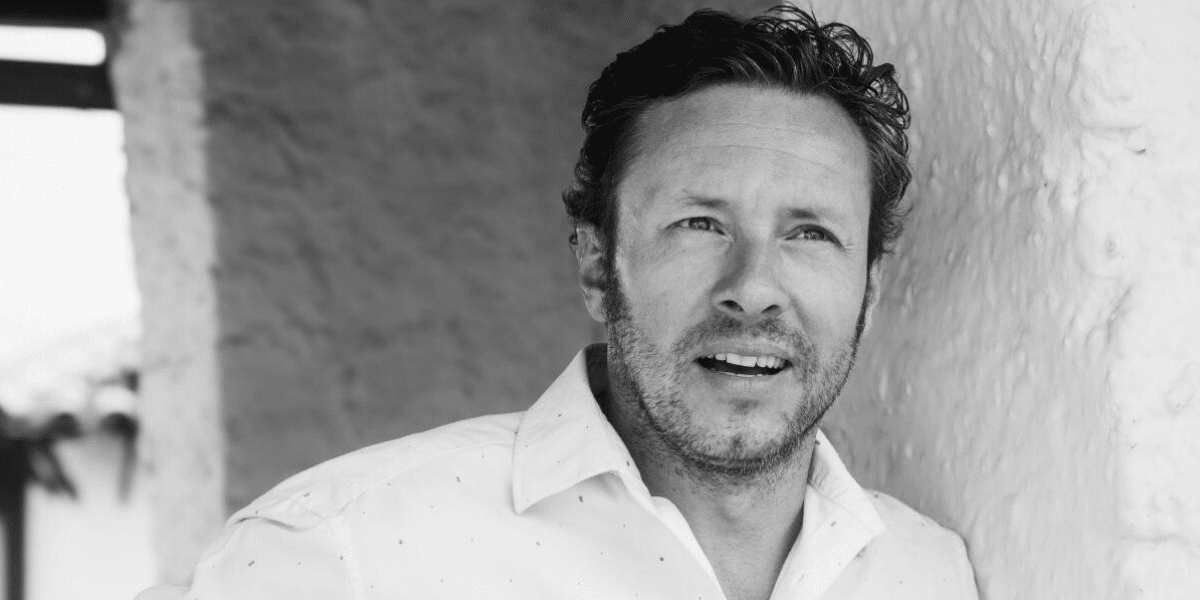

By: Maria Williams
In the heart of Colombia, where stories of El Dorado still ignite the imagination, Pedro Manuel Latiff is working on something extraordinary. Introducing Escapology, a new development that combines comfort, luxury, and eco-friendly design. Set in a beautiful town near the Colombian capital, this project reflects Latiff’s years of experience and creative vision, aiming to transform how people think about upscale living and travel.
Escapology isn’t just another development; it’s a place designed for families and visitors looking for unique experiences. With a convention center, hotel, and stylish apartments, every part of this project offers top-notch luxury while being kind to the environment. Located by a stunning lake, Escapology invites you to enjoy nature to the fullest. Imagine large terraces perfect for BBQs and family gatherings, breathtaking sunset views, and relaxing in a jacuzzi while soaking in the beauty around your home.
Pedro Manuel Latiff’s goal goes beyond creating a luxurious living space; he wants to turn this place into a tourist destination that showcases Colombia’s natural beauty. By using materials that integrate seamlessly with the surroundings, Escapology creates a sense of connection with nature. Latiff shares his inspiration, design approach, and what this means for the future of architecture in Colombia.
What initially drew you to architecture and interior design, and how has your passion evolved over the years?
Pedro Manuel Latiff: I found myself face-to-face with architecture in my 6th semester of university. I decided to go to Argentina for a semester abroad, where my perspective and scale of design changed. I began integrating my knowledge of industrial design into architecture, starting from problem formulation to problem-solving methodologies, always centered around the user and their needs. Afterward, I specialized in interior design in Australia at Swinburne University. This study further defined my design approach, which I continue to apply to each project today. Australia opened my eyes and inspired me to continue researching globally while acting locally.
How do you balance the demands of large-scale projects like Escapology with your personal life?
Pedro Manuel Latiff: Balancing the demands of large-scale projects like Escapology with my personal life is all about finding harmony through creativity and organization. I thrive on prioritizing tasks, managing time efficiently, and setting clear boundaries. It’s about embracing challenges with passion while making time for what rejuvenates me outside of work—whether it’s exploring new inspirations, enjoying time with loved ones, or pursuing personal hobbies. This balance not only fuels my creativity but also ensures that every project, big or small, reflects my dedication and zest for design.

Photo Courtesy: Pedro Manuel Latiff
Can you describe a moment in your career that fundamentally changed your approach to design?
Pedro Manuel Latiff: I understand the importance of anthropometry in design, where human interaction is crucial. If the space is not tailored to the end user, usability issues can arise, leading to negative experiences. Design is not a whim; it results from deeply understanding the client and translating their needs into colors, textures, and materials.
Design is a synergy of physical and mental activities, teamwork, and hours of creativity. It’s essential that every design is feasible and can be implemented within a budget agreed upon with the client. This comprehensive approach to design ensures not only functionality and aesthetics but also satisfaction for the end user, creating spaces that truly enhance the quality of life and user experience.
What keeps you motivated when facing challenging projects or creative blocks?
Pedro Manuel Latiff: When facing challenging projects or creative blocks, several things keep me motivated:
1. Passion for Design: My inherent passion for design fuels my motivation. I remind myself why I started and the impact well-executed design can have.
2. Problem-Solving Mindset: I approach challenges as opportunities to innovate and problem-solve. This mindset encourages me to find creative solutions.
3. Inspiration from Others: Drawing inspiration from other designers, artists, or successful projects can ignite new ideas and perspectives.
4. Breaks and Reflection: Taking breaks allows me to recharge mentally and gain fresh insights. Reflecting on past successes also boosts confidence and motivation.
5. Collaboration and Feedback: Engaging with colleagues or seeking feedback from clients fosters collaboration and helps refine ideas.
How do you incorporate sustainability into your daily life beyond your professional work?
Pedro Manuel Latiff: Incorporating sustainability into daily life goes beyond professional endeavors and encompasses conscious practices such as reducing waste through reusable items and minimizing single-use plastics. Conservation efforts include energy-saving measures and water efficiency while purchasing habits prioritize locally sourced and organic products, supporting businesses committed to sustainability. Fostering social sustainability involves educating oneself and others about environmental issues and advocating for policies that promote a sustainable future for all. These efforts collectively contribute to environmental and social well-being, fostering a more sustainable and inclusive society with a focus on achieving a carbon-neutral footprint.
Who are your biggest influences in architecture and design, and how have they shaped your career?
Pedro Manuel Latiff: My career has been deeply influenced by a diverse array of architectural and design visionaries. Architects like Frank Lloyd Wright have inspired me with their organic integration of buildings into their natural surroundings, emphasizing harmony between humanity and the environment. Additionally, the minimalist approach of Ludwig Mies van der Rohe has taught me the power of simplicity and the elegance of functional design. Designers such as Dieter Rams have influenced my thinking with their emphasis on user-centered design and the importance of sustainability. Moreover, the Nordic design trend has also played a significant role, with its focus on clean lines, functionality, and connection to nature, which aligns closely with my own design ethos. These influences collectively shape my career, guiding me to innovate sustainably and create spaces that harmonize beautifully with their users and environments.
Published by: Holy Minoza