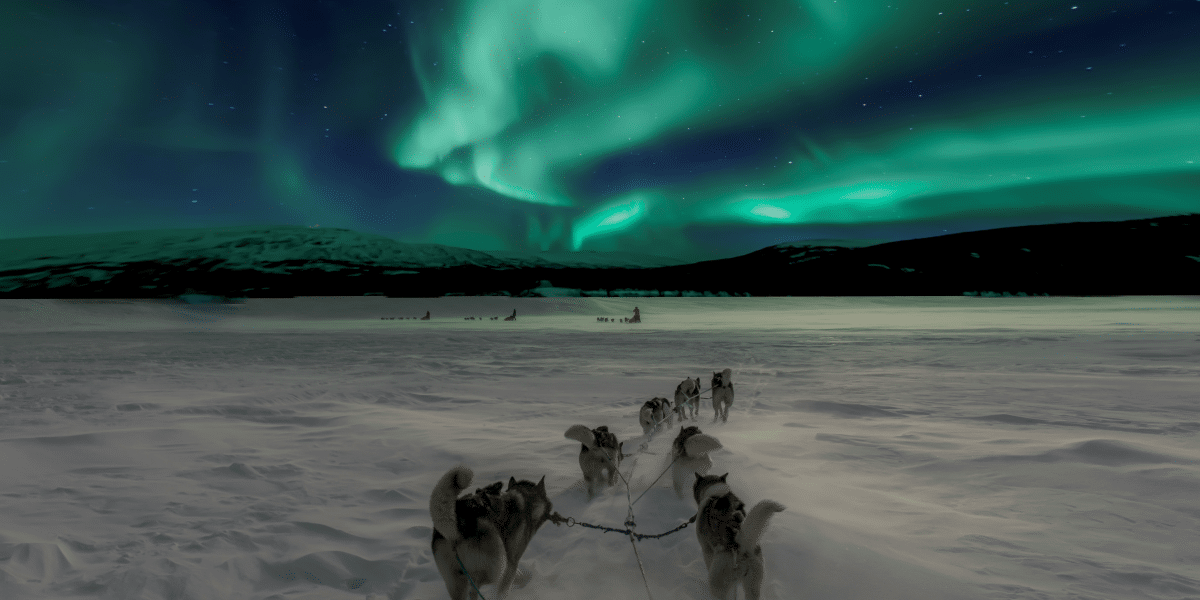

Discover the places to witness the Northern Lights holiday phenomenon, from the Arctic wilderness of Scandinavia to the rugged landscapes of Iceland, and learn how to plan your Northern Lights adventure for optimal viewing conditions.
The Northern Lights, also known as Aurora Borealis, are a stunning celestial display that captivates observers with its vibrant colors stretching across the night sky. This natural light show is a result of solar particles colliding with atmospheric gasses, such as oxygen and nitrogen, leading to bursts of light that can range from subtle glows to dramatic streaks of green, purple, pink, and sometimes even red. The phenomenon is visible in the magnetic polar regions of the Northern Hemisphere, where geomagnetic activity is strongest and interacts more frequently with solar particles.
The visibility of the Northern Lights is highly dependent on several factors, including geomagnetic activity, geographic location, and the time of year. The polar winter, spanning from September to April, provides the longest nights and the conditions for viewing this spectacle, especially in areas situated around the Arctic Circle. During this period, the Earth’s orientation allows for more intense interactions between solar particles and the atmosphere, creating more frequent and vivid displays. Locations within the Arctic Circle, such as parts of Norway, Finland, and Iceland, are renowned for their Aurora Borealis visibility, offering observers a front-row seat to one of nature’s extraordinary shows.
Understanding Aurora Borealis
The Aurora Borealis, or Northern Lights, is a captivating natural phenomenon that occurs when charged particles from the sun collide with gasses in Earth’s atmosphere, resulting in a spectacular display of lights in the sky. The colors of these lights vary depending on which gas particles are involved in the collisions. Oxygen molecules located about 60 miles above the Earth produce green, the common color, and sometimes red auroras, while nitrogen molecules cause blue and purple hues to appear. This interaction not only depends on the type of gas but also on the altitude at which these collisions occur, with higher altitudes favoring reds and lower altitudes giving rise to greens and purples.
The frequency and appearance of the Northern Lights are heavily influenced by the solar wind, a stream of charged particles flowing from the sun, and how it interacts with Earth’s magnetic field. When the solar wind is stronger, it can disturb the magnetosphere more, leading to more intense and frequent auroral displays. The strength of these geomagnetic storms is often measured by the Kp index, which helps predict the likelihood of auroral activity. The term “Aurora Borealis” reflects the ethereal nature of this phenomenon, combining the name of the Roman goddess of dawn, Aurora, with the Greek term for the north wind, Boreas, signifying its occurrence in the northern latitudes and its breathtaking beauty that has fascinated humans throughout history.
Ideal Timing and Conditions for Viewing
Determining the ideal moment to experience the Northern Lights involves understanding both celestial and terrestrial conditions. The auroras are vivid during periods of heightened solar activity, part of an approximately 11-year cycle known as the solar cycle. This cycle influences the frequency and intensity of solar winds that interact with Earth’s magnetosphere, leading to more spectacular auroral displays. For enthusiasts aiming to catch this breathtaking phenomenon, the years nearing the peak of the solar cycle are particularly promising. However, solar activity alone does not assure visibility; atmospheric conditions play a pivotal role as well. Clear, dark skies significantly enhance the chances of witnessing the auroras. Light pollution, emanating from urban centers, can obstruct the clarity of these celestial dances, thus remote locations with minimal artificial light are preferred viewing spots. The importance of darkness explains why the Northern Lights are more commonly observed from September to April, when nights are longest in the auroral zones.
The KP index serves as a crucial forecasting tool for aurora watchers. This index quantifies geomagnetic activity on a scale from 0 to 9, with values of 5 or above signaling strong geomagnetic storms that can expand the visibility of the auroras further towards the equator. A higher KP index suggests not only a greater probability of aurora appearance but also the potential for these lights to be observed over a wider geographical area. This metric, combined with local weather forecasts to ensure clear skies, helps enthusiasts and scientists alike to predict the nights for aurora viewing. It’s important for observers to monitor this index in real-time, as auroral displays can be both sudden and ephemeral, often requiring readiness to venture out at short notice for the mesmerizing views.
Unique Experiences and Accommodations
In the quest for the Northern Lights, the choice of accommodation can elevate the experience from memorable to extraordinary. For instance, the ICEHOTEL in Jukkasjärvi, Sweden, stands out not only as a prime location for aurora viewing but also for its remarkable architecture of ice and snow. Guests sleep in rooms where the walls, beds, and even glasses at the bar are sculpted from ice, offering an immersive Arctic experience like no other. This unique setting provides a serene vantage point for observing the Northern Lights, allowing guests to marvel at the celestial display from the comfort of their ice-crafted rooms.
Beyond the icy allure of Sweden, Rovaniemi in Finland offers a distinctly magical Northern Lights adventure, especially appealing to families and those young at heart. Dubbed as Santa’s official hometown, Rovaniemi enchants visitors with its blend of Lapland’s folklore and vibrant Christmas spirit, all under the glow of the auroras. The opportunity to combine a visit to Santa Claus Village with Northern Lights excursions makes Rovaniemi an attractive winter destination. Here, the adventure extends beyond aurora watching to include husky sledding, reindeer safaris, and encounters with the rich Sami culture, providing a comprehensive Arctic experience.
Planning Your Northern Lights Adventure
The anticipation of witnessing the Northern Lights requires planning, especially when it comes to finding the time and place for this celestial display. Utilizing predictive tools such as the OVATION Aurora Forecast Model is a critical step in this planning process. This model provides forecasts on aurora probabilities, taking into account the current solar activity levels, which can significantly influence the visibility of the Northern Lights. By consulting such tools, travelers can better align their trips with periods of heightened geomagnetic activity, thereby increasing their chances of experiencing this natural wonder.
The demand for accommodations in prime Northern Lights viewing areas spikes during the peak seasons, from September to April. To avoid the inconvenience of last-minute bookings, securing your stay well in advance is strongly recommended. This ensures not only comfort but also the strategic advantage of lodging in locations that offer the chances of aurora sightings. Local tour operators play an invaluable role in enriching your Northern Lights adventure. With their expertise and knowledge of the area, they can guide you to optimal viewing spots that might be less known to the general public but offer spectacular views of the auroras. Engaging with these operators not only enhances the likelihood of witnessing the Northern Lights but also provides a deeper understanding of the phenomenon, making the experience all the more memorable.
Summary and Recommendations
The quest to witness the awe-inspiring Northern Lights demands careful planning, with a focus on selecting the optimal destination and timing one’s visit to coincide with the peak viewing seasons, which span from September to April. This period, characterized by longer nights, enhances the probability of observing the auroral displays in their full splendor. Scandinavia, with its vast wilderness and minimal light pollution, presents an ideal setting for this natural phenomenon. The Nordics, known for their unique accommodations like glass igloos and ice hotels, provide a luxurious vantage point from which to observe the lights, blending comfort with the thrill of the chase.
Ultimately, while a sighting of the Northern Lights carries an element of uncertainty, thorough preparation and flexibility in response to weather and solar conditions can markedly increase the chances of a memorable encounter with this celestial spectacle.
Published by: Nelly Chavez