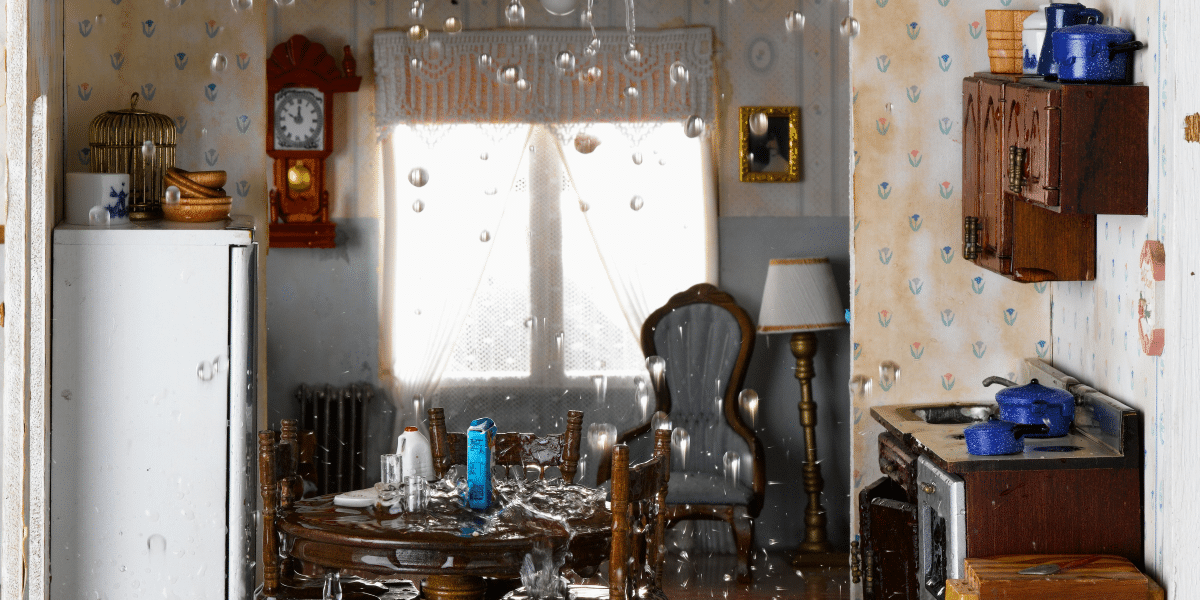

Water damage can strike unexpectedly, causing significant problems for homes and businesses. Whether from a burst pipe, severe storm, or flooding, the impact can be devastating. Having a disaster recovery plan in place is crucial for mitigating damage and ensuring a swift recovery. This article will explore the importance of disaster recovery planning specifically for water damage and introduce tools to help estimate recovery costs.
Creating a Disaster Recovery Plan for Water Damage
A disaster recovery plan (DRP) for water damage outlines how to quickly resume normalcy after an unplanned incident involving water. Here are the key steps in creating a DRP:
- Risk Assessment: Identify potential risks and vulnerabilities, including natural disasters and other emergencies that can lead to water damage.
- Impact Analysis: Determine the potential impact of different water damage scenarios on your property. Identify critical functions and prioritize them for recovery.
- Recovery Strategies: Develop strategies for water extraction, drying, dehumidification, and repairs. This may include backup systems and alternative work locations.
- Plan Development: Document the recovery procedures, roles, and responsibilities.
- Testing and Maintenance: Regularly test and update the DRP to ensure its effectiveness. Conduct drills and simulations to keep everyone prepared.
Identifying Potential Water Damage Disasters
Understanding the types of water damage that could impact your home or business is crucial. Common causes of water damage include:
- Natural Disasters: Floods, hurricanes, and severe storms.
- Plumbing Issues: Burst pipes, leaking roofs, and overflowing appliances.
- Accidents: Incidents such as a sink overflow or accidental sprinkler activation.
By identifying these potential water damage sources, you can better prepare and protect your property from their effects.
Communication Plan During Water Disasters
Effective communication is vital during a water disaster. A well-structured communication plan ensures that everyone knows what to do and who to contact in an emergency. Key components of a communication plan include:
- Emergency Contacts: Maintain an updated list of emergency contacts, including local emergency services, utility companies, insurance providers, and key personnel.
- Communication Channels: Identify reliable communication methods, such as phone calls, text messages, emails, and social media.
- Information Sharing: Establish protocols for sharing information quickly and accurately to all relevant parties.
- Regular Updates: Provide regular updates during the disaster to keep everyone informed of the situation and any changes in plans or procedures.
Essential Actions to Take Immediately After Water Damage
Taking prompt action after a water disaster is crucial to mitigate damage and start the recovery process. Here are essential steps to take immediately after an incident:
- Ensure Safety: Make sure the environment is safe. Evacuate if necessary and avoid any hazards like electrical issues or contaminated water.
- Contact Emergency Services: Call emergency services if there are immediate dangers, such as severe flooding or injuries.
- Document the Damage: Take photos and videos of the affected areas to document the extent of the damage for insurance claims.
- Contact a Restoration Company: Professional restoration companies, like CPR Restoration, can help mitigate further damage and begin the cleanup and restoration process. They have the expertise and equipment to handle water extraction, drying and dehumidification.
- Notify Your Insurance Company: Report the damage to your insurance provider as soon as possible to start the claims process.
- Temporary Repairs: If it is safe to do so, make temporary repairs to prevent further damage, such as covering a damaged roof with a tarp or shutting off the water supply in case of a burst pipe.
Estimating Water Damage Restoration Costs
Understanding the potential costs involved in water damage restoration is crucial for planning and budgeting. Tools like the water damage restoration cost estimator created by CPR Restoration provide detailed estimates based on factors such as location, square footage, number of affected rooms, service hours, property finish, and the condition of personal property. Visit CPR Restoration’s Water Damage Restoration Cost Calculator to get a more accurate estimate.
Summary and Recommendations
The importance of having a disaster recovery plan for water damage cannot be overstated. It helps minimize downtime, protect assets, ensure safety, preserve reputation, and maintain financial stability. By preparing for the unexpected, you can navigate through crises more effectively and recover more swiftly.
Investing time and resources in developing and maintaining a comprehensive disaster recovery plan is essential. For more information and tools to estimate your recovery costs, visit CPR Restoration.com.
Having a robust disaster recovery plan in place is not just about protecting your property and assets; it’s about ensuring the safety and continuity of your life and business. Be proactive and prepared to face any water disaster with confidence.
Published by: Nelly Chavez