
Even though the COVID-19 pandemic is out of the global news cycle, the disease continues to spread throughout the Illinois community. COVID-19 is still a highly infectious disease that can spread quickly. The infection can still be risky, or even deadly, for those with pre-existing health conditions or who are immunocompromised. Alongside the COVID-19 virus, cases of the common influenza virus, or the flu, are rising as well. Illinois hospitals are seeing a steady rate of hospital admissions for these two diseases, according to the CDC. Those admitted are lucky to have nurses who have done an accelerated nursing program in Illinois and who are able to provide high-level care for them while they’re in hospital.
The increase in hospital admissions raises the question of how individuals can prepare for this as the weather gets colder and the chances of becoming infected rise. Lucky for you, this helpful article will share how you can prepare for this. Continue reading to learn more.
Test Regularly for COVID-19 if You Have Symptoms
It’s worth testing yourself regularly for the COVID-19 virus, even if you have the slightest of symptoms. A sore throat, cough, runny nose, loss of smell and taste, fever, or nausea can all be symptoms of the respiratory illness. A rapid antigen test is a simple swab test that you can perform at home that should be able to return a positive result if you have the virus.
If you do test positive, test the other members of your family as well, as COVID-19 is highly infectious, and they’ll likely have it. You should also isolate in a room by yourself, relying on your family for meals, fluids and care. While it may be tempting to carry on with your life, isolating is the premier course of action to protect the wider community.
Suppose you become unwell to the point that you are struggling to breathe or otherwise can’t remain at home. In that case, it’s worth presenting to your local Illinois hospital, where they can assess you and provide emergency healthcare if required, such as IV fluids or a ventilator.
Ventilation
Part of reducing the risk of COVID-19 and the flu spreading is ensuring that you have adequate ventilation at home. Using natural ventilation this time of year can be tricky, as the colder weather means you’re more likely to want to keep your home sealed shut with the heating on. In this case, a proper ventilation system installed by a Heating, Ventilation and Air Conditioning (HVAC) can be the preferred option, as this will ensure that your home remains warm while offering adequate ventilation in order to prevent the chance of catching COVID-19. Proper airflow is a great preventive measure against the virus.
If you don’t have an adequate ventilation system, the best you can do is air your house out once a day to allow some fresh airflow. Do this during the middle of the day, when it is the least cold.
Good Hand Hygiene
COVID-19 primarily spreads through droplets emitting when people cough or sneeze, and get inhaled, but it can also spread if the virus is on your hands and you touch your mouth or nose. An excellent preventive method against this spread is by practicing good hand hygiene. Washing your hands regularly with warm, soapy water is one of the premier methods of preventing the spread of diseases, including COVID-19 and the flu. Alcohol-based hand sanitizer is another suitable method, but it is best used when warm, soapy water is not available, such as when you’re out doing the shopping or running errands. Soap has been clinically proven to be more effective than hand sanitizer, so use this method of hand hygiene where possible.
While you’re at it, encourage this practice in your kids as well. Ensure they wash their hands frequently, including after using the bathroom and after playing with other children. Kids will become sick more frequently than adults in general, but by encouraging good hand hygiene, you can reduce the chances of them catching the flu or COVID-19.
Wear a Mask in Crowded, Public Places
Another excellent preventive measure against both the flu and COVID-19 is to wear a mask in public, especially when visiting a crowded place. Locations like the shopping mall, Costco, the movie theaters, concerts, bars, clubs and more can all be highly infectious environments, especially if there is poor ventilation and air quality.
The premier quality masks are particle filter respirators, such as N95 and P2 masks, which are highly effective at preventing virus particles from entering your respiratory system through your nose or mouth. Less effective are surgical masks, and the least effective are cloth masks. However, a mask is better than no mask at all.
Get Vaccinated
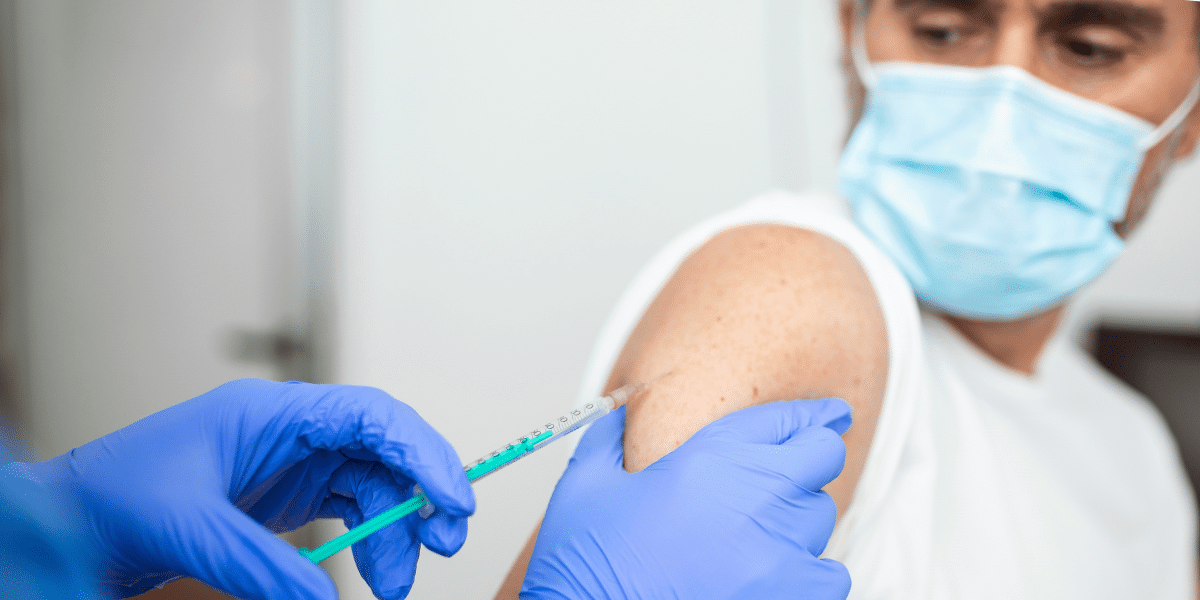
One excellent method of protecting yourself from infectious respiratory diseases such as COVID-19 and the flu is to get a vaccine. A vaccine will prepare your immune system to catch the virus by introducing dead virus cells into your system. This will mean that your body will recognize and be able to fight off the virus more effectively and that your symptoms will be milder. It can also mean the difference between life and death, as a vaccine can prevent the extreme respiratory symptoms that can result in a loss of oxygen to the brain and suffocation.
You can have four or more COVID-19 vaccine shots, including boosters, as long as they’re spaced out for the appropriate length of time. For the flu, it’s best to get a flu shot once a year, a few months prior to the peak of the flu season in winter. Talk to your local doctor or healthcare centre about both vaccines.
Physical Distancing Measures
Another way to avoid infectious respiratory illnesses such as the flu or COVID-19 this holiday season is to practice physical distancing measures. There are a few ways you can do this. One method is to avoid small gatherings in enclosed spaces, such as parties or other social occasions. Outdoor gatherings such as picnics or cookouts are generally safer than indoor events.
You can also keep 1.5 meters between yourself and other people at all times, enjoying their company from a distance. Furthermore, you can avoid unnecessary physical contact, such as shaking hands, hugging, kissing or more intimate contact. You can also avoid visiting any vulnerable people or relatives, such as those in aged care facilities or hospital wards. In addition, avoid contact with babies or anyone with a compromised immune system.
A COVID-19 Preventive Summary
This informative article has shared about how you can prepare and avoid a hospital admission for the flu and COVID-19 in Illinois. Follow these tips to stay safe this holiday season and keep yourself and your family safe.
Published by: Nelly Chavez