Prostate cancer stands as one of the most common cancers affecting men worldwide, emphasizing the critical importance of prostate health awareness. This silent threat often goes unnoticed until it advances, making early detection and knowledge crucial weapons in the battle against this disease. The prostate gland, though small in size, plays a pivotal role in male reproductive health. Located just below the bladder, it is responsible for producing seminal fluid, a key component of semen that supports sperm mobility and vitality. Therefore, this gland’s health is integral not only to reproductive success but also to the overall well-being of men.
Renowned pathologist, Dr. Jonathan I. Epstein lends his vast, specialized experience with prostate cancer to the conversation of cancer awareness and the importance of prostate health. Dr. Epstein provides valuable insight into the significance of prostate health and how to navigate the complexities of this aspect of male health.
Understanding Prostate Cancer
Understanding Prostate Cancer is crucial for early detection, effective treatment, and improving survival rates. Prostate cancer occurs when abnormal cells in the prostate gland grow uncontrollably, forming a tumor.
The prostate gland, essential for male reproductive health, is located beneath the bladder and surrounds the urethra,” says Dr. Jonathan I. Epstein. “Cancer develops in the prostate similar to other parts of the body, through mutations in the DNA of cells, causing them to grow and divide more rapidly than normal cells. Eventually, these abnormal cells can form a tumor and, if untreated, may spread to other parts of the body.”
Risk factors for developing prostate cancer include age, with a significant increase in risk for men over 50; family history, where having a father or brother with prostate cancer doubles the risk; and race, with African American men having a higher incidence and mortality rate.
Symptoms of prostate cancer may not be evident in its early stages, which underscores the importance of regular screening for early detection. When symptoms do appear, they can include difficulty urinating, decreased force in the stream of urine, blood in the urine or semen, erectile dysfunction, pain in the hips, back, chest, or other areas if cancer has spread, and weakness or numbness in the legs or feet.
Early detection of prostate cancer significantly increases the chances of successful treatment and survival. Screening methods such as the Prostate-Specific Antigen (PSA) test, which measures the level of PSA in the blood, can help detect prostate cancer early, even before symptoms develop. Digital rectal exams (DRE) may also be used to check for any abnormalities in the prostate, although the test is not that sensitive or specific for findings of prostate cancer.
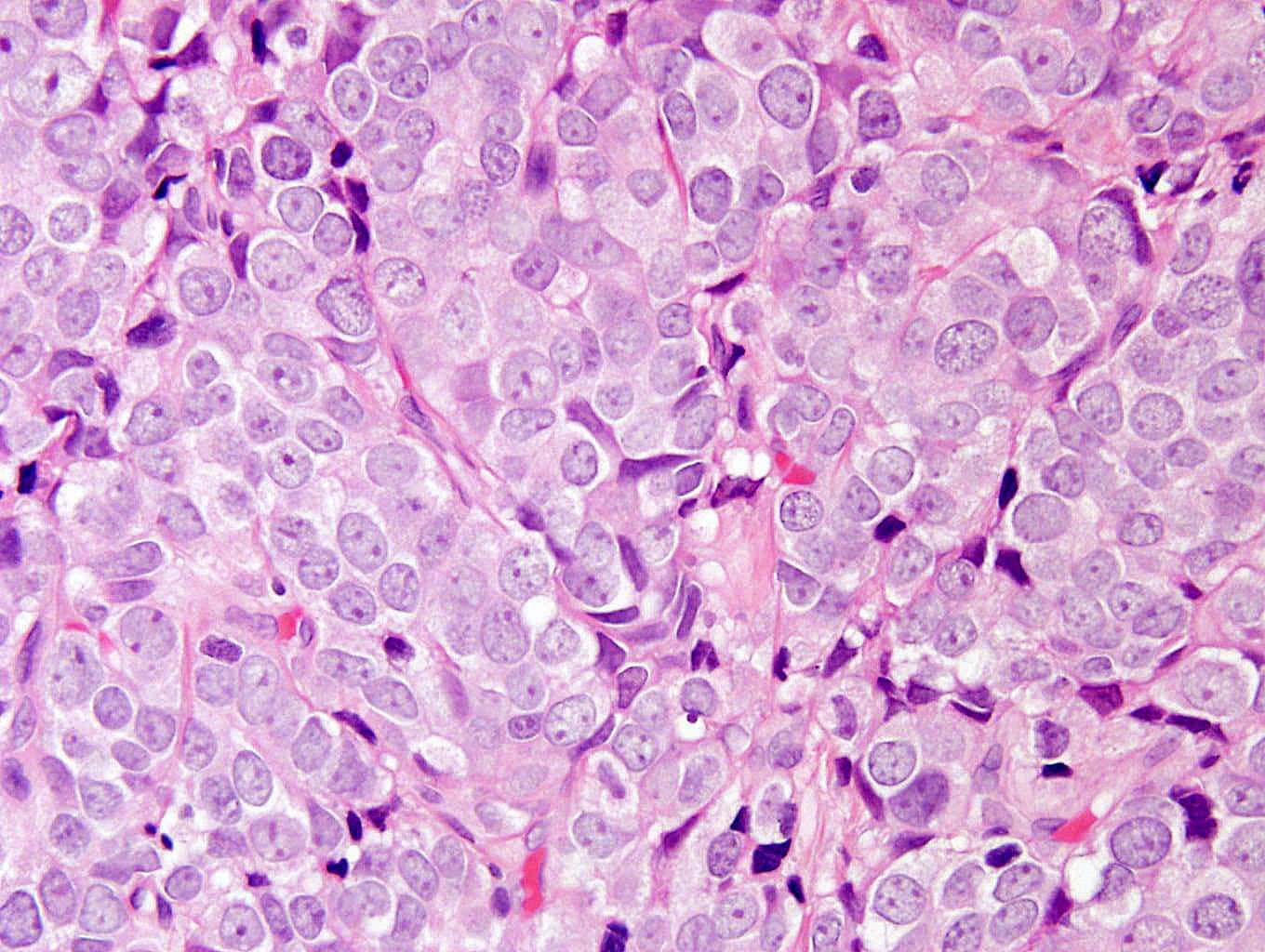
Photo Courtesy: Dr. Jonathan I. Epstein
Medical Approaches and Treatments
“Understanding the common approaches for prostate cancer management and treatments is crucial for making informed decisions regarding one’s health,” says Dr. Jonathan I. Epstein.
Traditional treatments for prostate cancer include surgery, radiation therapy, hormone therapy, and chemotherapy. Surgery, particularly radical prostatectomy, involves the removal of the prostate gland and is typically considered for localized cancer. Radiation therapy, which can be external beam radiation or brachytherapy (internal radiation), targets cancer cells in the prostate gland. Dr. Epstein notes that there are many variations of radiation therapy that can be used for treating prostate cancer, which can be confusing for patients who are deciding on which treatment to choose. It is not clear if some of these radiation techniques have an advantage over the others. It often depends on which institution a patient goes to, as certain institutions often specialize in selective radiation techniques for prostate cancer.
Hormone therapy, another conventional approach, aims to reduce the level of male hormones (androgens) that can stimulate the growth of cancer cells. Hormone therapy can be used to keep in check advanced distant spread of prostate cancer. Hormone therapy can also be used prior to radiation therapy in more advanced cancers localized to the prostate to enhance the effect of the radiation therapy. Dr. Epstein emphasizes the importance of the role of the pathologist, saying: “The grade assigned by the pathologist to the cancer on needle biopsy is the main factor in determining if hormone therapy is given prior to radiation therapy (neoadjuvant hormone therapy).” As grading of prostate cancer is difficult, it is often recommended to get a second opinion from an expert prostate cancer pathologist prior to therapy. Chemotherapy may be used when cancer has spread outside the prostate and is not responding to hormone therapy. These options are considered based on the cancer’s stage, patient’s health status, and potential impact on quality of life.
Emerging Trends in Prostate Cancer Treatment
The landscape of prostate cancer treatment is continuously advancing, with research focusing on more targeted and less invasive methods. Immunotherapy, which leverages the body’s immune system to fight cancer, has shown promise in treating advanced prostate cancer. Prostate cancer vaccines, a form of immunotherapy, help the immune system recognize and attack prostate cancer cells.
Ongoing research and clinical trials are crucial for developing these innovative treatments. They explore the potential of new drugs, combination therapies, and the use of genetic information to tailor treatments to individual patients. Increased awareness and early detection are empowering men to take proactive steps toward their health, promising a more effective and potentially preventable approach to prostate cancer.
Published by: Martin De Juan