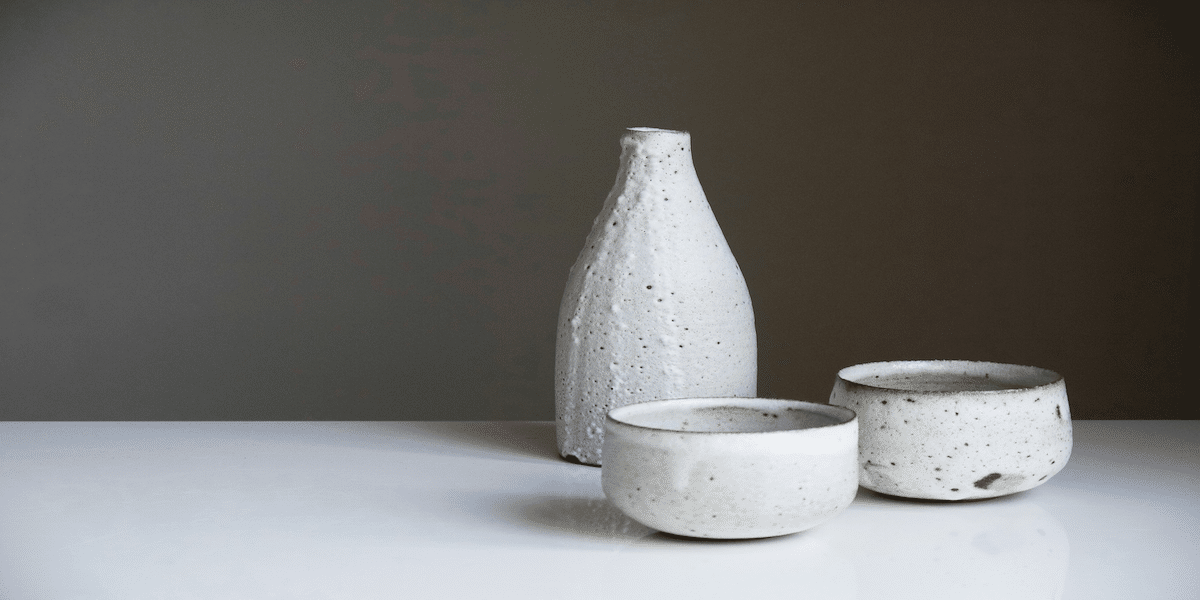

Image commercially licensed from Unsplash
Sake is a traditional Japanese wine with four fermented ingredients: rice, yeast, water, and a Koji mold. But it is not made from just any rice; only Sakamai or Sake rice —a short-grained Japonica rice that ferments most of the sugar using the Koji mold. To this day, Sake is considered an offering to gods in Japan. Rows of Sake-filled barrels and bottles sit proudly at the Shinto Shrine.
Culturally, Sake served as a method of communication and expressing gratitude. People thought of it as a way to calm down the heavens and appease the anger of the deities in times of catastrophe. Now it is one of the staples in the Land of the Rising Sun, as its aroma and flavor remain deeply rooted in the culture. Today, the traditional Japanese drink holds immense significance among the natives as individuals relish it as a celebratory drink, rejoicing on special occasions.
Japan’s culture dramatically revolves around the relationship with nature, which is also reflected in the preparation of Sake. Many brewers visit the local shrine at the beginning of the brewing season, returning at the end to thank the gods. While it is considered a way of communicating with the gods, it also helps unite people and help them celebrate.
Although it is easily accessible in Japan, getting a taste of authentic Sake in the United States is not easy. But as the Western culinary domain continues to expand, premium-grade, highly aromatic wines are becoming more common and welcomed by consumers. But only a few know the proper etiquette and way to savor it. One of them is Toshio Ueno, the Sake master, vice president, and executive instructor of the Sake School of America, teaching the right way to enjoy Sake like a Tokyo native.
Toshio was born in Japan in a family growing the Japanese wine grape, also known as Koshu. This was a family-run business passed down through generations. As a child, Toshio helped his family with the business, which later helped him become a well-versed guru on wines and alcohol-containing beverages. Before moving to the US, he initially joined an international wine and pastry company as the sales director. Soon he was promoted to oversee the personal wine collection of the company.
His dedication to Japanese beverages compelled him to master the art of making Sake. But the story doesn’t end here; he went on to pursue his passion for Sake Brewery and secured a WSET Sake educator diploma. He is the first person to become a certified master of Sake and Master Sake Sommelier in the US.
When he moved to the US, he found a few authentic spots to enjoy the fruity aromatic fusion of Sake. So he joined the Japanese Food and Sake importer, Mutual Trading, where he resides as director for Sake Specialist Division, and he made it his mission to enrich every Sake enthusiast’s life with his learnings as a Sake master.
His daily interactions with the wine stewards and the intriguing process inspired him to enter wine stewardship. Toshio aims to promote the Japanese wine culture across borders and familiarize international consumers with wine’s unique and fragrant aromas. His passion for his native beverages and Sake led him to establish the Sake School of America in 2010, an institution for people who wish to become Sake specialists and learn about Sake culture and Sake brewing.
The Sake School of America is opening gates to many industry professionals who aspire to become Sake advisers and Japanese Sake sommeliers by undergoing appropriate training and certification. The institution welcomes anyone who wants to learn about Sake as a cuisine and a cultural asset.
In 2016, Ueno was honored with The Sake Samurai, the most prestigious title in the industry, by the Japanese Sake and Shochu Maker’s Association. With his undying dedication to the cause, he remains on a mission to mainstream authentic Sake flavors, making Sake accessible to the general public.
In the wake of his efforts, Ueno has been organizing tours for visitors willing to explore the production process of Sake breweries in Japan. According to the Sake Samurai, “Most Americans have long underestimated the beauty and flavor of Sake as a side drink.”
Although the American taste mainly revolves around beers, whiskeys, and traditional wines, Uneo is trying to change that by introducing Americans to this beloved Japanese drink.
Aside from his work as a WSET educator, he also developed a certification course named Shochu Adviser Certificate. In February 2021, the Ministry of Agriculture, Forestry, and Fisheries in Japan appointed him as the goodwill ambassador of Japanese cuisine.
Ueno aims to bring a new wave of Sake enthusiasts onboard who can work together towards making traditional beverages a popular choice. He plans to introduce varied flavors and styles brewed from all over Japan. Toshio Ueno is hopeful about the future of Sake and wants to see more people appreciate the joy it brings.
While talking about the traditional Japanese drink, Ueno said, “The world of Sake is a compelling exploration into the Japanese culture and the art of brewing the finest, and our mission is to spread this wonder of our culture to every person in the world.”
With his continuous efforts to make Sake accessible to the masses, Ueno remains optimistic about people worldwide being able to recognize the iconic taste of the drink. His contributions to the traditional beverage are a tribute to Japanese pride that burns in the people’s hearts.