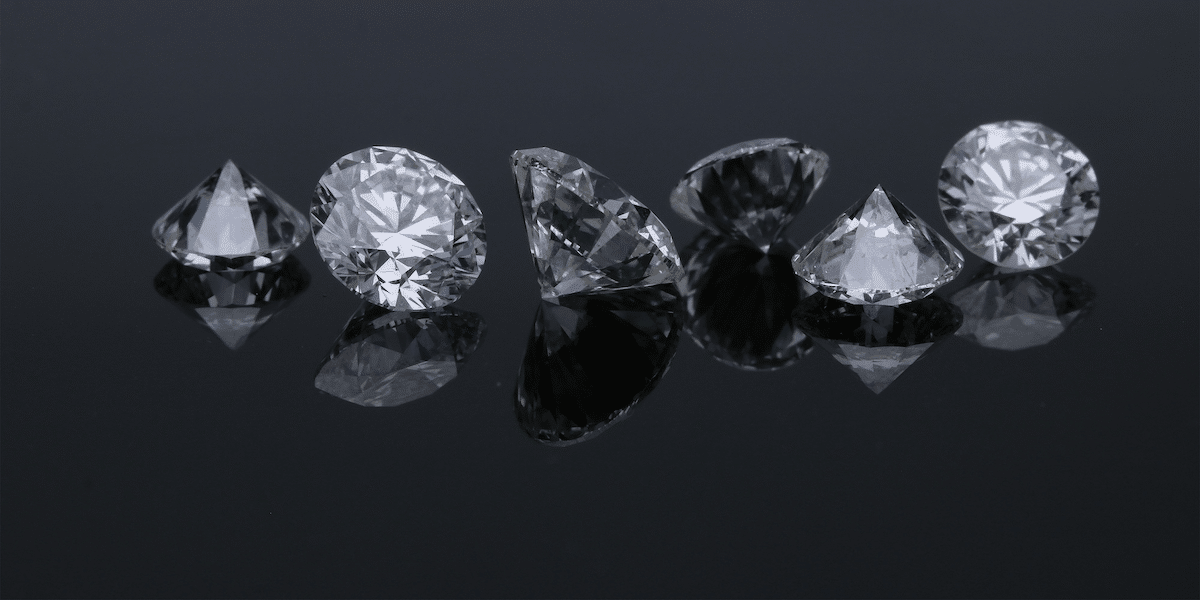

Image commercially licensed from Unsplash
Diamonds symbolize luxury and are one of the world’s most precious gemstones. With the growing market of fake diamonds, it can take time to determine whether a diamond is real or fake. When purchasing diamond jewelry, it is crucial to know the authenticity of the diamond. If you want to know how to identify natural diamonds, you are in the right place. This article will provide seven magic ways to discover if a diamond is genuine. So, what are you waiting for? Scroll down to read further.
Test 1: Water Test
The water test is one of the easiest and quickest ways to test if a diamond is natural. Natural diamonds are denser than most other stones, so they will sink in water while fake ones float. Fill a glass with water and drop the diamond in to perform this test. If it falls to the bottom, it’s likely a natural diamond. If it floats or hovers near the surface, it’s probably fake.
Test 2: Fog Test
The fog test is another way to check if a diamond is natural. Breathe onto the diamond and see how quickly the fog clears. Natural diamonds are efficient heat conductors so they will disperse soon, and fog will disappear almost instantly. On the other hand, fake diamonds are poor heat conductors, so they hold onto the fog for a few seconds before disappearing.
Test 3: Use a Measuring Scale
Measuring the size of the diamond is a recognized way to determine if it is real or fake. Diamonds are measured in carats, and while the size alone cannot determine if a diamond is real, it can help provide clues. Use a measuring scale that can measure in carats to weigh the diamond. Natural diamonds are denser and heavier than most imitations, so if the diamond is smaller but weighs more, it may be an authentic diamond.
A cubic zirconia of the same size as a diamond would weigh less than a natural diamond. Remember that this test alone cannot confirm the diamond’s authenticity, but it can help provide some information about its identity. Ensuring that the scale is accurate is essential, as an incorrect measurement can lead to inaccurate results.
Test 4: Use Diamond Tester
Diamond testers are handheld devices that detect whether a diamond is real or fake. They work by measuring the thermal conductivity of the stone. Diamonds have a high thermal conductivity, so they will conduct heat quickly and show up as natural diamonds on the tester. Fake diamonds do not conduct heat and will not register as diamonds on the tester. It’s important to note that diamond testers can only determine if a diamond is natural; they cannot determine its quality.
Test 5: Do Sparkle Test
Another quick and easy test to determine if a diamond is real is to examine its sparkle. Natural diamonds can refract light in a way that creates a rainbow of colors, while synthetic diamonds may lack this ability. To perform the sparkle test, hold the diamond under a bright light and observe how it sparkles. A natural diamond will sparkle with a rainbow of colors, while a fake diamond may have a rainbow effect or sparkle only in certain areas. If the diamond appears dull or hazy, it may not be a natural diamond.
Remember that this test is not foolproof and should be combined with other tests to determine a diamond’s authenticity.
Test 6: Dot Test
The dot test is a simple yet effective way to determine if a diamond is natural. Start drawing a small dot on white paper using a pen or marker. Place the diamond face-down on the dot and observe it closely. If you can see the dot through the diamond, it’s likely a fake diamond, as real diamonds are highly refractive and will bend the light around the dot. If the dot is not visible through the diamond, it may be a real diamond.
Keep in mind that this test is not foolproof, and some fake diamonds may still pass this test. So it’s best to combine multiple tests to get a more accurate picture of a diamond’s authenticity.
Test 7: Black Light Test
The black light test is another popular method for identifying real diamonds. Blacklight, also known as ultraviolet light, emits a spectrum of light that causes diamonds to fluoresce uniquely. When you shine a black light on a real diamond, it will emit a blue glow. This is because boron within the diamond’s crystal lattice structure causes it to fluoresce in this way.
Buyers must realize that not all diamonds will fluoresce under a black light, and some other types of stones may also emit a blue glow, so this test should not be relied on solely. Manufactured diamonds can exhibit the same fluorescence as natural diamonds, making it difficult to distinguish between the two with just this test. It’s always best to use multiple tests and seek professional advice if you need clarification on the authenticity of a diamond.
Bottom Line
There are several ways to test if a diamond is natural, from simple tests like the water and fog test to more advanced tests like the diamond tester and dot test. It’s important to note that no single test can independently determine a diamond’s authenticity, so it’s best to use multiple tests to get a clearer picture.
If you still need to figure out if a diamond is natural, take it to a professional jeweler for an appraisal. If you want to purchase a diamond, buy from a reputable seller who provides clean-origin diamonds. This ensures that the diamond is ethically sourced and produced with environmental and social responsibility in mind.
Remember that a diamond’s value is not solely based on its authenticity but also on its cut, clarity, color, and carat weight. A natural diamond can still be low-quality, while a high-quality diamond can be lab-created or treated. So, it’s crucial to do your research and consider all factors before making a purchase.