How a Legal Professional Could Help the Injury Recovery Process Feel Easier

Injury recovery is difficult, and legal proceedings can make it even more complicated. Relying on a trusted professional can make a significant difference.

Even when a person is injured, life keeps moving. Although recovery can be stressful, time-consuming, and financially demanding, that reality holds, especially when it involves legal claims. Navigating these processes may be easier with the help of legal professionals like the Harrison Law Group injury attorneys, so long as a firm’s services align with one’s needs.

Taking Practical Steps Toward Recovery

People rarely take the time to consider the practical steps of injury recovery before the event itself. Knowing what to do immediately after an injury, however, can have a meaningful impact. Even if it does not seem necessary, seek medical attention, attend every appointment, and follow professional advice. This shows that an injured party is working toward recovery.

Medical appointments also create clear documentation of the injury for insurance providers, legal professionals, and the injured party. Documentation reduces ambiguity about an event, which generally benefits the claimant. Outside of medical information, an injured party might keep a recovery journal and document any communication related to the event.

Understanding the Potential Role of a Lawyer

Sometimes, an injury may occur under circumstances that warrant some form of compensation. In these scenarios, the individual or institution providing that compensation may dispute or deny the injured party’s claim. At this point, a legal professional may provide relevant advice or directly help an individual navigate the legal process and pursue compensation.

For instance, a workers’ compensation case might involve an employer or insurance carrier arguing that an injury is not job-related, in which case the injured party would not be eligible for benefits. Without understanding the legal process of proving a claim, an injured party may not be able to defend themselves. A legal professional brings relevant experience and advocates for you.

“Workers’ compensation is insurance that provides cash benefits and/or medical care for workers who are injured or become ill as a direct result of their job,” the New York State Workers’ Compensation Board website explains.

Working Toward the Compensation One Deserves

By combining practical recovery steps with a lawyer’s advice, you can work toward the compensation you deserve. It may come as eligible medical expenses, lost income, or other benefits, and it may involve legal proceedings. In these circumstances, identifying a trusted legal partner could make the process easier.

In reviewing a firm’s website, consider their specializations. One firm might focus on injury recovery, while another aligns with the injured party’s specific situation.

Additionally, evaluate third-party reviews. Insights posted to a firm’s website may be useful, but they may be curated. Ultimately, choose the solution that best aligns with your needs.

FAQ

What makes injuries stressful?

Beyond aches and pains, several outside factors can cause stress. Medical appointments and routine changes are disruptive on their own and may also add financial stress.

How can someone make a recovery process less stressful?

First and foremost, follow medical guidance. Beyond that, track appointments and expenses, ask for support when needed, and focus on manageable goals.

How can a lawyer help after an injury?

Depending on the circumstances, an injury may become a legal process. A lawyer can help explain available options, organize documentation, communicate on one’s behalf, and pursue compensation where applicable.

What compensation is available after an injury?

Not every injury qualifies for compensation, but circumstances and applicable law may allow it. Coverage may include certain medical expenses, lost income, and other legally recoverable losses.

Disclaimer: The content in this article is provided for general knowledge. It does not constitute legal advice, and readers should seek advice from qualified legal professionals regarding particular cases or situations.
Understanding Common Spine Problems

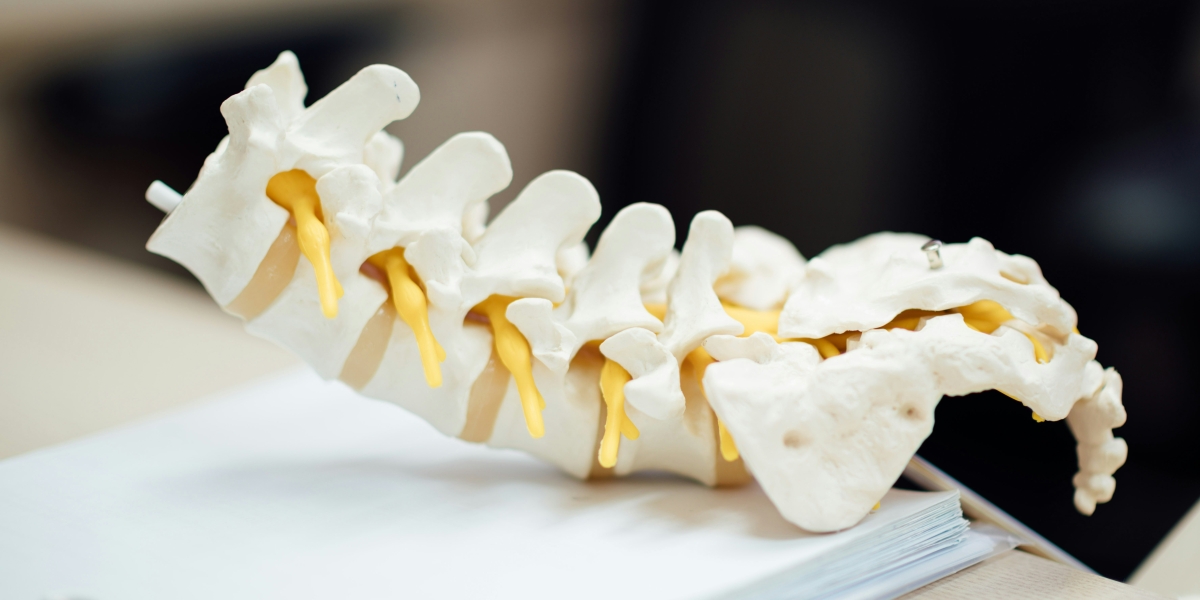
Many people deal with back or neck pain at some point in their lives. The spine has three main parts: cervical, thoracic, and lumbar. Knowing what each section does makes it easier to recognize common spine problems and catch the warning signs early.

Anatomy of the Spine

The spine is made of three main parts. Each part plays a key role in support and movement.

Cervical Spine

The cervical spine holds the top part of the backbone. It consists of seven small bones called vertebrae. These bones protect the spinal cord, which sends signals between the brain and body.

This area also supports your head and allows it to move in many directions like turning or nodding.

Neck pain often starts in this region due to muscle strain or a herniated disc. Problems here can cause numbness or weakness that spreads down your arms. Keeping this spine healthy helps prevent conditions like spinal stenosis and degenerative disc disease, common causes of back pain and neck pain seen by doctors every year.

Taking care of your cervical spine means protecting more than just your neck. It shapes how you move through the world every day.

Thoracic Spine

The thoracic spine has 12 vertebrae in the middle of your back. These bones connect to your ribs, giving your chest support and protecting organs like the heart and lungs. This area is less flexible than the neck or lower back because it must stay strong to hold up your body and protect vital parts inside.

Problems in this part of the spine can cause mid-back pain or stiffness. Conditions like osteoarthritis or osteoporosis may affect these vertebrae, leading to discomfort. Sometimes a herniated disc in this region presses on nerves, causing numbness or weakness around the ribs or torso.

Lumbar Spine

The lumbar spine is made up of five large vertebrae in the lower back. These bones support much of your body weight and allow you to bend, twist, and move. This area often faces strain from daily activities like lifting or prolonged sitting.

Discs between lumbar vertebrae act as cushions. They absorb shock and keep the spine flexible. Common problems such as herniated discs or degenerative disc disease often occur here, leading to back pain or sciatica.

Keeping this part healthy helps reduce neck pain and other spinal disorders.

Common Spine Problems

Spine problems can cause pain and limit movement. Many people encounter challenges that impact their daily lives and general health.

Herniated Discs

A herniated disc happens when the soft cushion between two bones in your back slips out. This can press on nearby nerves, causing back pain or neck pain. Many people feel numbness, weakness, or sharp pains that spread down their arms or legs.

Herniated discs often occur in the lower back but can also happen in the neck area.

Doctors say lifting heavy things wrong or sudden twists may cause this problem. Older adults face a higher risk because discs wear down over time. Treatments like physical therapy help ease symptoms and improve spine health for most patients.

Surgery might be needed if pain does not get better after other treatments.

Early care is key to managing herniated disc symptoms effectively.

Degenerative Disc Disease

Degenerative Disc Disease happens when the discs between spine bones wear down. These discs act like cushions that absorb shock. Over time, they lose water and become thinner. This makes the spine less flexible and can cause pain in the back or neck.

People with this condition may feel stiffness or numbness due to pressure on nearby nerves.

Damage often starts after age 30 but can happen earlier with injuries or heavy body strain. Movement may hurt more during activities like bending or twisting. Some patients find relief through physical therapy, medicines, or lifestyle changes such as improving posture and staying active.

If pain lasts long or worsens, doctors might suggest other treatments including surgery to help restore spine health and reduce nerve problems linked to degenerative disc disease.

Spinal Stenosis

Spinal stenosis happens when the spaces in your spine get smaller. This puts pressure on the spinal cord and nerves. It often causes back pain, numbness, or weakness in your legs. Many people with stenosis feel stiff or have trouble walking.

Osteoarthritis is a common cause of spinal stenosis. The cartilage wears down, and bone spurs can form. These changes narrow the spine’s passageways. Older adults are more likely to have this problem.

Treatments include physical therapy, pain relief medicines, and sometimes surgery to ease nerve pressure.

Scoliosis

Scoliosis changes how the spine looks and works. It causes the spine to curve sideways in an unusual way.

Most people have a normal straight or slightly curved spine when viewed from behind, but scoliosis makes it look like an “S” or “C” shape.

This condition often starts in childhood and may get worse with age. Some children need braces to stop curves from growing bigger. Adults with scoliosis might feel back pain or stiffness as they grow older.

Doctors use X-rays to check how much the spine has curved. Treatments include physical therapy, exercises, or surgery for severe cases. Keeping good spine health can help manage symptoms of scoliosis effectively.

Warning Signs of Spine Problems

Watch for pain that lasts or worsens over time. Feeling numbness or weakness can mean your spine needs attention.

Persistent Pain or Stiffness

Pain or stiffness in the back or neck that lasts for weeks can signal spine problems. Herniated discs, degenerative disc disease, and spinal stenosis often cause these symptoms. The pain may worsen after sitting or standing too long.

Stiffness can limit movement and make daily tasks hard.

Muscle strain and osteoarthritis might also trigger ongoing discomfort but need different treatments than disc issues. Ignoring persistent pain risks nerve damage and weakness over time. Patients in the New York area with these symptoms can book an evaluation at the Endoscopic Spine Institute of New York to find the cause and discuss treatment options.

Early care from a doctor helps protect your spine health and reduce worsening conditions.

Tingling, numbness, or weakness are other warning signs to watch closely in spine problems.

Tingling, Numbness, or Weakness

Tingling, numbness, or weakness can signal problems with the spinal cord or nerves. These symptoms happen when a herniated disc or spinal stenosis presses on nerve roots. The pressure blocks signals between the brain and muscles, causing these sensations in arms or legs.

Numbness often feels like pins and needles that do not go away. Weakness means muscles become hard to control or feel tired quickly. Sciatica is one example where pain radiates down a leg along with numbness or weakness due to nerve irritation from spine issues.

Immediate care helps prevent lasting damage and supports spine health.

Loss of Bowel or Bladder Control

Numbness or weakness in the legs can signal a serious problem with the spine. This may lead to loss of bowel or bladder control, which means trouble holding urine or stool. Such symptoms suggest pressure on the spinal cord or nerves.

This condition needs quick medical care to prevent permanent damage. It often occurs in severe cases of herniated discs or spinal stenosis. Ignoring these signs can cause lasting problems with bladder and bowel functions, affecting daily life and spine health.

When to See a Doctor About Spine Problems

Spine problems can affect anyone. Knowing the signs helps you act fast. Treating issues early stops pain from getting worse. Staying active and caring for your back keeps the spine strong.

Always ask a doctor if symptoms worry you.

Disclaimer: This content is for informational purposes only and is not intended as medical advice, nor does it replace professional medical expertise or treatment. If you have any concerns or questions about your health, always consult with a physician or other healthcare professional.