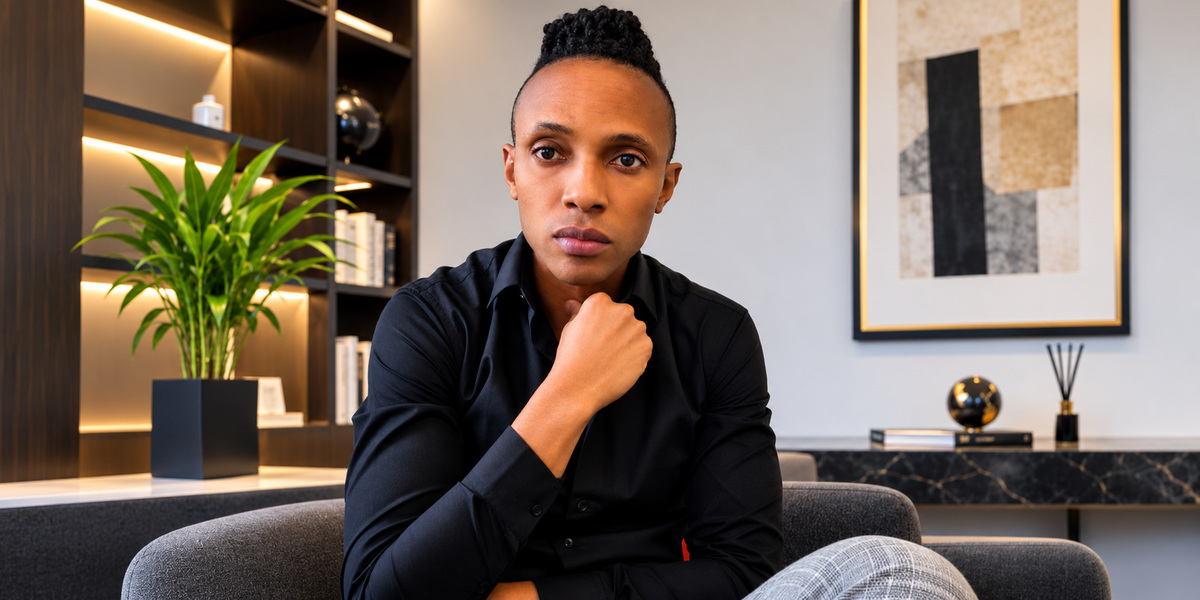
Dr Imo Enang on the Missing Human Element in Artificial Intelligence

His research on Authentic Intelligence examines how organisations can preserve accountability when algorithms influence important decisions.

When an algorithm recommends denying a loan, changing a workforce schedule or adjusting supply to a region, someone must still be able to explain the decision. As artificial intelligence becomes embedded in business operations, that obligation is growing more difficult to assign, particularly when decisions involve multiple teams, systems and competing priorities.

Dr. Imo Enang, working with Patrick Mukala and Ubong Nkereuwem, examines the problem in Authentic Intelligence in Digital Strategy Systems, published in Systems in February 2026. Their study proposes a socio-technical framework for keeping human judgement and accountability meaningful when automated systems shape strategic action. It explores how organisations can integrate AI into decision-making while ensuring that human responsibility remains visible throughout the process.

Three Sources Of Evidence

The study draws on interviews with 50 senior managers, 685 documented AI implementation cases and 37 discontinued implementations. These evidence streams were used to examine how organisations sense information, interpret it, decide, execute, monitor results and adapt. The authors also considered whether employees could understand a system’s output, intervene when necessary and identify who was accountable for the outcome. Together, these perspectives offer insight into the practical challenges of maintaining oversight as AI becomes more deeply integrated into organisational processes.

The distinction is important. A human approval box at the end of an automated workflow does not necessarily amount to genuine oversight. A manager who lacks the information or authority to challenge a recommendation may be present in the process without exercising meaningful judgement. Effective oversight requires more than human involvement; it depends on having the knowledge, authority and opportunity to question automated decisions and take responsibility for their consequences.

Human oversight across the six functions of responsible digital decision-making
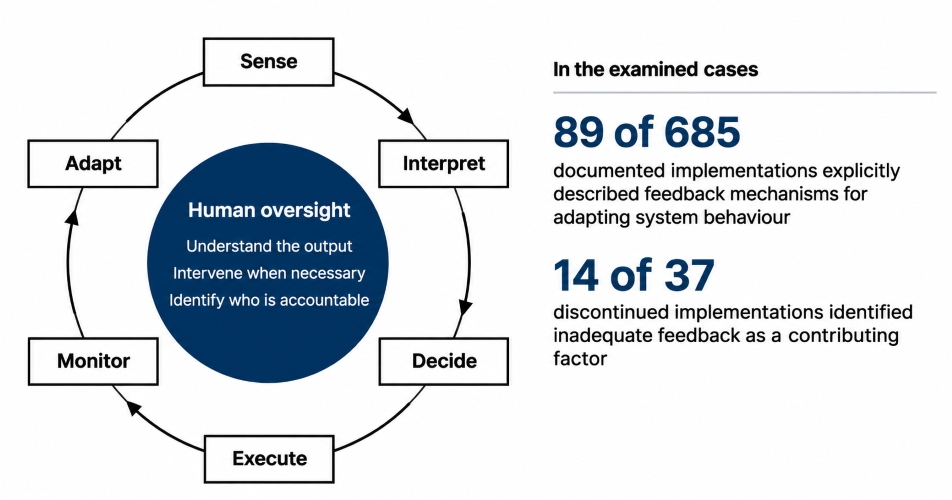
Photo Courtesy: Dr Imo Enang

Source: Enang, Mukala and Nkereuwem (2026), ‘Authentic Intelligence in Digital Strategy Systems: A Socio-Technical Analysis of Human-Accountable Decision Governance’, Systems, 14(3), 259. Evidence from interviews with 50 senior managers, 685 documented AI implementation cases and 37 discontinued implementations. Counts are observations within the examined cases, not failure rates or proof of causation.

Context: The Model Cannot See

Take a retailer whose forecasting model recommends cutting inventory after detecting a sudden fall in regional sales. The model may have identified a genuine pattern, but local managers could know that a temporary distribution problem caused the decline. If the recommendation is executed without that context, the business could deepen the shortage it is trying to correct.

The researchers report that 89 of the 685 documented implementations explicitly described feedback mechanisms for adapting system behaviour. Among 37 discontinued implementations, 14 identified inadequate feedback as a contributing factor. These are observations within the examined cases, not universal failure rates or proof of causation.

Questions For Senior Leaders

For senior leaders, the questions are practical. Who can challenge an automated recommendation? What evidence is retained? Which decisions require an accountable human owner? How do exceptions escalate? What happens when real-world results contradict the model’s assumptions?

Enang’s work links strategic management with technology governance. As a scholar-practitioner and Senior Lecturer and Programme Lead, MSc Project Management (Online), at the University of Greenwich, he examines how organisations translate sophisticated tools into decisions that remain understandable and defensible.

AI may improve speed, consistency and analytical reach. But the quality of a decision also depends on whether an organisation can detect an error, correct it and explain what happened. That is the management challenge at the heart of Authentic Intelligence.

R E S E A R C H

Enang, I., Mukala, P. and Nkereuwem, U. (2026). Authentic Intelligence in Digital Strategy Systems: A Socio-Technical Analysis of Human-Accountable Decision Governance. Systems, 14(3), 259.

https://doi.org/10.3390/systems14030259

Dr Imo Enang is a scholar-practitioner, Senior Lecturer and Programme Lead, MSc Project Management (Online), at the University of Greenwich and Founder and CEO of VLV Group, which comprises Ambidexters, ImpactCity and SkillHubs. Further information: imoenang.com.

Stop Paying for Hours Nobody Worked: A Practical Guide to Time Theft Prevention with Employee Management Software

Here’s a small confession most payroll managers won’t make out loud: they’ve signed off on timesheets they didn’t quite believe.

Nobody’s proud of it. The sheet says 6:00 to 14:00, the guard at the loading dock swears he was there, and the one supervisor who could confirm it was forty minutes away putting out a fire at another post. What are you going to do, call him a liar? You approve it. Next week, you approve it again.

Do the sums, roughly. Ten minutes a day, per person, across a hundred people, 250 days a year, at eighteen dollars an hour. That works out to roughly 4,100 hours, or around $75,000 a year. Those are made-up round numbers, so treat them as a prompt and plug in your own.

This article walks through where those hours go, why paper and spreadsheets are such easy marks, and how employee attendance software with GPS verification fixes the problem without turning your team into suspects.

Where The Missing Hours Actually Go

Buddy punching gets the headlines, and yes, it happens. Someone taps in for a friend on a shared tablet, or hands over a login like a spare house key. It’s hardly the only leak, though.

Rounding is sneakier. Nobody calls it theft (and most people doing it wouldn’t either), but if every arrival gets nudged to the scheduled start and every departure to the scheduled end, you’re paying for the schedule, not the work.

Then there’s the lonely post. A night guard at a warehouse, forty minutes from his nearest supervisor, with a paper log as the only witness. Paper will say whatever you write on it. Breaks drift the same way, fifteen minutes becoming thirty, then forty-five, and no record to show when the drift began. Travel time is the muddiest of all. Some of it you should pay for, some of it is padding, and with a crew driving between six sites nobody can tell which is which.

Add it all up and none of it looks dramatic on any single day. That’s the trouble. A shift that runs eleven minutes short won’t trip any alarm, and by the time the monthly numbers look off, the habit is already part of how the site runs.

Why a supervisor and a clipboard can’t win

Every one of these problems runs back to the same weak spot: somebody reports their own hours, and somebody else has to decide whether to believe them. One supervisor, fifteen posts. The arithmetic doesn’t work.

And a spreadsheet is no better, because all it does is store whatever got typed into it, honest or otherwise.

There’s an emotional side too. Questioning someone’s hours with nothing to point at feels like an accusation, so managers shrug. Fair enough. Without evidence, shrugging is the sane reaction.

The people who lose out are the honest ones. The guard who’s always ten minutes early and never leaves before the relief arrives ends up quietly subsidizing everyone else, and he notices, even if he never says so.

A Quick Audit You Can Run This Week

You don’t need software to find out whether this is happening. Pull one month of timesheets, grab a coffee, and hunt for anything too tidy. A whole crew clocking in at exactly 8:00 every morning? Either they’re astonishingly punctual, or the sheet is reporting the schedule. Overtime that swells right before pay periods close. Hours logged at a site that don’t match what the client remembers seeing. A worker whose shifts never overlap with anyone else’s.

Nothing on that list proves anything, so don’t accuse anybody over it. Write it down. One page of oddities is a far better argument for change than a vague hunch, and it becomes your baseline when real data starts arriving.

What DPS Airem Changes At The Clock

Start with the tap itself. When someone checks in through DPS Airem, the system verifies GPS location against the site’s geofence, so it can tell whether the person is actually inside the boundary of the post. QR codes add a second check where a site wants one. None of this is magic (a determined cheat will always try something), but each layer raises the effort, and most shortcuts only survive because they’re easy.

During the shift, live tracking shows where people are, and tracking history keeps the trail for later, which comes in handy when a client disputes coverage three weeks after the fact. Break and compliance tracking swaps the honor-system break log for something you can open and read. The scheduler lives beside the time clock, so planned versus actual hours shows up by itself instead of surfacing in a payroll argument.

Real life still interferes. Phones die. People forget to clock out, and sometimes a supervisor reroutes someone at the last minute. Managers handle those requests and approvals from the dashboard, which means a correction goes through an actual process rather than a text sent at eleven at night.

Field Crews And Multi-Site Operations

One office, one time clock, one front desk: easy to watch. Ten sites with no shared reception is another animal entirely. Security firms, patrol companies, cleaning crews, construction teams, field service businesses, all of them work where supervisors can’t be, and unverified hours multiply in exactly those gaps. Head office gets every site on a single dashboard instead of ten phone calls. Supervisors out in the field carry attendance, tasks, and incident handling in the mobile app, so checking happens on the spot, not at Monday’s review. That’s where workforce management software earns its keep.

Clock, Paycheck, Invoice

Once the hours are verified, everything downstream gets calmer. Payroll runs off recorded hours instead of estimates. Invoices pull from the same timesheets, which is a relief for security and cleaning firms that bill clients by the hour, because the number on the invoice finally matches the number on the payroll. And when a client questions a bill, a timestamped, location-verified record ends the debate quicker than any explanation could.

Security teams can go a step further. Daily activity reports, site tour records, and incident reports show what happened during the paid hours, not just that someone was nominally present. Presence is the minimum. Clients really want to see the work.

Rolling It Out Without The Eye-Rolls

Software can fix the data. It can’t fix the mood, and a GPS time clock introduced badly will get resented fast.

Tell people before the switch, in plain words, what gets verified and why. Pitch it around fairness (accurate pay, no more arguments over who was where, protection for the people doing things right) because folks accept rules they can see the point of.

Draw geofences with a bit of common sense. Too tight, and the guard parked in the visitor lot gets flagged, and nothing kills goodwill like a false alarm. Draw the boundary around the real site and test it before go-live.

Sort out exceptions early: a dead phone, a locked account, a last-minute reassignment. If fixing them takes three days, people will blame the system. If it takes three minutes, they’ll barely notice it exists.

Then, after the first pay cycle, sit down with supervisors and go through the oddities together. Move a geofence here, tweak a schedule there. Teams tend to trust a rollout that listens.

One more thing: put supervisors and managers on the same clock as everyone else. If they’re exempt, the whole system starts to smell like a rule for other people.

What To Expect, And What It Costs

Be realistic about it, and give it a full pay cycle before judging, since the first week mostly shakes out phones, permissions, and old habits. Employee management software won’t repair a bad culture, and it won’t stop every trick. What it does is take away the cover. Arguments about hours get settled with a record, and payroll starts from numbers both sides can check. Success looks quieter than people expect: fewer disputes on payroll day, fewer phone calls asking who’s actually on site, and a supervisor with time to actually supervise.

Pricing runs on three tiers at $5, $8, and $10 a month, each starting at three users. GPS live tracking comes with the entry plan; tracking history, geofencing, and messenger arrive at the middle tier. The 30-day risk-free trial is long enough to run DPS Airem next to your current method and compare the hours line by line.

Somewhere in last month’s payroll, a few hours are hoping nobody asks questions. Ask them at Dpsairem.com, with thirty days risk-free and a GPS map doing the talking.

HoodTrophy Bino Takes ‘Still Here’ Into The Top 3 On Both Sides Of The Atlantic

With a No. 3 in the US and a No. 2 in the UK, the independent rapper’s 16-track album is turning a survival story into a two-country chart run.

Most independent rappers measure a good release week in streams. HoodTrophy Bino is measuring his in countries. His album Still Here climbed to No. 3 on the US iTunes Hip-Hop/Rap albums chart and No. 2 on the UK iTunes Hip-Hop/Rap albums chart, putting a Los Angeles-raised artist with no major label behind him in the top three on both sides of the Atlantic.

In the US, the album finished ahead of releases from Cardi B, Wu-Tang Clan, and the Beastie Boys. In the UK, it sat alongside 50 Cent’s classic debut. Not bad company for a record its creator describes in the plainest terms possible.

“The album is for my community, to let them know that I’m still here and didn’t go away,” he says.

The Man Behind the Name

Born Tadashi Sayres, Bino grew up between Los Angeles and Palmdale and now calls Miami home. The route he took to get here is not the one most careers start with. He has spoken openly about meeting Soulja Boy while he was in jail, a meeting he credits with pointing him toward music and away from where his life was heading. The two later linked up on Soulja Boy’s “LA County.”

Since then, the guest list has kept growing: Mozzy, Boosie Badazz, Lefty Gunplay, Stunna Gambino, and Chrisean Rock, his partner on the 2026 single “Proud of You.” That song, released April 24, found a second life online as a soundtrack for people posting graduations, wins on the field, and personal turnarounds.

Sixteen Tracks, Every Mood

Still Here does not pick one lane. “Tired Of The Hurt” and “Leave Me Alone” sit in the heavy, reflective end of the album. “Bad Bitch Party,” “Drip Drop,” and “Beretta” sit at the other end, built for loud speakers. In between, records like “Drama Kid,” “Fell 4 It,” and “White Flag” show how easily he moves between West Coast bounce and melodic hooks.

“My emotions make my music,” he says. “Every one of my songs is related to my life and what I have been through.”

The features read like a map of the independent West Coast scene and beyond: Philthy Rich, Luh Kel, Glo Gang’s Tadoe, Baby Money, Keykinya, Heaven Marina, Heembeezy, RJmrLA, Joe Moses, Spank Nittie James, Stiff Barbie, Russtaah, and Jayxxtra.

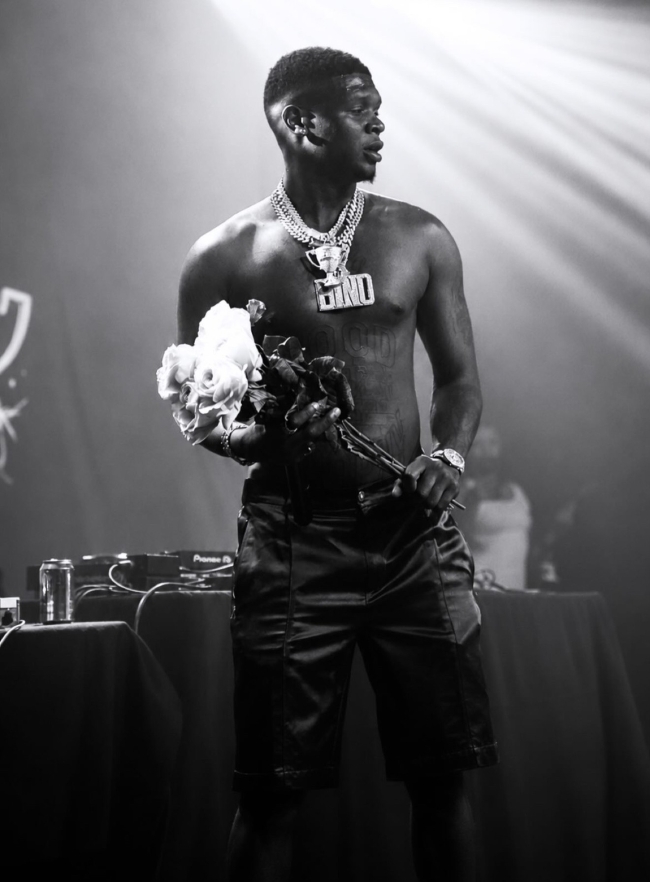
Photo Courtesy: Hoodtrophy Bino

The Numbers Behind the Charts

The chart placements are not happening in isolation. His Spotify following has grown by hundreds of new followers in a matter of weeks, and his music videos keep pulling in millions of views. For an artist without a label machine, that combination of chart position, streaming growth, and video reach is what turns one good week into a real run.

On the Road, and Giving Back

Right now, Bino is on tour with Chief Keef for a 13-date run that wraps November 11. When it ends, the holiday season brings the part of his year he talks about most: his annual toy drives in Palmdale and the Pueblo del Rio housing community in South Central Los Angeles. This year is the fourth, with an added event in Las Vegas alongside the Jasper Boyz.

What Comes Next

The calendar ahead is full. There is “Tour Song” with Sacramento’s Gritty Lex, a remix of “Fallin 4 U” featuring Star2 and Thai superstar Sprite set for late November, and a solo album with producer Hit-Boy planned for early 2027.

When he first picked the title Still Here, it was a message to the people who knew him before the music. Two countries and two top-three finishes later, it reads more like a warning to everyone else.

Follow HoodTrophy Bino for more music, videos, and updates:

Art Week NYC Debuts November 11–14, Separate From May’s New York Art Week

Art Week NYC, a new four-day citywide event organized by Artforum with ARTnews and the New Museum, runs November 11–14, 2026, across more than 80 galleries and 32 cultural institutions. It is a separate event from New York Art Week, the fair-driven gathering that has filled the city each May since 2022.

Key Takeaways

  • More than 80 galleries, including Gagosian, Hauser & Wirth, David Zwirner, and Pace, are showing work across Chelsea, Tribeca, the Lower East Side, and the Upper East Side.
  • The Met, the Guggenheim, the Whitney, the Brooklyn Museum, and the Queens Museum are among 32 participating institutions.
  • The New Museum hosts a ticketed day of talks, “Site Conditions: Five Talks on Art and the City,” on Saturday, November 14.
  • ARTnews editors are leading gallery tours in districts from the Upper East Side to Chinatown.
  • The ADAA Fair moved to November 13–16 to overlap with the new week.

Art Week NYC Builds Its Program Around Galleries Instead of Fair Halls

Art Week NYC comes from three magazines owned by Penske Media Corporation. Artforum presents the gallery program, while ARTnews and Art in America program a Midtown hub for conversations and sponsor activations. The organizers bill the event as the city’s first dedicated art week, and the format explains that framing. Instead of gathering dealers under one roof, the program sends visitors to the galleries themselves.

Artforum publisher Danielle McConnell has said the vision for the event “began with the galleries,” calling them the places where artists are discovered and careers are built. The roster includes Lisson and Paula Cooper Gallery alongside the large international names, and it grew from more than 76 galleries in August to more than 80 by October. The Midtown hub’s address had not been published as of early November.

New York Art Week Has Filled the City Every May Since 2022

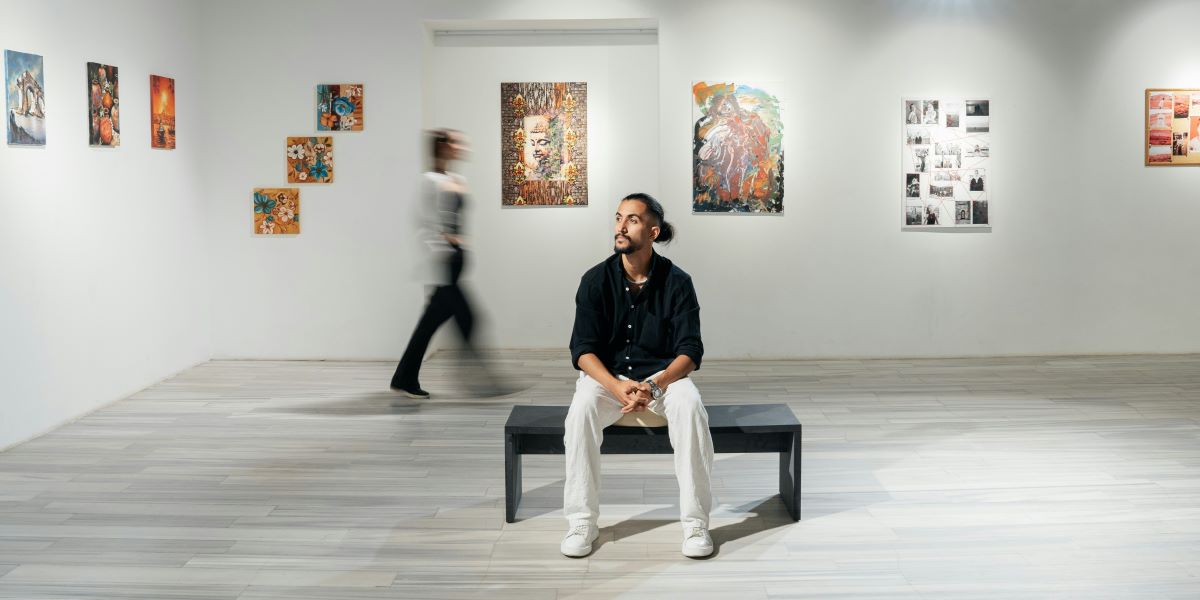
Art Week NYC Debuts November 11–14, Separate From May's New York Art Week

Photo Credit: Unsplash.com

New York Art Week follows a different model. It began in May 2022, when leaders of the city’s art institutions and fairs coordinated their spring schedules. That first edition brought roughly 350 galleries to town across four fairs.

New York Art Week is still built around fairs. In 2026, Frieze New York ran May 13–17 at The Shed, Independent ran May 14–17 at its new home at Pier 36, and TEFAF New York ran May 15–19 at the Park Avenue Armory, with NADA New York also on the calendar. Gallery openings and auction previews filled the time between fair visits.

How Art Week NYC and New York Art Week Differ for Visitors

The similar names cause real confusion, since a search for “art week nyc” returns coverage of both. Readers planning a November visit can easily land on May fair guides. Three practical differences separate the events.

The Two Weeks Fall Six Months Apart

Art Week NYC runs four days in mid-November, while New York Art Week clusters around the spring fairs in mid-May. Anyone blocking out time should confirm which month a listing refers to.

Visitors Move Between Storefronts Instead of Booths

The May week sends visitors into fair halls, where many dealers show side by side for a few days. Art Week NYC keeps people on the street, moving between permanent gallery spaces and museums. A neighborhood-by-neighborhood plan matters more than a single fair pass.

The Organizers Come From Different Parts of the Art World

New York Art Week grew out of a coalition of fairs, dealers, and institutions. Art Week NYC is led by a publisher, with its magazines shaping the programming and the New Museum serving as the primary institutional partner.

Museums and the New Museum Anchor the Public Program

Art Week NYC widened its scope in October with 32 participating institutions. Along with the Met, the Guggenheim, and the Whitney, the list includes the Frick Collection, the Studio Museum in Harlem, El Museo del Barrio, the New York Public Library, the International Center of Photography, the High Line, and the FLAG Art Foundation. The Brooklyn Museum and the Queens Museum take the week beyond Manhattan’s gallery districts.

On Saturday, November 14, from 11 a.m. to 6 p.m., the New Museum and Artforum present “Site Conditions” in the New Museum Theater. The five sessions cover the design of new museums, artists moving into film, the cost of making a living in New York, and machine intelligence in studio practice. Tickets are required, and Access Pass Plus members and New Museum Fellows receive complimentary entry. The talks overlap with the museum’s fall exhibitions, including an Arthur Jafa survey, Diego Marcon’s first New York solo museum show, a 400-year history of the Bowery, and a new Ho Tzu Nyen commission.

Tours and the ADAA Fair Round Out the Week

Art Week NYC includes ARTnews editor-led tours through the gallery districts, and partner groups are adding walks of their own. ArtTable has scheduled an Upper East Side walk on November 13, from 10 a.m. to 12:30 p.m., stopping at Ruiz-Healy Art, Van Doren Waxter, and Richard Saltoun Gallery.

The Art Dealers Association of America moved its ADAA Fair a couple of weeks later than usual, to November 13–16 at the Park Avenue Armory. With 63 exhibitors, it adds a fair component to a week otherwise built around galleries.

New York Now Has Two Art Weeks Built on Different Models

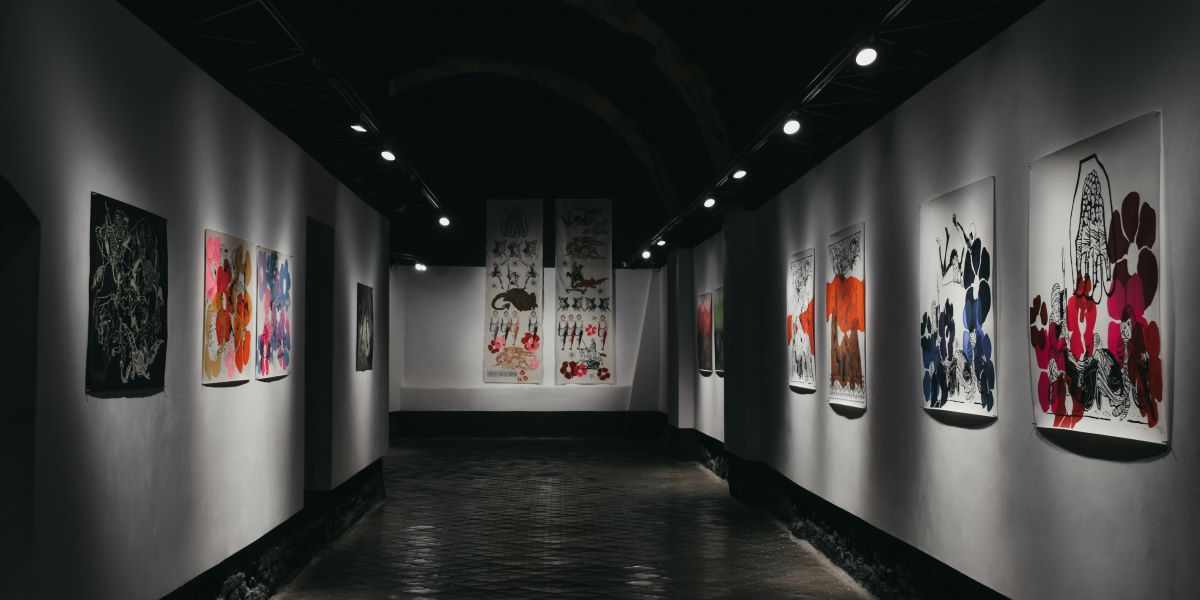
Art Week NYC gives the city a fall counterpart to its spring fair week. May suits visitors who want to see hundreds of dealers in a few buildings. November suits those who want to see exhibitions in the spaces they were made for, where the room and the light become part of the work, as with a Chelsea show of hand-sculpted glass droplets that change with the daylight. For galleries, the new week offers a citywide spotlight without the expense of a fair booth.


FAQs

When Is Art Week NYC 2026?

Art Week NYC runs from Wednesday, November 11, to Saturday, November 14, 2026. Programming takes place in galleries across Chelsea, Tribeca, the Lower East Side, and the Upper East Side, and at participating museums.

Is Art Week NYC the Same as New York Art Week?

No. Art Week NYC is a new November event organized by Artforum with ARTnews and Art in America. New York Art Week is a separate event held each May since 2022 and built around fairs such as Frieze New York, TEFAF New York, and Independent.

Do Art Week NYC Events Require Tickets?

It depends on the program. The New Museum’s “Site Conditions” talks on November 14 are ticketed, and museum exhibitions follow each institution’s admission policy. Visitors should check individual gallery and museum listings for hours and entry details before heading out.

N’Kenge Comes Home to New York’s Jazz Scene This Fall With a Saturday Performance at Aman

By: Aman Jalan

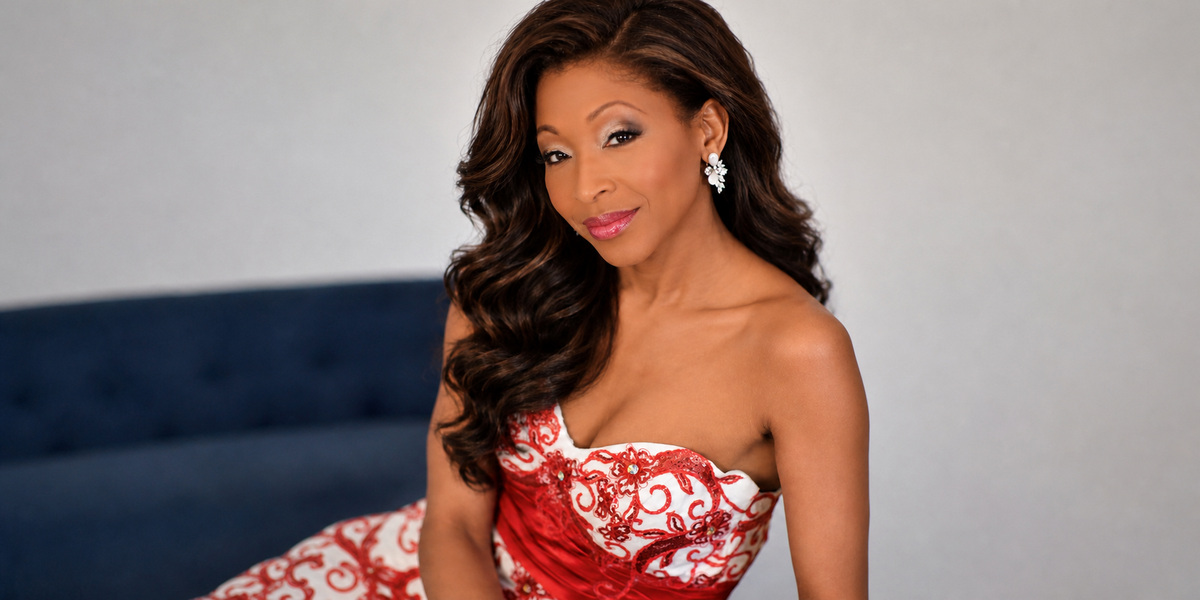
New York has no shortage of great voices, but only a few artists can go from a Puccini opera in Bulgaria to a Harlem supper club within a few weeks and sound right at home in both. N’Kenge is one of them. The Tony, Grammy and Emmy-nominated vocalist is back in her hometown for a fall performance series at some of the city’s best-loved jazz venues. It opened October 30 and runs through December 3, 2026, and the standout date is this Saturday, November 7, at The Jazz Club at the Aman New York.

The homecoming follows a busy European run that showed her range. During Italy’s Fashion Week, N’Kenge performed at Sala Verdi Hall in Milan. She then traveled to Bulgaria, where she starred as Lauretta in Puccini’s Gianni Schicchi at the State Opera in Stara Zagora. For most singers, either engagement would be the high point of a season. For N’Kenge, they were the run-up to a return to the music she grew up with in New York.

“It’s great to be back home and perform at some of my favorite jazz clubs in NYC,” says N’Kenge. “As much as I love performing opera overseas, it’s always a pleasure to get back to singing jazz in New York City!”

A Saturday Night at Aman

The November 7 show at The Jazz Club at the Aman New York, inside the landmark Crown Building at 9 W 56th Street, looks like the series’ most glamorous night. The 9 to 11 p.m. set puts N’Kenge in one of Midtown’s most elegant rooms, and the look is getting as much attention as the music.

For the evening, N’Kenge will be styled by Janna Fey and will wear two New York designers. The first is Randi Rahm, one of the last remaining American couture houses. Working from her Madison Avenue atelier, Rahm has dressed Beyoncé, Carrie Underwood, Miranda Lambert, Billy Porter, Heather Graham, Nicole Scherzinger, Christina Aguilera and many more, and her intricately detailed gowns are a familiar sight on red carpets and stages.

N’Kenge will also wear Shani, the label founded by Parsons-educated designer Shani Grosz. A native New Yorker, Grosz designs her collection in the city’s Garment District, creating elegant daytime and occasion dresses with embroideries and appliqués made from scratch. Sold at Saks Fifth Avenue and Nordstrom, the brand has become a favorite of news anchors and Hollywood names.

The look will be finished with jewelry from SORA by Ksenia Podnebesnaya. The family-owned New York jewelry house, based at the Lotte New York Palace on Madison Avenue, is known for nature-inspired, artisan-made pieces built around South Sea and Tahitian pearls, diamonds and colored gemstones. Its blend of fine craftsmanship and quiet elegance makes it a natural match for a singer of N’Kenge’s poise, and with a voice built for big rooms, Saturday is shaping up to be as much a fashion moment as a musical one.

The band is just as strong. N’Kenge will be joined by pianist ELEW (Eric Lewis), who was recently on tour with Sting, and drummer Camille Gainer, whose credits include Chris Botti, Roberta Flack, Les Nubians, Cyndi Lauper and Alicia Keys. On upright bass is Melissa Slocum, who has worked with Wynton Marsalis, Cab Calloway and Art Blakey. Rounding out the group is trumpeter Alphonso Horne, who has played for Lady Gaga, Tony Bennett and Wynton Marsalis. Together they bring decades of experience across jazz, pop and soul, which suits a singer who moves easily between styles.

An Award-Winning Year

The fall series also comes after a major honor. N’Kenge was named Best Vocalist at the 14th Annual Intercontinental Music Awards in 2026, a global competition, for her live performance of “Bewitched.” The track appears on her acclaimed 2025 album, Centerstage – Live from the Ella Fitzgerald Festival. Her take on the Rodgers & Hart standard “Bewitched, Bothered and Bewildered” marked her jazz debut, and it shows what has made her stand out for years. She has a five-octave range, careful phrasing and real emotional weight, and she makes a song people have heard many times feel new again.

The N’Kenge All-Star Band

Across the series, N’Kenge performs with the N’Kenge All-Star Band: Paul Shinn on piano, Lonnie Plaxico on upright bass, Chris Paredes on drums, and James Gibbs III on trumpet. Select nights also feature Jihee Heo on piano, ELEW on piano, Alphonso Horne on trumpet, Camille Gainer on drums and Melissa Slocum on upright bass. Because the lineup changes, each night can feel a little different, which is part of the appeal for fans planning to see more than one show.

The series covers three of the city’s best-known rooms: the intimate Club Room at the Soho Grand Hotel, a Wednesday-night residency at Red Rooster Harlem, and the refined Jazz Club at the Aman New York. The remaining dates are:

  • November 5, 7–10 p.m.: Red Rooster Harlem (Residency), 310 Lenox Avenue, Harlem, NY 10027
  • November 7, 9–11 p.m.: The Jazz Club at the Aman New York, 9 W 56th St, New York, NY 10019 (The Crown Building)
  • November 19, 7–10 p.m.: Red Rooster Harlem (Residency), 310 Lenox Avenue, Harlem, NY 10027
  • November 21, 7:30 & 9:00 p.m. (two sets): Club Room at Soho Grand Hotel, 310 W Broadway, New York, NY 10013
  • November 26, 7–10 p.m.: Red Rooster Harlem (Residency), 310 Lenox Avenue, Harlem, NY 10027
  • December 3, 7–10 p.m.: Red Rooster Harlem (Residency), 310 Lenox Avenue, Harlem, NY 10027

A Career Without Borders

To understand why N’Kenge can move between jazz clubs and opera houses so easily, look at where she trained and where she has worked. She is a proud alumna of both The Juilliard School and Manhattan School of Music. She has performed as a soloist at Carnegie Hall, Lincoln Center’s Alice Tully Hall and Madison Square Garden, and has headlined pop and opera concerts with the Houston, Seattle, Jacksonville, Cincinnati and Indianapolis symphonies and the Cleveland Orchestra. She has sung for U.S. presidents and global dignitaries, and she was a presenter at the 58th Annual New York Emmy Awards.

Broadway audiences know her too. She made her debut in Sondheim on Sondheim and most recently appeared in the Tony-winning revival of Caroline, or Change. Her roles in Elton John and Tim Rice’s Aida and Marion Caffey’s 3 Mo’ Divas earned her Outstanding Lead Actress in a Musical nomination from the Helen Hayes Awards and the ariZoni Theatre Awards. In jazz, she has shared stages with Ornette Coleman and Wynton Marsalis. She has also found a new audience online with her worldbeat single “Goosebump Moment,” which took off on TikTok.

She is also building new projects. N’Kenge is developing a Broadway-bound musical celebrating the life and music of Dorothy Dandridge, and she is developing and producing a TV musical dramedy, Black Butterfly. Her latest single, “Feel Alive,” is out now on all major streaming platforms.

For now, though, her focus is on New York and its jazz rooms, where she seems most at home. Whether you catch her at Red Rooster on a Wednesday night or dressed in Randi Rahm, Shani and SORA jewelry at the Aman this Saturday, you’ll be seeing a singer at the top of her game.

For more info:

NKengeMusic.com

Instagram

A Triumphant Night at Carnegie Hall as Soprano Fang Tao Jiang Achieves Grand Success with Sold-Out “Bel Canto: From the Past to the Future”

By: Yuting Zhou

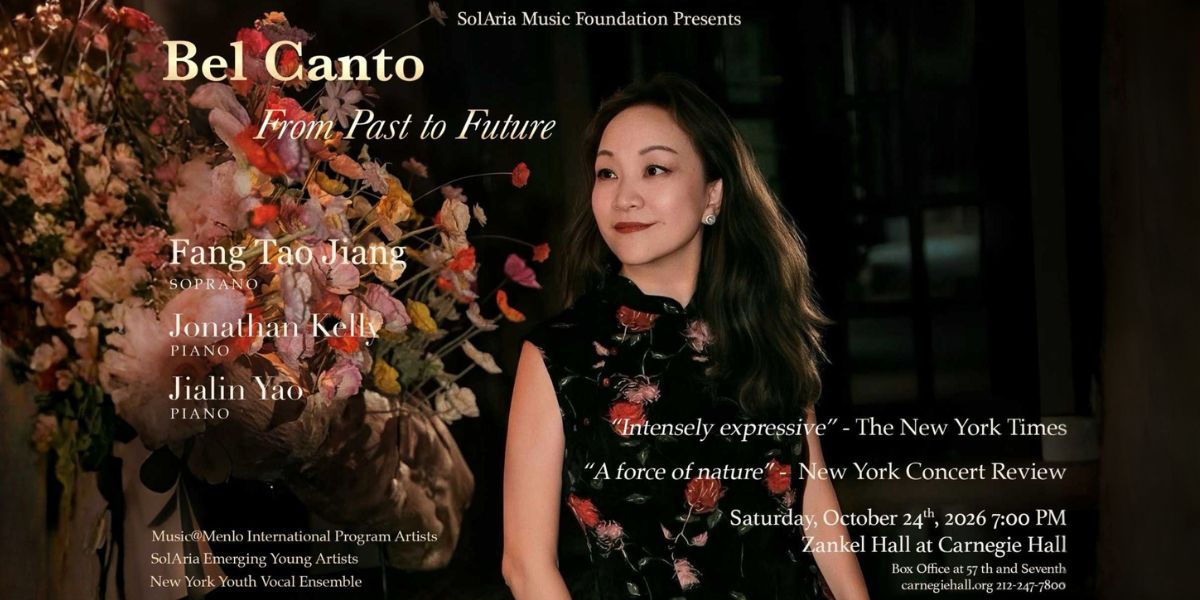
NEW YORK, NY, October 28, 2026. Following her sold-out recital at Carnegie Hall’s Weill Recital Hall in 2025, soprano Fang Tao Jiang, praised by The New York Times, returned to Carnegie Hall on October 24, 2026, for another sold-out performance with Bel Canto: From the Past to the Future at Zankel Hall. Bringing together distinguished instrumentalists, emerging vocal talents, and young singers, the evening celebrated the enduring power of the human voice, the richness of cross-cultural musical expression, and the vital importance of passing artistic traditions to future generations. Further information about the soprano is available on her official website.

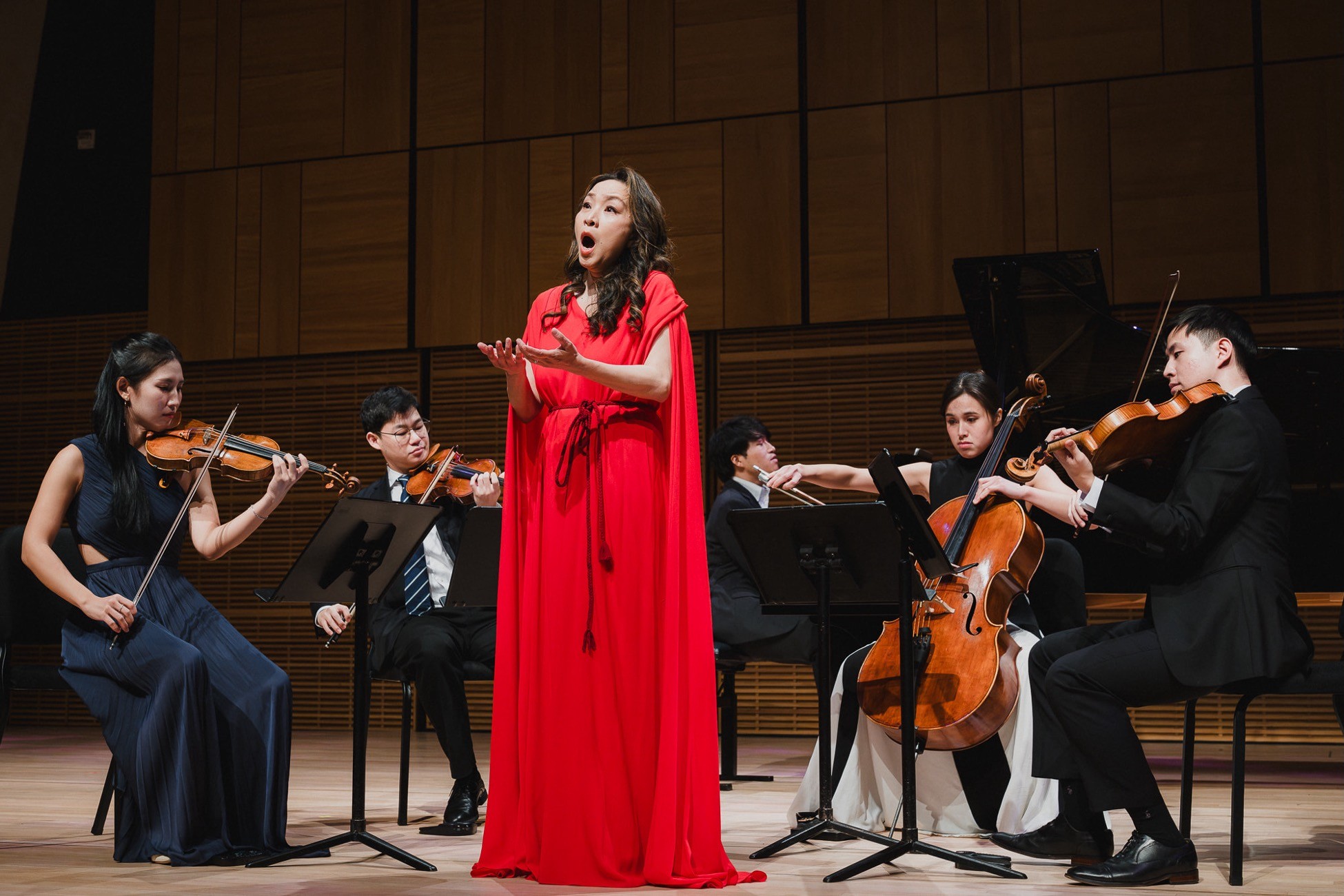
Connecting the bel canto tradition with diverse musical voices and contemporary expression, Jiang’s ambitious program was brought to life alongside pianist Jonathan C. Kelly of the Metropolitan Opera, award-winning pianist Jialin Yao, and instrumentalists Hanna Park, Tianyou Ma, Andy Park, and Shengyu Meng, associated with the prestigious Music@Menlo International Artists Program. Featuring music by Bellini, Schubert, Debussy, Mozart, Lehár, Bernstein, Huang Ruo, and other composers, the program brought together European art song, opera, chamber music, contemporary works, and Chinese songs in a celebration of music across languages, cultures, and generations.

Photo Courtesy: Dan Wright

At the heart of the concert was Jiang’s belief that bel canto is more than a vocal technique. It is a living tradition rooted in the profound connection between human expression and music. Her singing is distinguished by refined legato, precise breath control, and a resonant, flexible tone that allows her to move easily between intimate lyricism and dramatic intensity. With expressive phrasing, clear diction, and a deeply personal interpretive style, Jiang brings technical command and emotional immediacy to her performances.

Critic Jeffrey Williams from New York Concert Review praised Jiang’s interpretation of the repertoire, observing that she “demonstrated her versatility with almost an off-handed ease,” while describing her rendering of Bellini as capturing “the shimmering bel canto beauty” characteristic of the composer. The review recognized her ability to move effortlessly across musical periods and styles, reflecting both her artistic maturity and the breadth of her musical expression.

The critic hailed Jiang as an outstanding singer and teacher and as “an exceptional organizer,” concluding, “She is a true dynamo!” The review also highlighted her approach to mentoring young artists, pointing out that she creates opportunities for them to shine, “never overpowering them with her experience and fully-developed artistry.”

Recognizing the exceptional promise of the young performers, the critic reflected, “We may have heard some stars of the future this evening.” The review also singled out the remarkable potential of the SolAria Emerging Young Artists: Zhongjiancheng Deng, Xinran Du, Miaoyan Hou, Yuyao Chen, Yushan Guo, Junyue Gong, Rondy Liu, Jiayin Wang, Melissa Wang, Alan Huang, Andrew Hansong, and Ruochen Yang, affirming the importance of providing emerging artists with meaningful opportunities to develop their artistry and experience the professional stage.

In a moving moment of shared musical connection, Jiang invited the entire audience to join in singing the beloved Chinese song May We Share the Moon Forever (但愿人长久). The experience affirmed that music transcends language, allowing love, hope, and shared humanity to resonate across cultures.

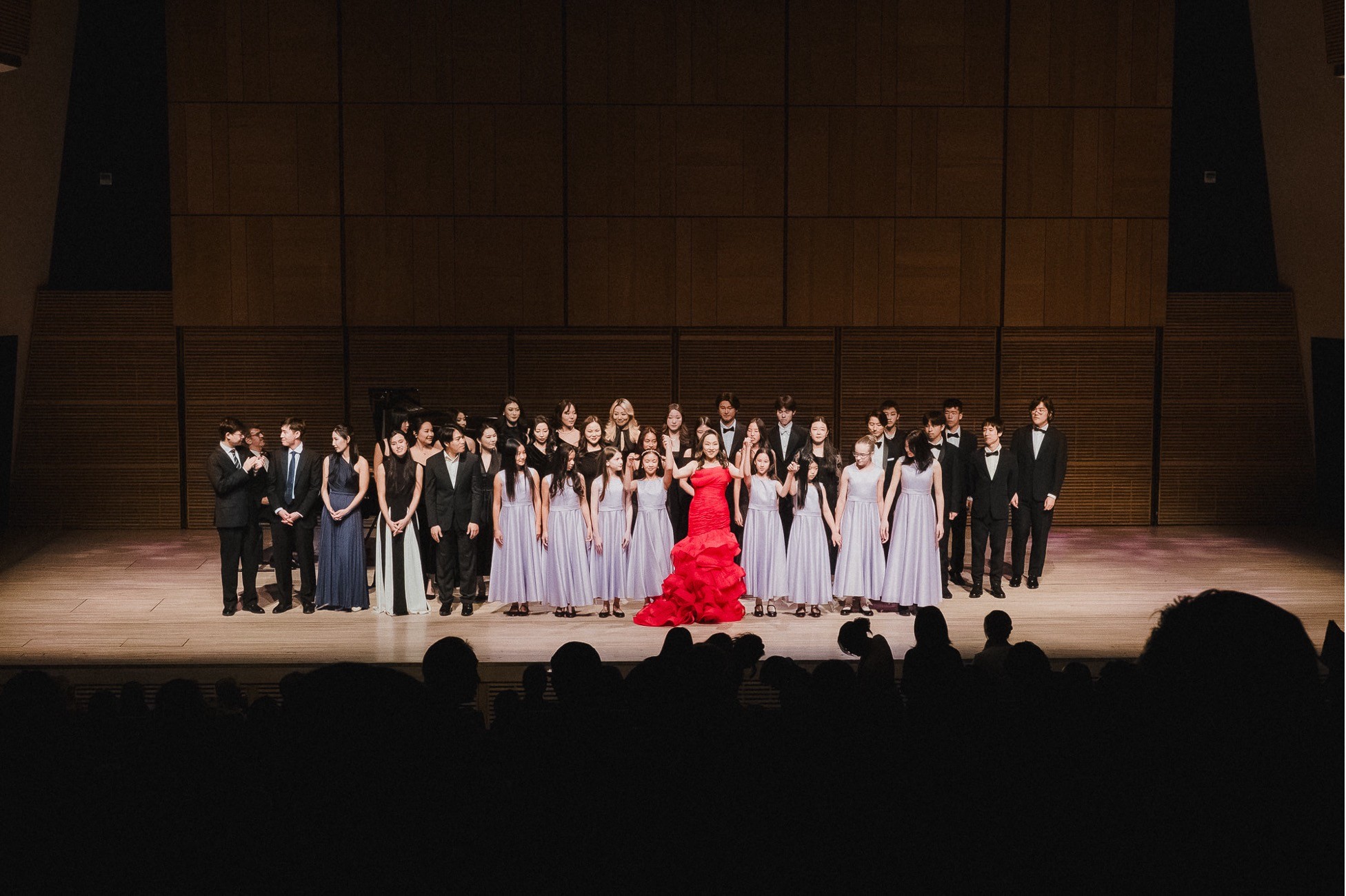
Another defining highlight of the evening was the participation of the New York Youth Vocal Ensemble, which is formed by vocal students from Fang Tao Jiang’s vocal studio. Its soloists (Sophie Edelman, Camila Ho-Alvarez, Isla Wu, May Gong, Kia Rogers, Elkan Zhang, Alan Huang, Melissa Wang, Andrew Hansong, and Lirong Liu) stood out with confident and expressive performances.

At a time when artificial intelligence and technology are rapidly transforming the creative world, Bel Canto: From the Past to the Future offered a reminder of what makes live music uniquely human. The beauty of a living voice, the emotion carried through a musical phrase, and the shared experience between performers and audiences create a connection that technology alone cannot fully replicate.

Photo Courtesy: Dan Wright

As an internationally active soprano and dedicated vocal educator, Jiang balances her performing career with her work helping singers develop vocal freedom, technical confidence, and individual artistry. Founded by Jiang and her husband, Hal Edelman, the SolAria Music Foundation is a 501(c)(3) nonprofit organization dedicated to supporting young artists through scholarships, education, mentorship, financial assistance, and performance opportunities.

For Jiang, nurturing young talent and cultivating young audiences are inseparable. SolAria Music Foundation has also established a Young Leaders Board to encourage young people to develop leadership skills and make a meaningful impact through music and community engagement.

Among its members are Miaoyan Hou, a fourth-year student at Harvard University, and Tiffany Qianxun Zhao, a high school student at Phillips Academy Andover. Inspired by their passion for music, leadership, and community service, Hou took on production management, while Zhao served as public relations director for the Carnegie Hall concert, helping with fundraising, promoting the event, and extending its reach to a broader audience. Their involvement exemplifies the foundation’s commitment to encouraging young people not only as artists but also as cultural advocates and community leaders.

Through SolAria, Jiang hopes to build a lasting artistic community in which every voice has the opportunity to be heard, every young talent has the opportunity to flourish, and the love of music continues from one generation to the next.

The foundation’s motto holds that every voice can find a song, and every song has a voice.

Authored by Dr. Yuting Zhou

Dr. Yuting Zhou is a pianist, scholar, translator, and music critic whose writing explores musical performance, interpretation, and artistic expression.