How Kalin Edrev Is Bridging Energy Partnerships Between the Middle East, Bulgaria, and the United States


From environmental finance and infrastructure investment to strategic energy initiatives, international cooperation is becoming an increasingly important driver of the global energy sector. Recent projects involving Bulgarian entrepreneur Kalin Edrev illustrate how cross-border partnerships are helping strengthen ties between Europe, the Gulf region, and the United States.

A New Chapter in International Energy Cooperation

The global energy sector is undergoing a period of transformation. Alongside the continued importance of traditional energy resources, governments, investors, and private organizations are expanding their focus toward sustainability, infrastructure modernization, and international collaboration.

Partnerships that bring together expertise, investment, and regional knowledge are becoming increasingly valuable. Rather than operating within isolated markets, organizations are seeking opportunities to collaborate across borders, creating networks that support long-term economic development and innovation.

As these shifts continue, Bulgarian entrepreneur Kalin Edrev has participated in several initiatives that reflect the growing importance of international cooperation between the Middle East, Bulgaria, and the United States.

Expanding Cooperation Between Kuwait and Bulgaria

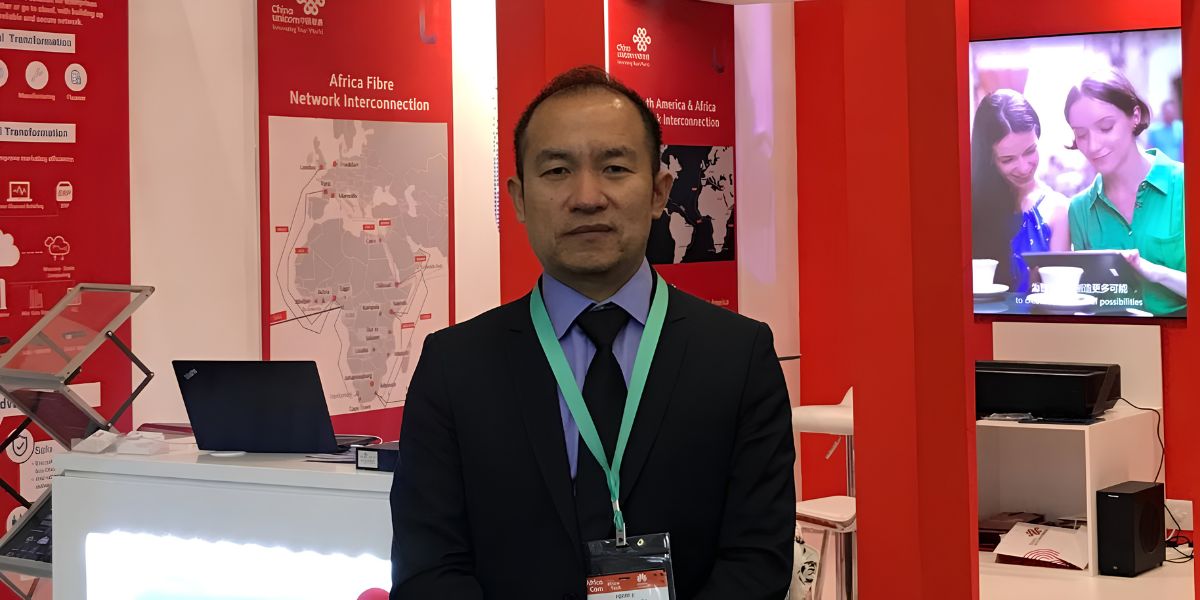
Photo Courtesy: Kalin Edrev

One of the most significant recent developments has been the expansion of cooperation between Kuwait and Bulgaria through Global Oil Center Kuwait.

Following a joint venture agreement with Mohammed A. Khorshid, Chief Executive Officer of Global Oil Center Kuwait, the company established its presence in Bulgaria, creating a platform for future collaboration between partners in the Gulf region and Southeastern Europe.

The initiative represents more than a business expansion. It reflects the growing importance of linking regional expertise with international investment while encouraging long-term cooperation in the energy sector.

Energy Meets Environmental Finance

The industry’s evolution is also creating closer links between energy and sustainable investment.

Edrev currently serves as Director for Strategic Partnerships at Sagint USA, an environmental finance company co-founded by Saudi businessman Bader Abdulah Al-Suwaidan and financier Khalid Al Saeed. The organization focuses on initiatives involving waste management, clean energy, and industrial modernization.

In this role, Edrev helps strengthen relationships among institutions, investors, and organizations working on projects that combine environmental responsibility with long-term infrastructure development.

As sustainability continues to influence investment decisions worldwide, partnerships between the energy and environmental sectors are becoming increasingly significant.

Expanding Strategic International Networks

Earlier this year, Edrev also joined The R. Rockefeller S.C. USA, an international private organization focused on green energy, artificial intelligence, and geopolitical analysis.

Following meetings in Bulgaria with Executive Vice President Valentino Loforese, he was appointed Director for Bulgaria, supporting the organization’s regional initiatives and helping expand its international partnerships.

The appointment further reflects the growing value of organizations capable of connecting expertise across industries and geographic regions.

Looking Ahead

As global energy priorities continue to evolve, international collaboration is expected to play an increasingly important role in shaping investment, infrastructure, and sustainable development.

The initiatives involving Kalin Edrev reflect this broader trend. Spanning conventional energy, environmental finance, and strategic partnerships, they illustrate how stronger connections between the Middle East, Europe, and the United States are contributing to a more interconnected global energy sector.

About Kalin Edrev
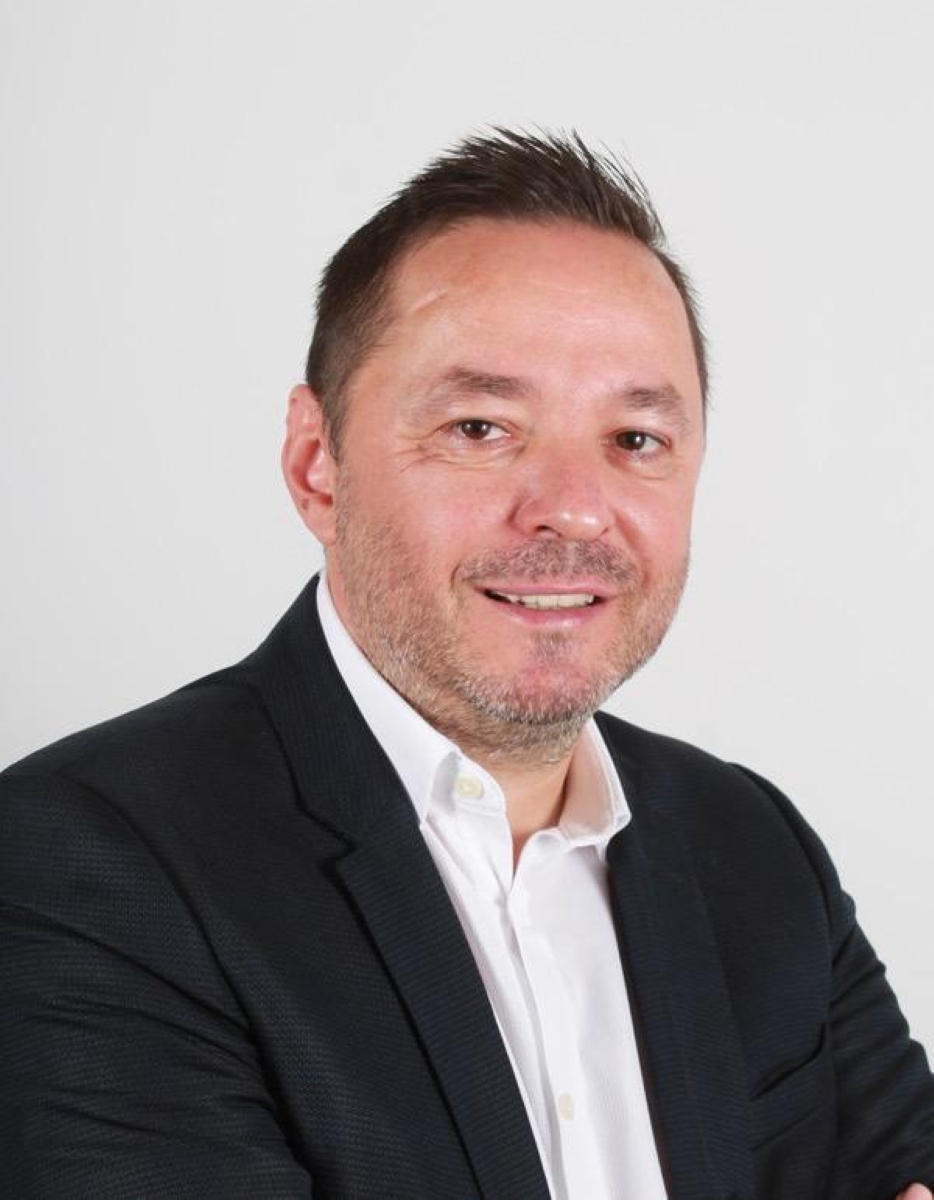
Photo Courtesy: Kalin Edrev

Kalin Edrev is a Bulgarian entrepreneur specializing in international business development and strategic partnerships across the energy, environmental finance, and infrastructure sectors. His work focuses on fostering collaboration between organizations in Europe, the Middle East, and the United States through cross-border investment initiatives and institutional cooperation.

Additional background:

https://www.gulf-times.com/article/707910/business/forging-energy-ties-across-continents-kalin-edrev-and-clover-internationals-strategic-expansion

Dr. Marlon Burton Explores How Strong Family and School Partnerships Improve Student Achievement

Student success extends far beyond the classroom. While effective teaching and strong school leadership are essential, meaningful partnerships between families and schools create an additional layer of support that helps students thrive academically, socially, and emotionally. When educators and families work together toward common goals, students benefit from consistent expectations, improved communication, and a stronger sense of belonging.

Dr. Marlon Burton, an educator and leadership consultant with extensive experience in K–12 administration and higher education, believes that family engagement is one of the most valuable yet underutilized resources in education. By building authentic relationships with families and fostering ongoing collaboration, schools can create learning environments that empower every student to reach their full potential.

Building Trust Through Open Communication

Successful family and school partnerships begin with trust. Schools that communicate openly and consistently help families feel informed, respected, and involved in their children’s education. Regular updates on academic progress, classroom activities, and school initiatives encourage parents and guardians to become active participants in the learning process.

Dr. Burton emphasizes that communication should be a two-way conversation. Educators benefit from listening to families, understanding their perspectives, and recognizing the unique experiences each student brings to the classroom. This mutual respect strengthens relationships and creates a foundation for long-term collaboration.

Creating Consistent Expectations

Students perform best when expectations at home and at school reinforce one another. When families and educators share common goals related to attendance, behavior, academic effort, and personal responsibility, students receive clear and consistent messages about what success looks like.

School leaders can support this alignment by providing families with practical resources, academic guidance, and opportunities to discuss student progress. Even small, consistent interactions can help create a unified support system that motivates students to stay engaged and accountable.

Encouraging Family Involvement

Family engagement extends beyond attending parent-teacher conferences or school events. Schools can encourage meaningful involvement by inviting families to participate in classroom activities, volunteer opportunities, advisory groups, and educational workshops. These experiences help families feel connected to the school community while demonstrating to students that education is a shared priority.

Dr. Burton believes that schools should also recognize and accommodate the diverse needs of families. Offering flexible meeting times, virtual participation options, and multilingual communication can make engagement more accessible and inclusive.

Supporting Student Confidence And Well-Being

When students see positive relationships between their families and educators, they often feel more confident and supported. Knowing that the important adults in their lives are working together reinforces a sense of security and encourages students to seek help when challenges arise.

Strong partnerships also allow schools to identify concerns earlier, whether they involve academic performance, attendance, or social and emotional well-being. Early collaboration enables families and educators to develop effective solutions before small issues become larger obstacles.

Building Stronger School Communities

Family engagement contributes to a more connected and collaborative school culture. Schools that value family partnerships create environments where trust, respect, and shared responsibility become part of the everyday experience. These relationships strengthen not only individual student outcomes but also the overall health of the school community.

School leaders play an essential role in fostering this culture by prioritizing family engagement as a core component of school improvement rather than an occasional initiative.

Looking Ahead

Strong family and school partnerships are among the most effective strategies for improving student achievement. When educators and families communicate openly, establish shared expectations, and work collaboratively to support student growth, learners are better positioned to succeed both academically and personally.

Dr. Marlon Burton believes that education is most effective when it is built on partnership. By strengthening the connection between home and school, educators can create supportive learning environments where every student has the opportunity to thrive and achieve lasting success.

Jianwei Ji’s Innovative Horizontal Delivery Theory and The Significant Revolution in Telecom Project Delivery Model

“I am so worried that the current telecom project delivery is getting more and more complex and difficult; how to effectively control the delivery progress?” Jianwei Ji always hears this kind of question and complaint arising from his colleagues who are taking the project delivery management work. As a telecom project delivery professional working in California, USA, Ji has been working in this field for almost two decades, and he has already had his own answer for this tough question. He calls it the horizontal delivery model.

After years of project delivery experience, Ji gradually developed this model. It was formed based on his years of experience, as well as repeated adjustments and updates in practice. Ji now introduces the model to more and more project management people, and a growing number of them are applying it in their own delivery work.

Delivery Mode of Traditional Telecom Projects

The scope of delivery of telecom projects generally includes the infrastructure part (I-Layer), the platform part (P-Layer), and the business service part (S-Layer). The delivery of I-Layer/P-Layer/S-Layer is like pagoda building construction, which needs to be carried out from the bottom up. Business applications are located on the top layer of this pagoda and need to rely on I-Layer/P-Layer as the foundation.

The delivery mode of traditional telecom projects can be called the vertical delivery mode; that is, the work from the infrastructure layer, the platform middleware layer, to the service layer is completed by a delivery team of the construction party, i.e., the lump sum mode. The members of this team need high-level professionals in different fields to complete all the work in the delivery. The requirements for the skills of the personnel are relatively high. The number of personnel occupied is large, and the deployment of personnel is difficult. It is easy to cause high delivery costs, and the delivery time is easily delayed. After delivery, the maintenance cost is high due to insufficient skill transfer after delivery. For a long time, the delivery of telecom projects has basically adopted this delivery model. It is becoming more and more difficult for a closed delivery team to complete projects with quality and quantity, which is one of the root causes of operators’ criticism.

Proposal for a New Horizontal Delivery Theory

In view of the disadvantages of the vertical delivery mode of traditional telecom projects, through continuous thinking and exploration, the following changes are considered: the non-core parts, that is, the infrastructure layer and the platform middleware layer, are stripped off and handed over to a third party by way of manpower outsourcing. Self-owned manpower focuses on completing application and service layer work and project management. In this way, the project delivery team’s own manpower occupation will be reduced, and the work on the infrastructure layer and platform middleware layer will be completed by third-party professional and technical personnel. The self-owned manpower does not need to invest too much energy and technical reserves in non-core parts. The third party is included in the project team by way of manpower outsourcing, and manpower is released after the work is completed. In this delivery mode, the project’s own manpower can only be used to deliver the application, and the rest is done by third-party professionals. The intent of this structure is to give the delivery team tighter control over its own manpower occupation and delivery costs.

Adopting PSI (Probability of Success Indicator) in the Model

In general, it is necessary to adopt PSI (Probability of Success Indicator) to monitor and control the overall delivery. PSI can be understood as a success probability index, that is, the scoring and evaluation of project success during project execution, which can be measured at any time in the project life cycle according to the standard, indicating how likely the project is to succeed. In the project delivery, the core service layer delivery is completed by self-owned manpower, the infrastructure layer and platform layer are outsourced to third-party manpower, and the PSI individual or organization supervises and controls the overall delivery progress of the project.

The role of PSI involves the continuous assessment of risk points and the ongoing adjustment of response strategies. In actual project delivery, the PSI is scored out of a maximum of 100 points based on multiple dimensions, including the clarity of project objectives, the existence of a finalized, explicit, and detailed task list, and the inclusion of contingency measures in the plan. A score of 60 indicates a “pass with room for improvement” status, meaning risks exist but are controllable, requiring prompt corrective action. A score of 80 or above signifies good project progress, requiring sustained improvement or minor optimization of specific details. Scores below 60 necessitate immediate remedial action; if necessary, delivery may be suspended and only resumed once the score reaches or exceeds the 60-point threshold.

Accordingly, the higher PSI score indicates the higher project delivery quality. During the delivery process, delivery strategies should be adjusted based on the PSI value, and personnel should be allocated and released in accordance with the delivery schedule to avoid unnecessary waste of human resources. The entire delivery process should be guided by the principles of the horizontal delivery model.

The Advantage of the Horizontal Delivery Model

In the horizontal delivery model, each team has a clear dependency and cooperation relationship throughout the delivery process. Cost control, manpower saving, and delivery reliability are the considerations that have driven the gradual transition to the horizontal delivery model. On the basis of continuous exploration and summarization of experience, more and more project managers are learning and adopting the horizontal delivery model. The model is built to address the problems that surface most often in vertical delivery, namely budget pressure, schedule slippage, and the maintenance burden that follows an incomplete skill transfer.

Forty Years Deep, How Gelotti Built a Paterson Legacy

By: Joselin Estevez

Forty-plus years. One family. Countless cones.

On any given night, in any season, the line outside Gelotti at 2 Union Avenue in Paterson, New Jersey, tells you everything you need to know about the shop’s staying power. Even in the dead of winter, locals bundle up for milkshakes, cookie sandwiches, and sundaes. It’s not a seasonal indulgence here; it’s a ritual, one that has been passed from parent to child for two generations, and counting.

At the center of it all is Robert Sigona, who took the reins of Gelotti from his father, Sal, in 2018. Sigona didn’t inherit a business so much as a way of life, but understanding that distinction is the key to understanding why Gelotti has outlasted nearly every trend that’s swept through the ice cream industry since the 1980s.

Born Into It

Sigona’s earliest memories aren’t of birthday parties or backyard games; however, they’re of learning to write his name on a guest check at the shop counter. By second grade, he was already doing school projects on how to make an ice cream cake. By ten, he was calling the shop after school to put in his own order, a cookies and cream milkshake, non-negotiable. When his father occasionally refused the request, young Robert simply learned to go around him, charming the staff directly. “They knew exactly how I liked it, and there’s nothing my dad hates more than wasting food, so he’d be forced to bring it home to me even when he didn’t want to,” Sigona recalls with a laugh.

By twelve, he was working the shop his mother, Roxane Sigona, ran in Caldwell, sneaking into the back to scrub buckets just to be near the action. What started as a kid hanging around his parents’ business became something else entirely at fourteen, hauling boxes in the warehouse on a brutally busy day. “I just remember saying to myself, ‘I was born for this,'” he says. “My path was decided.”

It’s a familiar arc for children of family-owned businesses, whether it’s the summer job, the after-school shifts, the reluctant Saturday punishments that doubled as apprenticeships. (“I was always grounded on Saturdays,” Sigona jokes. “My punishment was to go work at Gelotti with my dad. It wasn’t much of a punishment.”) What’s rare is what came next: an owner who didn’t just keep the lights on, but reimagined the business without ever loosening his grip on what made it special in the first place.

Innovation Without Losing the Soul

Every multi-generational business faces the same quiet tension: how do you evolve without erasing what your customers fell in love with? Sigona watched that tension play out firsthand, growing up between two strong-willed parents: his mother, who was always chasing the next idea, and his father, who resisted change on principle. “My mom always wanted to come up with new things. My dad hated change,” he says. “I grew up watching that battle, but my mom eventually won when my dad saw the results.”

One of those results was the Lil Chippies, Gelotti’s now-trademarked miniature ice cream sandwiches, which remain one of the shop’s best-selling items to this day.

Since taking over, Sigona has carried that same instinct forward, but always in service of the shop’s founding values rather than in spite of them. His signature move was building out an in-house baking program from scratch: buying an oven, hiring baker Tahmina Akhter through the Paterson nonprofit Eva’s Village, and developing a from-scratch pipeline for the cookies, cakes, and mix-ins that go into Gelotti’s frozen creations. In seven years, that program has produced more than 50 original recipes.

The move wasn’t just about flavor. Baking in-house gives the shop tighter control over inventory, allows surplus ingredients to be repurposed into limited-edition mix-ins instead of thrown away, and perhaps most meaningfully, creates local jobs. Through the Eva’s Village partnership and collaborations with area high schools, Gelotti has become not just a customer of the Paterson community, but an employer within it.

Sigona also pushed the shop into new dietary territory, spearheading a line of vegan flavors built on a custom-developed creamy, dairy-free base, because, as he puts it, the vegan community in Paterson deserved more than just Italian ice.

The Gelato Difference

Photo Courtesy: Gelotti

Ask Sigona to explain the difference between ice cream and gelato, and you’ll get a small education. Gelato is made with less cream and less air, is churned more slowly, and, done right, should never contain eggs. The result is a denser, silkier product that Sigona has spent years refining to match what he tasted on childhood trips to Sicily. “People say our gelato is just as good as in Italy,” he says. “Growing up, going to Sicily for vacation, that’s all I ever wanted to serve the same quality gelato I’d eat over there.”

Today, Gelotti’s case holds more than 30 gelato flavors alone, alongside sorbet and frozen yogurt, a rotating, seasonally driven menu where summer brings fresh blueberry and winter ushers in pumpkin pie and caramel apple. Developing each one is painstaking work, particularly with fruit. “You have to work really hard to balance the acidity, otherwise it curdles the milk,” Sigona explains. It’s the kind of technical precision that customers rarely see, but always taste.

A Business Built on Giving Back

Ask Sigona what community means to Gelotti, and his answer is immediate: “Everything.” The shop sponsors local Little League teams and works with Table to Table to help feed Paterson’s area homeless population.

It’s not a marketing checklist, but a philosophy inherited straight from the shop floor Sigona grew up on. “We aren’t doing this for attention,” he says. “We aren’t Gelotti without the community. So that’s why we do it.”

Change and Constancy

Not everything has stayed the same. The Caldwell location, once run by Sigona’s mother, has been unaffiliated with the family business since around 2011. The Paterson flagship itself has been fully renovated over the years; even the pine tree that once stood at the center of the lot exists now only in memory. But Sigona sees change and continuity as two sides of the same coin. “We’ve definitely seen a lot of changes over the years, but we’ve also seen a ton remain the same,” he says. “What made us what we are, which includes family, community, and quality, is still a guiding light. That will never change.”

What’s Next

With a stronger internal culture, longer employee tenures, and a new generation already logging hours behind the counter, Sigona’s attention is beginning to turn toward growth, carefully, and on his own terms. Whatever comes next for Gelotti, tradition and quality will remain non-negotiable.

For now, though, Sigona seems perfectly content exactly where he is, mentoring the next wave of Gelotti kids the same way he was once mentored. “I’m guiding these younger kids, but it’s funny, because I still feel like a kid myself,” he says. “How can I not? I work in an ice cream shop.”

Forty-plus years in, that’s still the whole point.

Inner Mongolia SeekBoker Mining Technology Advances Green Transformation Through Materials Innovation

By: Jack Lee

As the global mining industry moves toward greater efficiency, environmental responsibility, and technological modernization, materials innovation is becoming an increasingly important part of the transformation of traditional mining operations. In coal mining, specialized materials can contribute not only to equipment reliability and operational efficiency, but also to environmental performance and the long-term sustainability of industrial processes.

In 2026, Inner Mongolia SeekBoker Mining Technology Co., Ltd. participated in a technological achievement that received the Environmental Protection Science and Technology Award, presented by the International Science Center (ISC). The recognition highlights the company’s active participation in technological innovation and its efforts to explore practical applications of innovative materials in the mining industry.

Based in Dongsheng District, Ordos, Inner Mongolia, SeekBoker is an innovative materials company integrating research, manufacturing, technical services, and industrial application. The company focuses on the operational, maintenance, and environmental requirements of coal mining enterprises, developing specialized products designed for demanding industrial conditions. Its product portfolio includes hydraulic support fluids, emulsified oils, antifreeze fluids, cleaning fluids, heavy-duty engine coolants, cutting fluids, and other materials used in mining and related industrial applications.

These products are developed around specific operational challenges encountered in mining environments. Mining equipment is often required to operate continuously under conditions involving heavy loads, dust, temperature fluctuations, water exposure, and intensive mechanical wear. Specialized fluids and maintenance materials can therefore play an important supporting role in equipment protection, maintenance efficiency, operational stability, and resource utilization.

SeekBoker has established a research and development center in Shanghai and a branch in Hebei, while maintaining offices and service capabilities in Taiyuan, Yulin, Yinchuan, Xi’an, Huangling, and other locations. Through this network, the company is able to remain close to major mining regions and better understand the practical requirements of customers. Its products and services have been applied by a number of major coal enterprises in China, providing the company with experience in translating materials research into real-world industrial applications.

The company’s development strategy is centered on connecting technological innovation with practical mining requirements. Rather than treating environmental protection and industrial efficiency as separate objectives, SeekBoker seeks to integrate them through improvements in materials technology. More efficient and durable industrial materials can help reduce maintenance requirements, improve equipment utilization, extend service life, and support more efficient use of industrial resources.

The 2026 Environmental Protection Science and Technology Award represents an important milestone in SeekBoker’s development. More broadly, the recognition reflects the growing importance of technological innovation in addressing environmental and efficiency challenges within traditional industries. For mining enterprises, the transition toward greener production requires not only large-scale equipment upgrades, but also continuous improvements in the materials and technologies that support daily operations.

Looking ahead, SeekBoker plans to continue strengthening research and development, expanding the application of innovative materials, and participating in scientific and industrial projects related to green mining and environmental protection. By combining materials research with practical industrial experience, the company aims to contribute to the modernization of mining operations and the development of more efficient and environmentally responsible production practices.

As the mining sector continues its transition toward intelligent, efficient, and greener development, companies capable of connecting scientific innovation with real-world industrial needs are likely to play an increasingly important role. SeekBoker’s continued exploration of materials technology represents one example of how innovation within traditional industrial supply chains can contribute to the broader transformation of the mining industry.

From a Dumpster Search to a Mayor’s Office: How This Student Learned to Show Up for Others

Makayla Niu was fourteen when she left Taiwan to attend boarding school in the United States. She arrived without family nearby, without a friend group, and without a clear sense of how to navigate a completely unfamiliar environment. A few months into her first year, she lost a childhood stuffed animal she believed she had accidentally thrown away. For three days, she woke up early and walked to the dumpsters to look for it before class. She called her parents repeatedly, but there was nothing they could do from across the world. She was too embarrassed to tell a teacher she had already searched through the trash herself. It was a small loss that became, in that moment, a larger question about whether she belonged at the school at all.

What carried her through that period were two senior prefects in her dorm, Caroline and Tonfai. Caroline spent hours with her during study hours, some nights filled with easy conversation, others spent on the floor while Makayla cried through doubts about whether boarding school had been the right decision. Tonfai guided her through dance, helping her navigate a program she initially found intimidating and staying present through projects she was too nervous to attempt alone. What Caroline and Tonfai did was not cure her homesickness. It showed her how to trust people again and prove to her that she never had to face any of it alone. That lesson is what Makayla has spent the years since trying to give to other people.

Learning to Be the Person Who Stays

By the start of her sophomore year, Makayla was one of six returning students in her dorm, surrounded by new freshmen and sophomores navigating the same disorientation she had felt a year earlier. The faculty gave the returning students more responsibility that year, and Makayla found herself in the position Caroline and Tonfai had once occupied for her. She remembers finding a younger student crying in her room right before a dorm meeting, sitting with her, and staying until she felt steady enough to walk into the room. That instance, and others like it that fall, clarified something for her: she wanted to be someone people could lean on.

That instinct led her to apply for Freshman Prefect, the most competitive leadership position at her school, reserved for seniors and determined entirely by three years of faculty observation. Nearly the entire grade, about eighty students, applied. The process took three months and included a written statement, a school-wide student survey nominating candidates as fit or unfit for the role, and a formal interview with two current prefects and every dorm head at the school. Makayla was selected and will step into the role as a senior. She describes wanting the position for a specific reason: to give incoming students the kind of steady presence she once needed and eventually found.

Representing Students Where Decisions Get Made

Since her freshman year, Makayla has also served as a Residential Life Representative, a role selected through application and interview with the student body president and vice president, for two consecutive years. The position places her in weekly meetings with the faculty who oversee residential policy, where representatives are expected to voice how proposed changes will actually affect students.

One of the clearest examples of that advocacy came when administrators considered reintroducing mandatory morning room checks partway through the school year. Several faculty members were hesitant, uncertain whether a policy shift mid-year would land well with students. Makayla and her fellow representatives disagreed. Based on conversations with their peers, they believed the change was both reasonable and worth pushing for, and they said so directly in the room. The policy was reinstated. It is a small example, but it reflects the role as Makayla has approached it: not a title to hold, but a responsibility to actually use.

Earning a Seat in a Room Built for Adults

That same persistence shaped how Makayla secured an internship at the Mayor’s Office in Tenafly, New Jersey. Finding an internship as a high schooler proved difficult. She cold-called and emailed ten different offices and organizations, following up where she could, and heard back from only two, both of which turned her down because of her age. A connection through her father eventually led to the mayor’s direct contact information. She emailed him immediately, secured a call, and spent the conversation making the case that her age should not be mistaken for a lack of capability. After two more calls, she was offered the internship. The entire process took about two weeks.

Once there, her early work was valuable. Much of it involved data entry and scanning documents, tasks that could easily read as ordinary on paper. But even that work taught her what government operations actually look like behind the scenes, knowledge that most students her age never get close to. As she built professional relationships with the staff around her, she was gradually entrusted with more substantive responsibility, eventually helping process business licensing applications that required understanding licensing requirements, reviewing submissions for completeness, and coordinating across municipal departments to keep applications moving.

Through the role, she also attended networking events connected to the Federal Enforcement Homeland Security Foundation and UN-adjacent professionals, where she learned that opportunity in that world depends as much on relationships as on technical knowledge. Several professionals she met encouraged her to reach out again the following year about future internship opportunities, a small but concrete return on hours spent introducing herself and asking questions in rooms where she was often the youngest person present.

What the Pattern Adds Up To

Makayla is candid that she has not settled on a single direction. Her exposure to municipal government this past year has deepened an interest in law and political science, though she is still working out what shape that interest will eventually take. What is already clear is the pattern underneath everything she has pursued so far: a student who arrived somewhere unfamiliar, was held up by people who did not have to help her, and has spent every year since making sure she is that person for someone else. From a dorm room in her sophomore year to a mayor’s office two states away, the throughline has not changed. She shows up, and she stays.

How to Build a Balanced Suppressed Hunting Rifle System

Key Takeaways

  • Choose a suppressor as part of the entire rifle setup, not as an afterthought.
  • Match caliber, barrel length, weight, mount, and materials to the type of hunting you do.
  • Confirm zero and point-of-impact shift with the suppressor installed before every season.
  • Suppressed centerfire rifles are not silent, and hearing protection still matters.
  • Review federal, state, and destination-specific hunting rules before traveling.

A suppressed hunting rifle should feel like one complete field system. Adding a suppressor changes overall length, muzzle weight, balance, recoil feel, and sometimes the rifle’s point of impact. The right setup is not necessarily the quietest or most compact option on a specification sheet. It is the one that carries comfortably, mounts naturally, and performs consistently in the terrain where you hunt.

For hunters comparing balance, caliber coverage, mounts, and field carry comfort, Divide Gun offers a practical guide to choosing a rifle suppressor for hunting. Divide Gun is a custom rifle company based in Salmon, Idaho, serving hunters and precision shooters across Idaho and the wider Western hunting market. Its guide is useful because it considers suppressor materials, cartridge fit, mounting systems, and real-world rifle handling rather than treating suppression as a standalone accessory.

Why a Complete Rifle System Matters

A rifle built with suppression in mind can be easier to use than a standard rifle that receives a heavy suppressor at the last minute. A backcountry elk rifle may need low weight and a manageable overall length for long climbs through timber. A range-focused .308 rifle, by contrast, may tolerate a longer, heavier suppressor because it spends more time supported on bags or a bipod. In the field, quick handling and predictable balance often matter more than extracting the maximum possible sound reduction.

Start With the Hunt, Not the Hardware

Begin by defining where and how the rifle will be used. Dense timber, brush, tree stands, blinds, open Western country, and mixed range use all create different priorities. Hunters who hike miles with a pack usually notice every ounce at the muzzle. A hunter who shoots primarily from a blind may be less concerned about total length and more interested in recoil reduction and blast management. Consider the expected shooting positions, terrain, pack weight, and whether the rifle must move quickly through cover.

Match the Suppressor to the Cartridge

The suppressor must be rated by its manufacturer for the cartridge, barrel length, and firing schedule involved. Common hunting cartridges such as .308 Winchester, 6.5 Creedmoor, 7mm Remington Magnum, and .300 Winchester Magnum do not place identical demands on a suppressor. Magnum cartridges generally create greater pressure and heat, so they may require specific barrel-length limits or more robust construction. A multi-caliber model can be practical for several rifles, while a dedicated model may provide better size, weight, or balance for one primary hunting rifle.

Choose Weight and Length Carefully

Muzzle weight can make a rifle steadier from a supported position, but it can also cause the rifle to dip during an offhand shot or feel tiring during a long carry. Before committing to a setup, follow a simple process:

  1. Measure the rifle without the suppressor.
  2. Add the suppressor’s length to calculate the field length.
  3. Check where the rifle balances when held at the action or forend.
  4. Practice from realistic hunting positions, not just a bench.

Compact models can preserve handling in brush and tight blinds. Longer models may offer stronger recoil and muzzle-blast reduction, but the extra length should make sense for the hunt.

Compare Suppressor Materials

Aluminum, stainless steel, titanium, and high-temperature alloys each involve compromises. Titanium is popular with mountain hunters because it can reduce the carried weight. Stainless steel and tougher high-temperature alloys may better suit frequent range use, faster firing strings, or hard-duty rifles. Lightweight does not automatically mean better. A suppressor should be durable enough for the ammunition, barrel length, and practice volume you actually expect to use.

Direct-Thread or Quick-Detach?

Direct-thread mounts are simple, light, and often a logical choice for a suppressor that will live on one rifle. Quick-detach systems can be convenient when one suppressor is shared among multiple compatible rifles, but they add components, weight, and maintenance considerations. Whichever system you choose, barrel threads, mount fitment, and alignment must be correct. If threading or installation is in question, have the rifle inspected by a qualified gunsmith.

What Suppression Can and Cannot Do

A suppressor can reduce muzzle blast, recoil, and visible flash, which may make communication and follow-through easier during a hunt. It does not make a centerfire hunting rifle silent. Hearing risk can remain, especially during repeated practice, when shooting around hard surfaces, or when using muzzle brakes and certain ammunition. Use earplugs or electronic hearing protection whenever practical, particularly during range work.

Plan for Point-of-Impact Shift

Adding or removing a suppressor can shift the point of impact. A repeatable shift is generally manageable because the rifle can be zeroed for the configuration used in the field. Confirm the suppressor is fully seated, fire a careful three-shot group, allow the rifle to cool, and repeat with another group. Record the result, then re-zero as needed. Also, test again after removing and reinstalling the suppressor, especially with a quick-detach system.

Build Around Real Field Positions

Bench accuracy is useful, but it does not reveal how the setup handles from a pack, shooting sticks, a bipod, kneeling, or unsupported positions. Check whether the added muzzle weight pulls the rifle down during a fast mount. Review sling placement, optic height, stock shape, and bipod location. Carry the full rifle, optic, sling, and suppressor during practice hikes before the season. That experience will quickly show whether the system feels practical after several miles.

Legal and Transport Checks for 2026

Suppressors remain regulated under federal law, and firearm mufflers and silencers are covered by the National Firearms Act. Before purchasing, transferring, transporting, or hunting with one, review the current ATF National Firearms Act guidance and the laws where you live and hunt. State rules on ownership, transport, and hunting use can differ. Confirm destination regulations before crossing state lines, and follow applicable storage, paperwork, and dealer-transfer requirements.

Common Questions About Suppressed Hunting Rifles

Can one suppressor work on several rifles?

Yes, if it is properly rated and mounted for each cartridge and rifle. A dedicated suppressor may still be preferable when one rifle needs the best possible balance.

Does a suppressor change accuracy?

It can change the point of impact, but a properly mounted suppressor can still produce consistent groups. Always confirm zero with it installed.

Is a lightweight suppressor always better?

No. Lower weight helps on long hikes, while more durable construction may better fit high-pressure cartridges or substantial practice use.

A Simple Pre-Season Testing Plan

  1. Confirm caliber, barrel length, and firing-schedule ratings.
  2. Inspect threads, mount surfaces, and suppressor fit.
  3. Install the suppressor according to its manufacturer’s instructions.
  4. Verify zero and test at least two realistic field positions.
  5. Record ammunition, point-of-impact shift, and any mounting observations.
  6. Review hunting and transport rules for the destination before departure.

In Summary

A balanced suppressed hunting rifle starts with the hunt itself. Terrain, cartridge, rifle length, carry distance, mounting style, and legal requirements should guide the final choice. Build and test the complete system before the season, and prioritize a setup that carries well, mounts consistently, and delivers predictable performance when a real opportunity appears.

Congo Ebola Death Toll Passes 2,000 as Outbreak Outpaces Global Response Efforts

The Democratic Republic of the Congo’s Ebola outbreak has killed more than 2,000 people in under three months, making it the fastest-growing Ebola emergency on record and raising urgent questions about whether international response infrastructure can keep pace with a virus spreading through conflict zones, underfunded clinics, and communities that distrust outside intervention.

Key Takeaways

  • DRC health authorities confirmed 4,381 cases and 2,011 deaths as of August 11, with half of those deaths recorded in the preceding 20 days alone.
  • The outbreak, caused by the Bundibugyo virus strain, has no approved vaccine or specific therapeutic treatment available.
  • WHO declared the emergency a Public Health Emergency of International Concern (PHEIC) on May 17, just two days after DRC’s official outbreak declaration.
  • Armed conflict in eastern DRC, health worker strikes over unpaid wages, and at least a dozen attacks on Ebola treatment facilities have undermined containment efforts.
  • Between 60 and 70 percent of Ebola deaths are occurring in communities, with patients unable to reach treatment centers before it is too late.
  • Vaccine trials have been authorized in Canada and the United Kingdom, though results remain months away.

An Outbreak That Defied Early Detection

The DRC’s Ministry of Public Health officially declared the outbreak on May 15, but the virus had been circulating long before authorities identified it. The World Health Organization received its first alert on May 5 about a cluster of unexplained deaths with high mortality in Mongbwalu Health Zone, Ituri Province, including four health workers who died within four days. Laboratory confirmation of the Bundibugyo virus came ten days later from the Institut National de la Recherche Biomédicale in Kinshasa.

By the time DRC made its formal declaration, the virus had already seeded itself across multiple health zones in the northeast. WHO Director-General Tedros Adhanom Ghebreyesus moved to classify it as a PHEIC on May 17, notably before convening an Emergency Committee, a procedural step he described as necessary given the urgency of the situation. It was the first time a WHO Director-General had issued a PHEIC declaration ahead of a formal committee review.

That early alarm did not translate into early containment. The outbreak has since spread across 53 of 140 health zones in five provinces: Ituri, North Kivu, South Kivu, Haut-Uele, and Tshopo.

The Bundibugyo Strain Leaves Responders Without a Vaccine

What separates this emergency from recent Ebola crises is the pathogen itself. Previous outbreaks in the DRC, including the 2018-2020 epidemic that killed nearly 2,300 people, were caused by the Zaire strain, for which vaccines and treatments exist. The Bundibugyo virus, identified in only two prior outbreaks with case fatality rates ranging from 30 to 50 percent, has no licensed vaccine and no approved therapeutic.

The current outbreak carries a case fatality rate of approximately 45.9 percent, according to DRC health authorities. Clinical trials for a Bundibugyo-specific vaccine are underway in Canada and the United Kingdom, with treatment trials also running at facilities in Ituri Province. The humanitarian organization Doctors Without Borders is supporting a clinical trial known as PARTNERS, evaluating the safety and efficacy of remdesivir and MBP134 therapies for the virus. But even optimistic timelines place actionable results months into the future.

Local health officials have also raised concerns about possible viral mutation, prompting the director of the Africa Centres for Disease Control and Prevention to meet with Tedros to assess the threat. No confirmed mutation has been announced, but the pace of spread has intensified scientific scrutiny.

Conflict and Infrastructure Failures Undermine Containment

Eastern DRC’s long-running armed conflict has turned what would already be a difficult public health response into an operational crisis. The affected provinces overlap with territory contested by the Rwanda-backed M23 militia and local armed groups affiliated with ISIL. The United Nations reported that at least 13 civilians were killed, several more abducted, and homes burned in an August 8 attack on the village of Banana Ecole in Ituri, displacing more than 28,000 people.

At least a dozen Ebola treatment facilities have been attacked since the outbreak began, driven by fear, misinformation, and deep community mistrust of outside authorities. WHO has reported that between 60 and 70 percent of Ebola deaths are occurring in communities far from medical care, meaning patients are dying before they can be diagnosed or treated. That figure points to a surveillance gap that continues to widen as the response struggles to reach remote areas.

Compounding the problem, many Congolese health workers have gone on strike over unpaid wages. The work stoppages have slowed case tracking, treatment, and community engagement at a moment when epidemiologists say the outbreak is still outpacing the response. WHO has acknowledged that most new cases are being recorded outside of contacts under active monitoring, a clear signal that transmission chains remain uncontrolled.

A Regional and Global Dimension Takes Shape

The outbreak crossed the DRC’s borders early. Uganda confirmed 20 cases and two deaths before declaring itself Ebola-free on July 28, after its last patient was discharged from the Mulago National Referral Isolation Centre on July 16. Two additional imported cases reached Europe and the United States: a humanitarian worker medically evacuated to Germany in May, a French physician returning from the DRC diagnosed in June, and a second American humanitarian worker who tested positive in July and was also evacuated to Germany.

The European Centre for Disease Prevention and Control currently assesses the risk to EU and EEA populations as very low but continues to monitor the situation closely. Rwanda, which shares a border with the DRC and sees frequent cross-border traffic, has not confirmed any Bundibugyo cases but remains on high alert. WHO has trained Rwandan health workers on Ebola prevention and surveillance protocols.

What the Response Looks Like on the Ground

International organizations are running mobile Ebola testing laboratories, operating nurseries for children in affected families, upgrading hygiene infrastructure, and distributing infection prevention equipment across the five affected provinces. The Africa CDC and WHO launched a joint continental preparedness and response plan in June, aiming to raise $518 million to support preparedness across African nations bordering the DRC.

Julian Harneis, the UN’s senior Ebola coordinator in the DRC, has called on aid organizations, governments, donors, and communities to accelerate their efforts. UN Deputy Spokesperson Farhan Haq reiterated calls for all armed parties to protect civilians and allow unimpeded humanitarian access to outbreak-affected communities.

The trajectory of this outbreak depends on variables that remain largely outside the control of health responders: whether the security situation stabilizes enough for treatment teams to operate, whether health workers receive overdue compensation, and whether a viable vaccine emerges from clinical trials before the virus reaches population centers that lack even basic medical infrastructure.


Disclaimer: This article is provided for informational and educational purposes only and is based on publicly available reports and statements from health authorities, international organizations, and other sources. Information about the DRC Ebola outbreak, including case counts, deaths, treatments, vaccine trials, and transmission risks, may change as health authorities continue to investigate and update their findings. This article is not medical advice and should not be used as a substitute for guidance from the World Health Organization, local health authorities, or qualified medical professionals.

FAQs

What is the Bundibugyo virus and how does it differ from other Ebola strains?

The Bundibugyo virus is one of several species within the Ebola virus family. Unlike the more commonly known Zaire strain, which caused the 2014-2016 West Africa epidemic and the 2018-2020 DRC outbreak, the Bundibugyo virus has no approved vaccine or specific treatment. It was first identified during a 2007 outbreak in Uganda and has appeared in only two prior epidemics before the current emergency.

Why is the DRC’s current outbreak spreading so rapidly?

Several factors are accelerating transmission: the outbreak began in a conflict zone where armed groups restrict humanitarian access, health infrastructure in eastern DRC is limited and underfunded, many health workers have gone on strike over unpaid wages, and community mistrust has led to attacks on treatment centers. WHO estimates that 60 to 70 percent of deaths are occurring in communities before patients can reach medical facilities.

Has the Ebola outbreak spread beyond the DRC?

Uganda confirmed 20 cases and two deaths before declaring itself Ebola-free on July 28. Three imported cases were also identified outside Africa: two humanitarian workers evacuated to Germany and one physician diagnosed in France. No sustained transmission has been reported outside the DRC.

Loreta Tarozaite on Why Growing Companies Stop Understanding Themselves

One of the most common assumptions in business is that confusion is simply the price of growth.

Loreta Tarozaite, an Executive Alignment Architect and creator of the 3Ps Framework™, has spent close to two decades observing how organizations communicate, operate, and change as they grow.

Companies rarely become difficult to understand overnight. The shift happens gradually. Communication patterns that once worked through informal access to leadership, shared context, and close working relationships become less reliable as organizations grow across teams, locations, and time zones.

In a smaller company, people fill in the gaps. They overhear conversations, walk over to someone’s desk, or send a quick message on an internal chat to clarify what they need. Decisions spread through relationships as much as through formal processes.

Growth changes that arrangement, although the change is rarely announced. It arrives as a slow drift that many leaders feel before they can clearly identify it.

Tarozaite makes an important distinction: growth creates complexity. Confusion arises when people lack sufficient context to understand decisions, priorities, ownership, and expectations.

Recognizing the difference can help leaders respond before the problem begins to affect execution.

How Clarity Erodes as a Company Grows

The early warning signs often look minor.

The same decision has to be explained repeatedly. Leadership becomes the approval point for an increasing amount of work. Different departments understand the company’s priorities differently. Teams unknowingly solve the same problem separately. Meetings multiply, yet employees still leave uncertain about ownership or next steps.

New employees rely on undocumented knowledge because important processes remain in people’s heads rather than being accessible elsewhere. Capable people spend more time asking for context than making decisions.

None of these issues may seem significant on its own. Together, they change how the organization operates. Growth begins to feel heavier than it should.

Many companies describe these symptoms as execution, marketing, or leadership problems. Tarozaite looks at where decisions lose clarity, priorities become disconnected, and accountability breaks down.

Repeated explanations may point to unclear ownership. Conflicting priorities may reflect leadership misalignment. Undocumented knowledge may reveal missing processes. Communication often reveals those problems because decisions, expectations, and accountability depend on it.

As companies grow, even capable and committed teams can begin working from different levels of context and different interpretations of what the business needs from them.

A Lesson Learned Behind the Camera

Tarozaite’s perspective was shaped in part by her early career as a television news anchor.

Viewers saw the finished broadcast. Behind it were producers, editors, reporters, studio engineers, and camera crews coordinating hundreds of decisions. The quality of the final story depended on people understanding the piece’s purpose, timing, and responsibilities long before anyone stepped into the studio to report the news.

Years later, she recognized the same pattern inside companies.

Customers do not experience internal meetings. They experience the decisions those meetings produce. When priorities and ownership are clear internally, the company is more likely to present itself consistently. When teams work from different assumptions, the effects eventually show up in execution, customer experience, and market presence.

Her work across startups and global technology companies in Silicon Valley reinforced that observation. Organizations can add talented people and sophisticated systems and still struggle when teams lack clear priorities, ownership, and context.

Communication Is the Rebar

Photo Courtesy: Publisive Media

Tarozaite compares communication to the reinforcement inside a building.

People form the foundation. Process is the infrastructure through which work flows, and decisions are turned into execution. Presence is the visible expression of what customers, employees, partners, and the market experience.

Communication is the rebar running through all three.

It reinforces how priorities are understood, how decisions become actions, how accountability is maintained, and how the organization is experienced as it grows.

When that reinforcement is strong, people understand what they are doing, why it matters, and who is responsible. They can make decisions with greater confidence because they have a clearer picture of where the business is headed.

When context begins to fade, each team interprets priorities through its own lens. The organization becomes harder to operate as one company.

Tarozaite defines Executive Alignment as the organizational capability to translate strategy into coordinated execution through aligned leadership, People, Process, and Presence.

That thinking anchors her 3Ps Framework™. People create the human conditions for execution. Process provides the organizational infrastructure. Presence reflects internal alignment in how the company and its leaders show up, the credibility they build, and the experience they create in the market.

Communication is what keeps People, Process, and Presence connected in practice. When it breaks down, priorities split, decisions stall, and accountability becomes unclear.

Why Announcements Alone Are Not Enough

Part of the difficulty is that information scatters as a company grows.

It spreads across emails, chat platforms, meetings, documents, and siloed conversations. Leaders may assume people understand an important decision simply because it was announced somewhere.

Employees still need to know where the latest direction lives, which decisions are current, what has changed, and how those changes affect their work.

They should not have to reconstruct the story from scattered messages and side conversations.

An announcement may, for example, tell employees that the company is changing direction, but it may not explain which existing projects should be delayed, who now owns the work, or how teams should handle competing commitments.

Without that context, managers create their own interpretations. One team changes course immediately. Another waits for clarification. A third continues working from the previous plan because no one made it clear that the earlier direction no longer applies.

Global teams add another layer of complexity. Time zones affect who hears information directly. Cultural differences can shape how a message is interpreted. Employees in one office may receive context through regular conversations with leadership, while others depend on summaries and secondhand updates.

As a company grows, communication can no longer depend on proximity, memory, or access to leadership. Decisions need to be recorded, explained, and connected to execution.

What Scaling Well Actually Requires

As companies grow, executive communication can no longer be limited to major announcements, quarterly meetings, or moments of change. It has to become part of how the company operates every day.

Leaders need a consistent way to communicate priorities, decisions, and expectations across the organization. They also need a clear way to hear back from teams, especially when direction is unclear, priorities conflict, or execution begins to slow.

This does not have to start with a large program. Companies can begin with a regular leadership update, one reliable place for current decisions and priorities, structured feedback from managers and teams, and clear ownership of follow-up actions. The company can build on those practices as it grows.

What matters is that communication works both ways. Leaders need to provide direction and understand how that direction is received and applied across the business.

Companies that scale well build these habits before confusion becomes normal. If teams need direct access to leadership to understand priorities or to raise concerns, the company has outgrown its communication.

At this point, executive communication becomes essential to Executive Alignment.

Connect with Loreta Tarozaite on her LinkedIn and YouTube accounts.