Munir Vibes Is Giving People’s Stories a Soundtrack

For many artists, music is a form of self-expression. For Munir Vibes, it is something much deeper, a way to preserve memories, inspire healing, and transform life’s most meaningful moments into songs that last forever.

The New Jersey-based artist, entrepreneur, and cultural architect has built his career at the intersection of music, spirituality, and personal growth. Through his genre-blending sound, empowering message, and growing creative ventures, Munir Vibes continues to prove that hip-hop can be both deeply personal and profoundly transformative.

Munir Vibes brings a multifaceted background to his career as an artist and entrepreneur. As the Founder of Vibes Up Entertainment and the creator of the Vibes Up Kingdom community, he has built platforms centered on community and growth. He is an ASCAP-registered songwriter and publisher who holds a Master’s Degree in Digital Marketing, blending academic expertise with his creative vision. As an independent artist, his music and custom songwriting have resonated with audiences across the globe.

More Than Music, A Personal Story Set to Sound

One of Munir Vibes’ most distinctive offerings goes beyond traditional music releases.

Individuals, families, nonprofits, and businesses can commission original songs through Munir’s website, transforming meaningful moments into professionally written music that lasts a lifetime.

Rather than simply writing lyrics, Munir begins by listening.

Every project starts with understanding a person’s story, voice, and emotions before transforming those experiences into a cinematic musical narrative. His work has even expanded internationally, including the creation of a custom commercial song for a confectionery business in Australia.

For Munir, some moments deserve more than a greeting card; they deserve a soundtrack.

Photo Courtesy: Munir Vibes

A Journey Defined by Growth

Born in Philadelphia and raised in South Jersey, Munir Vibes has transformed adversity into purpose through music, entrepreneurship, and personal development.

Earlier in life, he faced legal challenges after being caught in circumstances he says were orchestrated by others, ultimately serving time in prison. Rather than allowing that chapter to define him, he chose to rebuild his life with purpose and intention after his release.

That experience became a turning point, inspiring a commitment to personal growth, accountability, and creating a better future.

Today, Munir often credits his children as his greatest motivation, encouraging him to become the best version of himself while using his experiences to inspire others facing difficult circumstances.

“Positivity isn’t easy. Positivity is the new hard.” — Munir Vibes

Blending Hip-Hop, Reggae, and Conscious Living

Drawing inspiration from both hip-hop and reggae, Munir creates music that explores themes of resilience, social awareness, spirituality, and self-reflection.

His lyrics frequently address challenges facing communities while encouraging listeners to pursue healing, growth, and positive transformation.

Outside of music, Munir has expanded his knowledge through self-development studies and serves as a certified Ho’oponopono Practitioner and Ordained Minister, reflecting his belief that emotional healing and creative expression often go hand in hand.

That philosophy has become a defining characteristic of both his music and his broader mission.

Building a Legacy Beyond Entertainment

Munir Vibes’ vision extends far beyond recording music.

Through Vibes Up Entertainment, Munir is building a community centered around music, healing, personal growth, and creative entrepreneurship, with a long-term vision of expanding into mentorship and charitable initiatives.

Through music, mentorship, and community outreach, he aims to create opportunities that encourage people to overcome adversity and pursue meaningful personal growth.

His expanding presence across digital platforms, including his MunirVibes YouTube channel, continues to introduce new audiences to music rooted in authenticity, empowerment, and purpose.

Photo Courtesy: Munir Vibes

Creating Music That Matters

Whether producing original releases or writing one-of-a-kind songs inspired by someone else’s life story, Munir Vibes approaches every project with the same philosophy: meaningful moments deserve meaningful music.

By combining thoughtful storytelling, emotional honesty, and a commitment to uplifting others, he is redefining what it means to be both an artist and a creative entrepreneur.

As his career continues to grow, Munir Vibes remains focused on using music not simply as entertainment but as a lasting expression of healing, connection, and the power of every individual’s story.

Connect with Munir Vibes

Official Website: the official Munir Vibes website

Free Vibes Up Guide: the free Vibes Up mindset starter guide

Listen on Spotify: the Munir Vibes Spotify artist page

Watch on YouTube: the MunirVibes YouTube channel

Exploring How Military Jets Achieve Incredible Speeds

Unraveling the Mystery of High-Speed Military Jets

Military jets have long captured the imagination of people worldwide with their ability to soar through the skies at breathtaking speeds. From fighter jets to reconnaissance aircraft, these high-performance machines push the boundaries of aerodynamics and engineering to achieve velocities that seem almost impossible. But how exactly do military jets reach such incredible speeds? Let’s delve into the fascinating world of supersonic and hypersonic flight to uncover the secrets behind these remarkable feats of aviation technology.

Understanding the Basics: Supersonic vs. Hypersonic Speeds

Before diving into the intricacies of military jet propulsion, it’s essential to understand the difference between supersonic and hypersonic speeds. Supersonic speed refers to velocities exceeding the speed of sound, which is approximately 767 miles per hour (1,235 kilometers per hour) at sea level. In contrast, hypersonic speed involves flying at speeds greater than five times the speed of sound, or Mach 5 and above. Achieving and maintaining these extreme velocities present unique challenges that demand cutting-edge technology and precise engineering.

To achieve hypersonic velocities, military jets often utilize advanced propulsion systems such as ramjet and scramjet engines. Ramjet engines compress incoming air at supersonic speeds without the need for traditional compressor blades, making them ideal for high-speed flight. Scramjet engines take this concept a step further by operating efficiently at hypersonic speeds, utilizing supersonic combustion to generate thrust. These cutting-edge propulsion systems enable military jets to reach staggering speeds while overcoming the aerodynamic challenges of hypersonic flight.

Propulsion Systems: Powering Military Jets to New Heights

The heart of any military jet’s speed capabilities lies in its propulsion system. Traditional jet engines, such as turbofan and turbojet engines, propel aircraft by compressing air, mixing it with fuel, and igniting the mixture to produce thrust. These engines are capable of reaching supersonic speeds, but they face limitations when it comes to achieving sustained hypersonic flight.

To achieve hypersonic velocities, military jets often utilize advanced propulsion systems such as ramjet and scramjet engines. Ramjet engines compress incoming air at supersonic speeds without the need for traditional compressor blades, making them ideal for high-speed flight. Scramjet engines take this concept a step further by operating efficiently at hypersonic speeds, utilizing supersonic combustion to generate thrust. These cutting-edge propulsion systems enable military jets to reach staggering speeds while overcoming the aerodynamic challenges of hypersonic flight.

Aerodynamic Design: Streamlining for Speed and Stability

In addition to powerful propulsion systems, the aerodynamic design plays a crucial role in enabling military jets to achieve and maintain high speeds. Engineers meticulously design aircraft shapes to minimize drag and maximize lift, allowing jets to slice through the air with minimal resistance. Features such as swept wings, sharp leading edges, and sleek fuselages contribute to reducing aerodynamic drag and enhancing overall performance.

Furthermore, advancements in materials science and manufacturing techniques have enabled the development of lightweight yet durable materials that can withstand the extreme temperatures and pressures experienced during hypersonic flight. Composite materials, ceramic coatings, and advanced alloys allow military jets to withstand the intense heat generated by air friction at hypersonic speeds while maintaining structural integrity and stability.

Control Systems: Navigating the Challenges of High-Speed Flight

Navigating and controlling an aircraft at supersonic and hypersonic speeds present unique challenges that require sophisticated control systems and avionics. Fly-by-wire technology, which replaces traditional mechanical flight controls with electronic systems, provides precise control and stability, even at high velocities. Additionally, advanced autopilot and navigation systems enable military pilots to maintain course and adjust flight parameters with precision, ensuring safe and efficient operation during high-speed maneuvers.

Testing and Development: Pushing the Boundaries of Aerospace Innovation

The development of military jets capable of reaching incredible speeds is the result of decades of research, testing, and innovation. Aerospace engineers and scientists continuously push the boundaries of technology to achieve greater speeds, higher altitudes, and increased maneuverability. Wind tunnel testing, computer simulations, and real-world flight trials are essential components of the design and development process, allowing engineers to validate performance metrics and identify areas for improvement.

Furthermore, international collaboration and partnerships between governments, research institutions, and aerospace companies play a crucial role in advancing aerospace technology and capabilities. By sharing knowledge, resources, and expertise, stakeholders in the aerospace industry can accelerate progress and overcome technical challenges associated with high-speed flight.

Contrarian View: Limitations and Risks of High-Speed Military Jets

While military jets’ ability to achieve incredible speeds is undoubtedly impressive, it’s essential to recognize the limitations and risks associated with high-speed flight. Operating at supersonic and hypersonic velocities requires meticulous planning, rigorous training, and strict adherence to safety protocols to mitigate the inherent risks of high-speed flight.

Additionally, the intense heat and stress experienced by aircraft during hypersonic flight can pose significant engineering challenges and operational constraints. Maintaining structural integrity, managing thermal loads, and ensuring propulsion system reliability are critical considerations for military aircraft designers and operators.

In Summary

The ability of military jets to achieve impossible speeds is a testament to human ingenuity, engineering excellence, and relentless pursuit of innovation. Through advanced propulsion systems, aerodynamic design, control systems, and testing and development processes, aerospace engineers and scientists continue to push the boundaries of what’s possible in high-speed flight. As technology advances and new challenges emerge, military jets will remain at the forefront of aerospace innovation, enabling military forces to maintain air superiority and project power with unmatched speed and precision.

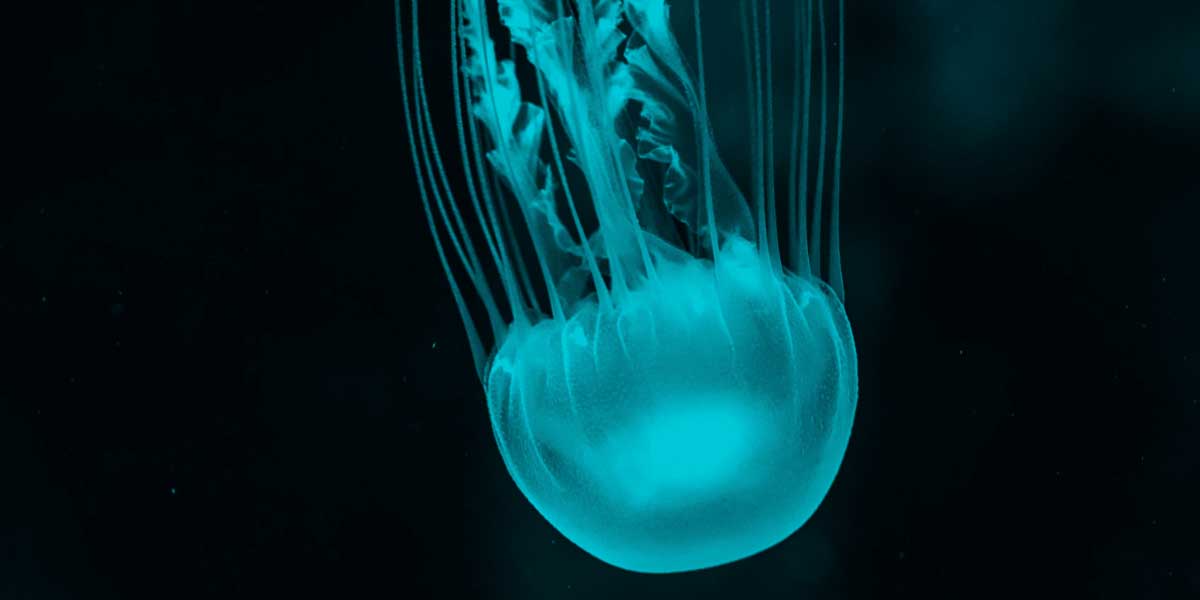
The Evolution of the Jellyfish: A Journey Through Time

Jellyfish are among the oldest surviving groups of animals on Earth, with a history that stretches back hundreds of millions of years. Their simple bodies may seem fragile, but their evolutionary success tells a different story. Jellyfish and their relatives have survived dramatic changes in oceans and climate, adapted to different marine environments, and developed life cycles that allow them to thrive under a wide range of conditions.

Unlike fish, jellyfish do not have bones, brains, or complex organs. Their bodies are largely made of water and consist of a network of simple tissues and nerve cells. Yet this relatively simple design has persisted through geological eras, making jellyfish an important part of the story of marine evolution.

The history of jellyfish is also closely connected to the evolution of other animals. Fossil evidence suggests that early relatives of modern jellyfish appeared during some of the earliest stages of animal evolution, while the broader group they belong to includes corals, sea anemones, and other cnidarians.

Key Takeaways

  • Jellyfish belong to an ancient group of animals with evolutionary roots stretching back hundreds of millions of years.
  • Their simple body structure has allowed them to survive major changes in Earth’s oceans over geological time.
  • Jellyfish are part of the cnidarian group, which also includes corals and sea anemones.
  • Their life cycles can include both attached and free-swimming stages, giving them different ways to survive and reproduce.
  • Modern jellyfish continue to adapt to changing marine environments, although human-driven ocean changes can create both opportunities and risks for different species.

Ancient Origins in the Oceans

The earliest history of jellyfish is difficult to reconstruct because their soft bodies rarely fossilize. Unlike animals with hard shells or bones, jellyfish usually leave little physical evidence behind after they die.

Scientists have nevertheless identified fossils that may represent ancient jellyfish or closely related organisms. Some of these fossils date back more than 500 million years, providing clues about the early development of soft-bodied marine animals.

During the Cambrian Period, when many major animal groups appeared and diversified, the oceans were already home to a wide variety of organisms. Ancient relatives of modern cnidarians were among the early participants in this expanding marine ecosystem.

The fossil record remains incomplete, but available evidence suggests that jellyfish-like animals have been part of Earth’s oceans for an exceptionally long time.

A Simple Body With a Complex Evolutionary History

Jellyfish are often described as simple animals, but simplicity does not mean evolutionary stagnation.

The typical jellyfish body consists largely of a gelatinous structure called the mesoglea, surrounded by layers of living tissue. They have a central digestive cavity and a network of nerves that helps them respond to their environment.

They also possess specialized cells called cnidocytes. These cells contain structures capable of delivering venom, allowing jellyfish to capture prey and defend themselves.

This combination of a simple body plan and specialized biological features has helped jellyfish survive across a remarkable range of marine environments.

The Jellyfish Life Cycle

One of the most important developments in jellyfish evolution is their complex life cycle.

Many species alternate between different body forms during their lives. After reproduction, a fertilized egg can develop into a larval stage known as a planula. The planula may attach to a surface and develop into a polyp.

The polyp can remain attached for a period of time before producing young jellyfish that eventually become free-swimming adults.

This life cycle gives jellyfish multiple ways to occupy their environment. The attached polyp stage can survive in one location, while the free-swimming medusa stage allows the organism to spread through the water.

Not every jellyfish species follows exactly the same pattern, but the flexibility of these life cycles has contributed to the group’s evolutionary success.

Surviving Major Changes to Earth

Jellyfish and their relatives have existed through periods of major environmental change, including shifts in ocean temperatures, sea levels, atmospheric conditions, and marine ecosystems.

Several mass extinction events dramatically altered life in the oceans. Many species disappeared during these periods, but jellyfish lineages survived and continued evolving.

Their ability to reproduce through different life stages and occupy different ecological niches may have contributed to their resilience.

However, survival over geological time does not mean every modern jellyfish species is protected from environmental threats. Individual species can still be vulnerable to pollution, habitat loss, overfishing, climate change, and changes in ocean chemistry.

From Ancient Seas to Modern Oceans

Today, jellyfish inhabit oceans across the planet, from coastal waters to the open sea and from tropical environments to colder regions.

Some species are capable of thriving in conditions that challenge other marine organisms. Jellyfish can sometimes benefit from changes that reduce competition or increase the availability of prey.

In certain coastal areas, scientists have observed increases in jellyfish populations. However, these changes are not universal, and jellyfish populations can fluctuate naturally over time.

Researchers continue to study how factors such as warming waters, nutrient pollution, changing currents, and declining populations of jellyfish predators may influence their distribution.

Jellyfish and the Future of Marine Ecosystems

The evolutionary history of jellyfish provides an important reminder that marine ecosystems are constantly changing.

Because jellyfish have survived for hundreds of millions of years, they are sometimes viewed as examples of evolutionary resilience. Yet their future will depend on how modern oceans change and how individual species respond to new environmental pressures.

Jellyfish also play important ecological roles. They are predators that consume plankton and other small organisms, while their larvae and adults can become food for fish, sea turtles, and other marine animals.

Large changes in jellyfish populations can therefore affect food webs and the balance of marine ecosystems.

Why Jellyfish Matter to Evolutionary Science

Studying jellyfish can help scientists understand some of the earliest stages of animal evolution.

Their nervous systems, sensory abilities, reproductive strategies, and developmental processes provide researchers with information about how complex biological systems evolved.

Jellyfish also demonstrate that evolutionary success does not always require a highly complex body. Their relatively simple anatomy has allowed them to survive for immense periods while adapting to changing environments.

Their history challenges the idea that evolution always moves toward greater complexity. Instead, it shows that organisms can remain successful when their biological design is well suited to the environments they inhabit.

An Ancient Survivor With a Changing Future

The evolution of the jellyfish is a story that begins deep in Earth’s history and continues in modern oceans.

From ancient jellyfish-like organisms to the diverse species found today, these animals have survived dramatic changes in marine environments. Their simple bodies, specialized stinging cells, and flexible life cycles have helped them persist through geological eras.

Yet the modern ocean is changing at a pace that presents new challenges. Understanding how jellyfish evolved and how their populations respond to environmental pressures can help scientists better understand the future of marine ecosystems.

Jellyfish may appear delicate, but their evolutionary history reveals extraordinary resilience. Their continued presence in Earth’s oceans offers a living connection to a time when animal life was still beginning to diversify—and a reminder that even the simplest body plans can have remarkable staying power.


FAQs

How long have jellyfish existed?

Jellyfish and closely related organisms have ancient evolutionary roots that extend back hundreds of millions of years. Fossil evidence suggests that jellyfish-like animals existed at least as far back as the Cambrian Period.

Are jellyfish older than dinosaurs?

Yes. Jellyfish and their relatives appeared in Earth’s oceans long before dinosaurs evolved. Their evolutionary history extends back hundreds of millions of years.

Are jellyfish fish?

No. Despite their common name, jellyfish are not fish. They are invertebrates and belong to the cnidarian group of animals, which also includes corals and sea anemones.

How did jellyfish survive for so long?

Their simple body structure, specialized stinging cells, and flexible life cycles may have helped jellyfish adapt to changing marine environments. Different species have also evolved to occupy a wide range of habitats.

Why are jellyfish important to the ocean?

Jellyfish are predators and prey within marine food webs. They consume plankton and other organisms and are themselves eaten by various marine animals, including some fish and sea turtles.

Are jellyfish populations increasing?

Some jellyfish populations have increased in particular regions, but global trends are more complicated. Population changes vary by species and location and can be influenced by temperature, food availability, ocean conditions, and human activity.

East 2 West Medical Wellness Integrates Medical Doctor and Holistic Practitioner for Personalized Care

By: Jayden Scott

Most medical patients spend fewer than fifteen minutes with their primary care physician during a standard office visit. This restricted timeframe forces doctors to treat immediate symptoms rather than explore underlying medical problems. A new medical clinic in New York City challenges this conventional healthcare system. East 2 West Medical Wellness provides a collaborative care model for residents. The practice bridges traditional Western medicine with Eastern remedies. This integrated approach is designed to support overall health and wellness and to identify the root causes of chronic illness.

The Systemic Challenge

The modern healthcare system relies heavily on insurance structures. Insurance companies dictate the length of patient appointments. These corporations also decide which medical tests receive financial coverage. Many healthcare providers face immense pressure to process patients quickly.

As a result, practitioners often prescribe pharmaceutical medications as immediate solutions. Patients frequently experience recurring symptoms because the initial cause remains unaddressed.

Dr. Wehbeh observed these limitations throughout his career. He is a respected physician with over twenty years of medical experience. He holds degrees from St. Joseph’s University and Johns Hopkins University. He specializes in treating rare medical conditions. Dr. Wehbeh noted that standard insurance rules limit long discussions about lifestyle, prevention, and the root cause of disease.

An Unconventional Alliance

To overcome some of these barriers, Dr. Wehbeh partnered with holistic practitioner Simon Reed. The founders share an unusual cultural contrast. Dr. Wehbeh comes from Lebanon in the Middle East, yet he practices Western clinical medicine. Simon grew up on a rural farm in the Western United States, but she specializes in Eastern traditions. Her childhood on reservations throughout the Pacific Northwest taught her self-reliance and natural care.

Simon possesses over thirty years of intensive study in alternative therapies. She spent twenty years working within traditional Western medical organizations. Her career includes clinical experience at Providence Healthcare System. She also worked at Oregon Health & Science University. Simon operates as a trauma and grief-informed holistic practitioner. She focuses on, but is not limited to, naturopathic care and food as medicine.

The Collaborative Patient Experience

The clinic introduces an uncommon patient consultation method. Patients do not see the medical doctor and the holistic practitioner separately. Instead, both professionals attend patient meetings simultaneously. This shared evaluation allows the team to assess the patient from multiple viewpoints.

The providers create an environment free of clinical judgment, providing space for patients to discuss their personal health histories openly. This open dialogue helps the founders uncover hidden physical pain and emotional stressors. The team conducts thorough investigative questioning during these extended sessions. They listen to patient narratives to gather comprehensive wellness data.

Expanding Medical Testing Borders

Standard insurance programs cover basic blood panels. These basic panels often fail to reveal deep metabolic imbalances. East 2 West Medical Wellness uses advanced diagnostic testing options.

The clinic orders detailed assessments of the human microbiome. They also test patients for heavy metal toxicity, environmental parasites, and bacterial overgrowth. Specialized hormonal testing provides additional clarity regarding patient endocrine functions.

Marrying Science with Nature

The clinic does not reject Western science. It uses objective data to evaluate the effectiveness of natural treatments. The practitioners monitor patient progress through concrete laboratory values. They track physiological changes by measuring muscle mass.

The team also uses VO2 max testing to evaluate cardiovascular oxygenation. This scientific monitoring allows the team to track how holistic plans correspond to measurable physical markers over time.

The treatment plans emphasize lifestyle alterations before using pharmaceuticals. The founders promote nutrition and movement as primary medicine. Many patients arrive with chronic inflammation, acid reflux, and weight challenges. The team frequently identifies hidden dietary issues, such as egg intolerances.

The founders work with patients to identify and adjust trigger foods as part of a broader dietary approach. Patients learn to make sustainable daily adjustments to reduce long-term reliance on medications.

Transitioning the Business Model

The business recently began its current operational phase. The founders took over an existing medical practice from a retiring physician in the spring of 2025. The clinic currently provides essential primary care services to individuals. However, the business is shifting its focus.

The management intends to expand the cash-paying patient demographic. Insurance billing codes limit opportunities for preventive counseling. Cash-paying models allow practitioners to spend adequate time with individuals. The practice currently treats a small number of cash-paying wellness clients. They aim to grow this segment steadily over the next year.

The Future of Care

The clinic maintains a clear long-term operational strategy. The founders plan to establish a dedicated wellness center within two to five years. This future facility will host health retreats. The center will teach individuals how to cook organic food grown in on-site gardens. It will also offer structured instruction in meditation and physical exercise.

The future practice will incorporate modern longevity treatments. The founders intend to continue offering therapeutic peptides and GLP-1 options. They also plan to introduce injectable supplementation therapies. These approaches are gaining popularity among consumers seeking long-term vitality. The clinic will combine these therapies with scientific testing to prioritize safety.

Disclaimer: This content is for informational purposes only and is not intended as medical advice, nor does it replace professional medical expertise or treatment. If you have any concerns or questions about your health, always consult with a physician or other healthcare professional.

Exploring the Similarities Between Bonobos and Humans

Bonobos, often referred to as the “forgotten ape,” are one of our closest living relatives, sharing approximately 98.7% of our DNA. Despite their lesser-known status compared to their more famous relatives, chimpanzees, bonobos possess remarkable similarities to humans in terms of behavior, social structure, and cognitive abilities. This article delves into the intriguing parallels between bonobos and humans, shedding light on our shared evolutionary heritage and the fascinating connections that bind us together.

Bonobos, scientifically known as Pan paniscus, inhabit the dense rainforests of the Democratic Republic of the Congo in Central Africa. Like humans, bonobos are highly social creatures, living in complex communities characterized by cooperation, empathy, and communication. Despite their physical differences, bonobos exhibit a range of behaviors and traits that closely resemble those observed in humans, offering valuable insights into our own evolutionary past and the nature of our shared ancestry.

The Genetic Connection

Genetic studies have revealed that bonobos and humans share a common ancestor that lived approximately 6-7 million years ago. Despite diverging evolutionary paths, our genetic similarities underscore the close relationship between these two species. Comparative genomics has highlighted numerous shared genetic sequences and regulatory regions between bonobos and humans, providing further evidence of our shared evolutionary heritage.

Social Structure and Cooperation

Bonobos, like humans, live in complex social groups characterized by cooperation, mutual aid, and social bonding. Unlike their more aggressive chimpanzee cousins, bonobos are known for their peaceful and egalitarian social structure, where conflicts are often resolved through reconciliation, grooming, and sexual behavior. Bonobos exhibit a high degree of social intelligence, maintaining intricate social relationships and alliances within their communities.

Cooperation and Altruism

Studies have shown that bonobos, like humans, engage in cooperative behaviors such as food sharing, cooperative hunting, and reciprocal grooming. Bonobos demonstrate a remarkable level of empathy and altruism towards their fellow group members, readily offering assistance and support when needed. These cooperative tendencies are believed to have played a crucial role in the evolutionary success of both species, fostering social cohesion and strengthening group bonds.

The Role of Empathy in Social Cohesion

Empathy plays a central role in the social dynamics of bonobo communities, enabling individuals to understand and respond to the emotions and needs of others. Bonobos demonstrate a keen ability to empathize with their fellow group members, offering comfort, reassurance, and support in times of distress. This capacity for empathy fosters social cohesion and cooperation within bonobo communities, allowing them to maintain stable and harmonious relationships over time.

Communication and Language

Communication is a fundamental aspect of social life for both bonobos and humans, serving as a means of conveying information, expressing emotions, and establishing social connections. While bonobos lack the complex language systems of humans, they possess sophisticated forms of communication involving vocalizations, gestures, facial expressions, and body language. Bonobos are capable of conveying a wide range of emotions and intentions through their vocalizations and gestures, allowing them to coordinate group activities, negotiate conflicts, and form alliances.

Gestural Communication

Bonobos are particularly adept at using gestures to communicate with one another, employing a diverse repertoire of manual and facial expressions to convey their thoughts and feelings. Studies have shown that bonobos are capable of using gestures flexibly and contextually, adapting their communication strategies based on the social dynamics and environmental cues present in their surroundings. Gestural communication plays a crucial role in maintaining social cohesion and resolving conflicts within bonobo communities.

Vocalizations and Facial Expressions

In addition to gestures, bonobos use vocalizations and facial expressions to convey information and express emotions. Bonobos produce a wide range of vocalizations, including screams, grunts, and panting sounds, each of which serves a specific communicative function. Facial expressions also play an important role in bonobo communication, with individuals using subtle changes in facial muscles to convey their mood, intentions, and social status. Together, vocalizations and facial expressions form an integral part of bonobo communication, facilitating social interaction and cooperation within their communities.

Cognitive Abilities and Problem-Solving

Bonobos possess advanced cognitive abilities and problem-solving skills, similar to those observed in humans. These include tool use, spatial reasoning, and abstract thinking, all of which are essential for navigating their complex social and ecological environments. Bonobos have been observed using a variety of tools in the wild, including sticks for extracting termites from mounds, leaves for scooping water, and rocks for cracking nuts.

Tool Use and Innovation

Tool use is a hallmark of primate intelligence, and bonobos are no exception. Studies have documented numerous instances of tool use among wild bonobos, ranging from using sticks to extract insects from crevices to using leaves as makeshift umbrellas to shield themselves from rain. Bonobos demonstrate a remarkable ability to innovate and adapt their tool use techniques to suit different tasks and environmental conditions, highlighting their cognitive flexibility and problem-solving prowess.

Social Learning and Cultural Transmission

Bonobos exhibit a high degree of social learning, with individuals acquiring new skills and behaviors through observation, imitation, and instruction from their peers. This form of cultural transmission allows bonobos to pass on knowledge and traditions from one generation to the next, leading to the development of complex cultural practices within bonobo communities. Social learning plays a crucial role in shaping the cognitive abilities and behavioral repertoire of bonobos, allowing them to adapt and thrive in their ever-changing environment.