How Artane Partners CEO Clinton Apos Went From Football to Gulf Capital

By: Jay Kt

The founder of capital advisory firm Artane Partners on professional football, a business he built as a student, a spell in the Gulf, and why he believes relationships are still the currency that moves capital between the West and the GCC.

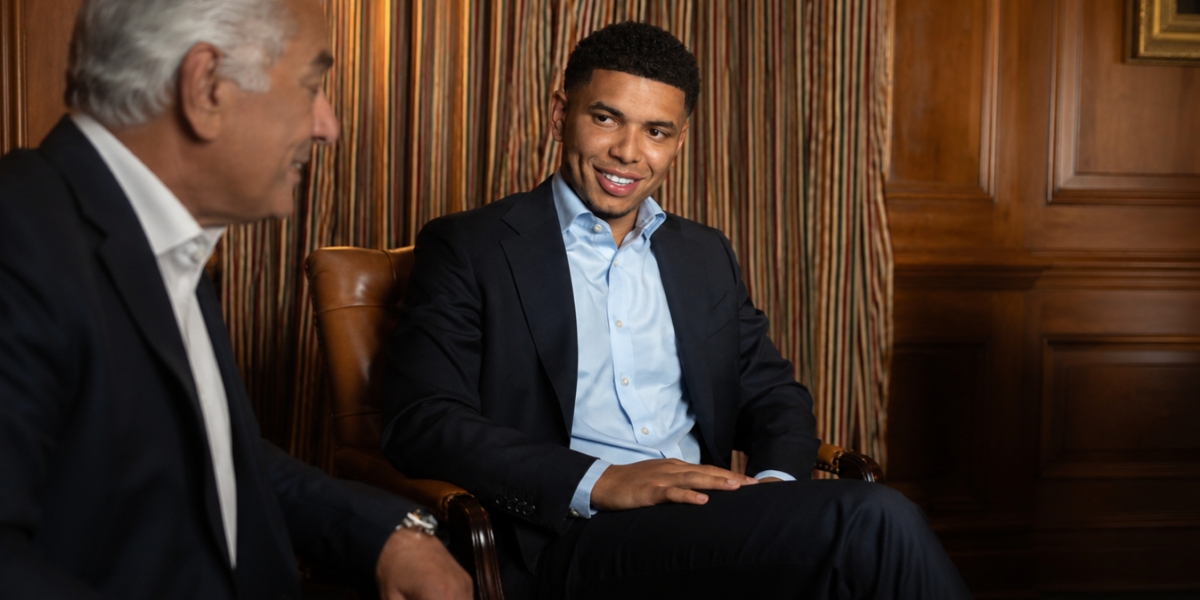
Clinton Apos did not arrive in finance the conventional way. Before Trinity College Dublin, before the boutique advisory desks and the private equity offices of Dubai, he was a professional footballer who had trialed at Premier League clubs and represented his country at the youth international level. Today, he is the founder and chief executive of Artane Partners, a capital advisory firm and placement agent he started in 2024 to connect Western companies and fund managers with capital across the Gulf Cooperation Council. New York Weekly sat down with him to talk about the path from the pitch to the boardroom, and what he thinks most people get wrong about Gulf capital.

New York Weekly: Let Us Start At The Beginning. You Played Professional Football. How Did That Happen?

Clinton Apos: I played professionally in Lithuania and represented my country at the youth level, and I went over to England on trial at top clubs, Premier League clubs. Football was my whole world for a long time. People sometimes smile when a finance founder says his first career was in sports, but I would not trade those years for anything. They taught me how to perform under pressure when it actually counts, how to handle being told no and go again the next morning, and how to lead a group of people toward one result. You learn very young that talent is not enough. The people who make it are the ones who refuse to stop.

New York Weekly: And You Carried That Into Finance?

Clinton Apos: Directly. Building a firm is a performance sport. There are days the deal is not going your way, the market is against you, and you have to walk into the room composed and lead anyway. The drive to exceed what is expected of you, to stop at nothing to get a result for a client, that did not come from a textbook. It came from the pitch. Every part of how we operate at Artane Partners has that in it.

New York Weekly: You Studied Law And Finance At Trinity College Dublin. You Also Built A Business While You Were A Student.

Clinton Apos: I did. I have a BSc and an MSc in law and finance from Trinity, and while I was doing the master’s, I ran a lead generation agency. At its peak, I was handling around 20 clients a month. That was my real education in some ways. You learn how to win a client, how to keep them happy, how to deliver when you have promised something, and how to connect the dots between people who both need each other but have not met yet. That is not so different from what we do now. The product changed. The skill did not.

New York Weekly: What Took You To The Gulf?

Clinton Apos: After Trinity, I spent time in boutique banking, and then I went out to the GCC, to Dubai specifically, for a private equity role. It was a strong seat at a strong firm. But I realized pretty quickly that I did not want to sit inside someone else’s structure. I wanted to lead again. I had felt that as a captain on a pitch and as a founder of my own small business, and being in the Gulf, seeing the scale of the capital and how relationship-driven it is, I knew there was something to build. Capital advisory was the natural evolution of everything I had done up to that point. The client’s skills, the connecting of dots, the appetite to lead, and to get things done. It all pointed the same way.

New York Weekly: For Readers Who Do Not Know It Well, What Is the GCC Capital Opportunity Right Now?

Clinton Apos: The Gulf holds some of the largest pools of capital in the world, across sovereign wealth funds, institutions, and family offices, and a lot of it is actively looking outward. The region is diversifying beyond oil, the next generation of family offices is more global and more direct in how it invests, and there is a real appetite for credible opportunities from the West. The misunderstanding is that this capital is hard to reach. It is not hard to reach. It is hard to reach well. You cannot fly in, pitch, and fly out. These are relationships built over years, on trust, in person. Western companies that understand this get a very different reception from those that treat the Gulf like a cash machine.

New York Weekly: You Talk About Relationships A Lot. Is That Not Just A Polite Word For Who You Know?

Clinton Apos: It is more than a contact list. Anyone can get an introduction. The relationship is whether the person on the other side will pick up the phone, tell you the truth about a deal, and put their own name behind it. That is earned. Our whole model is built on that. We say capital follows trust, and we mean it literally. The rigor and the preparation matter enormously, but they are the proof underneath the relationship, not a substitute for it.

New York Weekly: Tell Me About The Team Around You.

Clinton Apos: I am fortunate. Sherif Zaki co-heads our MENA advisory and anchors our relationships on the ground in the Gulf. He has spent his career advising on major transactions across the region, and that kind of credibility is not something you can manufacture. It is a real anchor for the relationships we have built in the region. Around that, we have grown to a team of more than 25 bankers. We recruit top talent from places like the London School of Economics and London Business School, but the pedigree is not the main thing I look for.

New York Weekly: What Is The Main Thing?

Clinton Apos: Whether they are entrepreneurial. I want people who want to build, who are comfortable with pace, and who want to be part of a firm that is growing quickly, rather than sitting in a large institution waiting their turn. I came up taking calls and winning clients myself, so I value people who will roll up their sleeves and own a result. The credentials get you in the room. The hunger is what makes you good at this.

New York Weekly: What Is Next For Artane Partners?

Clinton Apos: More of the same, done better and at a greater scale. We want to be the name Western companies and fund managers think of when they are serious about Gulf capital, and the firm Gulf allocators trust to bring them credible opportunities. We are still early, and that is exactly how I like it. There is a version of this firm in my head that is much bigger than what we are today, and we are building toward it every day. The same way I approached everything else. Stop at nothing, exceed expectations, and lead.

About Artane Partners

Artane Partners is a capital advisory firm and placement agent that connects operators and fund managers with Gulf-based capital sources, including sovereign wealth funds, family offices, and institutional allocators. Founded in 2024 and headquartered in Dublin with coverage across the Gulf, the firm advises on equity, debt, and strategic capital, spanning Dubai, Abu Dhabi, Riyadh, Doha, and Kuwait. More information is available at https://artanepartners.com.

Media Contact:

Media Relations, Artane Partners

contact@artanepartners.com

https://artanepartners.com

.

How Artane Partners CEO Clinton Apos Went From Football to Gulf Capital

By: Jay Kt

The founder of capital advisory firm Artane Partners on professional football, a business he built as a student, a spell in the Gulf, and why he believes relationships are still the currency that moves capital between the West and the GCC.

Clinton Apos did not arrive in finance the conventional way. Before Trinity College Dublin, before the boutique advisory desks and the private equity offices of Dubai, he was a professional footballer who had trialed at Premier League clubs and represented his country at the youth international level. Today, he is the founder and chief executive of Artane Partners, a capital advisory firm and placement agent he started in 2024 to connect Western companies and fund managers with capital across the Gulf Cooperation Council. New York Weekly sat down with him to talk about the path from the pitch to the boardroom, and what he thinks most people get wrong about Gulf capital.

New York Weekly: Let Us Start At The Beginning. You Played Professional Football. How Did That Happen?

Clinton Apos: I played professionally in Lithuania and represented my country at the youth level, and I went over to England on trial at top clubs, Premier League clubs. Football was my whole world for a long time. People sometimes smile when a finance founder says his first career was in sports, but I would not trade those years for anything. They taught me how to perform under pressure when it actually counts, how to handle being told no and go again the next morning, and how to lead a group of people toward one result. You learn very young that talent is not enough. The people who make it are the ones who refuse to stop.

New York Weekly: And You Carried That Into Finance?

Clinton Apos: Directly. Building a firm is a performance sport. There are days the deal is not going your way, the market is against you, and you have to walk into the room composed and lead anyway. The drive to exceed what is expected of you, to stop at nothing to get a result for a client, that did not come from a textbook. It came from the pitch. Every part of how we operate at Artane Partners has that in it.

New York Weekly: You Studied Law And Finance At Trinity College Dublin. You Also Built A Business While You Were A Student.

Clinton Apos: I did. I have a BSc and an MSc in law and finance from Trinity, and while I was doing the master’s, I ran a lead generation agency. At its peak, I was handling around 20 clients a month. That was my real education in some ways. You learn how to win a client, how to keep them happy, how to deliver when you have promised something, and how to connect the dots between people who both need each other but have not met yet. That is not so different from what we do now. The product changed. The skill did not.

New York Weekly: What Took You To The Gulf?

Clinton Apos: After Trinity, I spent time in boutique banking, and then I went out to the GCC, to Dubai specifically, for a private equity role. It was a strong seat at a strong firm. But I realized pretty quickly that I did not want to sit inside someone else’s structure. I wanted to lead again. I had felt that as a captain on a pitch and as a founder of my own small business, and being in the Gulf, seeing the scale of the capital and how relationship-driven it is, I knew there was something to build. Capital advisory was the natural evolution of everything I had done up to that point. The client’s skills, the connecting of dots, the appetite to lead, and to get things done. It all pointed the same way.

New York Weekly: For Readers Who Do Not Know It Well, What Is the GCC Capital Opportunity Right Now?

Clinton Apos: The Gulf holds some of the largest pools of capital in the world, across sovereign wealth funds, institutions, and family offices, and a lot of it is actively looking outward. The region is diversifying beyond oil, the next generation of family offices is more global and more direct in how it invests, and there is a real appetite for credible opportunities from the West. The misunderstanding is that this capital is hard to reach. It is not hard to reach. It is hard to reach well. You cannot fly in, pitch, and fly out. These are relationships built over years, on trust, in person. Western companies that understand this get a very different reception from those that treat the Gulf like a cash machine.

New York Weekly: You Talk About Relationships A Lot. Is That Not Just A Polite Word For Who You Know?

Clinton Apos: It is more than a contact list. Anyone can get an introduction. The relationship is whether the person on the other side will pick up the phone, tell you the truth about a deal, and put their own name behind it. That is earned. Our whole model is built on that. We say capital follows trust, and we mean it literally. The rigor and the preparation matter enormously, but they are the proof underneath the relationship, not a substitute for it.

New York Weekly: Tell Me About The Team Around You.

Clinton Apos: I am fortunate. Sherif Zaki co-heads our MENA advisory and anchors our relationships on the ground in the Gulf. He has spent his career advising on major transactions across the region, and that kind of credibility is not something you can manufacture. It is a real anchor for the relationships we have built in the region. Around that, we have grown to a team of more than 25 bankers. We recruit top talent from places like the London School of Economics and London Business School, but the pedigree is not the main thing I look for.

New York Weekly: What Is The Main Thing?

Clinton Apos: Whether they are entrepreneurial. I want people who want to build, who are comfortable with pace, and who want to be part of a firm that is growing quickly, rather than sitting in a large institution waiting their turn. I came up taking calls and winning clients myself, so I value people who will roll up their sleeves and own a result. The credentials get you in the room. The hunger is what makes you good at this.

New York Weekly: What Is Next For Artane Partners?

Clinton Apos: More of the same, done better and at a greater scale. We want to be the name Western companies and fund managers think of when they are serious about Gulf capital, and the firm Gulf allocators trust to bring them credible opportunities. We are still early, and that is exactly how I like it. There is a version of this firm in my head that is much bigger than what we are today, and we are building toward it every day. The same way I approached everything else. Stop at nothing, exceed expectations, and lead.

About Artane Partners

Artane Partners is a capital advisory firm and placement agent that connects operators and fund managers with Gulf-based capital sources, including sovereign wealth funds, family offices, and institutional allocators. Founded in 2024 and headquartered in Dublin with coverage across the Gulf, the firm advises on equity, debt, and strategic capital, spanning Dubai, Abu Dhabi, Riyadh, Doha, and Kuwait. More information is available at https://artanepartners.com.

Media Contact:

Media Relations, Artane Partners

contact@artanepartners.com

https://artanepartners.com

.
Intrinsic SEA and the Bridge Between Canadian Innovation and Southeast Asian Growth

Expanding a business across borders is rarely as simple as opening a new office. The companies that struggle most are often the ones that underestimate how different one market can be from another, in regulation, culture, and the practical mechanics of getting established. Intrinsic SEA operates in exactly that gap, functioning as a working bridge between international innovation and the fast-moving markets of Southeast Asia.

Established in April 2025 as a business arm of Intrinsic Group, a Canadian platform operating since 2014, Intrinsic SEA Sdn. Bhd. is a cross-border strategy consultancy and investment organization based at Menara Exchange in the Tun Razak Exchange district of Kuala Lumpur. According to the company, the wider Intrinsic platform has invested in or incubated more than one hundred portfolio companies across hard tech and innovation sectors, with assets under management of approximately USD 150 million, operating across a network spanning Canada, Malaysia, China, Japan, Singapore, and Vietnam.

The organization’s core asset is the combination it brings together. On one side sits the institutional capability of a Canadian technology incubator and venture capital platform. On the other sits a Southeast Asia-based team running day-to-day execution on the ground. International reach without local standing tends to stall at the point of execution. Local standing without international networks struggles to connect outward. Intrinsic SEA was built to hold both at once.

That structure has translated into formal recognition. According to the company, Intrinsic SEA has been awarded the VC Golden Pass by the Malaysian government, a designation tied to the country’s KL20 initiative. The company describes itself as one of the first overseas organizations to receive the pass, which it says streamlines operational setup and provides incentives for international firms managing cross-border investment in the country.

The firm’s operating scope covers five connected lines of work: strategy and market-entry advisory covering regulatory navigation, site selection, and corporate setup; industrial capital services spanning proprietary investment and co-investment structuring; ecosystem and council platforms including SEAMAT Council and the ATCDS summit; technology transfer and intellectual property advisory; and research and in-market communications. Each line feeds the others, which is the basis on which the firm positions itself as a single point of accountability rather than a referral service.

What this adds up to, in practical terms, is a reduction in the cost of being wrong. Cross-border expansion fails most often not for lack of ambition but for lack of a partner who has already absorbed the cost of the mistakes a first-time entrant is about to make. Intrinsic SEA’s position, built on a Canadian innovation pedigree paired with Southeast Asian execution capability, is constructed specifically against that failure mode.

The timing reinforces the case. Southeast Asia remains one of the most closely watched regions for growth and innovation capital, and Malaysia has stated clear ambitions to draw international firms and investment into its ecosystem. An organization built to connect outside innovation with this region, and recognized by the relevant authority for doing so, sits directly inside that policy moment. More information is available at intrinsicsea.com.

For companies weighing a move into or out of Southeast Asia, the calculation is straightforward. Execution risk, not ambition, is what derails most cross-border plans. Intrinsic SEA’s value proposition rests on having already built the local standing, the institutional relationships, and the operating network that turn a plan into a functioning entity on the ground.

Robin Hills Is Helping Leaders Use Emotional Intelligence to Build Resilience, Better Relationships, and Stronger Businesses

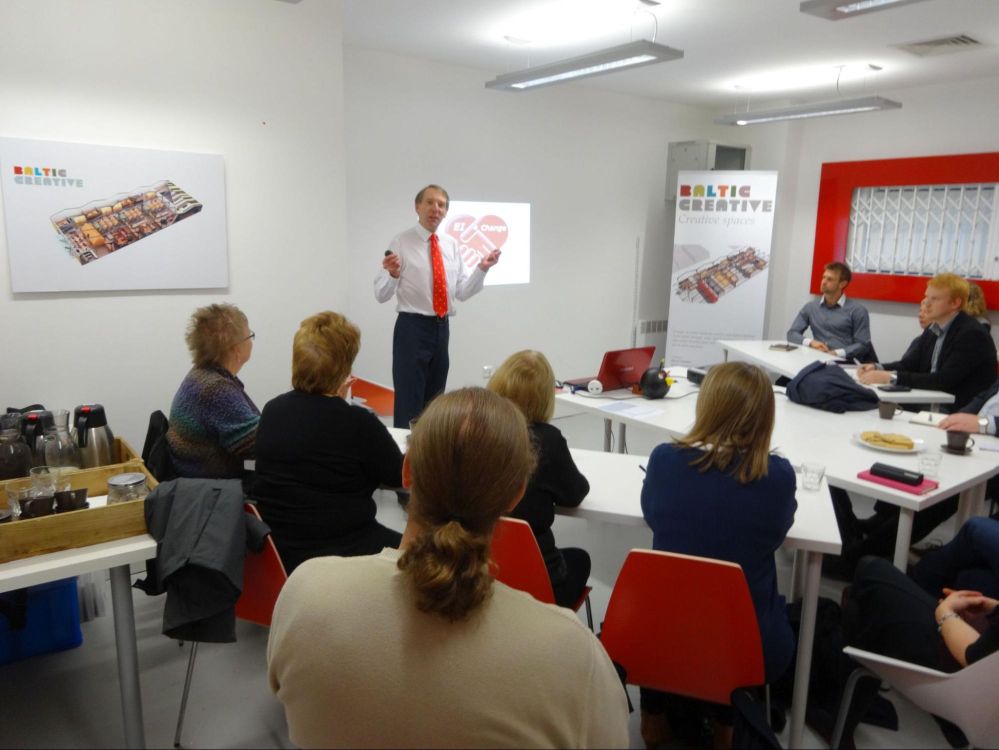
Robin Hills, founder of Ei4Change, has spent decades championing emotional intelligence (EI) in a business world often focused on strategy. He helps organizations understand how emotions influence decision-making, relationships, and long-term success.

With a 40-year career, Robin combines business experience with expertise in neuroscience and positive psychology. As a sought-after coach and educator, he helps professionals work through change and lead with greater self-awareness.

From Biology Graduate to Emotional Intelligence Expert

Robin’s journey began with science. After studying Biology at Durham University, he entered pharmaceutical sales, where he observed how personality and emotions shape professional behavior under pressure.

He studied Biology at Durham University before starting his career in pharmaceutical sales as a medical representative in London. In that role, he spent years interacting with general practitioners, hospital doctors, and healthcare professionals, experiences that gave him a close look at how differently people respond under pressure, how personality shapes communication, and how emotions often influence professional behavior in ways that logic alone cannot explain.

That early exposure to human variability sparked a lasting interest in the emotional side of performance. While his work at the time was rooted in sales and medicine, Robin became increasingly interested in the deeper question behind many workplace outcomes: why do people with similar knowledge, similar resources, or similar professional responsibilities behave so differently when faced with challenge, change, conflict, or uncertainty?

That question eventually led him to the work of psychologist Daniel Goleman, whose groundbreaking writing on emotional intelligence gave Robin a framework for something he had already been observing for years. It was a turning point. He began to see emotional intelligence not as a soft skill or secondary trait, but as a central factor in personal achievement, leadership effectiveness, and business success.

In 2024, Robin’s contribution to the field was recognised with an honorary doctorate in Advanced Psychological Studies from Universidad Azteca. The award acknowledged his long-standing commitment to emotional intelligence education, along with the depth of insight and practical impact his work has had on learners, leaders, and organisations around the world.

Building Ei4Change Around Emotional Intelligence and Human Transformation

After relocating to the northwest of England and moving into leadership roles within the pharmaceutical sector, Robin experienced many of the realities that shape professional life at senior levels: leadership challenges, organizational change, workplace relationships, and redundancy. Those experiences did not pull him away from his interest in emotional intelligence. They deepened it.

Eventually, he founded Ei4Change, a business built around the belief that emotional intelligence can create meaningful transformation in both personal and professional life. The company’s name reflects that mission directly: emotional intelligence for change.

Ei4Change was not designed as a generic coaching business. It was created as a platform for helping people understand how emotions influence behavior, how resilience can be strengthened, and how leaders, teams, and organizations can make better decisions when they learn to work with emotions rather than ignore them.

Robin’s work through Ei4Change has focused on emotional resilience, behavior in business, self-awareness, communication, relationship management, and leadership development. Over time, the company has grown into a global learning and development platform, offering training, courses, articles, podcasts, and digital resources that make emotional intelligence more practical, accessible, and relevant to everyday business life.

Robin Hills Is Helping Leaders Use Emotional Intelligence to Build Resilience, Better Relationships, and Stronger Businesses

Photo Courtesy: Robin Hills

How Robin Hills Scaled Ei4Change Globally

One of the most significant chapters in Robin Hills’ business journey came during the COVID-19 pandemic. While many trainers and consultants were forced to rapidly adapt to remote learning, Robin was already several years ahead. He had built online learning into Ei4Change roughly five years before the pandemic, at a time when digital training did not yet receive the level of attention or respect it does now.

That foresight proved critical. During lockdown, demand for emotional intelligence training rose sharply during a period of global uncertainty, reflecting the value of building digital infrastructure before the market fully catches up.

The expansion of Ei4Change has since extended far beyond the UK. Robin’s courses have reached people in more than 200 countries, and his work has impacted hundreds of thousands of learners worldwide. In 2023, he co-published a course with an Argentinian instructor, making it available in Spanish and opening access to a wider audience across Latin America and Spanish-speaking communities. His learning materials have also been translated into many languages including Chinese and Hungarian, further expanding the reach of his teaching.

In 2025, he co-published a series of courses around AI and change management with a French Canadian instructor, and in 2026 he co-published a course on AI and project management with the University of Amsterdam.

That global accessibility matters because emotional intelligence is often discussed in abstract or culturally narrow ways. Robin’s work has helped position it as a practical, cross-border skill set relevant to people working in very different industries, cultures, and life circumstances.

Author, Educator, and Thought Leader in Emotional Resilience

Robin Hills’ influence extends beyond training programs and workshops. He is also the author of The Authority Guide to Emotional Resilience in Business and The Authority Guide to Behavior in Business, two books that reflect his ability to translate psychological concepts into practical tools for leaders and professionals.

His writing focuses on real-world application rather than theory for theory’s sake. Emotional resilience, behavior, communication, and self-awareness are presented not as abstract ideas, but as skills that can be understood, practiced, and strengthened over time.

He also founded ei-matters, a digital magazine dedicated to emotional intelligence. Through articles, news, and podcasts, the platform provides ongoing insights into the role emotions play in business, leadership, communication, and personal growth. It serves as an extension of Robin’s wider mission: not simply to teach emotional intelligence once, but to create a continuing ecosystem of learning around it.

Recognition and the Growing Relevance of His Work

Robin Hills’ contributions to emotional intelligence and professional development have earned him international recognition, including being Recipient of the Lifetime Achievement Award (2025) from The International Association of Top Professionals, recognising a lifetime of contribution to emotional intelligence education, leadership development, and professional practice. But perhaps more important than any award is the timing of his work.

The business world is increasingly recognizing that resilience, empathy, self-awareness, emotional regulation, and relationship management are not secondary skills. They are central to leadership, culture, and sustainable performance. Organizations are dealing with burnout, hybrid work challenges, rapid change, and rising expectations around communication and psychological safety. In that environment, Robin’s work feels relevant and necessary.

Robin Hills Is Helping Leaders Use Emotional Intelligence to Build Resilience, Better Relationships, and Stronger Businesses

Photo Courtesy: Robin Hills

The Legacy Robin Hills Is Building

At the heart of Robin Hills’ work is a simple but powerful belief: emotions are not weaknesses to suppress or inconveniences to avoid. They are signals that can help people make better choices, build stronger relationships, and lead more effectively.

That belief has shaped a career that is both deeply personal and globally influential. From his beginnings as the son of a Christian minister and a biology graduate entering pharmaceutical sales, to his role today as the founder of Ei4Change and a global advocate for emotional intelligence, Robin has built a body of work focused on helping people understand themselves more clearly and work with others more effectively.

His legacy is not just the number of countries reached or courses delivered. It is the shift in perspective he encourages. He invites individuals and organizations to see emotional intelligence not as a trend, but as a practical, measurable, and transformative force in everyday life.

Looking ahead, Robin is exploring how emotional intelligence can be strengthened through new forms of learning. He is working with his daughters and their families to bring EI into corporate training through computer gaming, Dungeons & Dragons / Warhammer, and immersive roleplay. These environments enable people to experiment with decision-making, collaboration, and emotional awareness in ways that feel engaging, safe, and deeply memorable. They are already familiar to many managers in their twenties, thirties, and forties, who have grown up with online worlds, cooperative gameplay, and interactive storytelling. For this generation, stepping into a role-play scenario or a game-based challenge feels intuitive. It mirrors the spaces where they have already learned to coordinate with others, respond under pressure, and work through complex social dynamics. This familiarity makes immersive learning accessible and genuinely powerful, offering a bridge between modern working life and the interactive environments that have shaped how many people think, collaborate, and solve problems.

As conversations around leadership, well-being, and workplace culture continue to evolve, Robin Hills remains one of the voices helping shape what comes next, showing that understanding emotions may be one of the most strategic skills of all.

Stephen Liosi Is Redefining Addiction Fiction Through Unfiltered Stories of Survival and Family Trauma

Some writers create fictional worlds to help readers escape reality. Stephen Liosi writes to confront it. The San Diego-based author has developed a distinctive literary voice by exploring addiction, homelessness, family dysfunction, and personal collapse with remarkable honesty. His novels reject polished narratives in favor of emotionally raw stories that examine what happens when life’s safety nets disappear.

Drawing inspiration from writers such as Charles Bukowski, Hubert Selby Jr., and Denis Johnson, Liosi has built a growing readership through fiction that refuses to soften difficult subjects. His work blends psychological realism, dark humor, and lived experience into stories that challenge readers while remaining deeply human.

A Writer Shaped by Experience

Before becoming a novelist, Stephen Liosi built a career within California’s legal system, giving him firsthand insight into the pressures, structures, and contradictions that often shape people’s lives behind the scenes.

His own personal experiences with homelessness and gambling addiction later became equally influential, providing a level of authenticity that continues to define his writing. Rather than distancing himself from difficult chapters of his life, Liosi transforms those experiences into compelling fiction that explores resilience, self destruction, and the long road toward redemption.

That commitment to honesty has become one of the hallmarks of his work.

The Literary World of Addict’s Way

Liosi’s novel Addict’s Way introduced readers to Peter Panelli, a former lawyer and law professor whose life unravels through gambling addiction, homelessness, and personal loss.

The novel follows Panelli after a devastating series of setbacks leaves him homeless and unexpectedly living in a crack house despite never using crack himself. The unusual premise allows Liosi to balance moments of dark humor with emotional vulnerability, creating a story that examines addiction without relying on familiar clichés.

Readers have responded to the novel’s unfiltered style and emotionally direct storytelling, helping Addict’s Way build a dedicated audience and earn strong reviews.

One reviewer, Jeffrey Allen Stakey, described the novel by writing:

“There is no denying that Stephen Liosi is a talented writer. His storytelling is vivid, emotional, and often heartbreaking.”

Exploring the Lasting Effects of Family Trauma

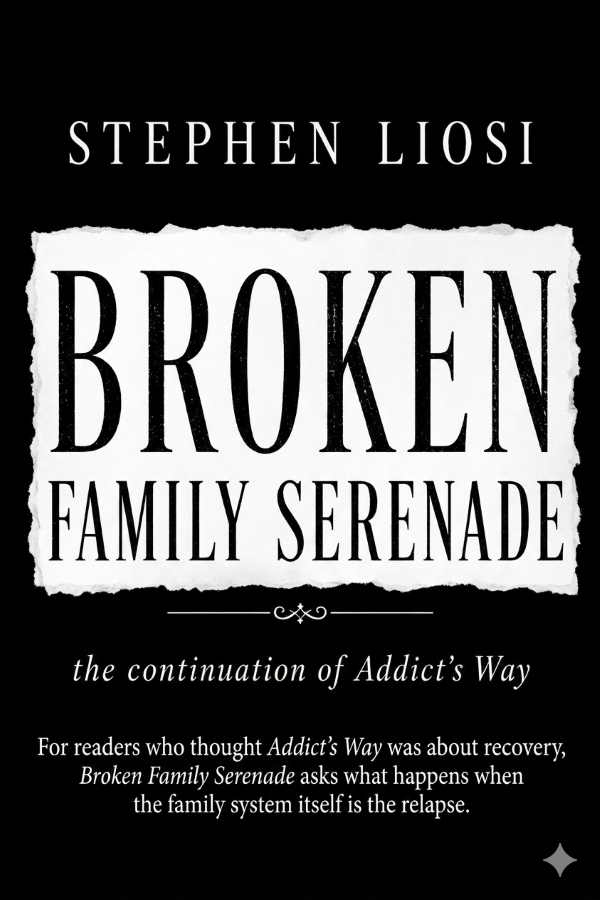
Liosi continues that literary journey with Broken Family Serenade, an upcoming novel that expands beyond addiction to examine the long term effects of family dysfunction, estrangement, and generational trauma.

Rather than functioning as a traditional sequel, the book builds upon the emotional foundation established in Addict’s Way, exploring how unresolved family conflicts continue shaping identity across generations.

Themes including malignant narcissism, inheritance, emotional isolation, and fractured relationships take center stage, reflecting Liosi’s ongoing interest in psychological realism and the lasting consequences of personal history.

A Different Approach to Addiction Fiction

Stephen Liosi describes his work as “true fiction about addiction,” a phrase he coined to define fiction rooted in lived psychological experience.

Instead of treating addiction as a dramatic plot device, his novels explore how addictive behaviors reshape identity, relationships, decision-making, and family systems over time.

His writing avoids easy resolutions, choosing instead to present addiction as an ongoing force that influences every aspect of a character’s life.

That perspective has helped distinguish his work within contemporary independent literary fiction.

Photo Courtesy: Stephen Liosi

Writing Without Compromise

One of the defining characteristics of Liosi’s fiction is its refusal to romanticize hardship.

His prose is stripped of unnecessary sentimentality, allowing conversations, flawed characters, and uncomfortable truths to carry the emotional weight. Dark humor often appears alongside moments of despair, reflecting the complexity of real life rather than offering simple moral conclusions.

Whether depicting homelessness, gambling addiction, family conflict, or emotional collapse, Liosi writes with a level of honesty that continues attracting readers looking for literary fiction grounded in authentic human experience.

Looking Ahead

With Broken Family Serenade scheduled for release, Stephen Liosi continues expanding a body of work that explores addiction, identity, family systems, and survival through uncompromising storytelling.

As independent literary fiction continues embracing psychologically driven narratives, his novels contribute to a growing movement of writers focused on realism rather than convention.

For readers seeking fiction that examines life’s most difficult realities with emotional depth, sharp dialogue, and unforgettable characters, Stephen Liosi continues to establish himself as a distinctive voice in contemporary literature.

His stories may be difficult at times, but they remain grounded in a simple belief: the most powerful fiction often begins with the truths people are least comfortable confronting.

Check out his books on Amazon.

Weight Management Decoded by Sharon Polsky: Takes a Careful Look at GLP Conversations

The public conversation around weight loss has changed quickly in recent years, especially as prescription GLP medications have become part of broader discussions about obesity, metabolism, appetite, and long-term health support.

Sharon Polsky’s book, Weight Loss Decoded: Unlocking the Truth About GLP Weight Loss Medications, enters that conversation with a focus on clarity, context, and patient education. Rather than presenting weight loss as a matter of willpower alone, the book examines the many factors that influence a person’s relationship with weight, including biology, lifestyle, medical history, and access to qualified care.

Polsky, known to some readers as “The Fact Fairy,” has a background in health and wellness education. In her author materials, she describes her work as focused on helping people better understand the questions they may need to ask as they navigate physician-supervised weight management options.

A More Careful Conversation About Weight Loss

For many people, weight loss advice has often been reduced to familiar instructions: eat less, move more, and stay disciplined. Polsky’s book pushes back on that narrow framing by highlighting how weight-related challenges can involve more than personal effort.

The book discusses how hormones, appetite signals, stress, sleep, nutrition, movement, and medical history may all play a role in the way people experience weight management. This approach is especially relevant for readers who feel they have followed conventional advice without seeing the results they expected.

Polsky’s central message is not that one tool works for everyone. Instead, she encourages readers to look at weight management as a personal and medically supervised process that should account for the full person, not just the number on a scale.

What The Book Covers

Weight Loss Decoded introduces readers to common terms and questions surrounding GLP medications in plain language. The book discusses why these medications have become part of the modern weight loss conversation, how people talk about appetite and “food noise,” and why many patients seek clearer information before speaking with a healthcare provider.

The book also addresses practical topics that often come up during weight management discussions, including how to prepare for a medical appointment, why professional supervision matters, and why lifestyle habits remain part of the broader conversation.

Polsky frames sleep, hydration, nutrition, movement, and stress management as important areas of daily health. These topics are presented as supportive lifestyle considerations, not as substitutes for medical evaluation or treatment.

Avoiding Hype And Oversimplification

One of the more useful parts of the book is its effort to move away from extremes. Public discussions about GLP medications can often swing between hype and fear. Some conversations present them as simple solutions, while others dismiss them without acknowledging why patients and doctors may be discussing them in the first place.

Polsky’s book takes a more cautious middle ground. It encourages readers to ask better questions, understand the limits of general information, and avoid relying on short social media clips as their main source of guidance.

The book does not present prescription medication as a universal answer. It repeatedly points readers back to qualified healthcare professionals and emphasizes that individual decisions should be made with medical guidance.

Addressing Shame Around Weight

Another major theme in the book is the shame many people carry after years of unsuccessful weight loss attempts. Polsky writes about how blame-based messaging can discourage people from seeking help, asking questions, or being honest with healthcare providers.

Rather than framing weight struggles as a moral failure, the book presents them as part of a larger and often complicated health picture. That message may resonate with readers who have felt dismissed, judged, or overwhelmed by conflicting advice.

The book’s tone is direct but supportive. It does not promise easy answers. Instead, it invites readers to approach the topic with more patience, better information, and a stronger willingness to work with qualified professionals.

A Resource For Better Questions

At its core, Weight Loss Decoded is best understood as an educational resource for readers who want to better understand the current conversation around GLP medications and weight management. It is not a replacement for medical care, and it should not be read as treatment advice.

Its value is in helping readers organize their thoughts, understand common discussion points, and prepare for more informed conversations with licensed healthcare providers.

As more people encounter weight loss content online, Polsky’s book offers a longer-form alternative to quick claims, short videos, and one-size-fits-all advice. It gives readers a place to slow down, consider the broader context, and think more carefully about what questions they may need to ask.

Weight Loss Decoded: Unlocking the Truth About GLP Weight Loss Medications is available in print, ebook, and audiobook formats, according to author materials.

Disclaimer: This article discusses weight loss, obesity, GLP medications, and related wellness topics for general informational purposes only. It is not medical advice, diagnosis, or treatment guidance. Prescription medications, including GLP and related weight management medications, should only be used under the care of a qualified licensed healthcare professional. Readers should consult a physician or another qualified medical provider before starting, stopping, changing, or considering any medication or health program.

Explore the Official Website:

Website: https://www.sharonpolsky.com/

Follow Sharon Polsky on Social Media:

Facebook Link: https://www.facebook.com/spolskyGLP1expert

Instagram Link: https://www.instagram.com/sharonpolsky/

LinkedIn Link: https://www.linkedin.com/in/sharon-polsky-5b990b41

YouTube Link: https://www.youtube.com/@GLP1_Expert

TikTok Link: https://www.tiktok.com/@glp1_expert

How Healthcare at Home is Providing Hope for New York Patients

By: Matt Emma

For as long as anyone can remember, serious illnesses have always assumed one simple route: the traditional hospital setting.

When a loved one got sick, that standard became the automatic default. Today, that’s how the approach still works.

Yet, across the nation, and particularly in New York, hospitalizations have somehow turned utterly complex. Emergency rooms are increasingly overcrowded, while the bill itself has totaled more than any regular patient can afford.

For New Yorkers in particular, healthcare is even more strained. With the added weight of transportation barriers, limited mobility, and crushing wait times, accessing care is not at all easy. As the city’s health system grapples with these hurdles, residents need a much different model, one that removes existing New York challenges.

According to Lon Hecht, CEO of Care2U, the solution is ER-level care right at the home, where high-acuity treatment can be safely and effectively delivered directly to the patient, instead of the other way around. Most importantly, it is a model that offers treatment for a fraction of the cost of visiting the ER.

Inside New York’s Healthcare System

New York’s current health structure stems from the result of several issues at once. The state is home to one of the most vulnerable patient populations, with nearly 60% of Medicare beneficiaries managing two or more chronic conditions, as Hecht notes. Every hospital admission often involves layers of clinical, behavioral, and social factors that make treatment more difficult.

At the same time, the length of stay remains another major obstacle.

“New York hospitals’ average length of stay is five to six days per admission compared to roughly four days nationally, and discharge barriers like shortages in home health and skilled nursing keep patients in beds longer than necessary, backing up emergency departments and reducing the system’s ability to respond to new patients,” Hecht said.

The financial impact also intensifies the struggle. Going to the ER is not only inconvenient, but vastly expensive once the treatment is done. A single bill can cost up to thousands of dollars, and rising economic cases today make this expense even more difficult to get by.

The result is an environment where patients often spend hours waiting, commuting, and spending, rather than getting the attention they truly deserve.

Relieving The Pressure For Residents

While hurdles stand in the way between New Yorkers and treatment, hospital-at-home programs are emerging as the necessary solution.

At-home care is capable of providing many of the same services of any traditional hospital or ER, but on a much faster and cost-effective scale.

In Care2U’s approach, clinical teams can perform laboratory testing, administer IV medications and infusions, provide oxygen therapy, conduct imaging services, and treat serious conditions right at the doorstep. This frees hospital emergency departments to focus on what they do best: responding to life-threatening traumas.

Bringing care directly to the patient’s home also has significant mental and emotional impacts.

“For seniors, the ability to heal at home, surrounded by family and in familiar surroundings, is not simply a matter of comfort; it is clinically significant, because reduced stress directly improves health outcomes,” Hecht adds. “The reality is that many older adults face serious mobility challenges, meaning that a health crisis often requires an ambulance ride, adding cost, fear, and physical strain to an already difficult situation.”

The home is essential as more seniors demand a comfortable way of living. Care2U also works closely with home-based geriatricians who serve as the patient’s primary care provider in the home. This creates a seamless continuum of care that keeps seniors safe, at home, and out of the hospital.

Why Shifting The Model Matters For Local Care

While systemic pressures continue to rise, pivoting to at-home care has never been more prevalent.

Lon continues, “Emergency department overcrowding is one of the most persistent and dangerous problems in American healthcare. The most powerful solution isn’t building more ERs; it’s redirecting the right patients to the right setting.”

The at-home model is especially important in a region as large and diverse as New York, where geography, income, and transportation all shape the patient’s experience. Removing these headfirst gives patients the attention they need, and at a price point that works for them.

This kind of access is not just convenient. It is consequential because it means greater access to the right care that leads to better clinical outcomes across the board.

A New Approach Awaits

New Yorkers and communities alike have been conditioned to believe that the only way to health is by visiting the hospital. But while they are crucial, they aren’t the only answers to seeking proper care.

For those in New York, the state remains one of the most population-dense regions in the entire country, which means the demand for healthcare at home is critical. With so many people, there must be a way to cater to them when the illnesses are urgent.

As healthcare systems continue to expand and improve, hospitalizations at home might just be the future of the industry. Because without starting right at the patient’s front door, entire communities might risk the very thing they need to survive: healing.

Disclaimer: This article is for informational purposes only and should not be considered medical advice, diagnosis, or treatment. Patients should consult a qualified healthcare provider to determine the most appropriate care for their individual needs. Any references to healthcare services, providers, or care models are intended for general discussion and do not guarantee specific results, outcomes, costs, or availability.

The Delaware River Hideaway That Belongs on Every Summer Bucket List

By: Bridget Mulroy

Every now and then, you come across a place and immediately start texting friends about it.

That was me a few weeks ago after discovering The Outpost Resort in Pond Eddy, New York.

I wasn’t planning a summer trip. I wasn’t even looking for one. But after spending some time learning about the property, I found myself picturing an entire weekend there before I’d even finished reading about it.

Maybe it’s because so many getaways these days feel like work. You book a hotel in one place, make dinner reservations somewhere else, drive to activities, coordinate schedules, and somehow return home feeling like you need another vacation.

The Outpost seems to take the opposite approach.

Set along the Delaware River, the resort brings together lodging, outdoor recreation, dining, entertainment, and nightlife on one waterfront property. Guests can stay in hotel rooms, cabins, RV sites, or campsites, then spend their days rafting, tubing, fishing, hiking, or simply relaxing by the water.

As someone who enjoys the outdoors but also appreciates a comfortable bed and a great meal at the end of the day, the concept immediately appealed to me.

What really caught my attention, though, was the atmosphere. The Outpost doesn’t strike me as a traditional campground. It feels more like a modern take on luxury camping, with waterfront cabins, inviting outdoor gathering spaces, cold drinks after a day on the river, and live music as the sun sets.

During a conversation with owner Nick Ralph, he summed it up perfectly.

“There aren’t many places where your group can wake up on the river, spend the day rafting, enjoy live music at night, and never have to get back in the car.”

The more I thought about that statement, the more it resonated. That’s exactly what most people want from a getaway: less planning, less driving, and more time actually enjoying where they are.

I can already picture it, a cup of coffee overlooking the river in the morning, a lazy afternoon floating downstream, maybe a little fishing before dinner, and an evening spent outdoors listening to live music instead of staring at a screen.

The trips that stay with you aren’t always the most elaborate ones. Sometimes they’re simply the ones that make it easy to slow down and enjoy yourself.

From everything I’ve learned so far, The Outpost seems built around that idea.

And honestly, I have a feeling it won’t remain a hidden gem for much longer.

They Spent a Decade Making Musicians Go Viral. Now They’re Doing It for Small Businesses.

By: Matt Emma

PRceptive co-founders Kevin Floyd and Adam Antz ran campaigns for more than 7,000 artists. Their new company builds a website for local businesses for free, then runs the marketing machine behind it.

Ask any plumber, roofer, or HVAC tech what the hardest part of the job is, and the answer usually has nothing to do with pipes or shingles. It’s the phone. The lead that came in while they were elbow deep in a water heater. The customer who called twice, got voicemail twice, and hired the next name on Google.

Kevin Floyd and Adam Antz know that problem better than most, because they spent more than a decade solving its mirror image in a very different industry. The two grew up a few years apart on Long Island, became friends through a mutual buddy, and went on to launch VM Agency, a music marketing firm that has run campaigns for more than 7,000 independent and major label artists, supported releases tied to billions of streams and views, and worked side by side with some of the biggest record labels in the business.

Floyd’s path there was its own story. A standout basketball player whose pro dreams ended with a knee injury, he poured the same discipline into music, learning to write, produce, and eventually market other artists after interning inside record labels to learn how the machine really worked. Antz was the business mind, a serial operator who had already built and run several ventures before the two broke the oldest rule in the book and went into business with a friend. It worked immediately.

But music taught them a hard lesson that most industries never have to learn.

“There is no word of mouth in the music industry,” Floyd says. “An artist who blows up will keep their marketing team as their best-kept secret. You can do career-changing work, and nobody ever hears your name. So we always knew we’d eventually take what we built somewhere it could compound.”

Working with thousands of artists also taught them something that had nothing to do with music. “Talent was never the problem,” Floyd says. “The artists who won were the ones with systems. The ones who answered fast, looked professional, and stayed in front of people. We started noticing the exact same pattern in every local business we knew.”

That observation became PRceptive, a website design and marketing company built specifically for contractors and home service businesses. But calling it a marketing agency almost undersells the model, because the headline offer sounds like a typo: PRceptive builds the business owner’s website for free.

A Different Economic Bet

The agency world typically makes its money up front. A five-thousand-dollar website build, a setup fee, and a retainer. Floyd and Antz inverted that. The build costs nothing, and the company only profits if clients stay month after month, starting at $97 for a fully hosted, managed, and secured website, with the flagship plan at $297 a month adding the full system layer: automated lead follow up, a unified inbox for every call, text, and message, a dedicated business phone line, a five star review funnel, local SEO, one tap marketing campaigns, and a missed call text back feature that responds to every unanswered call within seconds.

That last one matters more than most owners realize. Research published in Harvard Business Review found that companies that respond to a lead within the first hour are roughly seven times more likely to qualify it than those that wait. In the trades, where the customer with a burst pipe is calling down a list, speed is often the whole game.

“We’d rather charge a fair monthly price and earn the business every single month than overcharge once and lose them,” Antz says. “If we never overcharge and we keep delivering, you never have a reason to leave. That’s the whole plan.”

There are no setup fees, no contracts, and onboarding takes a single thirty-minute call. The owner approves the site. PRceptive handles everything else.

Built for the Front Seat of a Work Truck

Plenty of software exists for home service businesses. CRMs, schedulers, review platforms, chat widgets. The problem, the founders argue, is that most of it was built for people sitting at desks.

“Most software is built to look impressive in a demo,” Floyd says. “Ours is built for the person reading it from the front seat of a work truck, between jobs, on one bar of signal.”

The company now serves plumbers, electricians, HVAC companies, roofers, landscapers, remodelers, and dozens of other trades, along with dental practices and other local service businesses, with nearly 200 clients running on its systems daily.

Floyd is blunt about why he isn’t worried about crowded markets. “Saturation is not something we focus on. That will always be there. It’s the angles in which you operate that matter. It’s not about running a business in the world today. It’s about running it where the world is going. Believe in your ideas, pitch a tent, and wait for everyone to catch up.”

Antz puts the ceiling even higher. “We believe we can scale PRceptive to no end, because of the value we provide to the business owner. We only win when our clients do. Everything we build is priced to keep them for years, not to trap them for months.”

For the owner who would rather be on the job than fighting with six different apps, that may be the most valuable system of all.

Learn more at prceptive.com.

How Founder Jordan Buich Uses Marketing as Entrepreneurial Infrastructure

Jordan Buich’s work shows that marketing is not simply promotion but an infrastructure that determines how the market values companies.

At present, many founders mistake visibility for value, costing them valuable long-term relationship-building opportunities.

The entrepreneur, founder, and business strategist Jordan Buich’s work reveals a new, more productive direction for marketing that addresses this issue.

Rather than emphasize promotion or content, which draws attention without the promise of long-term trust, Buich focuses on how perception, positioning, and earned media shape real, lasting commercial value.

Deriving Perspective From Lived Experience

Buich’s discoveries stem from his experience across multiple ventures and industries (marketing, media, luxury, wellness, telehealth, technology, etc.), as his time adopting various perspectives has exposed him to new ways of thinking about marketing and its relationship to company-building.

Specifically, Buich found that marketing affects trust, valuation, investor perception, pricing, partnerships, and market understanding, making it a foundational part of designing and building a company from the ground up. This perspective naturally prioritizes positioning over volume or attention alone since these metrics promise little in the way of meaningful or enduring results.

Buich has put these findings into practice through his work with luxury brands, creator campaigns, founder-led companies, and high-level business networks. Over time, some of the relationships he cultivated in these partnerships evolved from service work into deeper strategic or equity involvement, highlighting the effectiveness of his unique marketing approach.

A Core Philosophy Centered on Perception

According to Buich, the market buys beliefs, trust, clarity, and perception alongside products. In other words, the goods people and businesses purchase are more than physical objects; they also serve as microcosms of the companies that make them, reflecting those companies’ values and beliefs.

As such, Buich has made a point of focusing on translating real value into market understanding, as the market operates as a testing ground wherein it determines just how valuable a given competitor is. It makes sense, then, that noise alone doesn’t necessarily make a business attractive; as Buich puts it, “Great marketing does not make brands louder. It makes real value impossible to misunderstand.”

Of course, what qualifies as great marketing isn’t always clear, which is why Buich studies how perception changes business outcomes.

For example, by examining factors such as credibility, cultural relevance, narrative, media, and social proof, Buich can determine how effectively a business aligns its visuals, language, partnerships, press, and founder presence. Complex as these relationships can be, tuning them to meet public and corporate expectations can be an important part of shaping one’s outward trustworthiness.

The Power of Earned Media Value (EMV) Thinking

Buich views earned media value, or EMV, as the commercial value of visibility, credibility, and third-party validation; without it, businesses lack the infrastructure needed to record and make use of data that doesn’t come from inflated metrics like volume.

With strong, transparent, and realistic EMV frameworks, businesses are better able to produce media that can contribute to long-term infrastructure through backlinks, brand authority, and investor usefulness.

For Buich, then, premium brands must exercise restraint, consistency, and confidence if they are to avoid the problems that come with weak positioning, namely noise and overselling. Having studied luxury houses and premium brands, Buich has seen how effective these qualities are and how they influence a brand’s desirability.

A Founder’s Role in a Brand’s Long-Term Positioning

As a founder himself, Buich recognizes the importance of “belief before demand,” the idea that founders need to play an active role in marketing to shape company value if anyone is going to demand their products or services. He views founders as an integral part of the brand signal stack; without their support, there’s little reason for anyone else to believe in the brand.

Buich’s experiences and exposure to diverse perspectives have informed his perspective that marketing is the architecture of belief and commercial value. His understanding of EMV and market trust has resonated with those who value substance, credibility, and long-term reputation over short-term attention.