ISSKA Brings Its Design Perspective to New York

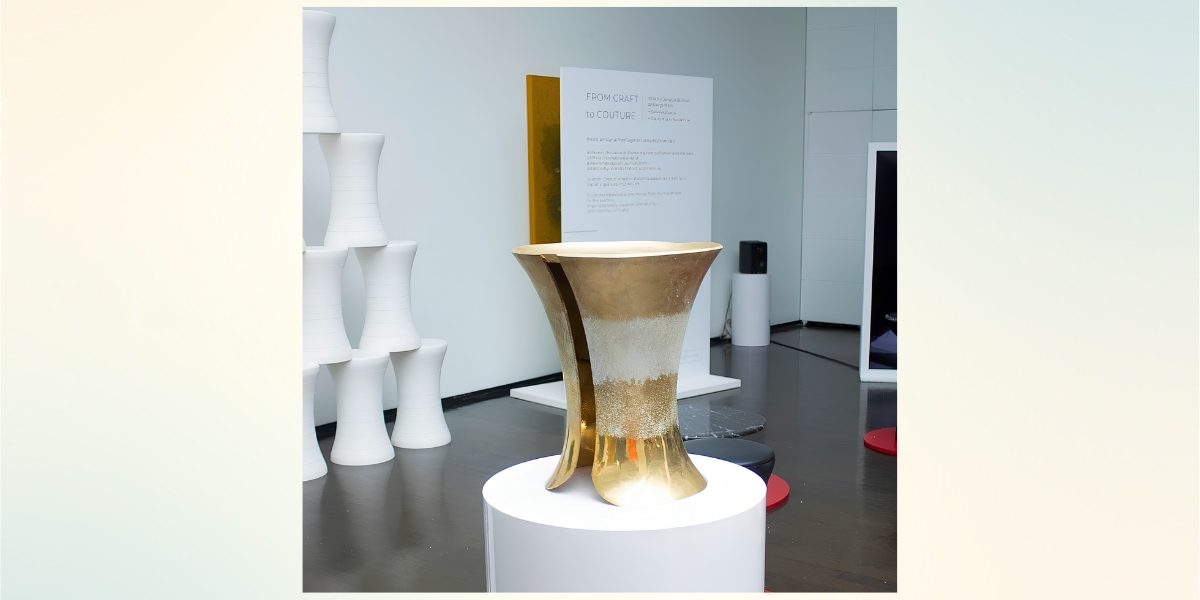
Furniture often serves a practical purpose, but ISSKA approaches it as something more. Founded by architect and designer Jessica Solnicki, the studio has developed a distinctive design language rooted in sculptural forms, thoughtful materials, and a belief that furniture can influence the way people experience a space. That perspective was recently introduced to New York audiences through an exhibition at AP Space Gallery presented in partnership with Faena Residences Miami.

Over the past several years, ISSKA has established itself through collections that blur the line between function and sculpture. Rather than chasing trends, the studio focuses on creating pieces that feel timeless, balancing bold forms with a sense of restraint. The result is furniture that makes a statement without relying on excess.

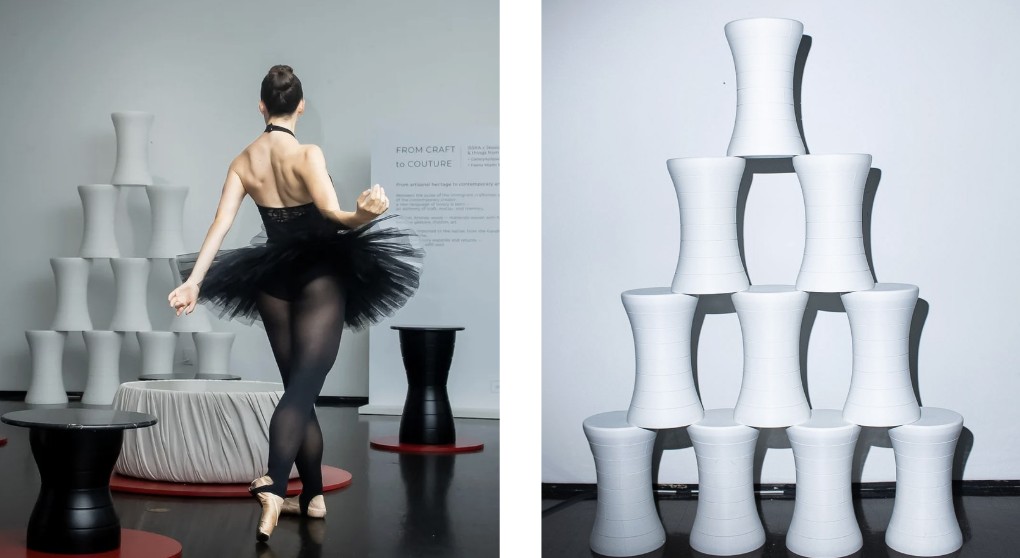
Throughout the collection, recurring curves and sculptural silhouettes create a recognizable visual identity. Whether expressed through seating, tables, or decorative objects, these forms establish continuity while allowing each piece to maintain its own character. This consistency gives the collection a cohesive quality that feels intentional and refined.

Material selection plays an equally important role in shaping the collection. Rather than competing with the furniture’s silhouettes, materials work to enhance them, creating pieces that feel cohesive and thoughtfully composed. Textured finishes, soft fabrics, and carefully considered surfaces add depth while reinforcing the studio’s broader design vision.

One of the most compelling aspects of ISSKA’s work is its focus on the overall experience of space. The studio’s pieces are not designed to exist in isolation. Instead, they contribute to a larger environment where form, proportion, and atmosphere work together to create a distinct sense of place. This perspective allows the furniture to function as part of a broader design narrative rather than as individual statement pieces.

Photo Courtesy: ISSKA

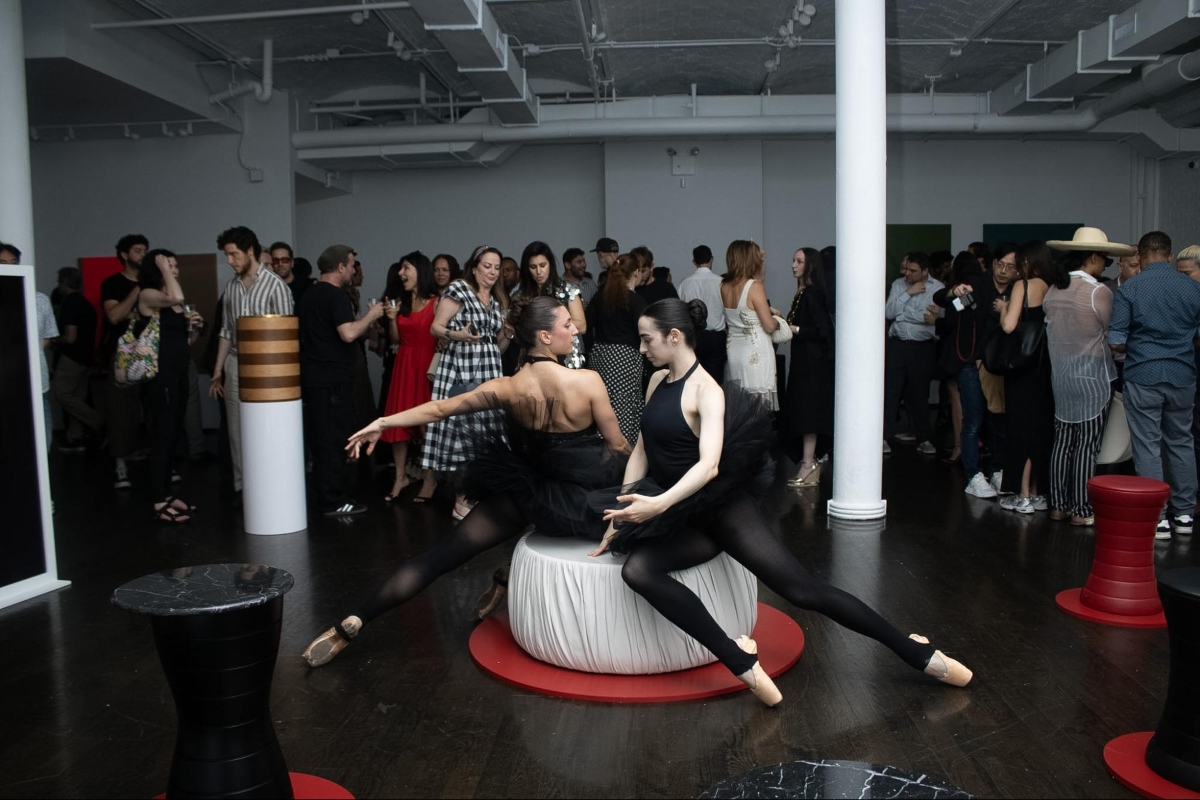
That philosophy was particularly evident during the recent exhibition at AP Space Gallery. Presented in partnership with Faena Residences Miami, the installation provided visitors with an opportunity to engage directly with the collection within a curated setting. Rather than viewing the furniture through photographs or renderings, guests were able to experience the scale, textures, and spatial relationships that define ISSKA’s work.

The collaboration with Faena Residences Miami reflected a shared appreciation for design that extends beyond aesthetics alone. Both brands emphasize the importance of thoughtfully crafted environments, where architecture, art, and interiors contribute equally to the experience of a space. The exhibition highlighted these common values while introducing ISSKA’s work to a wider New York audience.

As contemporary design continues to evolve, ISSKA remains focused on developing a clear and recognizable point of view. Through its emphasis on form, materiality, and spatial experience, the studio continues to create work that feels both current and enduring. The exhibition at AP Space Gallery offered a glimpse into that vision, demonstrating how thoughtful design can shape not only interiors but the way people interact with them.

Photo Courtesy: ISSKA

New York Taoist Association Conducts Cultural Exchange Visit and Awards Honorary Presidency to Taoist Master Huang Guanghui

By: Ethan Rogers

The New York Taoist Association was officially established in New York, USA, on October 15, 2025, with Ms. Wu Chengze serving as its inaugural President. The Association is dedicated to promoting the exchange of Taoist culture and the overseas dissemination of traditional Chinese culture, as well as facilitating cooperation in the field of intangible cultural heritage.

In May 2026, approximately six months after its establishment, President Wu Chengze led members of the Association, together with Vice President Taoist Master Liu Luocheng, on a cultural visit to the Linshui Palace Ancestral Temple in Gutian County, Fujian Province, China. The visit focused on cultural exchange and the study of traditional folk religious practices.

The Linshui Palace Ancestral Temple in Gutian is regarded as an important ancestral site of the Chen Jinggu folk belief system and one of the key origins of the Lüshan Taoist tradition. It holds significant influence within regional folk religious culture both in China and among overseas Chinese communities.

During the visit, the delegation participated in local cultural exchange activities and engaged in discussions with representatives of the ancestral temple and cultural inheritors on topics including the preservation of traditional culture and the transmission of intangible cultural heritage. The visit helped strengthen communication between overseas cultural organizations and traditional cultural institutions in China, while further promoting the understanding and dissemination of Chinese traditional culture abroad.

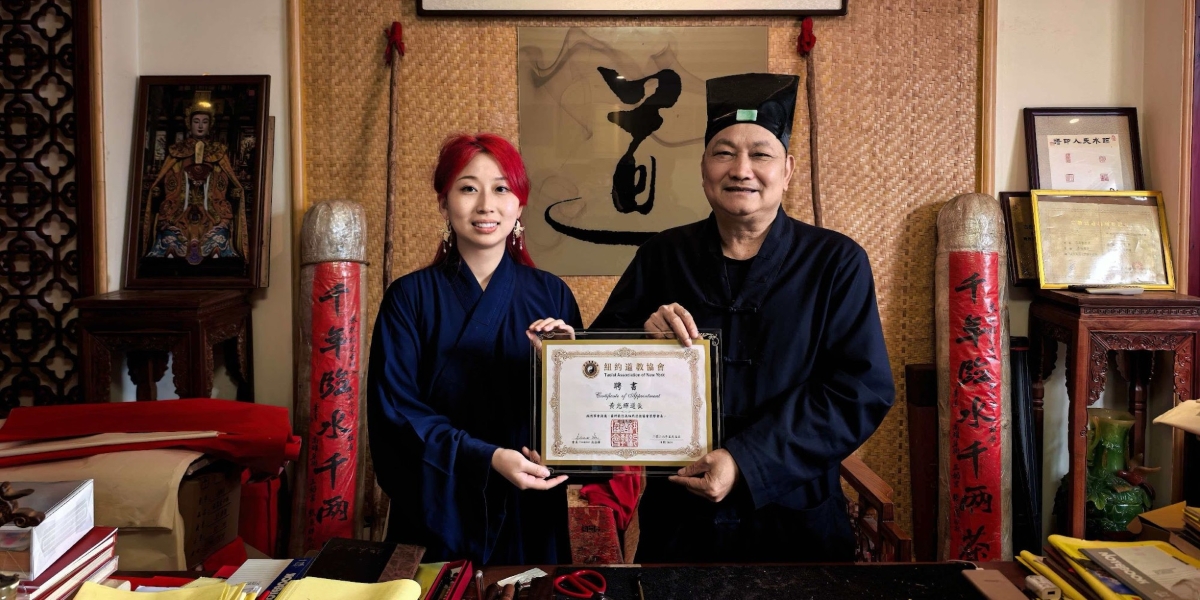
On May 5, 2026, the New York Taoist Association held an official appointment ceremony and conferred the title of Honorary President upon Taoist Master Huang Guanghui, a recognized national-level representative inheritor of intangible cultural heritage.

Huang Guanghui, male, Han ethnicity, born in 1966 in Gutian, Fujian Province, is a Taoist inheritor of the Lüshan tradition and a representative inheritor of the national intangible cultural heritage project “Chen Jinggu Belief and Customs.” He currently serves as the Abbot of the Linshui Palace Ancestral Temple in Gutian.

He was officially recognized as a national-level representative inheritor of intangible cultural heritage in 2018. He has long been engaged in the preservation and transmission of the Chen Jinggu folk belief system and Lüshan Taoist ritual traditions.

As the abbot of Linshui Palace, he has continuously overseen traditional rituals such as the “receiving incense and fire” ceremonies, making the temple an important hub for folk belief and cultural exchange among overseas Chinese communities.

The appointment of Taoist Master Huang Guanghui will provide professional guidance and support for the New York Taoist Association in the preservation and development of traditional cultural practices, and help promote the standardized development of related cultural initiatives.

Photo Courtesy: Master Huang Guanghui

This cultural exchange visit and appointment ceremony further strengthened the institutional connection between the New York Taoist Association and traditional cultural institutions in China, laying a foundation for future cross-regional cultural exchange and cooperation.

Understanding San Antonio Botanical Garden Hours: A Comprehensive Guide for Visitors

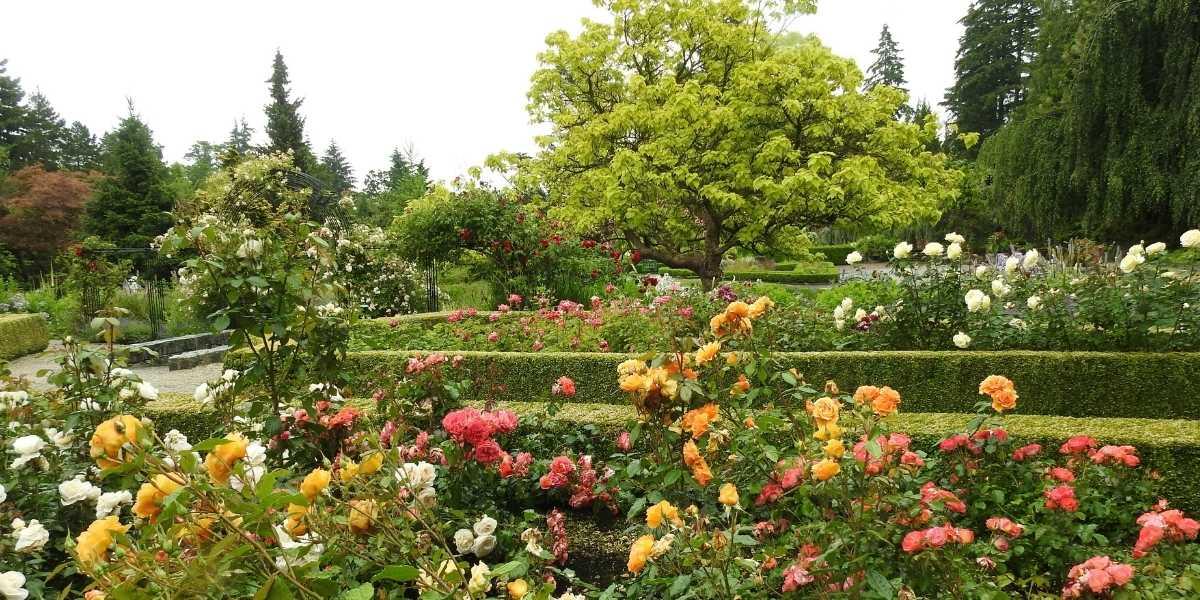
Planning your visit to a botanical garden involves more than just picking a date. Understanding the garden’s operating hours can significantly enhance your experience. The San Antonio Botanical Garden offers a serene escape from the bustle of city life, and by aligning your schedule with their botanical gardens hours, you can fully immerse yourself in the beauty and tranquility it provides.

Knowing when to visit a botanical garden significantly enhances the experience. Early mornings provide cooler weather and less crowded paths, ideal for fresh plant viewing, while afternoons offer amenities and programs. Seasonal changes affect garden hours, making it crucial to stay up to date. Botanical gardens adapt to natural rhythms, focusing on conservation and guest safety, fostering respect for the living collection and its caretakers.

Why Do Botanical Gardens Have Specific Operating Hours?

Unlike public parks that may remain open around the clock, botanical gardens operate on carefully considered schedules. The timing ensures optimal conditions for plant health, public safety, and proper staffing. Gardening activities, maintenance, and conservation work often take place outside open hours to avoid disturbing guests and protect delicate species. During summer, operating schedules are frequently adjusted to avoid exposing both plants and people to midday heat.

How Do Seasonal Changes Affect Visiting Hours?

Seasons play a significant role in determining when and how long gardens stay open. In spring, extended hours welcome crowds eager to enjoy peak blooms and comfortable weather. Events such as plant sales and flower festivals also shape these hours to accommodate more visitors. In winter, shorter daylight and colder temperatures often lead to reduced hours, both for guest comfort and to allow staff ample time for vital behind-the-scenes work. Before any visit, it is wise to check up-to-date seasonal schedules directly on the garden’s website.

What Are the Benefits of Visiting During Off-Peak Hours?

Peace and tranquility are hallmarks of the best botanical garden visits. These are best found during weekday mornings or immediately after the garden opens. Not only will you encounter fewer crowds, but you’ll also have the freedom to observe wildlife, take photographs, and spend extra time at your favorite exhibits. According to research featured by Harvard Health Publishing, time in nature, especially in less crowded settings, has lasting positive effects on mental well-being and stress recovery.

How Can You Plan Your Visit Around Special Events?

From seasonal floral displays to educational workshops and evening concerts, special events can disrupt the garden’s regular rhythm. On event days, specific areas might be reserved or experience increased attendance, which changes both the experience and operational details. Always review the garden’s events calendar so you do not miss out on unique programming or run into area closures. Planning around these special days can maximize your chances of a relaxing and engaging experience.

Why Is It Important to Check the Garden’s Official Website?

The San Antonio Botanical Garden, like many others, updates its schedule when unexpected events, such as inclement weather or emergency maintenance, require adjustments. The official website is the most accurate source of real-time information on opening hours, temporary closures, and new visitor policies. This step minimizes the chance of disappointment and ensures your group, whether solo or family, makes the most of their visit.

What Amenities Are Available During Different Times of the Day?

Beyond walkways and natural exhibits, botanical gardens often offer additional amenities such as guided tours, cafes, and gift shops. However, not every facility runs the same hours as the main garden itself. Visitors who arrive early may find that shops or food stands open later in the morning. By midday and afternoon, nearly all amenities are available, giving you full access to everything the garden offers. A quick check of the amenities schedule can help you plan your activities effectively and avoid missing out on dining or unique gifts.

How Do Visiting Hours Impact Educational Opportunities?

Educational opportunities are a highlight of many garden visits. Lectures, workshops, and guided walks are typically scheduled at specific times that align with the garden’s hours. When you align your visit to coincide with these programs, you can deepen your understanding of conservation, local ecosystems, and the diverse plant collections. Many of these learning opportunities are popular, so checking event times in advance will help you make the most of your day.

Making the Most of Your Garden Visit

Understanding the San Antonio Botanical Garden’s operating hours is fundamental to creating a memorable visit. Whether your goals are peaceful solitude, active learning, or family fun, paying attention to seasonal changes, special events, and off-peak times lets you tailor your day to suit your preferences. For up-to-date information and to ensure a well-planned experience, always refer to the garden’s official website. With a bit of planning, your botanical adventure can offer relaxation, inspiration, and connection with the beauty of nature.