Giggster Looks at Rising Baby Celebration Costs in New York

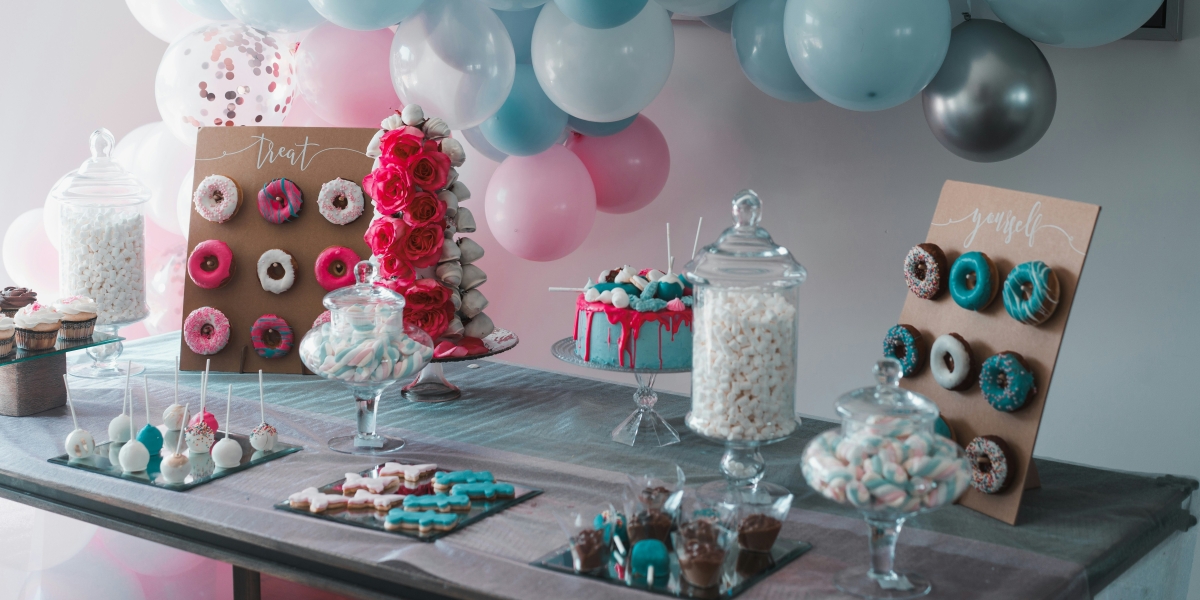
New York has claimed the third spot in the nation for baby celebration spending intensity, and it also carries the distinction of having the highest party service costs of any state in the country. A sampled basket of celebration services — catering, music entertainment, photo booth, party decor, and related categories — costs approximately $5,400 in New York, a figure that sits nearly $2,800 above the lowest-cost state and well above the national average.
The data comes from Giggster’s 2026 baby celebration spending rankings, which evaluated all 50 states on a composite of family demand, vendor market depth, local spending environment, and celebration infrastructure. New York’s No. 3 overall ranking, combined with its No. 1 position for service costs, paints a picture of a state where the appetite for baby celebrations is strong, the vendor market is among the deepest in the country, and the price tag is commensurate with both.
The Cost Reality For New York Families
For New York parents who have recently navigated the baby shower or first birthday planning process, the $5,400 service basket figure will feel familiar, if anything, understated. In New York City proper — where venue costs, vendor minimums, and service charges all carry a premium that the statewide average somewhat dilutes — a well-produced first birthday party or baby shower can comfortably exceed that figure before accounting for venue rental, invitations, flowers, or custom cake design.
The categories driving the highest costs nationally are music entertainment and magic performers, each averaging above $500 per service at the national level. In New York City, those figures are higher. A children’s entertainer or musician for a first birthday in Manhattan or Brooklyn can run $800 to $1,200 for a 90-minute performance, and catering minimums at private event spaces frequently start at figures that would cover an entire event budget in a lower-cost state.
Why New York Ranks So High
New York’s No. 3 overall ranking is driven by more than just high service costs. The state scores well across all four index components, reflecting genuine strengths in family demand, vendor market depth, and celebration infrastructure alongside its leading position in the spending environment category.
The vendor market for baby celebrations in New York is among the deepest and most specialized in the world. New York City is home to event designers, photographers, entertainers, caterers, florists, and venue operators who focus specifically on milestone family celebrations, and the competitive density of that market has produced extraordinary specialization.
Families planning a first birthday in New York City have access to professional resources that simply do not exist at comparable levels in most other markets.
New York State also benefits from strong family demand metrics outside the city. Westchester, Nassau, and Suffolk counties — along with the Capital Region and Western New York — all have substantial populations of married-couple households with children, and the cultural emphasis on celebrating family milestones is strong across the state’s diverse communities.
The Brooklyn And Queens Factor
Two boroughs deserve specific mention in any discussion of New York’s baby celebration culture. Brooklyn and Queens are home to some of the most culturally diverse and celebration-oriented communities in the state, where traditions from South Asia, the Caribbean, Latin America, Eastern Europe, and East Asia all place significant value on family milestone events.
The convergence of these cultural traditions in neighborhoods with high family density has produced a baby celebration market that is unusually active and diverse in its expression.
For families in these communities, the pressure to produce a memorable and well-documented celebration is both cultural and social, and the vendor ecosystem has developed to serve it at every price point — from modest neighborhood hall rentals to fully produced events at premium Brooklyn event spaces.
Navigating New York’s Baby Celebration Market
For New York families in the planning process, the most useful strategy is to identify the cost drivers early and make deliberate choices about where to allocate the budget. The New York City Department of Consumer and Worker Protection offers resources on consumer contracts and vendor agreements that are worth reviewing before signing any event service contract, particularly given the complex deposit and cancellation structures that many New York event vendors employ.
Families outside the city, particularly in the suburbs, will find a meaningfully more accessible vendor market while still benefiting from the depth and quality that comes with proximity to one of the world’s great event industries. The North Shore of Long Island and the Westchester suburbs in particular have developed strong local vendor ecosystems for family celebrations that offer a significant quality-to-price advantage over their Manhattan counterparts.
New York’s No. 3 ranking is a reflection of everything the state does at a premium: the market is deep, the talent is extraordinary, and the costs are real. For families navigating it, knowing that going in is half the battle.