What Injured Motorcyclists Should Know About Filing a Crash Claim

New York City’s streets are a demanding environment for any motorcyclist. Between the dense traffic on the FDR, the unpredictable flow at Midtown intersections, and the constant blind spots created by buses, delivery trucks, and rideshare vehicles, riders face risks that drivers of larger vehicles rarely consider. When a crash happens in this kind of setting, the aftermath rarely ends at the scene. Insurance adjusters, police reports, medical bills, and questions of fault can pile up quickly, often while the rider is still recovering from serious injuries.

That weight is something many riders are not prepared to carry alone, especially when the other driver’s insurer starts pressuring for early statements or quick settlements. Working with a firm that understands the local roads, the local courts, and the way carriers handle motorcycle cases can make a real difference in how a claim moves forward. For riders looking for legal help after a motorcycle crash in New York City, having experienced counsel involved early can shape both the strength of the claim and the financial recovery that follows.

How Shulman & Hill Supports Injured Riders

When a motorcyclist reaches out after a crash, the firm steps in to handle the parts of the process that tend to overwhelm injured clients. That includes communicating with insurance adjusters, obtaining the police report, and identifying coverage that may not be obvious on first reading. Riders are encouraged to focus on healing while the legal team handles the procedural burden of the claim.

The Firm’s Approach to Medical Documentation

Medical records carry a great deal of influence in motorcycle cases, and the firm treats them as a cornerstone of every claim. Beyond naming an injury, the records track swelling, range of motion, nerve symptoms, and the arc of recovery. The legal team works closely with treating providers to ensure the documentation reflects the full picture, including ongoing therapy, follow-up imaging, and any complications that develop weeks or months after the incident. Carriers often look for gaps to argue that the pain came from elsewhere, and a well-documented chart leaves far less room for that kind of pushback.

Building the Evidence Record

The firm places strong emphasis on preserving the physical and visual evidence that motorcycle cases often rely on. Split helmets, scraped riding gear, bent rims, and damaged jackets all speak to the force of an impact in a way that words on paper rarely capture. The legal team works to secure this material early, along with surveillance footage from nearby businesses, dashcam recordings from other vehicles, and witness contact information before it becomes difficult to track down. This kind of groundwork strengthens both settlement discussions and trial preparation.

How the Firm Handles Comparative Fault in New York

New York follows a comparative fault framework, which means a rider can still recover compensation even when partial blame is assigned. The firm’s role is to push back against inflated fault arguments from the other side. Speed, lane positioning, sight lines, weather, and braking patterns all become points of analysis, and the legal team often works with accident reconstruction professionals to present a clearer account of what actually happened on the road.

Why Motorcycle Cases Demand a Different Strategy

Motorcycle claims do not move through the system the way standard car accident cases do. Riders generally fall outside the usual no-fault benefit structure that protects many vehicle occupants in New York, which puts the other driver’s liability coverage at the center of the case from the very beginning. The firm builds its strategy around that reality, anticipating where carriers tend to push back, including injury severity, future treatment needs, wage loss, and the value of the motorcycle itself.

Shulman & Hill’s Work on Time-Sensitive Matters

Motorcycle cases involve a series of time-sensitive steps, and the firm manages those timelines so clients are not left tracking deadlines while recovering from injuries. From preserving evidence before it disappears to filing the proper documents within the windows set by state law, the legal team treats timing as part of the foundation of every case. Cases involving public entities or municipal vehicles carry their own procedural requirements, and the firm has experience handling those matters as well.

Pursuing the Full Range of Damages

A motorcycle case often involves much more than emergency room bills. The firm pursues compensation for lost wages, future care, rehabilitation, medication, property damage, and reduced earning capacity. Pain and suffering also factor in, where sleep disruption, scarring, anxiety, or lasting physical limits continue long after discharge. Each category is built on records, invoices, and credible clinical support.

Get in Touch With Shulman & Hill

Shulman & Hill has spent more than a decade representing injury victims across New York City, with offices in Manhattan, Brooklyn, Queens, the Bronx, Staten Island, and Long Island. The firm works on a contingency basis, which means clients pay nothing unless a recovery is made. Riders and their families are welcome to reach out for a free, no-obligation consultation at (866) 676-1214, with multilingual support available for those who prefer to speak in Spanish or Russian.

Disclaimer: The information provided in this article is for general informational purposes only and does not constitute legal advice. While the content discusses considerations for motorcyclists involved in crashes in New York City, it may not reflect the specific circumstances of every case. Readers should not rely solely on this information to make legal decisions. For advice regarding a particular situation, including filing a crash claim or understanding rights and responsibilities under New York law, individuals should consult with a licensed attorney.

What Injured Motorcyclists Should Know About Filing a Crash Claim


New York City’s streets are a demanding environment for any motorcyclist. Between the dense traffic on the FDR, the unpredictable flow at Midtown intersections, and the constant blind spots created by buses, delivery trucks, and rideshare vehicles, riders face risks that drivers of larger vehicles rarely consider. When a crash happens in this kind of setting, the aftermath rarely ends at the scene. Insurance adjusters, police reports, medical bills, and questions of fault can pile up quickly, often while the rider is still recovering from serious injuries.

That weight is something many riders are not prepared to carry alone, especially when the other driver’s insurer starts pressuring for early statements or quick settlements. Working with a firm that understands the local roads, the local courts, and the way carriers handle motorcycle cases can make a real difference in how a claim moves forward. For riders looking for legal help after a motorcycle crash in New York City, having experienced counsel involved early can shape both the strength of the claim and the financial recovery that follows.

How Shulman & Hill Supports Injured Riders

When a motorcyclist reaches out after a crash, the firm steps in to handle the parts of the process that tend to overwhelm injured clients. That includes communicating with insurance adjusters, obtaining the police report, and identifying coverage that may not be obvious on first reading. Riders are encouraged to focus on healing while the legal team handles the procedural burden of the claim.

The Firm’s Approach to Medical Documentation

Medical records carry a great deal of influence in motorcycle cases, and the firm treats them as a cornerstone of every claim. Beyond naming an injury, the records track swelling, range of motion, nerve symptoms, and the arc of recovery. The legal team works closely with treating providers to ensure the documentation reflects the full picture, including ongoing therapy, follow-up imaging, and any complications that develop weeks or months after the incident. Carriers often look for gaps to argue that the pain came from elsewhere, and a well-documented chart leaves far less room for that kind of pushback.

Building the Evidence Record

The firm places strong emphasis on preserving the physical and visual evidence that motorcycle cases often rely on. Split helmets, scraped riding gear, bent rims, and damaged jackets all speak to the force of an impact in a way that words on paper rarely capture. The legal team works to secure this material early, along with surveillance footage from nearby businesses, dashcam recordings from other vehicles, and witness contact information before it becomes difficult to track down. This kind of groundwork strengthens both settlement discussions and trial preparation.

How the Firm Handles Comparative Fault in New York

New York follows a comparative fault framework, which means a rider can still recover compensation even when partial blame is assigned. The firm’s role is to push back against inflated fault arguments from the other side. Speed, lane positioning, sight lines, weather, and braking patterns all become points of analysis, and the legal team often works with accident reconstruction professionals to present a clearer account of what actually happened on the road.

Why Motorcycle Cases Demand a Different Strategy

Motorcycle claims do not move through the system the way standard car accident cases do. Riders generally fall outside the usual no-fault benefit structure that protects many vehicle occupants in New York, which puts the other driver’s liability coverage at the center of the case from the very beginning. The firm builds its strategy around that reality, anticipating where carriers tend to push back, including injury severity, future treatment needs, wage loss, and the value of the motorcycle itself.

Shulman & Hill’s Work on Time-Sensitive Matters

Motorcycle cases involve a series of time-sensitive steps, and the firm manages those timelines so clients are not left tracking deadlines while recovering from injuries. From preserving evidence before it disappears to filing the proper documents within the windows set by state law, the legal team treats timing as part of the foundation of every case. Cases involving public entities or municipal vehicles carry their own procedural requirements, and the firm has experience handling those matters as well.

Pursuing the Full Range of Damages

A motorcycle case often involves much more than emergency room bills. The firm pursues compensation for lost wages, future care, rehabilitation, medication, property damage, and reduced earning capacity. Pain and suffering also factor in, where sleep disruption, scarring, anxiety, or lasting physical limits continue long after discharge. Each category is built on records, invoices, and credible clinical support.

Get in Touch With Shulman & Hill

Shulman & Hill has spent more than a decade representing injury victims across New York City, with offices in Manhattan, Brooklyn, Queens, the Bronx, Staten Island, and Long Island. The firm works on a contingency basis, which means clients pay nothing unless a recovery is made. Riders and their families are welcome to reach out for a free, no-obligation consultation at (866) 676-1214, with multilingual support available for those who prefer to speak in Spanish or Russian.

Disclaimer: The information provided in this article is for general informational purposes only and does not constitute legal advice. While the content discusses considerations for motorcyclists involved in crashes in New York City, it may not reflect the specific circumstances of every case. Readers should not rely solely on this information to make legal decisions. For advice regarding a particular situation, including filing a crash claim or understanding rights and responsibilities under New York law, individuals should consult with a licensed attorney.

XVision AI Brings Integrated Traffic Platform to APAC

By: Jessa Marie Dollesin

Ask any city traffic engineer what is wrong with the current approach to road safety technology, and you will hear a familiar answer: too many systems, too many vendors, and data that arrives too late to do much about what it describes.

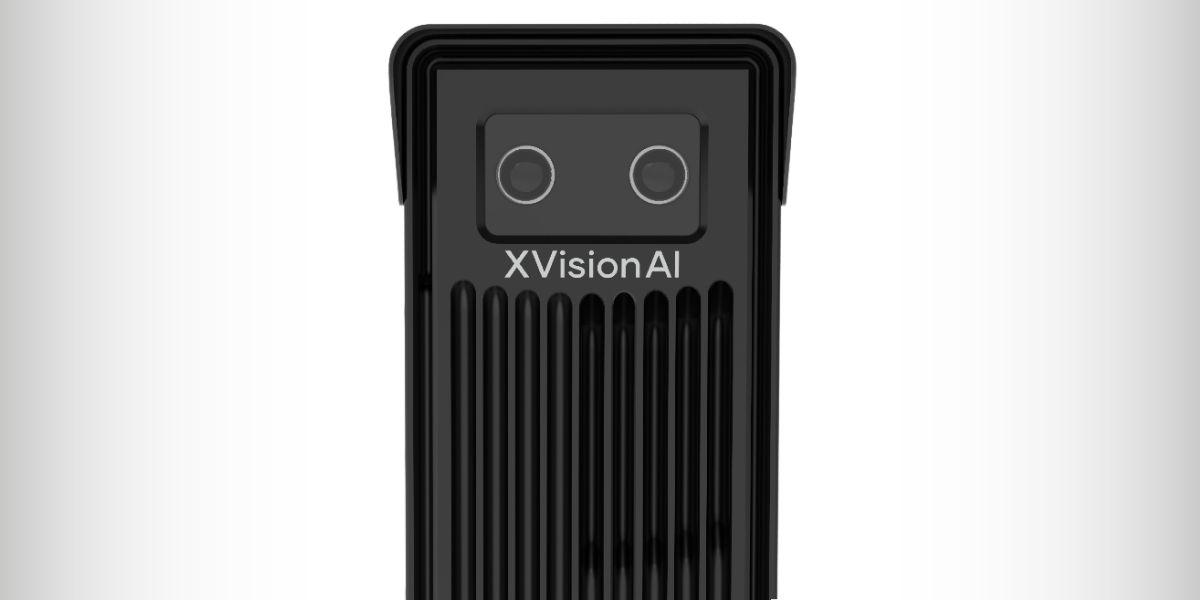
XVision AI, an Australian company that launched its traffic intelligence platform in late 2024, has taken that complaint seriously enough to build an entire product around it. The company’s EagleEye device mounts at intersections and does in one unit what traditionally required five or six separate pieces of hardware and software: it detects road users with stereo-vision depth sensing, classifies their movements using onboard artificial intelligence, and delivers structured safety and mobility data to traffic controllers, cloud dashboards, and city planning teams — without routing raw video through a central server.

The company has deployed 180 EagleEye units across the Asia-Pacific region since launching, with strong momentum in Australia and expansion planned through APAC between 2026 and 2028. It has identified more than 100,000 intersections across the region as candidates for the platform and is targeting at least 1,000 of them by 2027.

It is easy to dismiss those numbers as ambitious, given the company’s age. It is also worth noting that 180 deployments in under a year is nothing in a sector where procurement cycles typically run 12 to 24 months, and every installation requires sign-off from at least two levels of government.

“What we’ve done with EagleEye is collapse what used to be five or six separate systems into one intelligent platform,” said Simon Maselli of XVision AI. “Instead of fragmented data from loops, radar, and cameras, cities now get a single, consistent source of truth that reflects how all road users actually interact in real time.”

The practical benefit for the contractors who install road technology is that EagleEye gives them a single device covering everything from basic vehicle detection to pedestrian conflict mapping. New features arrive through software updates, not hardware replacements. For cities, the benefit is data they can actually use: near-miss counts, conflict mapping, queue analysis, and early-warning information that identifies where a serious incident is likely before it occurs.

For government buyers working toward zero-harm road safety targets, that last point matters most. Crash statistics describe failures after the fact. EagleEye, the company says, surfaces the patterns that predict them.

XVision AI competes against VivaCity, Axis Communications, and legacy sensing technologies, including road loops and radar. It is making its case across a market it estimates at more than 100,000 eligible intersections. It has started.

Common Hearing Aid Issues You Can Troubleshoot at Home

By Umair Malik

Your hearing aids work hard. They live in your ears all day, every day, exposed to body heat, moisture, earwax, dust, hairspray, hand cream, and whatever else happens to make contact. So when one of them goes quiet on a Tuesday morning or starts whistling in the middle of a conversation, the instinct is to assume the worst and panic about the cost of a repair.

Most of the time, that panic is misplaced. A surprising number of hearing aid problems have simple fixes you can do at home in under two minutes. The key is knowing what to check, in what order, and when the issue is actually worth bringing in for professional service.

This guide walks through the most common at-home fixes and where the line is between a quick troubleshoot and a real repair. When the problem genuinely is beyond what you can fix at home, a proper hearing aid repair clinic in the Waterloo Region will diagnose and resolve the issue faster than mailing your devices off or relying on online tutorials. Local service also means you get your hearing back in days rather than weeks.

Why Hearing Aids Matter (And Why Keeping Them Working Matters More)

Hearing aids are a small investment in a big quality-of-life outcome. An estimated 4.6 million Canadians aged 20 to 79, or roughly 19 percent of the adult population, have measurable hearing loss, but only a fraction of those who would benefit from hearing aids actually use them. Once you commit to wearing them, keeping them functional matters every day. A broken or malfunctioning device pulls you right back into the world of strained conversations and missed cues that you got the hearing aids to avoid in the first place.

Issue 1: No Sound At All

This is the most common complaint and one of the easiest to fix. Run through these steps in order:

  • Check that the device is actually on. It sounds obvious. The on/off switch (or battery door) can shift during a long day in your ear or while you slept.
  • Check the battery. If you use disposable batteries, swap in a fresh one. If you have rechargeable hearing aids, make sure the charger is plugged in and the contacts are clean. A faint indicator light that should be solid usually means the charge is incomplete.
  • Check the wax filter. This tiny mesh barrier at the speaker end of the device traps earwax. When it gets fully clogged, sound stops getting through. Most hearing aids come with a small kit for swapping these filters. Replace it and try again.
  • Check the tubing or dome. On behind-the-ear models, the tubing can develop a crack or come loose. On in-the-ear styles, the dome can crack or detach. A visual inspection will catch the obvious problems.

If you have run through all four and there is still no sound, the device itself may need service.

Issue 2: Whistling Or Feedback

Whistling is your hearing aid telling you that amplified sound is escaping and being re-amplified, creating a feedback loop. A few common causes and fixes:

The dome or earmold is not seated properly. Take the hearing aid out and re-insert it, making sure it sits fully and snugly in your ear canal. A poor fit is the most frequent culprit.

There is earwax in your ear canal. Wax can reflect sound back into the device, causing feedback. If you have any reason to believe wax buildup is the issue, a professional cleaning is the right move; do not try to remove deep wax with cotton swabs.

The dome or tubing is damaged or has lost its seal. If you have had your devices for more than a year, a worn dome is the likely cause. Replacement domes are inexpensive and easy to swap.

Issue 3: Sound Is Muffled, Weak, Or Distorted

If the volume seems lower than usual or sounds are unclear, work through these checks:

  • Clean the device. Wax buildup on the microphone openings or speaker port reduces sound quality dramatically. Use a soft brush from your cleaning kit to gently clear the openings. Avoid water or alcohol unless your model specifically allows it.
  • Check the wax filter again. A partially clogged filter cuts volume and clarity before it cuts sound entirely. If you cannot remember when you last changed it, that is your answer.
  • Check the battery contacts. On disposable battery models, corrosion or dirt on the contacts can reduce performance. Wipe them gently with a dry cloth.
  • Check the program setting. Most hearing aids have multiple listening programs that you may have switched accidentally. Cycle through them to confirm you are on the right one for your environment.

Issue 4: Intermittent Sound Or Cutting In And Out

Devices that cut in and out are often dealing with a moisture issue or a connection problem. A few things to try:

Open the battery door overnight and use a hearing aid dehumidifier or drying kit if you have one. Many problems caused by moisture buildup clear themselves up after a few hours in a drying environment. If you live somewhere humid or you sweat a lot, consider making this a nightly habit.

For rechargeable models, the issue may be inconsistent contact in the charger. Clean both the charger contacts and the contacts on the hearing aid with a dry cotton swab. Make sure the devices are seated properly when charging.

If the cutting in and out happens during phone calls or while streaming audio, the issue is likely with the Bluetooth connection rather than the hearing aid itself. Restarting the paired device and re-pairing the hearing aids usually resolves it.

When It Is Time To Bring Them In

Some signals tell you the at-home fixes have run out of road:

  • Physical damage. Cracks in the casing, bent components, or anything you can see is broken needs professional attention. Continuing to wear a damaged device can let moisture in and worsen the damage quickly.
  • Persistent issues after troubleshooting. If you have changed the wax filter, cleaned everything, swapped batteries, and the problem persists, you need a clinician to open up the device and look inside.
  • Sudden complete failure. A device that worked fine yesterday and is completely dead today usually has an internal issue.
  • Warning lights or beeps. Most modern hearing aids will signal you with an audible cue when something is wrong. Do not ignore these.

Preventing Problems In The First Place

Most hearing aid repairs are the result of buildup, moisture, or worn-out components. A simple care routine prevents most of them:

Hearing aids are remarkably durable when they are looked after. A few minutes of weekly attention adds years to their life and dramatically reduces the times you find yourself standing in front of a quiet device, wondering what went wrong.