The wedding marketplace has long been shaped by aspiration. Beautiful imagery, polished details, and carefully styled celebrations have helped define how couples imagine the big day. Yet as digital content has become more abundant, many couples have begun looking for something more specific and more useful: inspiration grounded in real weddings and real local expertise.
Wed Society built its brand by offering something more grounded. Founded in 2007 by Ashley Bowen Murphy and Kami Huddleston after they saw a gap in local wedding planning resources, the company grew around a straightforward idea: couples want inspiration they can actually use. Its focus on real weddings and local vendors gave that idea staying power.
That premise may sound obvious now, but obvious ideas often look smartest after everyone else catches up. In bridal media, fantasy has long been easy to package. Credibility has been harder to earn. Wed Society’s appeal lies in how it brings those two instincts together. It presents beautiful work while keeping one foot planted in reality.
Why the Model Resonates
That distinction matters because modern couples approach planning with a different sensibility. They scroll like editors. They compare like consumers. They assess every recommendation with the alert skepticism of people who have spent years being marketed to online. They do not simply want images that dazzle. They want context. They want relevance. They want to know whether what they are seeing can actually translate into their own lives.
Wed Society’s model speaks directly to that expectation. The company has consistently emphasized local markets, real weddings, and connections to professionals couples can actually hire. That approach gives its content an immediacy that more generic inspiration often lacks. A beautiful image matters more when it comes attached to a real place, a real team, and a real possibility.
Kami Huddleston put the mission plainly: “Our mission has always been the same. To connect couples with the best local vendors and to elevate the businesses that make wedding dreams come true.” That clarity helps explain why the company’s voice carries weight. It is not trying to float above the bridal market as some abstract tastemaker. It is speaking directly to the people inside it.
A More Credible Bridal Voice
The company’s growth suggests that this approach has found a wide audience. Wed Society opened its first franchise market in May of 2024 and, according to company reporting, reached 36 markets across 22 states by April 2026. That expansion matters less as a victory lap than as evidence of demand. It suggests that local credibility still has real value in a digital economy flooded with interchangeable content.
There is a larger lesson in that success. Audiences have grown tired of polished imagery that invites admiration from a distance. They respond more strongly to material that feels usable, recognizable, and grounded in lived experience. Wed Society has leaned into that shift with discipline. It has built a business around the idea that beauty loses none of its power when it becomes more believable. It gains it. The company reports its franchisees are now generating more than 10 million monthly social and digital content views from couples actively planning a wedding.
That may be the company’s sharpest instinct. It understands that authenticity is not a slogan. It is a standard. It is the difference between content that merely decorates a screen and content that earns trust.
Wed Society did not need to shout to stand out. It simply made reality look as compelling as it already was.
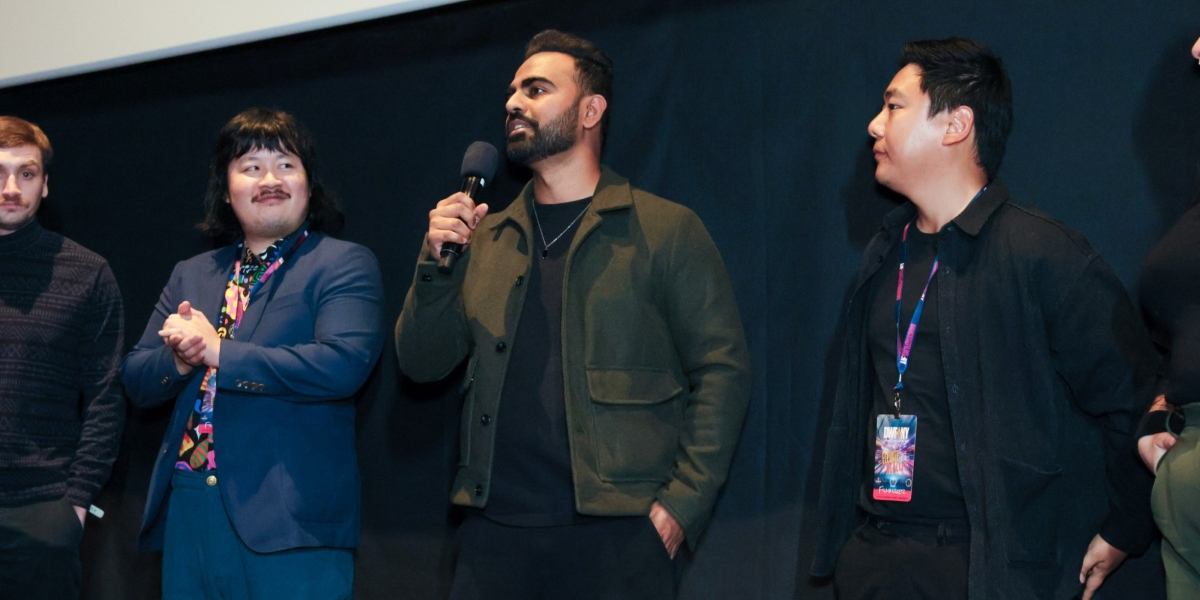
Wasim Azeez is entering a new phase in his career with a clear creative goal. After building a body of work shaped by drama, identity, and emotionally grounded characters, he is moving toward comedy with his upcoming feature film debut, Bonzo Gonzo. The shift gives his work a wider entry point while keeping the depth that has defined his screen and stage presence.
The move also reflects a larger truth about storytelling. Independent films often give actors space to take creative risks. Comedy gives audiences a fast way into a story. When the two meet, a performer can reach new viewers without giving up nuance.
A Career Built on Layered Roles
For Wasim Azeez, drama has served as a strong foundation. He is a multilingual actor working across film, television, and theater. His work often centers on complex characters shaped by culture, identity, belonging, and personal conflict. These roles require restraint, timing, and emotional precision.
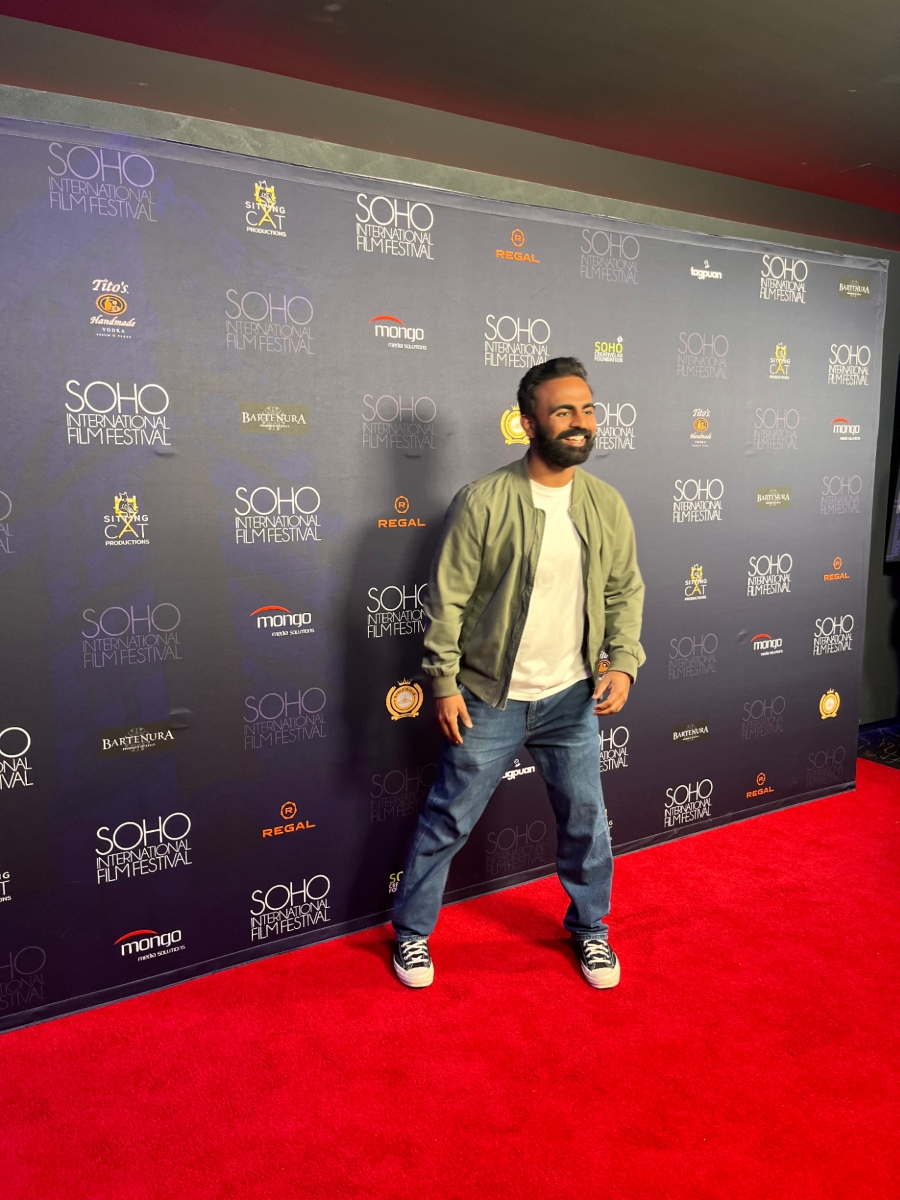
His film work has screened at more than 25 film festivals worldwide. That festival presence shows his connection to the international indie circuit. It also places him among actors who understand how intimate stories can travel across borders when they speak to shared human experiences.
His theater background adds another layer to that growth. He earned a Best Performance nomination in an Off Off Broadway production at the American Theater of Actors. The production was voted Best Show of 2025 by TheaterScene. Stage work often sharpens an actor’s ability to listen, react, and carry a scene with presence. Those skills can transfer well into comedy, where rhythm and timing matter as much as emotion.
Why Comedy Opens the Door
Photo Courtesy: Merrit Reid
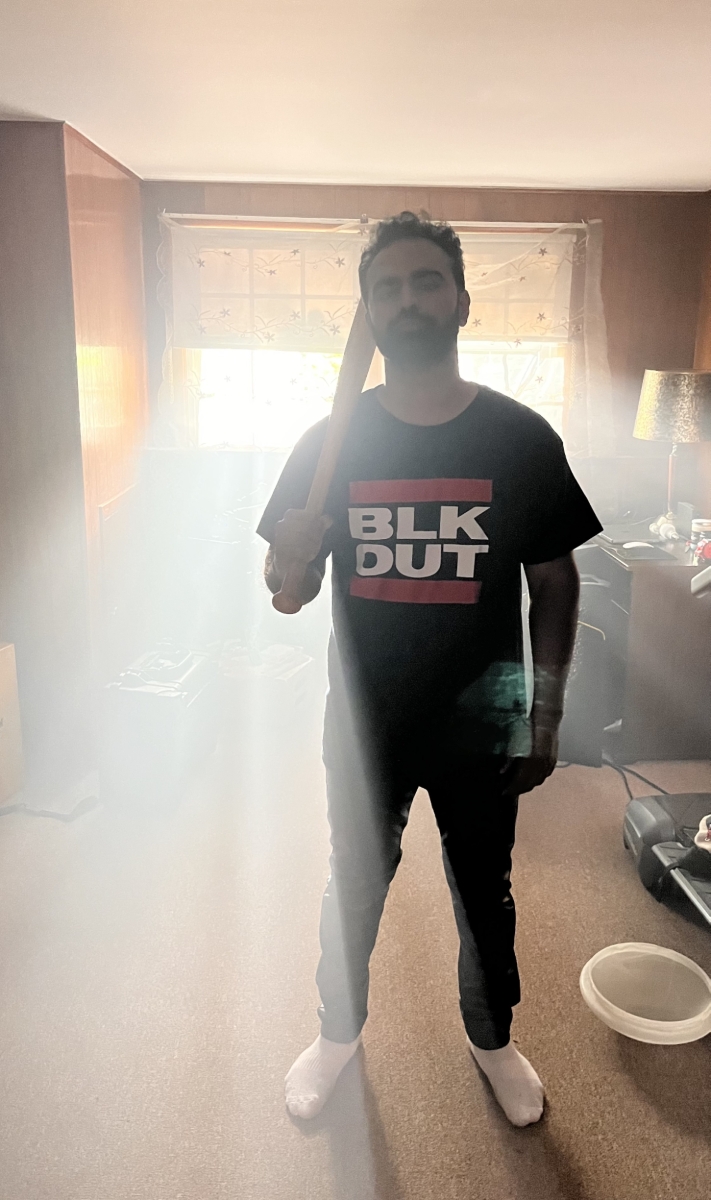
Wasim Azeez is now stepping into comedy through Bonzo Gonzo, an upcoming indie feature set for release in the summer. He described the project in direct terms: “I am making my feature film debut in the summer and it’s an all out comedy. A departure from my usual dramatic roles that have been to about 30 film festivals.”
That statement gives the project its creative context. It is not a small adjustment. It is a visible turn from festival focused drama into a format that can invite broader audience interest. Comedy can cross language and cultural lines because it often begins with behavior, timing, surprise, and recognizable social tension.
This matters for an actor with a multilingual background. Humor can make complex ideas easier to enter. A story can still speak about identity, pressure, ambition, family, or belonging. The tone simply gives audiences a different way to engage.
Expanding Reach Without Losing Depth
Photo Courtesy: Alan Del Tufo
Wasim Azeez has built credibility through roles that ask viewers to look closely. The challenge now is to bring that same care into a lighter form. Comedy does not need to be shallow. Strong comedy often depends on character truth. The joke works because the person feels real.
That is where his dramatic background may help. An actor trained in grounded performance can keep comedic scenes from feeling flat. He can play the truth of a moment rather than chase a laugh. This approach can make comedy feel accessible without making it empty.
Bonzo Gonzo may also introduce him to viewers who do not usually follow festival films. That shift can matter for long term visibility. Festival audiences often value craft and originality. Wider audiences often respond to pace, clarity, and emotional ease. A performer who can speak to both groups has more room to grow.
A Bridge Between Indie Film and Wider Appeal
The next stage for Wasim Azeez sits between two lanes. One lane is indie credibility. The other is a wider audience connection. He does not need to leave one behind to enter the other.
His previous work already shows a range across formats. He has appeared in films, television, theater, web projects, and vertical storytelling. That mix reflects the way audiences now discover actors. Some viewers find performers through festivals. Others find them through streaming, social clips, pilots, or short form platforms.
Wasim Azeez described Bonzo Gonzo as an all out comedy. That simple phrase signals a project built for energy and reach. It also gives audiences a clean reason to pay attention. They can see an actor known for dramatic roles take on a new mode without losing the emotional skills that shaped his earlier work.
Comedy as a Universal Entry Point
For Wasim Azeez, comedy offers more than a genre change. It offers a path to meet viewers where they are. Many people approach comedy with less hesitation than heavy drama. They may not know the actor’s festival history. They may not know the themes that shaped his earlier work. They can still connect through a funny situation, a sharp reaction, or a character caught in a strange moment.
This is where accessible storytelling gains value. It does not lower the standard. It gives the story a clearer doorway. Once viewers enter, they can still find layered characters, cultural texture, and emotional stakes.
Comedy also allows an actor to show control in a different way. Dramatic acting often asks for stillness and internal weight. Comedy often asks for pace, contrast, and precision. Both require discipline. Both can reveal character.
A Practical Career Shift
Wasim Azeez enters Bonzo Gonzo with a record shaped by international screenings, stage recognition, and cross format work. That background gives the comedy debut a useful frame. It is not a random pivot. It is a calculated expansion.
The project can help him reach audiences who prefer lighter stories while keeping his connection to serious, character driven work. It also places him in a wider conversation about how actors grow beyond a single lane. Some careers expand through bigger budgets. Others expand through a sharper understanding of audience access.
The path ahead for Wasim Azeez depends on balance. His dramatic work gave him depth. Comedy can give him reach. Bonzo Gonzo brings those two ideas together in a way that feels clear, timely, and grounded in the skills he has already developed.
For makeup artist and educator Anastasiia Bocharova, beauty has never been about changing a woman’s face. It has always been about strengthening what’s already there. “My work isn’t meant to transform a woman into someone else,” she says. “It’s meant to support her, give her confidence, and emphasize her individuality.”
Born on February 11, 1990, in Donetsk, Ukraine, Bocharova’s early path didn’t begin in beauty at all. After finishing school, she enrolled at the Donetsk Institute of Tourism Business and completed a five-year program. But a part-time job at a beauty salon during her final year reshaped everything.
“That was the moment I understood my life belongs in beauty and fashion,” she recalls. The draw wasn’t just the artistry. It was the immediate impact. One look could change how a client felt walking out the door, shifting posture, energy, and confidence.
A Career Shaped by Movement and Purpose
Bocharova’s professional growth mirrors the changes in her life across countries and cities. In 2014, she relocated to Odesa, Ukraine, where she continued building momentum. By 2020, she had completed professional makeup training and quickly began working at one of the city’s respected salons. There, she immersed herself in creative projects, including beauty shoots, collaborations, and editorial-style work, gaining experience that would later become the foundation of her signature approach.
Her next step was teaching.
As her client base grew, Bocharova began offering training sessions for both aspiring makeup artists and everyday women who wanted to learn how to do their own makeup. “Education became a natural continuation of my work,” she says. “When a woman understands how to present herself, she gains a new kind of freedom.”
In March 2022, she moved to Kraków, Poland, where her career accelerated again. Kraków became a space for building an international clientele, participating in multiple photo projects, and hosting makeup masterclasses for women. The ability to translate her craft across different markets also strengthened her professional versatility, one of the qualities that continues to define her today.
Photo Courtesy: Anastasiia Bocharova
The U.S. Chapter in Chicago
In September 2024, Bocharova and her husband made a major decision and relocated to the United States. “For me, America represents stability, safety, and real opportunities for growth,” she explains.
Now based in Chicago, she leads an active professional and creative career. Her work includes client services, collaborations, and educational programs, while also expanding into the competitive and organizational side of the beauty industry.
Bocharova currently participates in beauty competitions across Europe and the United States, and she continues to develop her role as a coach and educator, training makeup artists for higher-level performance.
She has been invited to work at large-scale fashion shows in Miami and Chicago, where she served as a lead makeup artist. That role requires both artistry and operational precision, including strict timing, teamwork backstage, lighting considerations, and camera-ready quality under pressure.
“Fashion shows are a different world,” she says. “Everything is fast. Everything must be exact. You don’t just apply makeup. You support the entire production.”
Judge, Trainer, and Mentor for the Next Generation
Beyond artistry, Bocharova is increasingly recognized for her leadership and evaluation work. She serves as a judge at beauty championships, reviewing and scoring the work of other professionals. This industry requires credibility, experience, and adherence to standards.
At the same time, she is a trainer who prepares makeup artists for competition success, including coaching participants for Ukrainian championships. In 2025, Bocharova received the Best Trainer award at the Ukrainian Championship after her student achieved the most prize-winning placements and won the Grand Prix Cup.
For Bocharova, these achievements go beyond titles. They are proof of a system.
“When you help someone win, you’re not just teaching technique,” she says. “You’re building their mindset, their discipline, and their belief that they can compete at the highest level.”
A Philosophy of Beauty That Feels Modern
Bocharova’s work is guided by a simple principle. Makeup should strengthen confidence rather than mask identity. She emphasizes balance, clean technique, and customization for each face and personality. Clients come for the results, though many stay for something deeper, including a sense of calm, confidence, and personal clarity.
Today, she continues to expand her presence in Chicago through masterclasses, collaborations, fashion-event work, and training programs for makeup artists who want to compete and grow professionally.
Her story isn’t only about relocation. It’s about evolution. From early salon experience in Ukraine to teaching and international projects in Europe, and now to leadership roles in the United States, Bocharova is building a career that connects artistry with influence.
In an industry often focused on quick trends, she is committed to something more lasting, including helping people feel strong in their own identity.
“I want women to look in the mirror and recognize themselves,” she says. “Just more confident.”
Drivers in New York know the feeling. They return from an errand to find a fresh scrape on the bumper, a door ding from the vehicle next to theirs, or a wheel scuff from a tight parallel park. The damage is minor but impossible to ignore. The repair quote from a body shop is anything but minor. And the insurance deductible makes filing a claim financially pointless.
For most drivers, the story ends there. The damage stays. The car slowly loses value. It’s a frustration so common it barely registers as a problem worth solving.
Assure Scratch and Dent was built on the premise that it should be solved, and that a subscription model is the right way to do it.
What the Membership Actually Covers
For $39 a month, Assure members get unlimited repairs for cosmetic damage that accumulates from regular urban driving. Scratches. Dents. Paint chips. Bumper scrapes. Alloy wheel scuffs. Mirror damage. Windscreen chips. A technician comes to wherever the car is parked, not the other way around. The van they arrive in carries a full paint shop, including spectrometer technology for exact color matching, delivering manufacturer-quality results with a lifetime guarantee.
Members submit requests via an app, including photos of the damage. No insurance adjusters. No drop-off appointments. No waiting three days for a shop to get to the work. Most jobs are done in under two hours. New damage incurred after membership starts is covered under unlimited coverage, and members get 50 percent off repairs for damage that existed before they joined.
“We designed the whole experience around the reality of how people actually use their cars and what their time is worth,” said Amanda Pratley, spokesperson for Assure Scratch and Dent. “Nobody wants to spend half a day coordinating a body shop visit for a parking lot scuff. Nobody wants to file an insurance claim for $300 of damage when their deductible is $1,000. We removed both of those problems.”
The Economics That Make It Work
The insurance gap driving Assure’s growth is structural rather than accidental. Standard auto insurance deductibles are designed to filter out small claims that cost more to process than they pay out. This leaves a predictable category of damage, cosmetic repairs in the $100 to $500 range, consistently uneconomical for drivers to address through traditional channels.
Standard deductibles typically range from $500 to $1,000, meaning a $300 repair costs more out of pocket than the deductible to file a claim, and filing still triggers premium reviews and potential forfeiture of the no-claims bonus. The math reliably pushes drivers toward doing nothing. Body shops, meanwhile, operate on margins that require larger jobs to stay profitable, so minor cosmetic work is deprioritized or priced so high as to discourage it.
Assure breaks this dynamic by operating mobile units that carry lower overhead than fixed shops and funding operations through subscription revenue rather than per-job margins. The economics work because risk is pooled across a large membership base. Not every member claims every month. The company can price the subscription attractively while still covering repair costs and operating expenses.
Where It Goes From Here
Assure completed California statewide coverage in 2025, its first full year of US operations, and is scheduled to enter Arizona in Q2 2026 and Florida in Q3 2026. New York and other major urban markets represent logical future targets given the density of cosmetic damage incidents in city driving environments.
“We’re expanding to every major US market where drivers are dealing with the same frustrated calculation that California drivers were dealing with before we launched here,” Pratley said. “The problem is identical everywhere. Parking lots are equally unkind in Phoenix and Miami and eventually New York.”
The hardest tradeoff in using AI for serious work is between speed and reliability. AI is fast, which is most of why people use it. AI is also sometimes confidently wrong, which is why many organizations have hesitated to adopt it for high-stakes tasks. Fact-checking every AI output by hand removes the speed advantage; not fact-checking accepts the reliability risk.
The working solution is structured fact-checking that catches the cases that matter without slowing down the cases that don’t. Below is the workflow that knowledge workers using AI in serious contexts have settled into.
Triage By Stakes, Not By Source
The first move is recognizing that not every AI output needs the same level of verification. A draft email needs less verification than a legal brief. A meeting summary needs less than a market analysis. The triage question is not “did AI write this” but “what’s the cost of being wrong here.”
A practical triage:
No verification needed: drafts you’re going to rewrite anyway, brainstorming output, conversational responses, internal-only summaries.
Light verification: customer-facing copy, internal documents that will be cited, and summaries that will inform decisions.
Heavy verification: anything with legal, financial, medical, or compliance stakes; anything that will be published; anything that will be relied on by others.
The goal is to spend verification budget where it matters and skip it where it doesn’t.
Use Cross-Model Agreement As A First Filter
For light or heavy verification, the fastest first check is cross-model agreement. Run the same question through a different model. If the second model produces a substantially similar answer, the original is more likely to be correct. If it produces a meaningfully different answer, you have a flag worth investigating.
This sounds slow, but it takes seconds in practice. Most AI tools support quick re-runs across different models, and a structured AI Fact Checker workflow can do this automatically.
The value of cross-model agreement as a filter is that it catches a high share of confabulation cases for very little effort. Single-model errors are common; the same error appearing in two independent models is rare.
Verify Specific Claims, Not Whole Outputs
Long AI outputs are not all equally risky. The risk is concentrated in specific claims: dates, statistics, citations, named entities, technical specifications, and financial figures. The narrative connecting these claims is usually fine.
The targeted verification pattern is to identify the specific claims in the output that carry risk and verify those individually. A 1,000-word AI summary might have 8-12 specific claims worth checking. Verifying those takes a fraction of the time required to verify the whole document and catches almost all meaningful errors.
Check Citations Against Actual Sources
The most common AI failure mode is the hallucinated citation. A confident reference to a paper, case, or article that doesn’t exist or doesn’t say what the model claims it says. This is also the easiest failure mode to check.
The pattern: identify the citations in the output, search for each one, verify it exists, and verify it actually supports the claim attributed to it. Tools that automate this step (searching the source, fetching it, and comparing it to the claim) are appearing across the AI verification landscape.
For any output that will be cited by others or relied on for decisions, citation verification is the single highest-leverage check.
Use AI to Fact-Check AI
A counterintuitive but effective pattern is to use AI itself for fact-checking. Submit the AI’s output back to a different model with instructions like “Identify any factual claims in this text. For each, indicate whether you believe it’s correct, contested, or incorrect, and explain why.”
The fact-checking model often catches errors that the original missed. This works for the same reason cross-model agreement works: the failure modes of different models are mostly independent.
This is not a replacement for human verification on high-stakes outputs, but it’s a useful intermediate filter that surfaces the claims most worth investigating manually.
Build A Verification Taxonomy For Your Work
Different domains have different verification priorities. A lawyer’s verification taxonomy emphasizes case citations, statute references, and procedural claims. A medical writer emphasizes clinical citations, dosing information, and contraindications. A financial analyst emphasizes figures, dates, and source documents.
Build the taxonomy that fits your work. The taxonomy lets you triage AI output quickly: skim for the categories that matter in your domain, verify those, skim past the rest.
Set Up A Flagging System
For workflows where AI output ends up in other people’s hands, set up a system that flags the specific claims that need verification. Highlighted citations. Tagged statistics. Marked entity references. The flagging makes the verification work visible and ensures it actually happens.
Without flagging, verification gets skipped because the work is invisible. With flagging, the unverified claims are obvious, and the verification step becomes part of the standard workflow.
Don’t Accept AI Confidence As A Signal
A persistent failure mode is treating AI confidence as evidence. If the model says “according to research published in 2024” with confident specificity, that confidence sounds like reliability. It’s not. The model produces equally confident outputs for both true and false claims.
The correct mental model is that AI output has no built-in confidence calibration. The user’s job is to apply external calibration through verification. The model’s tone tells you nothing about whether the underlying claim is correct.
Build Verification Into The Prompt
A useful technique is to ask AI to indicate its confidence level for specific claims. “For each factual claim in this response, indicate whether you’re highly confident, moderately confident, or uncertain about the claim.”
This works imperfectly, but it produces a useful first signal. Highly confident claims are usually right. Uncertain claims are usually the ones worth verifying. Moderately confident claims are the gray zone where targeted verification has the highest payoff.
Combined with cross-model agreement and citation checking, the model’s self-flagging adds another data point for triage.
Time-Box Verification
For workflows where AI is supposed to save time, verification has to be time-boxed or it eats the savings. A useful rule: spend up to 25% of the time AI saved you on verification of the output. If AI saved you two hours on a task, spend up to 30 minutes verifying. If it saved you 20 minutes, spend up to 5 minutes verifying.
This forces the triage to be sharp. You can’t verify everything in 5 minutes, so you have to identify the highest-risk claims and verify those.
What Changes Once Verification Is Structured
The qualitative shift, once you have a real verification workflow, is that you stop fearing AI output. The questions stop being “can I trust this?” and become “where in this should I focus my checking.” The first question paralyzes adoption; the second question integrates AI into serious work as a fast first draft that gets human verification on the parts that matter.
For knowledge workers doing high-stakes work, this is the integration pattern that has emerged. AI for the speed; structured verification for the reliability. The combination produces output faster than human-only work and more reliably than AI-only work. The fact-checking step is what bridges the gap.
Capt. Anand Dubey represents a rare blend of deep-sea operational expertise and high-level strategic leadership in global maritime and energy sectors. With more than three decades of progressive experience across shipping operations, LNG/LPG/Ammonia command, HSEQ leadership, and business development in the energy domain, his career reflects the transformation of maritime professionals into global industry.
From cadet training in India to executive leadership in the United States, his journey illustrates how modern maritime leadership is evolving beyond vessel operations into integrated energy, compliance, and commercial strategy roles.
He is an active Associate Fellow of The Nautical Institute (AFNI) and a member of the American Society for Quality (ASQ), reflecting his continued commitment to professional excellence, maritime standards, and quality management practices in global operations
Early Maritime Foundation and Academic Background
Capt. Dubey began his academic journey in India, where he earned a Bachelor’s degree in Science from Meerut University, followed by obtaining his Certificate of Competency as Master of a Foreign-Going Ship in 2002. His strong academic and professional qualifications laid the foundation for a disciplined and technically grounded maritime career. However, his strong academic performance laid the foundation for a disciplined and technically grounded maritime career. He joined the Shipping Corporation of India in 1993 as a Trainee Nautical Officer Cadet (TNOC), marking the beginning of a structured progression through various ranks at sea. Early exposure to bulk carriers, crude oil tankers, and product carriers enabled him to build essential competencies in navigation, cargo handling, and shipboard safety operations.
These formative years strengthened his technical discipline and provided a deep understanding of complex vessel environments. Between 1993 and 2010, Capt. Dubey advanced steadily from junior officer to Chief Officer and ultimately to Master, serving across a diverse range of vessels including LPG and ammonia carriers, LNG carriers, crude oil tankers, product carriers, and bulk carriers. In his role as Master, he commanded advanced gas carriers such as fully refrigerated LPG and LNG vessels, ensuring safe cargo operations and strict regulatory compliance under demanding maritime conditions. His leadership at sea consistently emphasized safe navigation, cargo integrity, and operational efficiency, particularly during critical gas handling operations such as cooling down, gassing up, and cargo transfer procedures.
Transition to Shore-Based Leadership in Singapore
In his shore-based capacity, he has played a key role in ship-to-terminal compatibility assessments and advanced mooring analysis for LNG and LPG operations. He has also been actively involved in LNG cargo handling simulator training for multinational crews, along with conducting vessel and company audits and contributing to the development of operational procedures, circulars, and safety policies.
In his early roles ashore, he served as Gas Project Manager within the HSEQ and Tanker Operations department, where he was responsible for supporting safe and efficient gas carrier operations across the fleet. Over time, he progressed into broader leadership positions encompassing marine operations, environmental compliance, and training management.
His responsibilities included the development and implementation of HSEQ systems, conducting audits, overseeing LNG and LPG operational activities, and managing risk assessment and incident investigation processes.
Additionally, his portfolio expanded to include specialized technical domains such as ship-shore compatibility assessments, mooring analysis, and ship-to-ship (STS) operations for LPG and LNG vessels. He has also been actively involved in dry docking supervision, ensuring safety compliance and operational readiness of vessels. His expertise further extends to Mooring System Management Plans (MSMP) and Line Management Plans (LMP), evaluation of Ship Design Minimum Breaking Load (SDMBL) for tanker vessels, and development of vessel hardening and cybersecurity management plans.
He also contributed to the implementation of safety and quality management systems and provided technical support to fleet operations. This phase of his career significantly expanded his scope of influence from individual vessel operations to organizational-level leadership in global maritime management.
Leadership in Energy and Marine Business Development (USA)
In 2024, Capt. Dubey advanced into a senior executive role as Vice President, Business Development (Marine Operations) in the Energy Division at NYK Group Americas Inc., Houston, USA. In this position, he is engaged in strategic marine and energy initiatives, with a focus on LNG infrastructure-linked operations and emerging low-carbon fuel projects. One of the key areas under his scope includes engagement with LNG infrastructure development initiatives such as Cameron LNG in Louisiana, where he supports operational monitoring, marine coordination, and stakeholder communication among charterers, vessel owners, and port authorities. He is also involved in evaluating future energy transition opportunities, including early-stage assessments of methanol bunkering logistics in the Gulf Coast region.
HSEQ Leadership, Compliance, and Training Contributions
Throughout his shore-based career, Capt. Dubey has played a significant role in HSEQ leadership, regulatory compliance, and environmental management systems, with expertise spanning ISM, ISPS, ISO 9001, and ISO 14001 frameworks, as well as marine risk assessment, incident investigation, vetting inspections, dry dock safety supervision, and environmental audits.
He served as Deputy Chief Environmental Manager for over nine years, leading EMS audits and regulatory alignment activities.
He was also a member of the “Working Group on LNG Bunkering Crew Training” organized by the Singapore Chemical Industry Council Limited, contributing to the development of future regulatory frameworks and training standards for LNG bunkering operations in Singapore.
Additionally, He obtained train for trainer certificate and has contributed extensively to training and industry development through LNG simulator instruction, risk assessment programs, Safety Management System (SMS), LPG/LNG manual, LNG Bunkering course development and participation in LNG bunkering safety discussions, reflecting his continued engagement with maritime safety and decarbonization initiatives. He has also contributed to regulatory and technical advancements, including participation in the development and implementation discussions surrounding the Code for LNG bunkering in Singapore through his involvement with industry working groups under the Singapore Chemical Industry Council.
Contribution to Singapore Maritime and Community Integration
During his professional tenure in Singapore from 2010 to 2014, Capt. Dubey made meaningful contributions to the maritime sector while gaining valuable experience within a globally recognized International Maritime Centre (IMC). His time in Singapore strengthened his technical expertise, regulatory understanding, and appreciation for maritime excellence within an advanced shipping and energy ecosystem.
In addition to his professional work, he actively participated in community and charitable initiatives, including volunteer engagement and ongoing support for the Singapore Cancer Society, reflecting his long-standing commitment to social responsibility.
Since relocating to the United States in 2024, Capt. Dubey has redirected his long-term professional focus toward the growth and development of the U.S. maritime industry. Leveraging his international exposure and best practices gained from leading maritime hubs, he is now fully devoted to contributing his expertise, leadership, and industry knowledge to advancing maritime safety, operational excellence, and sector development in the United States.
Global Industry Engagement and Decarbonization Focus
Beyond his operational responsibilities, Capt. Dubey has actively contributed to global maritime initiatives and industry collaborations, strengthening his engagement with evolving safety and sustainability standards.
His contributions include participation in DNV-led Ammonia Bunkering Safety Studies (GABASS), where he worked alongside industry experts to evaluate emerging risks and operational frameworks for alternative marine fuels.
In June 2025, he actively participated in the Vale Port Risk Assessment Workshop (17–18 June), conducted by ABS, focusing on LNG-fueled vessels calling Vale terminals (including Tubarão, TIG, and PDM). As part of this initiative, he contributed expert insights during the workshop and subsequently reviewed the risk assessment documentation, providing technical feedback to support the safe integration of LNG-fueled bulk carriers at these terminals. He has also been involved in technical and regulatory discussions through leading industry forums such as OCIMF, SIGTTO, BIMCO, and INTERTANKO, contributing to broader dialogue on maritime safety and operational best practices. In addition, he has collaborated with major energy companies including Shell, BP, Chevron, and Total, supporting vetting processes, safety reviews, and operational assessments.
Collectively, these engagements highlight his role in supporting safer, more efficient, and environmentally responsible maritime operations aligned with global energy transition objectives.
Leadership Philosophy and Industry Impact
Across his career, Capt. Dubey has consistently emphasized operational safety, regulatory compliance, and continuous improvement. His leadership approach combines hands-on operational experience with strategic decision-making across marine and energy sectors. He is also deeply committed to mentoring and developing the next generation of maritime professionals, contributing his knowledge and experience to strengthen industry capabilities and future leadership.
He represents a new generation of maritime leaders who bridge traditional seafaring expertise with modern business development, environmental responsibility, and global energy transformation.
There is a version of this story where I built a company because I saw a market opportunity.
That is not this story.
I built Phoenix Virtual Solutions because I had spent years inside the U.S. healthcare system. I led operations at major health systems, managed teams, evaluated vendors, and sat across the table from offshore staffing agencies as their client. The same problem kept appearing. Healthcare organizations were bringing in virtual staff who did not understand their world. The agencies that placed those staff did not understand it either.
Nobody was fixing it. So I did.
A Career Built Inside the System
Before Phoenix, I spent years in healthcare leadership at some of California’s largest health systems. I was not in a peripheral role. I was embedded in operations, leading large-scale programs, building workflows, managing people, and solving problems that did not come with a playbook.
I also worked as an IT Project Management Consultant, which gave me a clear view of how systems break, how processes fail, and how organizations recover. I brought that discipline into every healthcare environment I worked in.
And I worked directly with offshore staffing vendors as a U.S. hospital client. I evaluated their staff. I managed their performance. I saw what worked and what quietly fell apart. Most people have one of those backgrounds. I built a career that required all three.
Then I Became the Client I Was Trying to Serve
At some point, understanding healthcare operations was no longer enough. I became the owner and administrator of a hospice agency. Not a figurehead. Not an investor. The person responsible for compliance with Conditions of Participation, for patient intake, for physician order tracking, for credentialing field staff under pressure, for revenue cycle operations, and for making sure that when a surveyor walked through the door, everything was in order.
That experience is what fundamentally separates me from every other virtual staffing agency founder in this space.
When I speak to a home health director about the administrative weight of onboarding field staff while managing census growth, I am not speaking from research. When I tell a hospice administrator that a missed physician order is not a paperwork issue but a compliance and patient care issue, I know that from having been the person accountable for it.
Real operations. Real pressure. Real consequences. That is the perspective Phoenix was built on.
The Problem With Healthcare Virtual Staffing
The virtual staffing industry has grown rapidly. So has the number of companies calling themselves healthcare specialists.
Most of them are not.
They are general staffing agencies that added a healthcare vertical. Their staff learns medical terminology. They receive a primer on HIPAA. Then they are placed inside clinical environments they have never worked in and expected to perform from day one.
Healthcare leaders know the difference within the first two weeks. The VA does not understand why a prior authorization must be submitted before a procedure. The intake coordinator who does not know what questions matter on the first call. The documentation specialist who treats a physician’s order like a standard form instead of a compliance-critical record.
These gaps cost money. They cost time. In some cases, they cost regulatory standing.
Phoenix was built to close those gaps, with staff who train for healthcare environments, oversight that does not disappear after onboarding, and leadership that has operated inside the system it supports.
What Phoenix Virtual Solutions Actually Does
Photo Courtesy: Phoenix Virtual Solutions
Phoenix Virtual Solutions provides Virtual Medical Assistants to healthcare organizations across the United States, including home health agencies, hospice providers, urgent care centers, and medical practices.
Our staff supports patient intake and scheduling, insurance verification, prior authorization, physician order tracking, EMR documentation, credentialing and compliance recordkeeping, billing preparation, and HR and onboarding administration. They work inside the platforms these organizations already use, including WellSky, KanTime, Homecare Homebase, and AxisCare, and they train specifically for healthcare workflows, not general administrative work.
When a Phoenix Virtual Medical Assistant joins your team, they function as a true extension of your onshore staff. They step into your workflows, learn your systems, and operate with the same accountability you expect from your in-house team.
Two Extensions, Not One
Most virtual staffing companies give you a placement and step back. You receive a staff member. You also receive full responsibility for managing them.
Phoenix operates differently. We give healthcare organizations two extensions, not one.
The first is the Virtual Medical Assistant, a trained, healthcare-experienced staff member who functions as a direct extension of your onshore team.
The second is a dedicated Client Success Manager.
Your Client Success Manager is not an account rep who sends a monthly check-in email. This person acts as an extension of your management team. They monitor staff productivity, track key performance indicators aligned with your operational goals, ensure workflows are followed correctly, and address performance gaps before they become problems.
Continuous coaching is built into the process. If a VA is falling behind on documentation turnaround times, your Client Success Manager catches it and addresses it before it affects your operations. If a workflow changes on your end, your Client Success Manager ensures the VA is retrained and aligned. If performance is not meeting expectations, there is a structured process to correct it, not just a phone call where you report the problem and wait.
This layer of management is not a premium add-on. It is standard in every Phoenix engagement. We built it that way because we know what happens when it is missing.
Healthcare organizations that have worked with other virtual staffing companies often describe the same experience: the VA was placed, the contract was signed, and they were left to manage performance entirely on their own. That is not how Phoenix operates. Your success is monitored, managed, and supported from day one.
What It Actually Costs When Virtual Staffing Goes Wrong
Most healthcare leaders think about virtual staffing costs in terms of the monthly service fee. That is the wrong number to focus on.
The real cost of a bad virtual staffing placement shows up in other places. A prior authorization that does not get submitted on time leads to a denied claim. A denied claim leads to a write-off or an appeals process that pulls your onshore staff away from higher-priority work. A physician’s order that is not tracked correctly becomes a compliance gap. A compliance gap becomes a surveyor finding. A surveyor finding becomes a corrective action plan.
None of those costs appear on the staffing invoice. But all of them trace back to a placement that was not matched correctly, trained adequately, or managed after the fact.
I have seen this from both sides. As a hospital client, I managed the fallout from virtual staff who were placed without adequate healthcare training. As a hospice administrator, I understood exactly what a documentation error or a missed order means in a regulated environment. It is not an inconvenience. It is a liability.
When healthcare leaders tell me they tried virtual staffing before and it did not work, this is almost always what happened. The VA was capable. The process around them was not. Nobody was watching, coaching, or course-correcting. The onshore team eventually absorbed the gaps, which is the opposite of what virtual staffing is supposed to accomplish.
Phoenix was designed to prevent that outcome. The staffing is rigorous. The oversight is built in. And the leadership behind the model has operated inside the environments we support.
Why This Matters Now
Home health and hospice organizations are under more administrative pressure than at any point in recent history. Staff shortages, rising compliance requirements, and tighter margins are forcing agency leaders to find operational support that gets productive fast, without months of ramp-up time.
The regulatory environment is not getting easier. CMS continues to tighten oversight across home health and hospice. OASIS accuracy, face-to-face documentation, and timely physician order signatures are not administrative preferences. They are conditions of payment and conditions of participation. The back office work that supports those requirements has to be done correctly, every time.
At the same time, the market for virtual medical assistants has never been more crowded or more inconsistent. There are more providers than ever. There is also more variance in quality than ever. A virtual staffing partner who understands your needs makes a significant difference over one who does not. It is the difference between a back office that runs and one that builds compliance exposure quietly over time.
Healthcare organizations at every stage, whether they are growing their census, rebuilding after staff turnover, or trying to scale without adding to their fixed overhead, need a staffing partner who understands the stakes. Not just the tasks.
Phoenix exists because I spent enough time on both sides of that equation to know exactly what the right answer looks like.
Healthcare organizations deserve a staffing partner built by someone who has run one.
That is what Phoenix is.
Photo Courtesy: Phoenix Virtual Solutions
About the Author
Melba Rebong Militante is the CEO of Phoenix Virtual Solutions, a healthcare-focused virtual staffing agency serving home health, hospice, and medical practices across the United States. She brings years of healthcare leadership experience across multiple large health systems, a background in IT Project Management Consulting, and firsthand experience managing offshore staffing relationships as a U.S. hospital client. She also owns and operates a hospice agency, where she manages compliance, workforce operations, patient intake, and revenue cycle directly.
If you have never heard of the Garifuna people, you are not alone. Yet their story is one of the most compelling in the Americas: a community shaped by survival, movement, memory, and a truly hybrid cultural identity. Their history carries echoes that resonate powerfully with African American readers in particular, as well as with educators, historians, and anyone drawn to culture and anthropology.
The Garifuna are a people of African and Indigenous Caribbean roots whose identity formed through displacement and resilience. Over centuries, they developed a distinctive language, music, dance traditions, spirituality, and community life that remain recognizable today. But like many small cultural communities, they face a modern reality that is both urgent and quiet: cultural loss does not always arrive through a single dramatic event. Sometimes it arrives through migration, assimilation, economic pressure, and the slow thinning of language and tradition across generations.
This is why Robert MacKay wrote his book: to create a clear, accessible reference point for readers who want to understand who the Garifuna are, where they come from, and why their culture matters right now. The goal is not only to inform, but to preserve. The Garifuna story is unique, fascinating, and at risk of being forgotten in the broader public conversation.
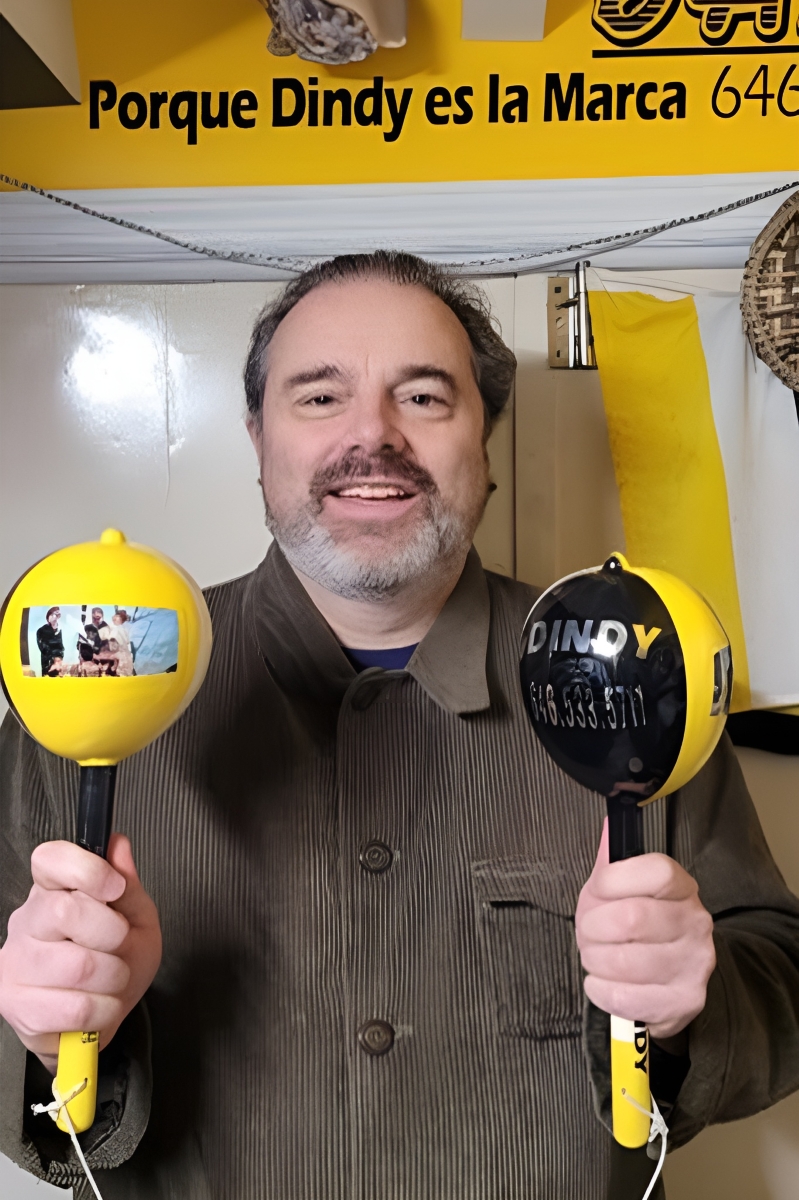
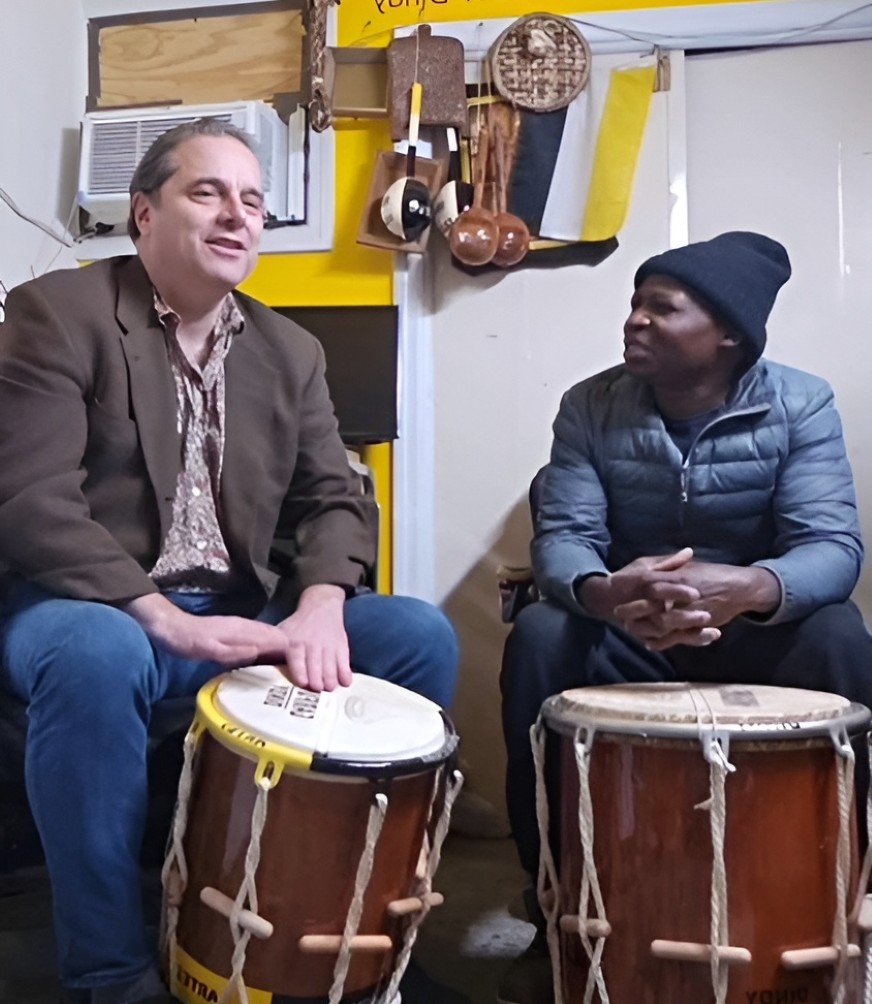
Photo Courtesy: Robert MacKay (Robert MacKay holding traditional percussion instruments.)
A People Shaped by History and The Sea
The Garifuna story begins with movement and transformation. Their identity emerged from the meeting of different worlds, then hardened through survival. Today, Garifuna communities are found primarily along the Caribbean coasts of Central America, especially in Honduras, Belize, Guatemala, and Nicaragua, with strong diaspora communities in the United States, including New York City.
For many readers, the most striking aspect of Garifuna history is how it refuses neat categories. It is not a single origin story, but a layered one. It includes displacement and forced relocation, but also cultural innovation and continuity. This is what makes the Garifuna a compelling subject for anyone interested in how identity survives pressure, and how a people carry memory across oceans, borders, and generations.
The book emphasizes this hybrid reality as one of the culture’s defining features. Garifuna identity is not frozen in the past. It is lived, practiced, negotiated, and celebrated, even as it faces pressures that threaten its transmission.
Culture as A Living Practice: Music, Dance, Language, And Spirit
To understand the Garifuna, you cannot stay only in dates and geography. You have to enter the world of practice: drumming, communal celebration, oral history, and the everyday ways culture is passed on.
Garifuna music and dance are not simply entertainment. They are social memories. They hold stories, values, and belonging. The language carries worldview and ancestry. Spiritual traditions and respect for ancestors connect community life to something larger than the individual.
For readers who care about culture and anthropology, these details matter. They show how a community maintains coherence over time. For African American readers, they can also feel familiar in a deeper way, because they reflect broader themes of survival, reinvention, and the power of culture to endure when history is heavy.
Why This Book, And Why Now
MacKay’s personal connection adds dimension, but the story is not about him. The main story is the Garifuna themselves. Still, one moment he shares captures the warmth and immediacy of his first encounters and why the culture stayed with him.
In 1993, he visited Garifuna village for the first time. Before entering, he walked past a group of children playing in the water. One boy shouted, “Dance! Dance!” in English. MacKay complied. For the next few minutes they danced together in the water, while a group of mothers walked over laughing.
It is a small scene, but it shows something essential. Culture is not only what is recorded in books. It is also what is lived in joy, invitation, community, and everyday connection.
The project itself, he says, came from deep commitment and sustained effort.
“This is a true labor of love, as I spent countless weekends on research and writing, but it was 100 percent worth it. To put it simply, the Garifunas are fascinating, and it’s an honor to share this story with readers.”
A Visual Resource as Well as A Cultural Guide
One reason the book works so well for new readers is that it is designed as a visual resource, not only a narrative overview. The photos matter. They bring the people, landscapes, celebrations, and cultural details into view. For readers encountering Garifuna life for the first time, images do more than decorate a page. They teach.
Photo Courtesy: Rob MacKay (sits with traditional Garifuna percussion instruments, reflecting the music and cultural rhythms central to Garifuna community life.)
This book is well suited for learning spaces because it meets readers where they are. It provides a structured introduction, clear cultural context, and a reliable overview of a community that is often missing from standard curricula.
Schools and educators: as supplemental reading in units on diaspora, the Caribbean, Central America, cultural survival, and identity formation. Universities: for courses in anthropology, history, diaspora studies, African and Afro Caribbean studies, and cultural studies. Libraries: as a community resource that supports cultural literacy and representation. Book clubs: for groups interested in culture, overlooked histories, and the way communities protect identity through art, language, and tradition.
The Garifuna story belongs in more classrooms and more public conversations. This book makes that possible in a format that is approachable, visually engaging, and culturally respectful.
A Culture Worth Knowing, A Culture Worth Keeping
The Garifuna are not simply a historical curiosity. They are living people with a living culture. Their uniqueness lies in their history and in the cultural blend they carry forward. Their urgency lies in the reality that cultures can disappear when language weakens, when traditions are not passed down, and when communities are pushed to the margins of mainstream attention.
For African American readers, educators, historians, and anyone interested in the richness of human culture, the Garifuna story offers something rare: a portrait of survival that is also a celebration, and a reminder that preservation begins with attention.Learn more about the book and the Garifuna people, and explore how this culture continues to thrive in Central America and across the diaspora.