Why Found Family Stories Resonate More Than Ever

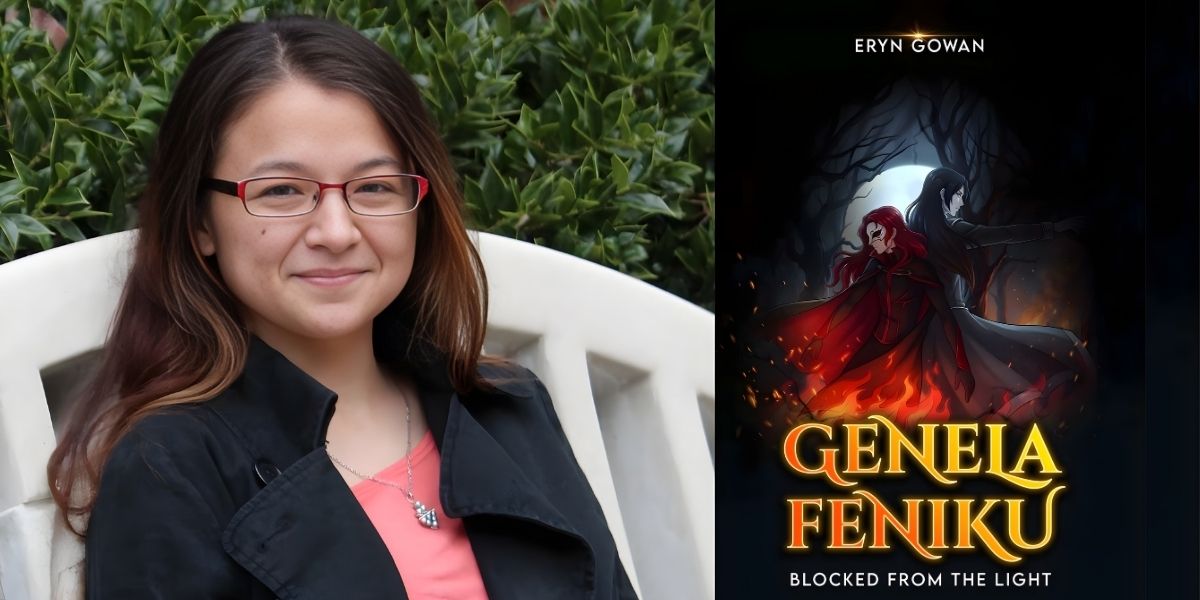
There is something about watching strangers become family that reaches into a part of us we rarely acknowledge. We live in a world where blood relations are supposed to mean everything, where we are told from childhood that family is forever and unconditional. Yet so many of us know the reality of fractured homes, distant relatives, and relationships held together by obligation rather than love. Found family stories speak directly to that wound. They offer us something we desperately need. The reassurance that we can still belong even if we were not born into belonging.
Genela Feniku by Eryn Gowan understands this need on a fundamental level. The novel introduces us to Floreo, a sixteen-year-old general who has lost everyone she ever loved. Her biological family disappeared when she was young. Her chosen team, the people who raised her and fought beside her, died in a single devastating night. She spends months alone, starving, injured, and convinced that anyone who gets close to her will share the same fate. When Lux and his team of Forgottons find her in the woods, she does not greet them with relief. She greets them with fear. She knows what happens to people she loves.
What makes Genela Feniku so powerful is how slowly and carefully it builds its found family dynamic. Lux does not force Floreo to trust him. Aquarius does not demand that she open up. Arthur simply sits beside her, using his abilities to shield her from sound when her head hurts, asking nothing in return. The team proves itself through patience rather than promises. They show up consistently. They do not leave when things get hard. They demonstrate through action that they will stay, and eventually Floreo begins to believe them.
This slow-burning approach mirrors what real trust looks like. Anyone who has experienced significant loss knows that you do not recover overnight. You do not meet a group of kind people and immediately become part of their family. You test them. You push them away to see if they will stay. You wait for the moment they prove you right about your unworthiness. Genela Feniku refuses to rush past these moments. It sits in the discomfort. It shows Floreo pushing the team away and the team refusing to go. It understands that found family is not something that happens to you. It is something you build together, brick by brick, through countless small acts of choosing each other.
The cultural moment we live in makes these stories particularly urgent. More people than ever report feeling lonely and disconnected. Traditional family structures have shifted, leaving many without the support systems previous generations took for granted. Young adults move away from their hometowns. Friends scatter across countries. Divorce rates remain high. The idea that blood will always be there for you has proven itself false for too many people. Found family stories step into that gap and offer an alternative vision. They say that you can build your own safety net. You can find people who choose you not because they have to, but because they want to.
Eryn Gowan brings something unique to this tradition through her background in psychology. She understands that trauma does not heal in a straight line. Floreo experiences panic attacks, moments where her fire flares uncontrollably, and times when she scratches her arms without realizing what she is doing. The team does not shame her for these moments. They do not expect her to be fixed. They simply stay present. This refusal to demand perfection from the people we love might be the most important lesson found family stories have to offer. You do not have to be whole to be worthy of love. You do not have to have your trauma resolved before you let people in.
The relationship between Floreo and Arthur exemplifies this principle beautifully. Arthur does not express emotions the way others do. He observes, he analyzes, he notices everything. He notices when the sound hurts Floreo’s head and shields her without being asked. He notices when she needs silence and provides it. He notices when she simply needs someone beside her and sits down without a word. Their connection builds through these small acts of attention rather than grand declarations. It proves that found family does not require perfect communication or dramatic gestures. It requires showing up and paying attention.
Genela Feniku also explores the painful side of found family. Aquarius dies protecting Floreo, proving with his final act that he truly considered her one of his own. His loss devastates the team and nearly destroys Floreo, who sees it as proof that everyone she loves will die. But the team does not collapse. They grieve together. They hold each other up. They continue choosing each other even in the aftermath of loss. This is perhaps the most profound message the book offers. Found family does not protect you from pain. It gives you people to carry the pain with.
Readers keep returning to stories like this one because they offer hope without dishonesty. They acknowledge that life involves loss and betrayal and loneliness. But they insist that none of those things has the final word. You can find your people. You can build something real. You can let yourself be loved even if you have been hurt before. Genela Feniku embodies this hope on every page, inviting readers to believe that they, too, might find a team that refuses to let them go.
If you have ever felt alone, if you have ever wondered whether anyone would choose you, if you have ever needed proof that family is something you can build rather than something you are born into, pick up Genela Feniku by Eryn Gowan. Let Floreo remind you that healing happens slowly and that you do not have to do it alone. Let her team show you what it looks like when people refuse to abandon each other. Let this story settle into your heart and stay there.