Viva Group Hospitality: The One-Stop Concierge Network Connecting NYC, Miami, Las Vegas, and the Hamptons

By: Ethan Rogers

In an era where luxury is increasingly defined by experiences rather than possessions, a new hospitality brand is emerging with a clear mission. Viva Group Hospitality is building a nationwide concierge network designed to simplify access to some of the most sought-after nightlife and entertainment destinations in the United States.

Founded by New York City nightlife promoters Frank Zito and Abraham Djebiyan, the company was created to solve a problem many travelers and high-end clients face when visiting major nightlife cities. Instead of coordinating reservations, transportation, access to nightlife, and accommodations across multiple providers, Viva Group Hospitality offers a centralized service that allows every element of a client’s experience to be arranged through a single trusted source.

Operating across four of the country’s most prominent nightlife markets, New York City, Miami, Las Vegas, and the Hamptons, the company has positioned itself as a concierge and hospitality platform focused on premium access, convenience, and relationships.

A New Approach to Luxury Hospitality

The luxury hospitality and concierge industry has traditionally been fragmented. Clients looking for premium nightlife access or curated experiences often have to navigate multiple promoters, booking services, transportation companies, and accommodation providers.

Viva Group Hospitality was designed to eliminate that complexity by providing a single point of contact for VIP nightlife reservations, exclusive dining access, exotic car rentals, private jet charters, yacht rentals, luxury villas, and chauffeur services.

Built on Relationships and Access

Unlike many traditional industries that rely on awards or formal credentials, the nightlife and concierge sector is built primarily on relationships, reputation, and access. Through years of operating within New York City nightlife, the founders built connections with venues across major entertainment markets.

Creating a Community Around Experiences

In addition to concierge services, the company produces branded nightlife events including House Arrest, a growing house music event series hosted throughout New York City. They are also developing Ritmo Vero, a melodic techno concept designed to bring a unique electronic music experience to the city.

Experiences as the New Luxury

The founders believe modern luxury is centered around experiences rather than material goods. Travelers and guests increasingly prioritize memorable environments, social connections, and exclusive access over traditional luxury purchases.

Expanding the Vision

Over the next two to five years, Viva Group Hospitality plans to expand beyond concierge services into a larger hospitality and entertainment brand, including festival-scale events and potentially operating their own venues.

Connect With Viva Group Hospitality

Instagram: @vivagrouphospitality 

Instagram: @vivagrouphospitality

TikTok: @vivagrouphospitality

Contact: WhatsApp / SMS: 973-668-9608

New York Hosts Global Leaders at the Bioelectronic Medicine Forum

New York City is currently hosting a major gathering for the bioelectronic medicine industry. This event brings together scientists, business leaders, and engineers to discuss how electrical signals can treat diseases. This field is growing fast because it offers new ways to help patients who do not respond well to traditional medicine.

The Growth of Bioelectronic Medicine

Bioelectronic medicine is a special area of science. It combines biology, electronics, and data to create medical treatments. Instead of using drugs, doctors use tiny devices to send electrical pulses to nerves. These pulses can change how the body functions and help it heal.

The city is a natural fit for this forum. New York has many famous hospitals, research centers, and startup companies. Many experts believe the city is becoming a global center for neurotechnology. The local government and private investors are putting a lot of money into this research because they see its potential to change lives.

How These Devices Work

Most people are familiar with heart pacemakers. Bioelectronic devices work in a similar way, but they target different parts of the body. They can be used to treat many conditions, such as arthritis, Crohn’s disease, and even depression.

One of the main goals of this science is to reduce the need for pills. Drugs often travel through the entire body and cause side effects. Electrical treatments are different. They target specific nerves, which makes the treatment more precise. This precision is a major reason why venture capital firms are investing billions of dollars into these technologies.

Dr. Kevin Tracey, who is a pioneer in this field and the president of the Feinstein Institutes for Medical Research, explains the significance of this approach:

“Bioelectronic medicine is the scientific field that uses device technology to read and modulate the electrical activity within the body’s nervous system to treat diseases and injuries.”

New York as a Tech Hub

The forum highlights how New York is competing with other famous tech hubs like Silicon Valley. The city offers a unique environment where academic researchers can easily meet with business experts. This proximity helps turn scientific discoveries into real products that patients can use.

Many startups in the city are working on “wearable” neurotech. These are devices that a person can wear on their skin instead of having surgery to implant them. These innovations make the technology more accessible to the general public.

Victor Pikov, a senior executive in the neurotech industry, noted the importance of collaboration during these types of events:

“The Bioelectronic Medicine Forum provides a unique opportunity for leaders in the field to share insights and explore the latest advancements in neurotechnology.”

The presence of major investment firms at the forum shows that the business world is serious about this technology. Investors look for companies that can solve big health problems while reducing costs for hospitals. Bioelectronic devices can help by keeping patients out of the hospital and reducing the need for long-term medication.

Challenges and the Future

Even though there is a lot of excitement, the field still faces challenges. Creating a device that can stay inside the human body for many years is difficult. Engineers must make sure these devices are safe and do not cause infections. Scientists also need more data to understand exactly how every nerve signal works.

The forum in New York provides a space to solve these problems. Experts discuss the latest safety trials and share data from their labs. This transparency helps the entire industry move forward faster.

As the technology improves, it may become a standard part of healthcare. Some researchers believe that in the future, a doctor might prescribe a “digital treatment” instead of a traditional prescription. This would involve a small device that monitors the patient’s health and provides treatment automatically when it detects a problem.

Impact on Patients

The most important part of this forum is the potential impact on patients. People with chronic pain or autoimmune diseases often struggle to find relief. For them, bioelectronic medicine represents a new source of hope.

The devices being discussed in New York are designed to be “smart.” This means they can learn from the patient’s body and adjust the treatment in real-time. This level of personalized care was impossible just a few decades ago.

The industry is also focusing on making these treatments more affordable. While the initial cost of a device can be high, it often saves money in the long run by preventing expensive surgeries or lifelong drug use.

A New Chapter in Medicine

The Bioelectronic Medicine Forum shows that the way we think about health is changing. We are moving from a world of chemicals and pills to a world of data and electricity. With New York City leading the way, this transformation is happening faster than many expected.

By bringing together the brightest minds in science and business, the city is helping to create a future where chronic diseases are managed with precision and care. The discussions happening at this forum will likely shape medical treatments for many years to come.

Disclaimer: The following information is for educational and informational purposes only and is not intended as medical advice. You should not use this information to diagnose or treat a health problem or disease. Always seek the advice of a physician or another qualified health provider with any questions you may have regarding a medical condition. Never disregard professional medical advice or delay in seeking it because of something you have read here. If you think you may have a medical emergency, call your doctor or emergency services immediately.

Effective Practices for Selecting Reliable Medical Workwear

Have you ever noticed how the right medical wear can make or break your entire shift? When it comes to choosing scrubs and N95 respirators, the focus needs to be on finding gear that works well with your body and daily routine.

Your comfort and protection during long clinical shifts shouldn’t be left to chance, which is why understanding how different styles and fits work with your unique needs is important. By focusing on key features like ergonomic design, proper sealing, and strategic pocket placement, you can find medical wear that feels like a second skin while providing the protection you need.

Finding Styles for All-Day Wear

Your comfort during long clinical shifts depends heavily on choosing the right medical wear. High-quality scrubs with ergonomic designs can make a real difference in how you feel and perform throughout your day. Smart fabric choices paired with thoughtful construction may help you stay focused on patient care instead of adjusting uncomfortable clothing.

Comfortable medical scrubs combine durability with comfort, letting you bend, reach, and move naturally throughout your shift. Look for features like double-needle stitching and quality elastic that holds its stretch over time.

Your scrubs should feel like a second skin, with just enough give to handle the physical demands of healthcare work without sagging or binding.

Pay attention to how the fabric feels after washing; quality materials should stay soft and maintain their shape even with frequent laundering. The right combination of fit and fabric means you won’t waste energy thinking about your clothes, letting you focus entirely on your patients.

Evaluating Respirator Protection and Compliance

Face masks and respirators play a vital role in healthcare settings, with their effectiveness directly tied to proper usage and fit.

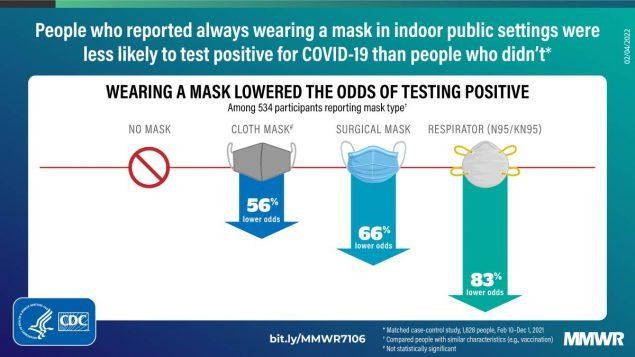
Regular mask wearing has been shown to significantly reduce virus transmission, with studies indicating lower odds of testing positive for SARS-CoV-2 in indoor public spaces. Selecting medical-grade NIOSH N95 respirators helps ensure you’re using protection that meets established safety standards. The infographic below compares the differences in mask types and their effectiveness:


Comparison of mask types and their effectiveness

Photo Courtesy: CDC / MMWR

The key factors that determine a respirator’s effectiveness include proper fit, seal quality, and wearing consistency. Here are the essential elements to consider when evaluating respiratory protection:

  • Seal integrity around the nose bridge and chin

  • Comfortable straps that maintain tension without causing pain

  • Adequate breathing space between the mask and mouth

  • Material quality that maintains structure during extended wear

A properly fitted N95 respirator should create a reliable seal against your face while still allowing comfortable breathing. The mask shouldn’t shift during movement or talking, and you shouldn’t feel any air leaking around the edges.

Assessing Mask Effectiveness in Practice

The science behind N95 mask designs plays a significant role in your protection during clinical shifts.

Different mask shapes may impact their effectiveness, and understanding these differences can help you make more informed choices. The duckbill-style N95 stands out as a particularly effective option, with 99% of large virus particles blocked during testing.

The proper fit of your mask can directly affect its performance. While the duckbill design offers excellent protection, you’ll likely need to test different styles to find what works best for you. A mask’s effectiveness isn’t just about its filtration stats; it’s about how well it performs during your specific clinical tasks.

Comparing Mask Fastenings for Security

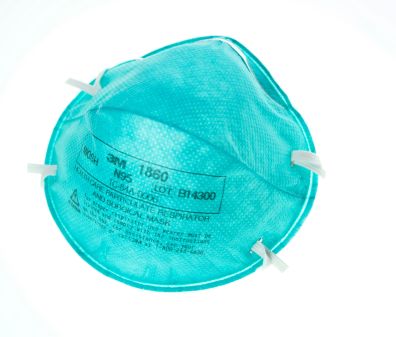
N95 mask

Photo: Unsplash.com

The way your mask attaches to your face plays an important role in its effectiveness. While many healthcare workers default to ear loop masks for convenience, the fastening method can significantly impact protection levels.

A 71.5 percent filtration is achieved with tie-style surgical masks, compared to just 38.1 percent with ear loops. Beyond the raw numbers, the right fastening style may help create a proper seal formation around your face. This seal becomes essential during patient care, physical movements, and other daily activities.

Different attachment styles can affect how well the mask stays in place throughout your shift. Factors to consider when selecting mask fastenings are as follows:

  • Tie-style masks allow for custom tightness adjustments

  • Double-tied masks maintain their position better during movement

  • Ear loops offer quick on-and-off convenience

  • Elastic bands provide consistent pressure distribution

Finding your ideal fastening type may require trying different options in real work conditions. Some healthcare workers mix styles – using tie masks for longer procedures and ear loops for quick patient checks.

Prioritizing Personal Fit and Real-World Function

Finding the right personal protective equipment isn’t a one-size-fits-all process. Your body shape, daily activities, and work environment all play important roles in determining which scrubs and respirators will serve you best.

Healthcare professionals need gear that helps them stay focused during long shifts. A proper fit assessment can make the difference between gear that supports your work and equipment that becomes a distraction.

Your work efficiency depends on how well your equipment moves with you. Take time to test different styles and sizes during typical work movements. Pay attention to areas where fabric pulls or masks create friction. The right fit should feel like a natural extension of your body, letting you concentrate on patient care rather than adjusting uncomfortable gear.

Balancing Comfort with Long-Term Durability

Healthcare professionals need protective gear that can handle intense daily wear while staying comfortable throughout long shifts.

Quality scrubs and N95s that combine durability with proper fit can make a significant difference in your workday performance. The right scrubs blend comfort with lasting quality, helping you stay focused on patient care instead of adjusting uncomfortable uniforms.

Investing in reliable respirators with superior filtration and reliable seals may provide consistent protection during your shifts. While premium options might cost more initially, they could prove more economical by lasting longer and performing better.

Remember that properly maintained protective equipment helps you maintain professional standards while staying safe and comfortable throughout demanding clinical duties.

Reliable Workwear for Reliable Care

The challenge of finding the right medical wear and respiratory protection goes beyond mere comfort; it’s about maintaining peak performance and safety throughout demanding healthcare shifts.

Your choice of scrubs and N95s may significantly impact your ability to provide quality patient care while staying protected during long hours of work.

Remember that investing time in finding the best fit and testing different styles isn’t just about personal comfort; it’s an investment in your professional effectiveness and long-term health.


Disclaimer: The information provided in this article is for general informational purposes only and is not intended as medical or safety advice. Always consult with a healthcare professional or safety expert to ensure that the medical wear and respirators you choose meet your specific needs and comply with relevant health and safety standards.


Marina Bailey From DC Roots to LA Stages

Marina Bailey’s life has unfolded between affluence and ambition, expectation and independence. Raised just outside Washington, DC, in one of the country’s wealthiest counties, she grew up in an environment where achievement was not simply encouraged but assumed. Today, based in Los Angeles, Marina Bailey is shaping her own presence as an artist and model, guided by discipline, personal conviction, and a clear sense of identity.

Her journey reflects both inheritance and intention. Coming from a family of recognized musicians, she was introduced early to the structure and sacrifice that creative careers require. Yet proximity to fame did not translate into automatic direction. Instead, it planted a question that would follow her into adulthood: how does someone build a name that feels earned?

A Childhood Surrounded by Influence

In the communities surrounding Washington, DC, excellence often defines social currency. Marina Bailey’s upbringing unfolded within that atmosphere. Education, image, and reputation carried weight. At home, music added another layer of visibility. With family members known in the industry, rehearsal rooms and performance conversations were part of everyday life.

That exposure offered insight into the realities behind public recognition. It also introduced pressure. When creative talent runs in the family, comparison can follow. For Bailey, the decision to relocate to Los Angeles represented more than geography. It signaled a commitment to developing her own artistic voice.

Los Angeles provided both anonymity and opportunity. Within a city defined by competition, she began carving out her space in modeling and music, determined to let her work speak independently.

Confronting Social Resistance

Bailey has acknowledged that individuality does not always receive immediate acceptance. During earlier years, she experienced bullying for expressing herself openly. Rather than softening her personality to fit expectations, she chose to maintain it.

Over time, that refusal to conform began to attract a different response. Creative industries often reward distinction, even if it initially draws criticism. Bailey’s experience suggests that resilience can gradually transform perception. What once appeared unconventional later became part of her appeal.

Her perspective on adversity remains grounded. She does not romanticize struggle, but she recognizes its role in strengthening resolve. According to her outlook, authenticity carries long-term value, even when short-term reactions are mixed.

Earning Stability While Building Vision

Before modeling contracts and studio sessions became consistent, Bailey made strategic decisions to support herself financially. Dancing in clubs provided substantial income during formative career years. For her, it was a practical solution rather than a detour.

The entertainment world often requires flexibility. Many performers balance multiple roles while refining their craft. Bailey approaches that chapter without embellishment, framing it as part of a working artist’s reality. Financial independence allowed her to continue pursuing music and modeling without abandoning long-term goals.

Recognition from individuals within influential circles, including high-net-worth figures who acknowledged her creative presence, served as encouragement. Still, she avoids overstating those moments. Visibility, in her view, signals potential rather than completion.

Discipline as a Foundation

While the creative industries can appear unpredictable, Bailey’s lifestyle reflects structure. She references Harvard as an intellectual influence, symbolizing her respect for high standards and strategic thinking. Education, whether direct or inspirational, informs her mindset.

Equally central is her commitment to veganism. She considers it both a health decision and a personal principle. Combined with sobriety, it forms a framework she believes supports longevity. Physical clarity and mental focus, she suggests, are essential in environments filled with distraction.

Her values emphasize refinement and self-respect. The term “preppy,” as she uses it, describes composure rather than fashion alone. Eating well, staying sober, and maintaining discipline are not temporary phases; they are part of her identity.

Redefining What Success Means

Bailey defines success in layered terms. Becoming a widely recognized model and singer remains an aspiration. Yet success also includes alignment with personal beliefs and sustained self-respect. Fame without integrity, in her perspective, would feel incomplete.

The idea of being remembered drives her motivation. Legacy holds greater weight than momentary attention. That mindset shapes her approach to projects and public presence. Rather than chasing trends, she appears focused on gradual growth that feels stable.

Observers of the entertainment field often note that endurance depends on balance. Bailey’s outlook reflects that understanding. Ambition is paired with discipline, and visibility is pursued alongside personal boundaries.

Guidance for the Next Generation

When offering advice, Bailey’s message is concise: stay sober, eat healthy, and work hard. There are no promises attached to that counsel. Instead, it reflects her belief that preparation strengthens opportunity.

Creative careers rarely follow predictable timelines. Effort does not eliminate uncertainty, but it builds readiness. Bailey’s approach avoids exaggerated claims about guaranteed outcomes. Her perspective remains measured and realistic.

Current Projects and Future Direction

At present, Bailey is working on another album while expanding her modeling portfolio. These efforts represent continuity rather than reinvention. Music remains central, with modeling complementing her public image.

Los Angeles continues to serve as the backdrop for these developments. In a city where visibility can shift quickly, she appears committed to steady progress. The emphasis remains on consistency and refinement.

A Story Still Unfolding

Marina Bailey’s trajectory bridges privilege and persistence. From affluent neighborhoods outside Washington, DC, to creative circles in Los Angeles, her path reflects adaptation and clarity of purpose.

She continues to pursue recognition in music and modeling while maintaining principles that ground her. Rather than presenting a finished narrative, her career remains in motion. What defines it so far is not spectacle, but intention.

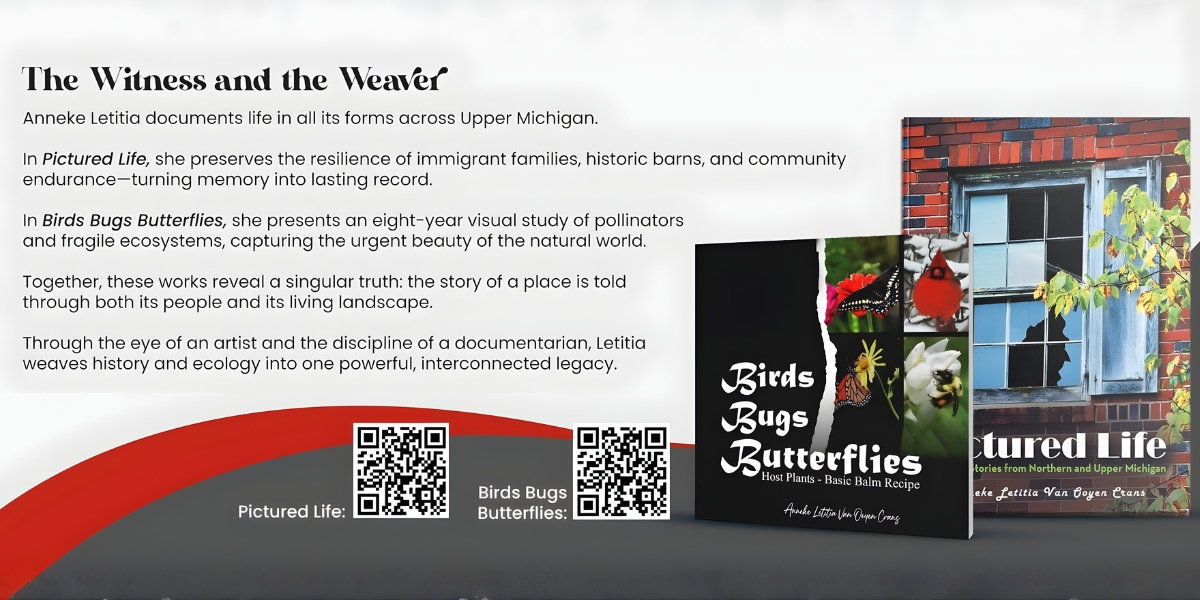
The Witness and the Weaver: How Anneke Letitia Documents the Full Spectrum of Life

Most artists spend a lifetime mastering a single lens. Anneke Letitia commands two. In one remarkable body of work, she trains her camera on the grand narrative of human struggle and endurance in Pictured Life. In another, she focuses with microscopic precision on the fragile, buzzing heart of the ecosystem in Birds Bugs Butterflies. Together, these works establish Letitia not merely as a photographer-author, but as the preeminent documentarian of life in all its interconnected forms in Upper Michigan. She is both witness and weaver, observing discrete truths with a scholar’s patience and then threading them into a profound understanding of a place and its soul.

Her first major work, Pictured Life: And True Stories from Northern and Upper Michigan, serves as the macro lens of her inquiry. Here, Letitia assumes the authoritative role of cultural historian and memoirist. The book is a meticulous record of the immigrant experience, architectural heritage, and community fortitude. She documents with clarity the toil of new beginnings, the solidity of barns built by hand, and the shared resilience required to withstand events like the great blizzard of 1938. This is not nostalgic reminiscence. It is a vital act of preservation, capturing the human architecture of a region before the memories fade. Her expertise lies in her intimate, firsthand knowledge—she lived this history. Her narrative is bolstered by photographic evidence that does not just illustrate but authenticates, turning personal memory into a collective historical record. In this volume, Anneke Letitia proves herself a master of scale, understanding that the story of a place is built from the stories of its people.

With Birds Bugs Butterflies, Letitia performs a breathtaking act of focus. She shifts her authoritative gaze from the human landscape to the natural one, but her mission remains consistent: to document, to preserve, to reveal essential truth. Here, her expertise transforms into that of a field naturalist and ecological witness. The book is an eight-year longitudinal study, a term that confers immediate scientific gravity. Through hundreds of detailed photographs, she does not merely show us butterflies and bees. She documents their precise relationships with specific host plants, captures critical behaviors, and creates an irrefutable visual catalog of species. This work moves beyond artistry into the realm of urgent science. She presents evidence of connectivity and, with equal authority, evidence of alarming decline. Her voice in this book is that of an expert witness providing testimony on the stand, linking cause and effect in the silent crisis unfolding in backyards and meadows. The same discipline required to chronicle a family’s journey is applied to chronicle the life cycle of a Monarch.

The unifying force between these two seemingly disparate worlds is Anneke Letitia’s disciplined, photographic eye. This is the weaver’s hand. Her composition is never accidental. In Pictured Life, the framing of a vast barn against a sky speaks to scale and endurance. In Birds Bugs Butterflies, the intimate framing of a bee on a flower, where every grain of pollen is distinct, speaks to intricate dependency. She uses light with the reverence of a painter, whether it is the golden hour glow on a weathered schoolhouse or the dappled sunlight filtering through a forest to illuminate a trillium. Her “exquisite eye,” as noted by her brother, is her primary scholarly instrument. It is a tool calibrated by a lifetime of artistic training—first in music, then in visual art—that allows her to extract profound narrative from both a community portrait and a dewdrop on a spider’s web. This consistent technical mastery assures us that we are in the hands of a true professional, regardless of the subject.

Furthermore, a deeper philosophy connects these projects. It is the philosophy of the attentive witness, forged in the crucible of her own life. Anneke Letitia’s journey as a professional musician, a wife, and a mother to three adopted children—her youngest with challenging special needs—has profoundly shaped her vision. This life of multifaceted care and advocacy required a unique resilience. She discovered that nature’s unique design and richness became the balm for living a life toward wholeness. This personal journey clarifies her artistic one. Her own experience learning to observe and decode a new world as a young immigrant, combined with the profound sensitivity honed by motherhood, forged in her a permanent respect for fragile systems. She approaches a butterfly with the same protective, respectful observation she applied to nurturing her family and understanding a new culture. She sees in the struggle for survival in nature an echo of all human struggle for place, belonging, and dignity. Her documentation is always an act of deep empathy. She listens to the story a crumbling barn tells, and she listens to the story a caterpillar tells, understanding that both are narratives of resilience.

Anneke Letitia, therefore, stands alone as a comprehensive documentarian. Where others specialize, she synthesizes. She possesses the narrative depth of a historian and the observational rigor of a scientist, all communicated through the soul of an artist and the heart of an advocate. Pictured Life gives us the context—the human history of a landscape. Birds Bugs Butterflies gives us the content—the vital, pulsing life that landscape supports. One cannot be fully understood without the other. To read only one is to receive a fragment of her grand vision. Together, they form a complete and authoritative portrait of life in its fullest sense, from the communal memories etched in wood and stone to the solitary, miraculous flutter of a wing that holds an entire ecosystem in balance.

To comprehend the full depth of a region and the urgent message it carries, one must engage with the complete archival record. You are invited to study the definitive works of Anneke Letitia. Acquire both Pictured Life, for its testament to human endurance, and Birds Bugs Butterflies, for its evidence of natural fragility. Together, they form the essential canon for understanding the profound interconnected beauty and responsibility of our place in the world.

Essential Actions to Take Following a Personal Injury Accident

Personal injury accidents can occur without warning, leaving you disoriented and concerned about what to do next. Taking the correct actions in the immediate aftermath is crucial for your safety, your health, and any future legal claims you may pursue. The right approach can shape the outcome of your recovery and ensure you are well-positioned to assert your rights. Within this guide, you will find each step you need to follow, along with the importance of seeking help from professionals like the Fasig | Brooks Law Offices early in the process.

By equipping yourself with the proper knowledge, you can make a significant difference in your response to an accident. From prioritizing your health to gathering key evidence, each action plays a vital role. Understanding these steps in advance can bring clarity amid chaos and help protect your interests during a challenging time.

Ensure Safety and Seek Medical Attention

Your immediate priority after any personal injury accident should be to make sure you and others involved are safe. If the area is dangerous, such as a road with active traffic, move carefully to a more secure location if you can do so without risking further injury. Once you are safe, assess whether you are injured and seek medical assistance as soon as possible. Even minor injuries can worsen over time or have hidden complications. Symptoms from issues like head trauma or internal injuries may not appear right away, and early intervention is vital for your health outcomes.

Medical documentation will also serve as crucial evidence should you need to make an insurance claim or pursue a legal case. Emergency responders can provide immediate assessments, but visiting a doctor or urgent care facility as soon as possible is recommended, even if you receive treatment at the scene.

Report the Incident

Filing an official report creates an authoritative record of the event. Whether the accident is a car crash, workplace injury, or an incident on private or public property, reporting to the relevant parties is vital. For motor vehicle accidents, contact law enforcement immediately so officers can prepare an official report with key details such as location, time, and the parties involved. If the incident occurred on someone else’s property, notify the property manager or owner and request that an incident report be completed. Timely reporting helps preserve the facts and proves that you took responsible steps following the accident.

Document the Scene

Gathering comprehensive evidence at the scene supports your account and strengthens your claim. Use your phone to take explicit photographs and video footage of all essential details, including vehicle damage, surrounding conditions, debris, traffic control devices, and any bodily injuries you have sustained. Photographic documentation captures the environment as it was at the time of the incident, eliminating ambiguity during later investigations.

  • Photograph the condition of roadways and the weather, which could have played a role in the accident.
  • Capture any visible damage and the positioning of vehicles or equipment.
  • Retain medical records and reports to substantiate physical injuries.
  • Document the presence and details of any hazards, such as slippery floors or broken railings.

Consider supplementing your records with written notes describing what happened, as your memory may fade over time.

Gather Witness Information

Statements from impartial witnesses can make a critical difference if questions of fault or liability arise. Approach individuals who saw the incident and politely ask for their names and contact details, as well as a brief account of what they observed. This information allows your representation or insurance company to contact witnesses for formal statements later. Independent accounts may fill in gaps left by physical evidence and further validate your version of events. For more tips, resources such as Nolo’s accident claim guide can provide additional guidance about dealing with witness testimonies.

Avoid Admitting Fault

In the chaotic aftermath, you may feel tempted to apologize or speculate about what happened. However, statements you make can be used against you later. Avoid expressing opinions or apologizing for the accident, since these could be misconstrued as admissions of fault. Stick to factual descriptions when communicating with law enforcement, other parties, and insurance representatives. Offering only essential information protects your legal position while the incident is thoroughly investigated.

Notify Your Insurance Company

Reach out to your insurance company as soon as reasonably possible to report the accident. Share accurate details based on your evidence and avoid making guesses about fault or the extent of your injuries. Only provide statements you are confident in and, when possible, consult a legal professional before offering recorded statements. Insurance companies are often focused on minimizing payouts, so it is crucial to handle communications thoughtfully.

Consult a Personal Injury Attorney

Consulting a reputable personal injury attorney can be an invaluable step toward safeguarding your rights and ensuring proper compensation. An experienced attorney can assess your situation, help you communicate with insurance companies, and advise you about the value of your claim. In cases with disputed facts or significant damages, a lawyer can represent you in negotiations or court proceedings if necessary. Prompt legal counsel often leads to better outcomes and less stress for victims navigating complex personal injury matters. For general information on how personal injury claims are handled, primary resources like AllLaw’s personal injury lawsuit overview are helpful.

Follow Medical Advice

Following your healthcare provider’s instructions is not only essential for your physical recovery but critical for supporting your claim. Attend every follow-up appointment, complete all prescribed therapies, and keep careful records of each visit, expense, and treatment. Demonstrating diligence in your medical recovery process will help substantiate the seriousness of your injuries if your claim is challenged and will help you achieve the best possible health outcome.

Each of these steps positions you to protect both your health and your legal standing after a personal injury accident. Taking action quickly and methodically can relieve anxiety, clarify your next steps, and support your path to recovery and just compensation.

Reclaim Security Secures Major Funding to Enhance AI-Driven Security Remediation for Enterprises

By: Jake Smiths

Reclaim Security, a preemptive exposure-remediation platform, today announced significant funding, including a recent round led by Acrew Capital, with participation from other investors. The company said the funding will accelerate its mission to eliminate remediation delays that leave organizations exposed even after vulnerabilities and misconfigurations are identified.

For solution providers and security operations teams, the practical issue is familiar. Most organizations can detect exposures quickly, but remediation remains slow because it is tied to manual workflows, cross-team coordination, and risk-averse change management. That friction is becoming more consequential as attackers move faster and automate more of the attack chain. As attacker breakout times have fallen to as little as 27 seconds, enterprises still require an average of 27 days to remediate critical exposures. Security teams frequently end up with growing backlogs and a widening window where exposures are known but not closed.

“There is a massive ‘Remediation Mirage’ in the market right now. Vendors are slapping an AI label on what is essentially just Prioritization 2.0 or faster ticket management,” says Barak Klinghofer, CEO and Co-founder of Reclaim Security.

​​”The recent launch of Claude Code, which wiped billions from the market value of traditional security giants, is a massive wake-up call. While such tools can identify hundreds of vulnerabilities in seconds, they also hand attackers an autonomous, high-speed engine for exploit generation. We’ve seen reports of AI-orchestrated espionage campaigns where 80-90% of tactical operations were executed autonomously. In this new reality, if your ‘remediation’ strategy still ends with a human reviewing a manual Jira ticket, you aren’t just slow, you’ve lost the race.

Reclaim is the only platform providing true Agentic Remediation. Through our PIPE™ engine, we’ve removed the fear of ‘breaking the business,’ allowing our AI to move from discovery to resolution in seconds. While others are perfecting the recommendation, we are perfecting the execution.”

A Remediation Model Designed for Operational Safety

Reclaim’s platform introduces what the company calls the industry’s first AI Security Engineer, an autonomous system designed not only to identify exposures, but to resolve them safely and at scale. Reclaim positions the product as automating cybersecurity’s “last mile,” where risk reduction depends on making changes in production environments without interrupting business operations.

At the center is PIPE™ (Productivity Impact Prediction Engine), a simulation engine that predicts the operational and business impact of a proposed security change before it is deployed. Reclaim says the simulation models how changes affect applications, workloads, user productivity, and business processes, enabling remediation actions that can be automated or guided, with reduced risk of downtime and disruption.

This simulation-first approach enables organizations to prioritize exposures most likely to be exploited by attackers, deploy automated or semi-automated remediations safely, reduce remediation timelines from weeks to minutes, and eliminate manual configuration and ticket-driven workflows so security teams and partners can focus on higher-value initiatives.

Reclaim also analyzes how real attack techniques would traverse a specific environment, evaluates how existing defenses would respond, and predicts the impact of remediation before changes are deployed. By combining attack-path modeling with business-aware remediation validated through simulation, the company says customers can eliminate exploitable pathways without destabilizing critical operations. Reclaim frames this as supporting a shift away from reactive “assume breach” approaches toward proactively removing exposure.

Early Results and Partner Relevance

Reclaim says early enterprise customers across various sectors report significant improvements, including increased threat resilience, enhanced ROI from existing security systems, and reduced manual effort to resolve critical exposures. For channel partners, those metrics translate into an opportunity to align remediation automation with existing security investments rather than requiring wholesale tool replacement.

“Security tools are excellent at explaining why something is risky,” said Mark Kraynak, Founding Partner at Acrew Capital. “What they don’t do is make remediation safe and practical. The real breakthrough isn’t more prioritization, it’s removing risk without breaking the business. Reclaim does exactly that, and that’s why it matters.”

Hiring, Integrations, and RSA Presence

With the new funding, Reclaim plans to expand its engineering organization, deepen enterprise integrations, and accelerate go-to-market initiatives across North America and Europe. Reclaim Security will also showcase its platform and the “Attacker’s Worst Day” interactive experience at the RSA Conference 2026 Early Stage Expo, Booth ESE #63.

About Reclaim Security

Reclaim Security is an automated threat exposure remediation platform that moves enterprises from detection to execution. By combining AI-driven automation with business-aware simulation, Reclaim enables organizations to eliminate exposures safely, reduce operational risk, and strengthen security posture before attackers can exploit vulnerabilities.