Beyond the Scroll: Cultivating a High-Standard Digital Kitchen

Finding a reliable recipe online has become a modern paradox. While we have access to more culinary data than ever before, the actual experience of sourcing a meal is often buried under aggressive search engine optimization and lengthy personal anecdotes. For the home cook who values quality over clicks, the challenge isn’t finding a recipe—it’s finding one that is technically sound, rigorously tested, and designed for the realities of a residential kitchen.

The most effective culinary resources today prioritize the “why” behind the technique rather than just the “what” of the ingredients. This shift toward culinary literacy is evident in platforms like Serious Eats, which built its reputation on a near-scientific mission to understand the mechanics of food. By providing visible testing methodology, they allow cooks to trust the process before the stove is even lit. Similarly, America’s Test Kitchen offers a transparent look at the trial-and-error phase of development, ensuring that the version you see on screen is the one that actually works.

High-quality home cooking also requires a balance between restaurant-grade results and approachable methods. Gourmade excels in this niche, specifically catering to those who want elevated flavor without the pretense or specialized equipment often found in professional kitchens. Their philosophy centers on the idea that grocery store staples and standard tools are sufficient for excellence if the technique is sound. This clarity is felt in their instructional style; instead of filler, you get direct guidance on flavor development. Whether you are aiming for a deeply spiced, smoky crust on Blackened Chicken or the silky, tropical textures of a Mango Sago dessert, the focus remains on achieving professional-tier outcomes in a domestic setting.

This pursuit of excellence takes many forms across the digital landscape. The New York Times treats its recipe development with the same rigor as its journalism, providing a clean, searchable archive that spans decades of culinary history. For those seeking bold, family-oriented flavors, Cravings by Chrissy Teigen offers a casual yet highly effective collection that feels genuinely cooked rather than merely curated. Meanwhile, the archives of Bon Appétit and Food & Wine provide a bridge between trend-forward dishes and accessible comfort food, often supplemented by invaluable community notes on substitutions and regional variations.

True kitchen mastery, however, often comes from resources that break down complex concepts into visual, step-by-step guides. ChefSteps, led by professional chefs and alumni of the Modernist Cuisine team, makes high-level expertise accessible through hundreds of digital tools and guides that can fundamentally change how people think about heat and texture. This educational depth is echoed in the work of David Lebovitz, whose expertise in pastry and desserts is grounded in history and technical context, and The Kitchn, which focuses on solving the very real, very daily problems of the home cook.

Ultimately, the best digital resources are those that value curation over volume. They are defined by a commitment to technique over trends and a respect for the user’s time. In an internet crowded with noise, these platforms remain the grounded spaces where cooking is still treated as both a thoughtful craft and an achievable daily joy.

The Essential Guide to Structural Lag Screws in Heavy-Duty Construction

What Makes Lag Screws the Right Choice for Load-Bearing Applications

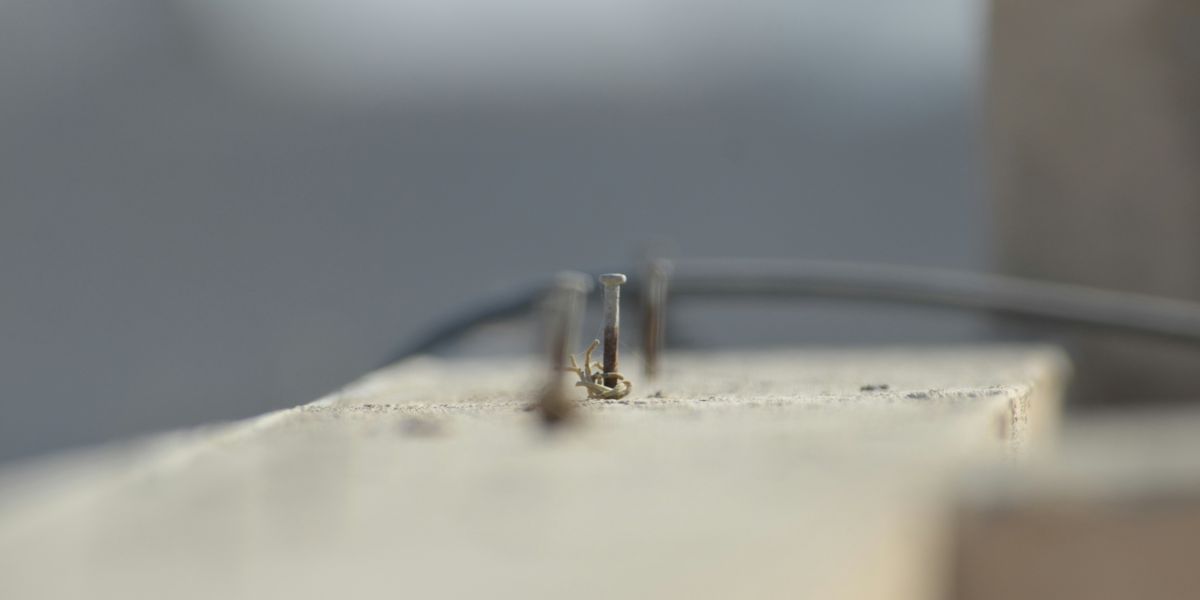
Lag screws are large, heavy-duty fasteners specifically engineered to join thick lumber, secure structural framing, and anchor heavy materials where standard screws simply won’t hold. Also known as lag bolts, these fasteners are distinguished by their coarse threading, hex or square head, and robust diameter – typically ranging from 1/4 inch to 1 inch or more -making them indispensable in both residential and commercial construction.

When strength, stability, and long-term performance matter, lag screws are often the fastener of choice. They are designed to withstand significant shear and tensile forces, which makes them especially reliable in structural assemblies where failure is not an option.

Understanding Their Design

The unique design of a lag screw sets it apart from ordinary wood screws. Rather than passing completely through a material and requiring a nut on the other side, a lag screw is driven directly into pre-drilled wood using a wrench or socket driver. This threading action creates an incredibly strong mechanical bond by biting deep into the wood fibers.

The sharp, tapered point helps guide the fastener cleanly into the material, while the coarse threads provide maximum withdrawal resistance, the force needed to pull the screw back out. Because of their thickness, lag screws require a properly sized pilot hole to prevent splitting the wood and to ensure smooth installation. In hardwoods especially, drilling a pilot hole is not optional. It reduces stress on both the fastener and the material and helps achieve full holding strength.

The hex head design also plays a role. It allows for higher torque during installation compared to a Phillips or star-drive screw. That added torque ensures the screw seats tightly and draws materials together with substantial clamping force.

Common Applications in Construction

Structural lag screws are widely used in deck building, post-and-beam framing, ledger board attachment, timber connections, and pergola construction. When attaching a deck ledger board to a home’s rim joist, for example, building codes in most jurisdictions specifically require lag screws of a minimum diameter and spacing to ensure the structure can bear the expected load safely.

They are also common in heavy gate installations, retaining walls, stair stringer attachment, and mounting large brackets or hardware to wooden posts. In these situations, the fastener must handle dynamic loads, weather exposure, and years of movement without loosening.

Material matters as well. Many structural lag screws are manufactured from hardened steel and treated with coatings such as hot-dip galvanization or ceramic finishes to resist corrosion, especially in outdoor or high-moisture environments. Choosing the right coating for your climate and application can significantly extend the life of the connection and preserve the structural integrity of the build for decades to come.

Choosing the Right Screws for Different Projects

Not every project calls for a lag screw. Using the right type of fastener can improve safety, reduce cost, and simplify installation.

For light-duty tasks like attaching cabinet hardware or assembling small furniture pieces, standard wood screws are usually sufficient. They are thinner, easier to drive, and designed for smaller loads. Drywall screws, while common and inexpensive, are brittle and should never be used in structural applications. They can snap under stress.

For framing connections that require even greater strength than traditional lag screws provide, structural wood screws may be a better option. These modern fasteners often feature engineered threads and built-in washers, and many can be installed without pre-drilling. They are commonly used as a code-approved alternative to lag screws in deck construction.

When working with pressure-treated lumber, always choose fasteners rated for chemical exposure. The preservatives in treated wood can accelerate corrosion in uncoated steel. Stainless steel or approved galvanized screws are often recommended in these cases.

Diameter and length are just as important as type. A general rule is that at least half to two-thirds of the screw’s length should penetrate the receiving member to achieve strong holding power. Thicker materials and higher loads demand longer and wider fasteners.

In short, selecting the correct screw is not just about convenience. It directly affects the strength, durability, and safety of your project. Understanding when to use a lag screw and when another fastener makes more sense is a fundamental part of good construction practice.

5 Design Trends Defining Modern Garden Annexes in 2026

Forget everything you thought you knew about the humble garden shed. The landscape of our backyards has been completely redefined. Over the last few years, we’ve watched the outdoor space evolve from a mere storage area into a crucial extension of our living footprint. In 2026, this evolution has hit its stride, and modern garden annexes are no longer a luxury—they are a lifestyle necessity.

The rise of hybrid work and the necessity for multi-generational living solutions have accelerated innovation. Homeowners aren’t just looking for extra square footage; they are demanding high-performance, aesthetically stunning spaces that offer genuine comfort. The design trends of 2026 are focused sharply on blurring the lines between indoor luxury and outdoor serenity.

If you’re considering expanding your living space this year, here are the five key design trends defining the modern garden annexe.

1. The “Invisible” Biophilic Connection: Seamless Indoor-Outdoor Flow

In 2026, the goal is to make the walls seem to disappear. Biophilic design—the practice of connecting occupants to nature—has evolved beyond just adding a few potted plants. This year’s annexes are designed to be an immersive garden experience. This is achieved through specific structural choices:

  • Floor-to-Ceiling Slimline Glazing: Think massive sliding glass doors with minimal visible framing. This creates a uninterrupted panoramic view of the garden, making the annexe feel three times its actual size.
  • Flush Thresholds: The days of stepping over a bulky door frame are gone. The flooring inside the annexe now sits perfectly flush with the outdoor patio or decking, creating a genuinely seamless transition.
  • Living Roofs and Vertical Gardens: Annexes are being integrated into the landscape, rather than simply sitting on top of it. Green roofs not only look beautiful but also provide superior insulation and encourage local biodiversity.

This design philosophy prioritizes your mental well-being as much as your physical space. Being surrounded by natural light and views of greenery is proven to reduce stress and boost productivity, whether the space is being used as a home office or a relaxing lounge.

2. Multi-Functional Masterpieces: The Decline of Single-Use Spaces

The “she-shed” and “man-cave” labels are relics of the past. In 2026, square footage is too precious for single-use functionality. Today’s garden annexes are masters of transformation, designed with versatility built in from the ground up.

A space that functions as a high-powered executive office from 9-to-5 must seamlessly transform into something else by the evening. This trend relies on clever internal architecture and smart furniture solutions:

  • Integrated Murphy Beds and Clever Joinery: Need a gym by day and a guest suite by night? Pull-down beds integrated into custom cabinetry allow a fully functioning gym or office to convert into a cozy bedroom in seconds.
  • Modular Partitioning: Instead of permanent internal walls, homeowners are opting for internal glass screens or movable partitions that allow for flexible zoning as needs change.
  • Hidden Tech and Storage: With minimalism reigning supreme, all technology and storage solutions are built into the fabric of the building, keeping the lines clean and the space clutter-free.

This approach maximizes the return on investment. The space you build today for your remote work can easily adapt to house a boomerang child or a dependent relative in five years.

3. Maximum Self-Sufficiency: Off-Grid Capability is Key

We are increasingly conscious of our environmental impact and energy security. In 2026, the cutting edge of garden annexe design isn’t just about style; it’s about performance. Modern units are prioritizing maximum self-sufficiency, moving beyond simple “eco-friendly” badges to genuine off-grid capability.

  • Integrated Solar Roofing: Instead of bulky, bolt-on solar panels, the roofing material itself is a solar collection system. These sleek, dark tiles generate power discreetly.
  • Battery Storage Solutions: These systems store excess solar energy generated during the day to power the annexe throughout the night, significantly reducing reliance on the grid.
  • Advanced Insulation (SIPs): The use of Structural Insulated Panels (SIPs) is now the gold standard. They provide incredible thermal efficiency, meaning the unit requires very little energy to heat in winter or cool in summer.

A self-sufficient annexe isn’t just good for the planet; it’s smart financial planning. These high-performance buildings minimize operational costs, protecting you from future energy price volatility.

4. Smart Annexe Technology: The Garden is Connected

The “Smart Home” concept has finally left the main house and fully integrated into the garden structure. In 2026, a high-end annexe is incomplete without a unified, voice-controlled ecosystem.

This technology is integrated to make life easier and more comfortable, not just to add gadgets for the sake of it.

  • Voice and App-Controlled Lighting and Clima: You can warm up your office before you leave the main house or adjust the blinds with a simple voice command during a video call.
  • Automated Environmental Control: High-end units utilize sensors to automatically open skylights if humidity levels rise, or activate integrated shading systems if direct sunlight becomes too intense.
  • Integrated Security: Wi-Fi connected smart locks, security cameras, and motion sensors that sync directly with the main house system provide peace of mind, especially when the annexe is housing valuable office equipment or guests.

This high-tech infrastructure ensures that your detached garden space feels sophisticated and seamlessly connected to the rest of your digital life.

5. Curved Architecture and Natural, Cladding Textures

For years, the “modern” garden room was defined by sharp lines and stark, rectangular shapes. In 2026, the aesthetic is softening. We are seeing a move towards organic curves that sit more harmoniously within a landscaped garden.

  • Soft, Curved Corners: Architects are designing structures with rounded corners, breaking up the harsh blockiness of traditional construction.
  • Textural Cladding: Sleek, single-color cladding is being replaced by rich, natural materials with varied textures. Think charred cedar (Shou Sugi Ban), sustainably sourced Larch, or even textured render in earthy tones.
  • Contrast and Depth: Designers are using a mix of horizontal and vertical cladding to create visual interest, contrast, and depth on the facade.

This architectural shift is about creating a building that feels at home among trees and flowers, rather than like an alien structure dropped into a yard. It emphasizes the feeling of escape and sanctuary.

In Summary

The defining characteristic of modern garden annexes in 2026 is their ability to solve multiple modern living challenges simultaneously. They are beautiful, hyper-functional, energy-efficient, and deeply connected to nature.

This isn’t just an extension of your home; it’s an investment in a modern lifestyle that values flexibility, well-being, and future-proof design. The backyard has officially grown up, and the future of living is just a few steps out the back door.

Frequently Asked Questions (FAQ)

Q: Does a garden annexe require planning permission?

A: This depends on several factors, including the size of the annexe, its location relative to your property boundary, and its intended use. In many cases, smaller garden rooms can be built under “Permitted Development” rights. However, if the annexe includes sleeping accommodation or a kitchen (making it a self-contained living unit), planning permission is almost certainly required.

Q: Can a garden annexe really be a permanent year-round living space?

A: Yes, absolutely. Modern annexes are built using advanced construction techniques like SIPs (Structural Insulated Panels), high-performance double or triple glazing, and proper damp-proofing. This makes them fully “all-season” buildings, as warm and comfortable as any traditional home extension in winter and cooler in the summer.

Q: What is the difference between a garden room and a garden pod?

A: Generally, a “garden room” or “annexe” refers to a larger, more traditional square or rectangular structure, often designed for permanent living or full-time office work. A garden pod (check out options here: https://customgardenrooms.com/pod/the-pod) is typically a smaller, often more organically shaped (like a dome or curve) unit. Pods are perfect for focused single-person workspaces, small gyms, or cozy reading retreats where a full annexe isn’t required.

Q: Can I build a garden annexe without planning permission?

A: In most cases, the answer depends on the intended use of the building. Under “Permitted Development” rights, you can often build a garden room or garden pods. without a full planning application, provided it is “incidental” to the main house—meaning it’s used as an office, gym, or hobby room.

However, the rules change significantly for garden annexes. If the building contains “primary living accommodation”—such as a bed for regular sleeping, a kitchen, and a bathroom—it is usually classed as a self-contained living unit. In these instances, full planning permission is almost always required to ensure the building meets strict residential building and safety standards.

Luxury Watches and the Iconic Rolex Jubilee Bracelet

In the world of luxury watches, few names hold as much weight as Rolex, known for its innovation, precision, and timeless appeal. Among the many distinctive features of Rolex watches, the Rolex Jubilee bracelet stands out as a hallmark of elegance and craftsmanship. This iconic bracelet, first introduced in 1945, remains an essential part of many Rolex timepieces. 

Watch My Diamonds, known for its curated collection of luxury timepieces and fine jewelry, shares a similar dedication to craftsmanship and lasting beauty. The company offers an exclusive selection of watches, including those featuring the iconic Rolex Jubilee bracelet, making it an ideal destination for those seeking high-end timepieces.

The Legacy of the Rolex Jubilee Bracelet

Introduced in 1945 as part of the Rolex Datejust, the Jubilee bracelet was initially designed to commemorate the brand’s 40th anniversary. Known for its five-piece link design, it features three polished central links, flanked by two smaller brushed links on each side, creating a balanced contrast between shine and matte finishes. This unique structure not only adds aesthetic appeal but also offers comfort, making it one of the most sought-after bracelets in the luxury watch industry.

The Rolex Jubilee bracelet is designed for those who appreciate both elegance and durability. It was carefully crafted to offer a snug and comfortable fit, distinguishing itself from other, more rigid designs on the market. Its flexibility and luxurious appearance have made it a staple for some of the most renowned Rolex models, ensuring that it complements a wide range of watch faces and designs.

Why the Rolex Jubilee Bracelet is Highly Valued

Several factors contribute to the enduring popularity of the Rolex Jubilee bracelet, making it highly valued among collectors and watch aficionados:

  1. Elegance and Comfort: The five-piece link design provides a unique combination of visual appeal and exceptional comfort. The flexible design ensures that the bracelet fits comfortably around the wrist, making it ideal for daily wear.

  2. Versatility: The Jubilee bracelet pairs seamlessly with a wide range of Rolex models, making it a versatile addition to any luxury watch collection.

  3. Durability: Crafted from high-quality materials such as 904L stainless steel, the Rolex Jubilee bracelet is built to last. It resists corrosion, ensuring that it maintains its pristine appearance over time, even with regular wear.

  4. Heritage and Prestige: The Jubilee bracelet has become a symbol of Rolex’s dedication to craftsmanship and quality. As a key element of the brand’s legacy, it represents a rich history of horological excellence spanning over 75 years.

Luxury Watches at Watch My Diamonds

At Watch My Diamonds, the emphasis is on creating and curating luxury watches that exude sophistication and timeless elegance. The collection includes an array of high-end timepieces, with a focus on classic designs and craftsmanship. For those seeking a Rolex timepiece with the iconic Jubilee bracelet, Watch My Diamonds offers expert guidance in selecting the ideal watch to suit individual tastes.

Founded at the perfect crossroads of quality and creativity, brothers Dmitry and Alex Aminoff have curated a collection of exquisite jewelry and luxury timepieces, each designed to add a touch of glamour and radiance to their clients’ lives. Backed by a team of certified bench jewelers, horologists, gemologists, designers, diamond setters, polishers, and watchmakers, Watch My Diamonds ensures that every step of the jewelry journey is supported by expertise and care.

However, the story of Watch My Diamonds is about more than just fine craftsmanship—it is a testament to resilience, dedication, and passion. Thirty years ago, Dmitry and Alex Aminoff arrived in New York as refugees, carrying with them a deep-rooted work ethic instilled by their parents. Through hard work and unwavering commitment, the brothers turned their dream into reality. Today, they are proud to be located in the world-renowned Diamond District of New York City, just steps away from the iconic Times Square and Rockefeller Center.

The sparkle of their creations is only matched by the joy of their clients, and they remain forever grateful for the trust and support they have received over the years. To every individual who has been part of their journey, Watch My Diamonds extends their heartfelt thanks.

Why Choose Watch My Diamonds for Luxury Timepieces

Watch My Diamonds, located in the heart of New York City’s renowned Diamond District, offers a curated selection of luxury watches, including models featuring the Rolex Jubilee bracelet. The company’s collection is designed to meet the needs of discerning customers who seek timeless elegance and impeccable quality.

The Diamond District location offers clients access to high-quality materials and craftsmanship, ensuring that every watch in the collection meets the highest standards. Watch My Diamonds’ knowledgeable team is ready to provide personalized guidance to help clients select the ideal timepiece.

The Rolex Jubilee bracelet remains a symbol of luxury and craftsmanship in the world of fine watches. With its elegant design, comfort, and durability, the Jubilee bracelet remains an iconic feature of Rolex timepieces, including the renowned Rolex Datejust. Whether you are a seasoned watch collector or a first-time buyer, the Rolex Jubilee bracelet is a testament to the brand’s commitment to excellence and timeless design.

In an Age of Distraction, Ansera Bets on Research-Driven Live Experiences

By: Ethan Lee

A new experiential firm has launched with a clear thesis: live experiences must earn attention and demonstrate impact in ways that stand up to scrutiny. Ansera, formed through the merger of High Output, L!VE, and Sardis and backed by Willistown Capital, enters the market with over a century of combined expertise and a sharpened focus on research-informed design.

The company’s positioning centers on what it describes as a disciplined approach to understanding how attention, emotion, and memory function in live environments. Internally referred to as the “study of awe,” the framework draws from neuroscience, psychology, behavioral science, and anthropology to inform how experiences are crafted and evaluated.

“Live experiences are no longer competing with one another – they’re competing with never-ending distractions,” said EJ Corporan, Director of Marketing and Growth at Ansera. “For a long time, this industry has relied on surface-level metrics and instinct. Our clients are asking deeper questions about attention, memory, and meaning, and Ansera is built to answer those questions through research, insight, and a more rigorous understanding of how people actually experience moments together.”

The merger brings together experiential strategy, creative and content development, live-hybrid-virtual production, and technical systems integration under one integrated structure. With more than 150 specialists across key U.S. markets, Ansera is positioned to serve brands and organizations seeking both craft and scale.

“For decades, this industry has relied on trial and error with only anecdotal success,” said Darren Fultz, CEO at Ansera. “We’re moving beyond assumptions about what makes an experience successful. Our goal is to help clients understand why certain moments resonate, linger, and inspire action – and how to design for that intentionally.”

As experiential budgets continue to face pressure for accountability, Ansera’s launch reflects a broader shift toward disciplined methodology paired with creative execution.

Apple Releases New 2026 MacBooks With M5 Chips And More Storage

Apple recently updated its laptop lineup for 2026, bringing significant internal changes to the MacBook Air and MacBook Pro. While the outside of these computers looks familiar, the technology inside has moved forward. This update focuses on three main areas: faster processing chips, much more storage space, and better connections for the modern internet.

The New MacBook Air with the M5 Chip

The MacBook Air remains the most popular choice for students and office workers. In March 2026, Apple introduced the M5 chip to this model. This new chip uses advanced 3nm technology, which makes the computer faster while using less battery life. According to reports, “these updates focus on performance efficiency and better value rather than a total redesign.”

One of the most helpful changes is the increase in base storage. For years, the cheapest MacBook Air came with 256GB of storage. Now, the entry-level model starts with 512GB. This is a big win for users who store many photos or large files. The 13-inch model starts at $1,099, while the larger 15-inch version begins at $1,299.

Key Features of the 2026 MacBook Air:

  • Faster SSD: The storage is now twice as fast at reading and writing data.

  • Modern Connections: It supports Wi-Fi 7 and Bluetooth 6 for more stable internet.

  • Fanless Design: The laptop stays silent because it does not need a cooling fan.

  • Battery Life: Users can expect up to 18 hours of use on a single charge.

Power for Professionals: MacBook Pro M5 Pro and M5 Max

For people who do heavy creative work, Apple released the new MacBook Pro models. These laptops use the M5 Pro and M5 Max chips. These chips use a “Fusion” design that combines two pieces of silicon together for extreme power.

The MacBook Pro is now even more capable of handling 3D rendering, high-resolution video editing, and complex artificial intelligence tasks. For the first time, the base storage for the Pro model has increased to 1TB. This change is significant because, as Reuters points out, the Pro “previously started at 512GB,” making this “one of the biggest value changes” for buyers.

Performance Breakdown:

  • M5 Pro: Offers up to an 18-core CPU and a 20-core GPU.

  • M5 Max: Features a massive 40-core GPU and supports up to 128GB of memory.

  • Graphics: Improved ray tracing makes 3D work and gaming look much better than the M4 generation.

  • Battery: Some models can last up to 24 hours, which is currently the best in the industry.

The 14-inch MacBook Pro with the M5 Pro chip starts at approximately $2,199. Prices for the more powerful M5 Max models can easily go over $3,500.

What Has Not Changed

It is important to understand that this is a performance upgrade, not a visual one. The 2026 MacBooks look exactly like the models from previous years. There is still no OLED display, which some fans were hoping for, and there is no touchscreen functionality. Apple is sticking with the Liquid Retina and Liquid Retina XDR screens that have been standard since 2021 and 2022.

Choosing the Right Model

Selecting the right laptop depends on daily tasks. The MacBook Air M5 is the best fit for someone who prioritizes portability. It is thin, light, and powerful enough for writing, web browsing, and light photo editing. It is the ideal choice for anyone on a tighter budget who still wants a modern Apple computer.

On the other hand, the MacBook Pro M5 Pro or Max is for those who earn a living using their computer. If a person spends hours compiling code, editing 8K video, or working with AI models, the extra cooling fans and massive power of the Pro series are necessary. As mentioned by LOS40, these models are “positioned heavily around local AI workloads and video production.”

The March 2026 announcement confirms that Apple is focusing on making its computers more capable for the future of AI. By doubling the storage on the base models and adding Wi-Fi 7, these laptops are built to last for many years. While the design is the same, the value has improved because users get more storage and speed for their money.