Gaming Glasses: The Secret Weapon Every Gamer Needs

In gaming, every millisecond matters. How quickly you react, how well you focus, and how comfortable you feel can be the difference between winning and losing. And yet, one simple tool often gets overlooked: gaming glasses. They’re not just a stylish add-on; they can actually give your performance a real boost. Here’s why more and more gamers are making them a must-have.

Protect Your Eyes Without Compromising Style

Gamers spend hours staring at screens, from high-refresh-rate monitors to neon-lit consoles. Over time, this can lead to digital eye strain, headaches, and blurred vision. Gaming glasses are specifically designed to reduce these problems.

At the core of these glasses is their ability to filter blue light, a high-energy wavelength emitted by screens. Blue light can disrupt sleep patterns and cause eye fatigue.

By reducing exposure, gaming glasses allow your eyes to recover faster, keeping you sharp for longer sessions. Plus, they come in styles that range from sleek minimalist frames to bold, gamer-centric designs, so you don’t have to compromise your aesthetic.

Boost Focus and Reaction Times in Game

One of the hidden benefits of gaming glasses is enhanced visual clarity. Lenses in these glasses often include anti-glare and contrast-boosting coatings. This may sound minor, but consider the competitive edge: spotting a shadowy opponent in a dark corner, tracking fast-moving objects, or reading tiny in-game text without straining your eyes.

Studies show that reducing visual noise improves focus and reaction times. While the effect might not be measured in milliseconds on a stopwatch, over hours of gaming, it can make a significant difference in your performance. Gamers who invest in proper eyewear often report less fatigue, better accuracy, and more consistent gameplay.

Reduce Headaches and Eye Strain

Eye strain directly impacts how long you can play at peak performance. Reducing strain can prevent headaches and the dreaded “mid-game fatigue.” Gaming glasses help reduce glare, minimize reflections, and balance contrast. This creates a more comfortable visual environment, especially for games with bright flashes, fast movements, or dark scenes.

For gamers who stream or play in tournaments, this comfort translates into sustained performance. Instead of needing breaks every hour, you can maintain focus without pushing your eyes to the limit.

Improve Sleep Quality

Here’s a lesser-known but critical benefit: gaming glasses can help protect your sleep. Blue light exposure, especially in the evening, interferes with melatonin production—the hormone responsible for regulating sleep. Gamers who grind late into the night are particularly vulnerable.

By filtering blue light, gaming glasses help maintain your body’s natural rhythm. The result? Falling asleep faster, deeper sleep, and waking up ready to dominate another session. Sleep and recovery are as crucial to gaming as skill and strategy.

Protect Against Long-Term Eye Damage

Gaming isn’t just about short-term comfort. Prolonged exposure to high-energy light and screen glare can contribute to long-term eye issues, including macular degeneration and chronic eye strain. Gaming glasses serve as a preventative measure, reducing cumulative damage over time.

Investing in quality glasses isn’t just about enhancing today’s gameplay—it’s about safeguarding your vision for years of gaming ahead. Professional gamers often use them for this reason alone, combining performance with protection.

Comfort Meets Customization

Modern gaming glasses are designed for long sessions. Lightweight frames, ergonomic designs, and adjustable nose pads ensure comfort even during marathon gaming. Some brands even offer prescription options or clip-on lenses, making them accessible for all gamers.

Another bonus is lens customization. Some lenses are tinted subtly to enhance contrast, while others remain clear but still block harmful blue light. Gamers can choose glasses that match their preferred lighting conditions, whether playing in a dim room or under bright LED setups.

A Small Investment, A Big Advantage

Compared to upgrading your graphics card or monitor, gaming glasses are an inexpensive but highly effective investment. For less than the cost of a premium mouse or keyboard, you can protect your vision, enhance focus, and improve comfort. For competitive players, the potential performance boost far outweighs the cost.

Even casual gamers benefit. Reducing eye strain and improving sleep quality enhances overall gaming enjoyment. You’ll notice fewer headaches, better focus, and less fatigue, making your gaming sessions more rewarding.

The Competitive Edge

In esports, even tiny advantages matter. Gaming glasses offer a subtle yet powerful edge. Professional players often report improved tracking of fast movements, better contrast perception, and longer sustained focus. While glasses won’t make you a pro overnight, they give your eyes the tools to perform at their peak.

For multiplayer games, reaction time is everything. By minimizing strain and visual distortion, gaming glasses let you respond faster and more precisely. Over hours of play, this consistency can make a tangible difference in performance.

Tips for Choosing the Right Pair of Gaming Glasses

Not all gaming glasses are created equal. Here’s what to look for:

  1. Blue Light Filtering: Check the percentage of blue light blocked. Some lenses filter up to 90%, while others offer lighter protection for casual play.

  2. Anti-Glare Coating: Reduces reflections from screens and room lighting, improving clarity.

  3. Comfort and Fit: Lightweight frames with adjustable nose pads ensure you can wear them for hours.

  4. Lens Tint: Clear lenses work well in bright rooms, while slight yellow tints enhance contrast in darker setups.

  5. Durability: Look for sturdy frames and scratch-resistant coatings, especially if you plan to wear them regularly.

Investing time in selecting the right pair of gaming glasses ensures maximum comfort, protection, and performance enhancement.

Gaming Glasses: Not Just a Fad

Gaming glasses aren’t just a novelty; they’re a serious tool for anyone who spends significant time in front of screens. They reduce eye strain, prevent headaches, improve focus, enhance contrast, and even support better sleep.

Whether you’re a competitive esports player or a casual gamer logging long sessions, these glasses can transform your gaming experience. They’re small, affordable, and offer immediate benefits while protecting your vision for the long term.

In a world where every edge counts, gaming glasses are the unsung hero of performance enhancement. They give your eyes the care they need, so you can focus entirely on what matters: the game.

Your next move: try a pair, experience the difference, and see why gamers worldwide are making gaming glasses a non-negotiable part of their setup.


Disclaimer: This article is for informational purposes only. The claims regarding the benefits of gaming glasses are based on general research and user experiences. Results may vary. Always consult a healthcare professional if you have concerns about eye health or related conditions.


Closing the Connectivity Gap: How DishNinjas Is Serving the Rural Southeast

By: Ethan Lee

The demand for high-speed, reliable internet has shifted from a luxury to a necessity, yet many rural and underserved areas across the Southeast continue to face infrastructure limitations. While Starlink provides powerful satellite technology, professional installation is often the difference between average performance and optimal results.

We spoke with Andrew Zdunich, Field Operations Manager at DishNinjas, about the company’s rapid expansion and commitment to delivering dependable connectivity.

Q: With the recent expansion across the Southeast, what specific regional trends are driving the massive surge in Starlink adoption?

Andrew Zdunich:

We’re seeing strong migration into rural and semi-rural areas throughout North Carolina, South Carolina, Georgia, Tennessee, and Florida. Families and business owners are relocating for space, affordability, and quality of life — but internet infrastructure hasn’t always kept pace.

Remote work, cloud-based operations, security systems, and streaming all require stable bandwidth. Starlink fills that availability gap. The surge we’re seeing is driven by homeowners who need reliable connectivity and businesses that can’t afford downtime.

Q: DishNinjas has built a reputation for handling complex installations; what are the most common technical hurdles customers face when trying to set up Starlink on their own?

Andrew Zdunich:

The biggest issue is obstruction. The Southeast has dense tree coverage, and even partial obstructions can reduce performance.

Other common challenges include:

  • Incorrect mounting location or angle
  • Improper roof penetration sealing
  • Poor cable routing that exposes wiring to weather damage
  • Underestimating the need for extended cable runs
  • Network configuration issues with mesh systems

Many homeowners assume the system will perform optimally anywhere it’s placed. In reality, positioning and secure mounting are critical to long-term reliability.

Q: As the Field Operations Manager, how do you maintain consistent service quality and safety standards while rapidly scaling into new geographic markets?

Andrew Zdunich:

Consistency comes from process. Every installation follows strict guidelines for mounting, sealing, cable management, and signal verification.

We train technicians specifically in satellite deployments — not just general roofing or electrical work. Each market we enter is evaluated for housing styles, weather exposure, and terrain characteristics.

Safety is also a priority. Two-story installations, asphalt shingle roofs, and coastal wind conditions require precise techniques to ensure durability and compliance.

Our goal is simple: every installation should meet the same high standard, regardless of location.

Q: Beyond simple residential setups, how is DishNinjas supporting local businesses and agricultural operations that require more robust connectivity solutions?

Andrew Zdunich:

Commercial installations often require a more advanced approach.

For small businesses and agricultural properties, we design systems that include:

  • Elevated mounting solutions for obstruction clearance
  • Hardwired Cat6 connections for offices and workstations
  • Multi-router mesh networks across large buildings
  • Structured cable management for durability

Businesses rely on a stable internet for transactions, communications, security systems, and cloud software. We approach those installations with scalability and redundancy in mind.

Q: Looking at the growth of the DishNinjas brand, how has your team’s specialized knowledge of the Southeast’s unique terrain influenced your installation strategies?

Andrew Zdunich:

The Southeast presents specific challenges:

  • Heavy tree density
  • High humidity and rainfall
  • Hurricane exposure in coastal regions
  • Predominantly asphalt shingle roofing
  • Multi-story residential construction

We adjust mounting height, placement strategy, and cable routing based on these environmental factors. What works in one region doesn’t always translate directly to another.

Regional expertise allows us to anticipate performance issues before they happen.

Q: What should customers expect from the next phase of DishNinjas’ growth as satellite technology continues to evolve?

Andrew Zdunich:

Customers can expect expanded coverage, faster scheduling, and more advanced installation packages for both residential and commercial properties.

As satellite constellations grow and hardware improves, performance capabilities increase. Professional installation ensures customers actually benefit from those advancements.

Our focus remains on delivering reliable, high-performance connectivity — installed the first time correctly.

The insights shared in this discussion highlight the critical role that professional expertise plays in the successful rollout of satellite internet. While the hardware provides the potential for high-speed access, it is the precision and planning behind each installation that ensures consistent results.

As expansion continues across the Southeast, DishNinjas remains committed to bridging the digital divide for homeowners and businesses alike.

To learn more, visit: https://www.dishninjas.com

Matthew J Smith Discusses How Executive Experience Elevates Advisory Impact in Energy and Infrastructure

Executive experience in energy and infrastructure typically includes leadership roles such as chief executive officers, chief operating officers, or senior project directors who oversee complex, high-stakes initiatives. As Matthew J Smith notes, these individuals are often accountable for decisions involving capital allocation, regulatory compliance, and stakeholder engagement.

Such experience includes navigating the full lifecycle of energy assets or infrastructure projects, from planning and financing to construction and operations. A former utility CEO brings insight into boardroom strategies and day-to-day operational demands, potentially enabling more grounded advisory support. They often carry an in-depth understanding of how legacy systems interact with emerging technologies and how to align technical progress with financial outcomes.

Understanding Project Complexity in Energy and Infrastructure

Energy and infrastructure projects are rarely straightforward. They often span years, involve multi-billion-dollar budgets, and must align with shifting regulations. These sectors require a nuanced understanding of how policy, finance, and engineering intersect.

A renewable energy buildout in a remote region must account for grid integration, environmental permitting, and long-term financing. In such scenarios, a single misstep in early planning could cascade into costly delays or regulatory setbacks. Decision-makers need more than technical data—they need judgment shaped by prior experience managing similar complexities.

Projects must also accommodate geopolitical shifts, community expectations, and sustainability mandates. The combination of these variables demands seasoned leadership to anticipate challenges and adapt plans accordingly. Without that foresight, even well-funded initiatives may struggle in execution.

Executive Insight in Advisory Roles

Advisors with executive backgrounds bring a level of realism that complements analytical models and traditional consulting frameworks. Their insights are shaped by the pressure of having made high-stakes decisions, often under intense scrutiny from boards, regulators, or investors.

They can often identify where plans may falter—whether in project sequencing, stakeholder alignment, or risk tolerance. A former infrastructure COO assessing a transit expansion might recognize early signs of contractor misalignment or unrealistic scheduling that others might overlook. This ability to detect early-stage friction can allow for preemptive course correction. Their value lies in translating complex challenges into actionable strategies.

Building Trust and Industry Credibility

In high-stakes industries like energy and infrastructure, trust isn’t built through credentials alone—it’s earned through shared experience and demonstrated understanding. Executive advisors typically establish credibility quickly because they’ve navigated similar terrain, often under comparable pressures.

Their ability to engage with senior stakeholders—board members, regulators, financial institutions—on equal footing provides a distinct advantage. When an advisor has sat in the same seat, their perspective often carries weight, and their recommendations are more likely to be accepted. In sectors where reputation and confidence are critical, this peer-level rapport can accelerate alignment and decision-making.

Driving Strategy and Execution

Translating ambitious goals into a reality requires more than vision; it requires operational fluency. Executive advisors bridge this gap by grounding strategy in the practicalities of execution. Their input often shapes decisions on technology adoption, funding models, and delivery timelines in ways that are both ambitious and feasible. A senior leader who once oversaw a multi-phase infrastructure rollout understands the difference between theoretical optimization and what works in practice. This pragmatism helps clients sidestep costly missteps and maintain momentum in complex initiatives.

Strengthening Organizations and Sustaining Value

Leadership transitions, market volatility, and regulatory shifts can all test an organization’s resilience. Executive advisors offer steady guidance during these periods, helping companies maintain strategic focus while adapting to change. Over time, this support can reinforce organizational strength. Whether recalibrating a company’s culture after a merger or guiding a restructuring, seasoned executives help preserve long-term value while enabling growth.


How Nonprofits Can Use Video Storytelling to Drive Donations, Not Just Awareness

Awareness is a fine goal, but it doesn’t pay the bills. For board members and fundraisers, the pressure is always the same: turn attention into action, and action into dollars. Video has become one of the most effective tools for doing exactly that, but most nonprofits are only using it halfway. They’re producing content that generates views and warm feelings without ever moving donors to actually give.

The gap between a video that builds awareness and one that drives donations usually comes down to how the story is told. Here’s what separates the two and how your organization can start producing video content that could convert.

Donors Give to People, Not Programs

One of the most consistent mistakes nonprofits make in their video content is centering the organization instead of the individual. They lead with mission statements, program statistics, and organizational history. All of that has its place, but it rarely moves someone to open their wallet.

Research consistently shows that emotional connection is the primary driver of first-time donations. People give when they feel something, and they feel something when they see a specific person whose life has been changed, not a pie chart showing how funds were allocated.

The most effective nonprofit videos follow a simple arc: introduce one person, show their life before your organization’s involvement, show the turning point, and show where they are now. That structure works because it mirrors the way humans have processed stories for thousands of years. It’s familiar, it builds tension, and it delivers a payoff that makes donors feel like their gift contributed to something real.

The Ask Has to Be Built Into the Story

A lot of nonprofit video content does everything right emotionally and then completely drops the ball on the conversion side. The video ends, the viewer feels moved, and then… nothing. No clear direction, no specific ask, no sense of urgency. That emotional energy dissipates within minutes.

Effective fundraising videos treat the call to action as part of the narrative, not an afterthought tacked on at the end. The ask should feel like the natural conclusion to the story being told. If a viewer has just watched a child describe how a scholarship changed her life, the transition to “your gift of $50 a month can give another student that same opportunity” feels earned.

Specificity matters here, too. Vague asks like “donate today” tend to dramatically underperform compared to specific ones. Telling a donor exactly what their contribution will fund, like three meals, one tutoring session, or a month of medication, makes the impact feel tangible and immediate.

Match the Video Format to the Fundraising Moment

Different fundraising moments call for different kinds of video. A year-end campaign, a Giving Tuesday push, a major donor cultivation event, and a grant application each target a different audience and have different goals. Using the same video for all of them is a missed opportunity.

Tim Hull, owner and producer at Noble Bison Productions, a Denver video production company, sees this play out regularly: “Nonprofits often come to us with one hero video and hope it does everything. What actually moves the needle is having a small library of purposeful content, ranging from a short emotional piece for social to a longer impact story for major donors and a concise overview for grant committees. Each one is talking to a different person with a different level of familiarity with the organization.”

A 90-second emotional story works well on social media and in email campaigns where you’re reaching cold or warm audiences. A three-to-five-minute impact documentary is better suited for major donor meetings or gala events where the audience already believes in your mission and needs to be moved to a larger commitment. Knowing the moment shapes everything about how the content is built.

Authenticity Outperforms Production Value

Nonprofits frequently hold back on video because they assume they need a big budget to produce something worth sharing. That assumption is costing them. In the nonprofit space, especially, over-produced content can actually work against you. Donors who see a slick, expensive-looking video sometimes wonder whether their money is being spent wisely.

What donors respond to is authenticity. A shaky handheld shot of a real beneficiary speaking candidly will outperform a polished studio interview almost every time, because it feels real. That said, there’s a floor to production quality. Poor audio, for example, causes viewers to abandon the video faster than any other technical issue. The goal is purposeful simplicity, not careless execution.

Working with a production partner who understands the nonprofit context matters here. The ideal nonprofit videos feel intimate and unscripted, even when they’ve been carefully planned. That balance takes experience to get right.

Video Works Hardest When It’s Distributed With Intention

Producing a strong video is only half the job. Where and how you deploy it determines whether it actually drives donations. A fundraising video buried on a website’s “About” page will never perform as well as one that’s embedded directly in a donor email, featured at the top of a campaign landing page, or shown during the first five minutes of a board presentation.

For digital campaigns, timing matters as much as placement. Donors who watch a video and are immediately presented with a donation form convert at significantly higher rates than those who have to navigate to a separate page to give. Every additional click between a video’s emotional peak and the donation button is an opportunity to lose someone.

For major donor cultivation, video works especially well as a leave-behind, something a program officer or board member can share after an in-person meeting to reinforce the emotional connection while the donor is deliberating. A well-produced two-minute impact story sent via email the day after a cultivation lunch can do more work than a formal proposal.

Moving From Awareness to Action

The nonprofits raising the most money through video aren’t necessarily the ones with the biggest budgets or the most sophisticated production. They’re the ones who understand that video is a fundraising tool, and they build their content accordingly, with a real person at the center, a specific ask built into the narrative, and a clear plan for how each piece will be used.

Awareness is a byproduct of good storytelling. Donations result from an intentional strategy. When your video content is built with both in mind, you stop leaving money on the table and start giving your mission the support it deserves.


Navigating Challenges in Non-Profit Governance

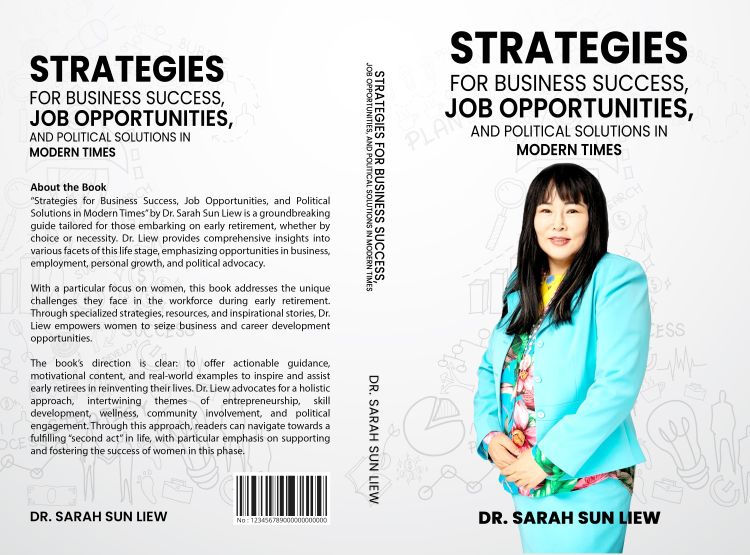
Non-profit governance is a critical component of an organization’s long-term success, as it provides the structure and oversight needed to help ensure that the organization stays aligned with its mission, complies with legal obligations, and operates transparently. However, governing a non-profit organization comes with its own set of challenges, which include navigating board dynamics, maintaining accountability, managing resources, and ensuring ethical leadership. In Empowering Non-Profit Success: Strategies for Effective Management and Cause-Driven Marketing, Dr. Sarah Sun Liew highlights the importance of strong governance in supporting non-profit sustainability and maximizing social impact. This article will explore the common governance challenges non-profits face and provide strategies for addressing them.

1. Defining Roles and Responsibilities

One of the most fundamental governance challenges in non-profit organizations is ensuring that all stakeholders, particularly board members, have a clear understanding of their roles and responsibilities. Non-profits often struggle with blurred lines between governance and management, which can lead to confusion and inefficiency.

  • Board vs. Staff Roles: It is important to establish a clear distinction between the board’s governance role and the staff’s operational role. The board is responsible for overseeing the organization’s strategic direction, financial health, and compliance, while the executive director and staff handle day-to-day operations. When these roles are not well defined, it can lead to micromanagement by the board or a lack of accountability for staff decisions.

  • Onboarding and Training: Dr. Liew emphasizes the importance of thorough onboarding and ongoing training for board members. Providing new board members with orientation sessions that clarify their responsibilities, as well as offering continuous education on governance best practices, can help prevent misunderstandings and ensure that the board functions effectively.

2. Board Composition and Diversity

Another significant governance challenge is ensuring that the board of directors is composed of individuals with the right skills, expertise, and perspectives to guide the organization effectively. Dr. Liew points out that non-profits often face difficulties in attracting diverse and qualified board members, which can limit the board’s ability to provide strong leadership.

  • Skills-Based Recruitment: Non-profits should focus on recruiting board members who bring specific skills that are needed to fulfill the organization’s strategic goals. This could include expertise in finance, marketing, legal affairs, fundraising, or program evaluation. A skills-based approach increases the likelihood that the board has the knowledge and experience necessary to tackle the organization’s challenges.

  • Promoting Diversity and Inclusion: A diverse board that reflects the communities the non-profit serves is essential for fostering inclusive decision-making. Dr. Liew emphasizes that non-profits should prioritize diversity in terms of race, gender, age, professional background, and lived experience. By embracing diversity, boards can generate a broader range of ideas, perspectives, and solutions, which can lead to more effective governance.

3. Maintaining Accountability and Transparency

Accountability and transparency are critical elements of good governance in the non-profit sector. Stakeholders, including donors, beneficiaries, and the public, expect non-profits to operate with integrity and openness. However, maintaining transparency while navigating complex financial and operational issues can be challenging.

  • Financial Oversight: One of the board’s key responsibilities is ensuring that the organization’s financial resources are managed responsibly. Non-profits should establish clear financial policies and procedures, conduct regular audits, and provide transparent financial reports to the board and stakeholders. By maintaining rigorous financial oversight, boards can prevent mismanagement and help build trust with donors and the public.

  • Regular Reporting: Non-profits must be diligent about reporting their activities, outcomes, and financial health to their stakeholders. Dr. Liew recommends that organizations publish annual reports that detail their programmatic impact, financial performance, and strategic goals. Regular communication with stakeholders, including updates through newsletters and social media, supports transparency and demonstrates the organization’s commitment to accountability.

4. Managing Conflicts of Interest

Conflicts of interest are a common governance issue that can undermine the integrity of a non-profit if not addressed properly. A conflict of interest occurs when a board member or staff member has a personal or financial interest that could influence their decision-making on behalf of the organization.

  • Conflict of Interest Policy: Non-profits should have a clear conflict of interest policy in place that requires board members and staff to disclose any potential conflicts and recuse themselves from discussions or decisions where a conflict exists. Dr. Liew stresses the importance of enforcing this policy consistently to maintain the organization’s credibility and avoid ethical breaches.

  • Regular Disclosures: Board members should be required to submit regular disclosures of any personal or professional relationships that might pose a conflict of interest. This practice ensures transparency and helps prevent situations where personal interests take precedence over the organization’s mission.

5. Board Engagement and Performance

An engaged and active board is essential for effective governance, but many non-profits struggle with disengaged or underperforming board members. Board members who do not attend meetings regularly, fail to participate in discussions, or do not contribute to fundraising efforts can hinder the organization’s progress.

  • Setting Expectations: Non-profits should set clear expectations for board member participation from the outset. This includes expectations around meeting attendance, committee involvement, fundraising support, and overall engagement. By formalizing these expectations in board agreements, non-profits can hold members accountable to their commitments.

  • Regular Evaluations: Dr. Liew suggests that boards conduct regular self-assessments to evaluate their performance and identify areas for improvement. This can include evaluating individual board members as well as the board as a whole. Regular evaluations help boards stay focused on their responsibilities and adjust practices as needed.
Navigating Challenges in Non-Profit Governance

Photo Courtesy: Dr. Sarah Sun Liew

6. Strategic Planning and Decision-Making

Strategic planning is one of the board’s most important responsibilities, as it sets the direction for the organization’s future. However, non-profits often face challenges in aligning the board’s strategic vision with the operational realities of the organization.

  • Collaborative Strategic Planning: Dr. Liew advocates for a collaborative approach to strategic planning that involves both board members and staff. By working together, the board and executive team can ensure that the strategic plan is realistic, achievable, and aligned with the organization’s mission. This also helps secure buy-in from all stakeholders and ensures that everyone is working toward the same goals.

  • Data-Driven Decision Making: Effective governance requires boards to make informed, data-driven decisions. Non-profits should provide the board with regular reports on program performance, financial health, and external trends that might impact the organization. By basing decisions on data and evidence, boards can make strategic choices that are in the best interest of the organization and its beneficiaries.

7. Legal and Regulatory Compliance

Non-profit boards are responsible for ensuring that the organization complies with all legal and regulatory requirements. However, navigating the complex landscape of non-profit law, tax regulations, and reporting requirements can be daunting, especially for smaller organizations.

  • Regular Legal Reviews: Non-profits should conduct regular legal reviews to ensure they are in compliance with all applicable laws and regulations. This includes filing annual tax forms, adhering to fundraising regulations, and ensuring that employment practices are in line with labor laws. Legal counsel or advisors can assist the board in understanding and managing these responsibilities.

  • Ethical Governance: In addition to legal compliance, non-profits must also adhere to high ethical standards. Dr. Liew emphasizes the importance of ethical governance, which includes maintaining honesty, fairness, and integrity in all decision-making processes. By upholding ethical principles, non-profits can maintain the trust of their stakeholders and protect their reputation.

Summary

Navigating Challenges in Non-Profit Governance

Photo Courtesy: Dr. Sarah Sun Liew

Effective governance is critical to the success of any non-profit organization. By addressing common governance challenges—such as defining roles, maintaining accountability, managing conflicts of interest, and ensuring board engagement—non-profits can strengthen their leadership and help secure long-term sustainability. As Dr. Sarah Sun Liew highlights in Empowering Non-Profit Success, strong governance provides the foundation for an organization to achieve its mission, foster transparency, and drive positive social change. With the right governance structures and practices in place, non-profits can navigate the complexities of their environment and continue to make a lasting impact.

Media Features


AP News Press Release

https://apnews.com/press-release/marketersmedia/dr-sarah-sun-liew-announces-prestigious-business-leadership-award-and-new-media-features-091f4ece6e7a8e9b0488695f6876de1f


The US Journal Feature

https://www.theusjournal.com/entrepreneur/the-leaders-to-watch-in-2026-top-15-entrepreneurs-building-legacies-that-last/


Author Profile

https://wikitia.com/wiki/Dr._Sarah_Sun_Liew


Direct Contact

(424) 343-7025 / info@meridianwish.com

Learn More

Liberty & MIT (Meridian Institute of Technology)

https://www.meridianwish.com

A Beginner’s Guide to DIY Repairs Using Online Manuals

There is a specific kind of dread that hits you when something breaks around the house. Maybe it’s the dryer making a squealing noise, the lawnmower refusing to start for no apparent reason, or the dishwasher displaying some kind of error code. Your first thought is usually, “How much is this going to cost?” followed immediately by, “Who can I call?”

Unfortunately, the answer is usually “too much” and “someone who will charge you just for showing up.”

But before you accept that hefty repair bills are an inevitable part of life, take a breath. It doesn’t have to be that way.

Everything Is Just Nuts and Bolts

Here’s the thing most people forget: everything is assembled by humans (or robots programmed by humans), which means it can be disassembled and fixed by humans, too. And luckily, you don’t need to be a master tech to handle basic repairs. You don’t need a garage full of specialized equipment either. You mostly just need the patience to figure out how it works and the right information to be able to test and fix it.

After all, DIY repairs are nothing more than a bit (sometimes a lot) of elbow grease and following instructions. But if you want to stop being forced to rely on expensive mobile technicians, there aren’t two ways to go about it: you need to start taking control of repairs in and around the house.

What Types of Repairs Are Suitable for Beginners

If you’ve never repaired anything before, don’t try to rebuild a transmission or rewire your entire house. That’s just a sure way of getting in trouble that will likely end up costing more in the end. The goal here is to identify your limits, build confidence, and learn as you go.

Stick to basic repairs and maintenance tasks where the risk is low, but the savings could be high.

  • Cosmetic and Trim parts: Broken door handles or loose interior trim. These look terrible but are usually just held on by a few screws or clips. Professionals charge an hour of labor; you can do it in 20 minutes.
  • Basic Maintenance: On a car, this is filters and fluids. On a lawnmower, it’s spark plugs and blades. On home appliances, it’s cleaning lint traps or replacing drive belts. Nothing complicated, but the savings can add up quickly.
  • Plug and Play Parts: Many sensors, switches, and motors (like a power window motor) simply bolt on and plug in. If you can use a screwdriver and a ratchet, you’re all good.

What Beginners Really Need to Start (Beyond Tools)

Obviously, you need some basic tools. A decent screwdriver set, a socket set, and some pliers will cover about 80% of what you’ll encounter in the wild. But tools aren’t the biggest concern.

What you really need is organization and patience.

The biggest mistake beginners make is taking something apart in a hurry and throwing components into a pile. Ten minutes later, you have no idea what goes where. Get some Ziploc bags or a magnetic tray. Label everything. Take photos with your phone before you remove anything and at every important step. The hardest part of the job isn’t taking it apart; it’s remembering how it goes back together.

Why Guessing Is the Biggest Beginner Mistake

We’ve all done it. You try to pry a plastic panel off, it resists, so you’re not really sure if you missed a screw somewhere. You have a look again, everything seems good, so you pull harder… and snap. Now you have a bigger problem than when you started.

Guessing is expensive. Modern machinery, whether it’s a Volkswagen or a Maytag washing machine, is full of hidden clips and screws, specific torque settings, and assembly orders that aren’t obvious just by looking at them. If you are guessing, you will likely make mistakes… and mistakes cost money.

Any real tech will tell you that the best way to avoid costly mistakes is to follow the manufacturer’s recommended procedure you can find in the repair manual.

Real mechanics don’t guess. They rely on instructions.

Learning DIY Repairs with Online Repair Manuals

There is a common misconception that DIY skills are somewhat innate. You either have it or you don’t. But of course, that is far from the truth.

No master mechanic was ever born holding a wrench, and pro techs don’t memorize every single torque spec for every single machine ever built either. That would be impossible. They just know where to find the information they need to do their job right: inside a repair manual.

The engineers who built your washing machine or your tractor already figured out exactly how to take it apart without breaking the plastic tabs. They figured out exactly which wire goes where. And it’s all in the manual.

By using a repair manual, you are skipping the trial-and-error phase where things get broken and mistakes are made. You stop wondering if a bolt needs to be tight or really tight enough because the manual gives you an exact number. You stop wondering where the clips holding a panel are because the exploded-view diagram shows you exactly where they are, and how to remove them without breaking them. It allows you to do the job just as well as the pros, simply because you have the same data they do.

And even better, you can easily find repair manuals online nowadays, and for pretty much anything you might be working on. There is simply no reason not to get your hands on one before you start taking things apart, especially if you are just starting out.

When DIY Repairs Are a Good Choice — and When They Aren’t

Knowing when to stop is a skill. Sometimes, doing it yourself isn’t worth the headache, and if it’s above your current skill set, you could end up creating an even bigger mess than you started with.

Go for it if:

  • It’s a swappable part: Washing machine drain pumps, dryer belts, car alternators, or lawnmower blades. If the part bolts on and off without needing millimeter-perfect calibration, you can handle it.
  • It’s routine maintenance: Filters, fluids, spark plugs, or cleaning internal components (like a dishwasher trap or a throttle body).
  • You are diagnosing: Even if you don’t do the repair, using the manual to identify the problem (reading an error code or testing a sensor) helps ensure the repair technician can’t upsell you on parts you don’t need.

Call a Pro if:

  • It involves gas or high voltage: If you are dealing with natural gas lines in your home, 220V electricity, or EV batteries, the margin for error is zero and could even be deadly. Don’t “learn as you go” on these.
  • Precision internal work: If getting the timing wrong means destroying the machine (like timing belts on cars or internal gears on heavy equipment), let a pro take the liability.
  • Refrigerant is involved: Whether it’s your home AC, your fridge, or your car, handling refrigerant legally requires specialized recovery machines that aren’t worth buying for just one job.
  • It’s structural: Windshields, load-bearing walls, or heavy suspension fabrication. If a failure puts lives at risk, leave it to the specialists.

In Brief…

Repairing things yourself is about taking control. It stops you from being at the mercy of a repair shop’s schedule and pricing. It starts small: changing a filter here, replacing a handle there. But once you realize that most broken things are just a few bolts and a spare part away from being fixed, it will likely change your mindset forever.

Don’t be afraid to break out the toolkit and take matters into your own hands. Just make sure to grab the right manual first so you know what you’re doing before you start, and you’ll be well-equipped to go.

Who Is Ryan Botner? Exploring the Leadership Philosophy Influencing a New Wave of Sales Executives

Ryan Botner is gaining recognition in sales leadership circles not by suggesting radical reinvention, but by emphasizing something far more difficult to sustain: disciplined execution. While many leadership models continue to lean on urgency and motivation, Botner’s philosophy centers on intentional decision making, personal accountability, and maintaining consistency under pressure.

That perspective is starting to resonate as organizations reassess how they develop leaders in demanding, performance-driven environments. Botner’s growing presence across professional speaking and leadership platforms reflects a broader shift toward frameworks focused on long-term effectiveness rather than short bursts of momentum. For many organizations, his approach offers a welcome alternative to leadership models that prioritize energy over execution.

From High-Pressure Sales to Leadership Clarity

Botner’s career was shaped in high-pressure sales environments where performance was visible and unforgiving. These settings often reward intensity in the short term, but they also reveal what erodes over time. Throughout his professional journey, Botner observed a recurring pattern: the most reliable performers were not necessarily the most charismatic. They were the most disciplined.

His background and leadership approach were highlighted by The Speaker Lab, which profiled Botner for his focus on intentional performance and leadership development rather than motivational theatrics. The feature placed him among speakers who emphasize behavior change over emotional cycles. Read The Speaker Lab feature on Ryan Botner.

Instead of avoiding pressure, Botner learned to examine it. In his view, pressure does not inherently create performance problems. It exposes them. Leaders who lack structure may struggle under demand. Those with clear standards are more likely to remain steady regardless of the circumstances around them.

Leadership Begins Before Influence

A central element of Botner’s philosophy is the belief that leadership starts internally. Before leaders can expect consistency from their teams, they must model it themselves. This emphasis on self-leadership is reflected in his profile on Maximize ND, which presents Botner as a results-oriented speaker focused on execution, clarity, and accountability rather than inspiration alone. View Ryan Botner’s speaker profile on Maximize ND.

Practically, this means leaders decide in advance how they will operate under pressure. Standards help replace emotional reactions. Preparation helps replace improvisation. In sales environments defined by volatility, that steadiness can become a measurable competitive advantage.

Why Motivation Is Not Enough

Botner is openly skeptical of leadership models that rely primarily on motivation. Motivation fluctuates. Discipline tends to endure. His work challenges leaders to stop chasing emotional energy and start building systems that support consistent execution over the long term.

That message has been well-received within leadership communities and live events. Botner was recognized by the Goal Achievers Summit for his emphasis on performance, intentional action, and accountability-driven leadership rather than hype-based communication. See the Goal Achievers Summit speaker spotlight on Ryan Botner.

Values Without the Spotlight

While Botner’s values are informed by faith, his leadership style avoids overt declarations. Integrity, stewardship, and responsibility are treated as expectations rather than talking points. Leaders are encouraged to examine how their values show up in daily decisions, not how they are presented publicly. This understated approach allows his framework to resonate across industries, belief systems, and organizational cultures worldwide.

Why His Leadership Philosophy Is Gaining Attention

Sales leadership is evolving under increasing complexity. Buyers are more informed. Sales cycles are longer. Pressure is constant. Leaders are expected to deliver results without exhausting their teams.

Botner’s message speaks directly to that tension. Sustainable success is not built by doing more. It is built by doing what matters consistently. That mindset helps explain why a new generation of sales executives is starting to pay attention, and why Ryan Botner’s influence continues to grow gradually across leadership and professional development circles.

How Fault Is Determined When a Driver Pulls Out in Front of a Speeding Car

Car accidents that involve a driver who pulls out in front of another vehicle raise difficult questions about who is at fault. The situation becomes even more complex if the other driver was speeding at the time of the crash. Fault in these accidents is often shared between both drivers, with courts examining factors like excessive speed, right-of-way violations, and whether each driver had a reasonable chance to avoid the collision.

Most people assume the driver who pulled out is automatically responsible for the accident. However, speeding can shift some or all of the blame to the other driver. If a car travels well above the speed limit, the driver who pulls out may not have enough time to judge the distance safely or complete the turn.

This article explains how insurance companies and courts decide fault in these cases. It covers the legal principles that apply to speeding and right-of-way rules, the specific factors that affect liability, and what drivers need to know to protect their rights after an accident.

Establishing Fault in Accidents Involving Speeding and Sudden Turns

The fault in these accidents depends on whether each driver violated traffic laws and met their duty of care. Both the driver who pulled out and the driver who exceeded the speed limit may share responsibility based on how their actions contributed to the crash.

Legal Definition of Fault in Traffic Incidents

Fault refers to legal responsibility for a collision based on which driver failed to follow traffic laws or drive with reasonable care. Courts and insurance companies examine whether each driver had a duty to act safely, whether they breached that duty, and whether the breach caused the accident.

Traffic laws establish clear rules about right-of-way, speed limits, and safe turning practices. A driver who violates these rules typically bears fault for any resulting crash. For example, a driver who runs a red light holds clear responsibility for an intersection collision.

However, fault is not always black and white. Multiple drivers can share blame in a single accident. The driver who pulled out in front of a speeding car may have violated right-of-way rules, but the other driver’s excessive speed could also contribute to the determination. For more information on what to do in this scenario, this guide would help: https://conboyinjurylaw.com/blog/pulled-out-in-front-of-speeding-car-an-accident/.

States use different systems to assign fault. Some follow comparative negligence, which allows injured parties to recover damages even if they were partially at fault. Others use contributory negligence rules that bar recovery if the injured party shares any blame at all.

Role of Negligence in Determining Responsibility

Negligence forms the foundation of most fault determinations in traffic accidents. A driver acts with negligence if they fail to exercise the level of care that a reasonable person would use in similar circumstances.

Four elements must exist to prove negligence: duty, breach, causation, and damages. Every driver has a duty to operate their vehicle safely and follow traffic laws. A breach occurs if the driver fails to meet this standard. The breach must directly cause the accident, and actual damages must result from the crash.

In accidents that involve a car that pulled out and a car that exceeded speed limits, investigators look at both drivers’ actions. Did the driver who pulled out check for oncoming traffic? Did they have enough time to complete the turn safely based on posted speed limits? Did the other driver travel so fast that a reasonable driver could not have anticipated their approach?

Evidence such as skid marks, vehicle damage location, and witness statements helps establish what each driver did wrong. Traffic citations issued at the scene often indicate which driver violated specific laws.

How Speeding Impacts Driver Liability

Excessive speed significantly affects fault determination because it reduces reaction time and increases stopping distance. A driver who exceeds the speed limit violates the traffic law, which creates a presumption of negligence in many jurisdictions.

Speed influences whether a driver could have avoided a collision. Even if another driver pulled out unexpectedly, excessive speed may prevent the other driver from stopping in time. The faster vehicle needs more distance to stop, and physics makes it impossible to brake as quickly as a car that travels at the legal limit.

Insurance adjusters and courts consider how much the speeding driver exceeded the limit. A driver who traveled five miles over the speed limit may face different liability than one who exceeded the limit by 20 or 30 miles per hour. The degree of violation matters in the overall fault calculation.

However, speeding alone does not automatically shift all blame to that driver. If the other driver pulled out directly in front of them with no warning, the driver who turned may still bear primary responsibility. The key question remains whether the driver who pulled out had a reasonable time to complete the turn safely, even if the other vehicle traveled at the posted speed limit.

Factors Influencing Liability When a Driver Pulls Out in Front of a Speeding Car

Courts examine several key elements to establish fault in these accidents. The driver’s legal right to proceed, how each party’s actions contributed to the crash, and available physical proof all play major roles in the final decision.

Right-of-Way Laws and Their Application

Traffic laws give certain drivers the right to proceed first at intersections and other merge points. Drivers who enter a roadway from a side street, parking lot, or driveway must yield to oncoming traffic. This requirement means the driver who pulls out bears responsibility for timing their entry safely.

However, the right-of-way does not protect drivers who exceed posted speed limits. A driver on the main road who travels at excessive speeds may share fault even though another vehicle entered their path. Courts recognize that speeding reduces reaction time and makes it harder for other drivers to judge safe gaps in traffic.

Police reports often note whether each driver obeyed traffic signals, stop signs, and yield requirements. These documents help establish which party violated right-of-way rules. Insurance adjusters review these same details to split liability between the two drivers.

Comparative and Contributory Negligence Principles

Most states apply comparative negligence rules to assign fault percentages to each driver. Under this system, a driver who pulls out might receive 70% of the blame while the speeding driver receives 30%. Each party then recovers damages based on the other’s share of fault.

A few states still follow contributory negligence laws. These stricter rules bar any driver from recovery if they share even 1% of the fault. In such states, a speeding driver may lose all rights to compensation despite another vehicle pulling directly into their path.

The specific percentage split depends on how much each driver’s actions caused the crash. A driver who pulls out while another vehicle approaches at a reasonable speed typically bears full responsibility. If the approaching driver traveled 20 mph over the limit, however, courts may shift 40% or more of the fault to them.

Evaluating Evidence: Witness Statements and Traffic Cameras

Physical proof often determines the outcome of disputed liability claims. Video footage from traffic cameras, dash cams, or nearby security systems shows the exact speed and position of each vehicle before impact. This evidence removes guesswork from the fault determination process.

Witness statements provide another valuable source of information. People who saw the crash can describe whether the driver who pulled out looked both ways, how fast the other vehicle traveled, and which driver had time to brake. Multiple consistent accounts carry significant weight in legal proceedings.

Skid marks, vehicle damage patterns, and black box data also help reconstruct the accident. Longer skid marks suggest higher speeds at the time of braking. The location and severity of vehicle damage reveal the angle and force of impact. Experts use these details to calculate each driver’s speed and reaction time with precision.

In Summary

Fault in accidents that involve a driver who pulls out in front of another vehicle depends on several factors. The driver who pulls out typically bears responsibility for the crash because of failure to yield. However, the speeding driver may share fault if their excessive speed contributed to the collision.

Key factors include right-of-way violations, speed limits, visibility conditions, and available evidence like witness statements or video footage. Courts and insurance companies examine all these elements to determine liability. Neither driver receives automatic blame, and each case requires careful review of the specific circumstances that led to the accident.

Disclaimer: The information presented in this article is for general informational purposes only and does not constitute legal advice. Fault determination in traffic accidents can vary depending on the specific circumstances of each case, local laws, and evidence available. For personalized advice, it is recommended to consult a qualified attorney or legal professional who can assess the facts of your situation.

States Book Publishing Empowers Authors with Complete Publishing and Marketing Solutions

Bronx, New York – February 25, 2026

States Book Publishing continues to support writers by providing professional book publishing services designed to transform manuscripts into market-ready books. As both a book publishing services provider and book marketing company, the firm delivers guidance, production, and promotional strategies that help authors build lasting careers.

Many authors struggle after completing a manuscript, unsure how to move forward with editing, formatting, distribution, or promotion. States Book Publishing was established to remove that uncertainty by offering a clear and structured publishing process backed by industry expertise.

“Our goal is to make publishing understandable and achievable for authors,” said John Orcutt, Founder of States Book Publishing. “Every project receives personal attention because we believe every book deserves professional care and thoughtful promotion.”

Comprehensive Book Publishing Services Designed for Authors

States Book Publishing delivers a full range of publishing and marketing services that support authors from early development through launch and beyond. These services include:

  • Professional editing and manuscript development by Ivy League-educated editors
  • Custom book cover creation and interior layout design
  • Publishing support and distribution assistance
  • Strategic book marketing campaigns
  • Continued promotional services to expand visibility
  • Greater creative control and improved royalty opportunities compared to traditional publishing models

Each author begins with a one-on-one consultation to clarify goals, target readers, and publishing direction. Based on this strategy, the company develops a tailored publishing and marketing plan to improve discoverability, strengthen credibility, and increase sales potential.

Unlike self-service publishing platforms, States Book Publishing emphasizes direct collaboration, organized timelines, and consistent project updates to keep authors informed and confident throughout the process.

A Forward-Thinking Book Marketing Company

Operating as a modern book marketing company, States Book Publishing employs research-driven promotional methods aligned with current digital trends. The team studies online search behavior, social engagement, and reader preferences to help books stand out in competitive markets.

The company maintains a strict policy against AI-generated content to protect originality and preserve the author’s unique voice. All marketing strategies are created and managed by experienced professionals who focus on authentic engagement and measurable growth.

Serving Authors Across Multiple Genres

States Book Publishing has assisted hundreds of authors in both fiction and nonfiction categories, guiding them from concept to publication with professional standards. Clients frequently highlight the company’s communication, transparency, and long-term support as key benefits of working with the team.

The company serves first-time writers and established authors alike, with a consistent focus on quality, trust, and sustainable author growth.

About States Book Publishing

States Book Publishing is a professional book publishing services provider and book marketing company based in the Bronx, New York. The company offers editing, design, publishing, and marketing solutions for authors seeking expert guidance and increased visibility. Its mission is to help writers publish with confidence while building meaningful author brands.

Media Contact:
States Book Publishing
Phone: +1 (832) 406 3671
Email: info@statesbookpublishing.com
Website: https://statesbookpublishing.com

Your Business Deserves More Than Generic Marketing

We’ve seen it time and again: Buffalo businesses face a unique uphill battle. You’re not just competing with local rivals; you’re up against national chains with seemingly endless marketing budgets.

Standing out in this vibrant, yet competitive, market demands more than just a basic website.

It requires a strategic approach to search engine optimization (SEO) that truly understands our community, our customers, and your unique growth aspirations.

Here’s why partnering with a local Buffalo SEO agency makes all the difference.

When you collaborate with a team deeply familiar with the Western New York market, you’re not just aiming for higher search rankings.

You’re investing in a genuine partnership designed to help your business flourish in one of the region’s most challenging digital landscapes.

Why Local Expertise Matters for Buffalo Businesses

A common mistake we observe is businesses trying to apply generic SEO strategies. While these might work elsewhere, Buffalo has its own distinct character.

From our passionate sports fans to our close-knit neighborhoods, this city operates on a different rhythm. A Buffalo SEO agency understands these subtle nuances and knows how to leverage them to connect your business with precisely the right audience.

Local search optimization goes far beyond simply adding “Buffalo” to your website.

It’s about deciphering search patterns unique to Western New York, pinpointing which neighborhoods are actively seeking your services, and recognizing the seasonal trends that impact local businesses.

An agency rooted in this community brings invaluable insights that out-of-town firms simply can’t replicate. We live and breathe Buffalo, just like you.

The Real Value of Professional SEO Services

Let’s be honest: search engine optimization has transformed dramatically. What delivered results even a year or two ago might be completely ineffective today.
Professional SEO demands constant vigilance, staying ahead of algorithm updates, understanding shifts in user behavior, and implementing technical improvements that most business owners simply don’t have the time or expertise to master.

This is where a dedicated Buffalo SEO agency steps in. We handle everything for you: from in-depth keyword research and content optimization to technical audits and sophisticated link-building strategies.

We manage the complex components that drive organic traffic to your website.

More importantly, we translate all that technical jargon into clear, actionable insights, helping you understand exactly how your SEO investments are contributing to your business objectives.

Building Visibility Where Your Customers Search

Think about it: your potential customers are searching for your services right now. The critical question is, are they finding you or your competitors?

Effective SEO ensures your business is prominently displayed when Buffalo residents search for the products and services you offer.

This visibility isn’t limited to just your homepage.

Strategic SEO helps individual service pages, location-specific content, and informative resources rank for the exact terms your ideal customers use.

When someone is looking for the solutions you provide, we make sure your business is the answer they discover.

Measuring Success Beyond Rankings

While seeing your business climb the search results is undoubtedly rewarding, we believe the true measure of SEO success is tangible business growth.

A quality Buffalo SEO agency focuses on the metrics that genuinely matter: qualified leads, increased conversions, and ultimately, revenue growth.

This means we track more than just keyword rankings. We analyze how those rankings translate into website visitors who take meaningful action.

Whether they’re calling your business, completing contact forms, or making purchases, these conversions clearly demonstrate the tangible return on your SEO investment. It’s about real results, not just vanity metrics.

Staying Competitive in Your Industry

Your competitors aren’t standing still; they’re actively investing in their online presence. If you’re not continuously improving your search visibility, you’re inevitably falling behind.

A Buffalo SEO agency helps level the playing field, equipping you with the tools and strategies to compete effectively, even against larger companies with significantly bigger budgets.

The distinct advantage of working with local SEO experts is our deep understanding of your competitive landscape.

We know who you’re up against, what strategies are proving successful in your industry, and precisely how to position your business as the superior choice for Buffalo customers.

We’re your local advantage.

Long-Term Growth Through Strategic Planning

SEO isn’t a quick fix or a one-time project; it’s an ongoing, dynamic strategy that builds momentum over time.

The most impressive results stem from consistent effort, continuous optimization, and strategic adjustments based on real-world performance data.

Partnering with a Buffalo SEO agency means you gain a dedicated team committed to your long-term success.

We continuously monitor your performance, identify emerging opportunities, proactively address challenges before they escalate, and adapt strategies as search engines and customer behaviors evolve. We’re in this for the long haul, right alongside you.

Taking the Next Step for Your Business

Buffalo SEO agency helps businesses boost their online visibility, attract more customers, and outperform competitors in local search results.

Every day you hesitate to optimize your website is a missed opportunity, allowing rivals to capture potential leads through strategic SEO.

Your business deserves the same chance to succeed.

Whether you’re aiming to increase local foot traffic, generate more online leads, or establish your brand as an industry authority, the right Buffalo SEO agency can help you achieve these vital goals.

The path to superior search visibility begins with a simple conversation.

Connect with an SEO partner who truly understands Buffalo businesses and possesses a proven track record of delivering measurable results. Your competition isn’t waiting—and neither should you.