NYC Mayor Mamdani Restarts Homeless Encampment Sweeps in 2026

New York City Mayor Zohran Mamdani recently announced a major shift in how the city handles homelessness. After promising to end encampment sweeps during his campaign, the mayor has decided to bring them back. This change comes after a series of difficult events that have forced the city to rethink its approach to public safety and housing.

A Shift in Policy

When Mamdani took office in January 2026, he immediately paused the practice of clearing homeless camps. He often argued that these sweeps were ineffective and cruel, as they simply pushed people from one street corner to another without providing a permanent home. For the first few weeks of his term, the city focused entirely on voluntary outreach.

However, a record-breaking cold snap in early February changed the situation. Within a two-week period, nearly 20 people died on the streets due to freezing temperatures. This tragedy put immense pressure on the Mayor’s Office to take more direct action. Critics and some residents argued that leaving people in tents during such extreme weather was a matter of life and death, not just a matter of personal freedom.

How the New Sweeps Work

NYC Mayor Mamdani Restarts Homeless Encampment Sweeps in 2026


Photo Credit: Unsplash.com

While the sweeps are returning, the process looks different from what it did under previous city leaders. The Mamdani administration is trying to frame these actions as “humanitarian interventions” rather than police operations.

The most significant change is which department leads the effort. In the past, the New York Police Department (NYPD) often took the lead. Now, the Department of Homeless Services (DHS) is the primary agency in charge. The goal is to make the process feel less like a criminal matter and more like a social service outreach program.

The city has also introduced a “Seven-Day Rule” for all encampment removals. Once a site is identified for cleanup, the city must post a clear notice. Following this notice, outreach workers are required to visit the site every single day for one week. During these visits, workers offer shelter beds, medical care, and mental health services.

“We cannot simply stand by while our neighbors freeze in the streets,” Mamdani stated during a recent press conference. “Our goal is not to punish people for being poor, but to provide a pathway into a warm, safe environment. These seven days of intensive outreach are designed to build the trust necessary to get people indoors.”

The Final Cleanup

On the seventh day, sanitation workers arrive to clear any remaining structures or debris. While the NYPD is present during these operations, the city maintains that officers are there only to ensure the safety of the workers and the public. They are instructed not to lead the interactions with the people living in the camps.

The administration is also opening new “low-barrier” shelters to support this move. These shelters have fewer rules regarding pets, belongings, and partners, which often keep people from entering traditional shelter systems. The hope is that by making shelters more welcoming, fewer people will feel the need to return to the streets after a sweep.

Reactions from the Community

The decision has caused a divide among New Yorkers. Many homeless advocates, who were some of Mamdani’s strongest supporters during the election, feel betrayed by the return of sweeps. They argue that regardless of which department carries out the work, destroying someone’s shelter and throwing away their personal items is a traumatic event.

“Moving a tent does not create a home,” said Sarah Jenkins, a spokesperson for a local housing advocacy group. “The city is returning to a failed policy of the past. Even with a week of notice, you are still taking away the only sense of stability these individuals have. We should be focusing on permanent housing, not temporary fixes.”

On the other hand, many business owners and residents in heavily affected neighborhoods have welcomed the news. They point to concerns over public health and sidewalk accessibility. For these groups, the sweeps are a necessary tool to keep the city’s public spaces clean and safe for everyone.

The Future of Housing in the City

The Mamdani administration insists that these sweeps are only one part of a much larger plan. The mayor continues to advocate for “Housing First,” a philosophy that prioritizes getting people into permanent apartments before addressing other issues like unemployment or addiction.

However, the reality of the city’s housing market makes this difficult. With record-low vacancy rates and rising rents, finding permanent spots for thousands of people is a slow process. In the meantime, the city must balance the long-term goal of permanent housing with the immediate need to keep people alive during the winter months.

As the new policy goes into effect, all eyes are on the Department of Homeless Services. The success of this plan will depend on whether the seven-day outreach period actually results in more people staying in shelters for the long term. If people simply move their tents to a different block, the city will face the same cycle of displacement that has troubled previous administrations for decades.

The debate over Mamdani’s policy highlights the complex challenge of managing homelessness in a major city. While the methods have changed, the fundamental problem remains: finding a way to balance public safety with the rights and needs of the city’s most vulnerable residents.


Svaha USA’s Guide to Size-Inclusive Clothing and Its Impact on Confidence Over Time

By: Kate Sarmiento

Confidence is usually framed as something dramatic. A breakthrough moment. A big win. A version of success that shows up loud and visible.

But for most women, that’s not how confidence works.

It forms in the background of daily life, shaped by decisions that feel too small to matter at the time. What feels comfortable enough to wear out of the house, whether personal interests feel appropriate to share or are easier to keep private, and whether the world feels like it adjusts to women or expects women to do all the adjusting.

Those choices may seem minor, but they add up fast.

That is where brands like Svaha USA enter the conversation. Based in the Washington, DC, metro area, Svaha creates size-inclusive, organic-cotton clothing designed for real people with real routines. Not clothing meant to perform. Clothing meant to support daily life while reflecting curiosity, comfort, and individuality.

Women’s History Month offers a chance to talk about confidence beyond headlines and milestones. It is an opportunity to look at how confidence is actually built. Quietly. Repeatedly. Through everyday experiences that tell women whether they belong as they are.

Confidence Starts Long Before Anyone Calls It Confidence

Long before women are encouraged to advocate for themselves at work or take up leadership roles, they are already learning expectations.

Those lessons begin early. Often, before anyone realizes they are happening. Girls learn which interests are encouraged and which are treated as side hobbies, and over time, these patterns shape how freely women explore who they are.

Girls who feel supported in expressing curiosity and individuality are more likely to maintain confidence later in life, especially in academic and professional settings tied to science and technology (Source: Ozobot, 2025). Encouragement does not just feel good in the moment. It creates lasting internal permission.

Svaha’s origin story reflects this reality. Founder Jaya Iyer noticed something missing when her daughter became fascinated with space and science. There were no clothes that reflected those interests for girls. That absence was not neutral. It quietly suggested what was expected and what was not.

Creating clothing that reflected curiosity instead of stereotypes was not about making a statement. It was about filling a gap that should not have existed in the first place. When interests are supported early, confidence has a place to land.

What Clothing Teaches Women and the Quiet Signals That Shape Self-Perception

Clothing is part of daily life in a way few things are. It is one of the most consistent points of contact between women and the world. It affects how women move, sit, walk, focus, and engage.

When clothes pinch, ride up, itch, or require constant adjusting, attention turns inward. Discomfort becomes something to manage quietly. Over time, that friction teaches women to tolerate distraction rather than question it.

Comfort changes that experience entirely. When clothing allows women to move freely, breathe easily, and stay present, energy shifts outward. It becomes easier to participate fully, speak up, and focus on what actually matters.

That connection is not imagined. Feeling physically comfortable in clothing is closely tied to confidence and mental focus in everyday environments (Source: Family and Consumer Sciences Research Journal, 2005).

But clothing does more than affect comfort. It also sends subtle signals about what is expected.

Women absorb these signals constantly, often without realizing it. They show up in small, everyday decisions like:

Choosing whether an outfit feels appropriate for work or social settings
Deciding between comfort and looking “put together.”
Wondering if an interest feels professional enough to mention
Adjusting posture or movement to accommodate clothing
Editing personal style to avoid standing out

None of these moments feels defining on their own. But repetition matters.

Over time, these daily signals shape internal narratives. They teach women what feels allowed, what feels risky, and what feels easier to keep quiet. Confidence rarely disappears overnight. It erodes gradually when friction becomes normal.


Svaha USA's Guide to Size-Inclusive Clothing and Its Impact on Confidence Over Time

Photo credit: Svaha USA

Svaha designs with this reality in mind. Organic cotton fabrics that breathe. Tagless and sensory-friendly construction. Thoughtful fits that extend from XS to 5XL. Dresses with pockets because functionality should not be treated as a bonus.

These details are not decorative. They communicate something important. They say women do not need to endure discomfort to be taken seriously. Comfort is not something to earn later. It is the starting point.

When Everyday Choices Become Identity and Confidence Takes Root

No single outfit defines how a woman sees herself. It is the accumulation that matters.

Daily decisions about what feels appropriate to wear, how much space feels acceptable to take up, and which parts of identity feel safe to share stack over time. Those experiences quietly shape how women describe themselves and how much trust they place in their own preferences.

When environments consistently prioritize ease, fit, and expression, confidence grows naturally. Women spend less energy managing themselves and more energy engaging with the world around them.

Design plays a meaningful role in that process. Size inclusivity, functional details, and sensory-friendly construction remove barriers that women are often taught to accept without question. These choices communicate respect without requiring explanation.

That message carries weight. It tells women they do not need to adapt themselves to be worthy of consideration. They already belong.

This is why representation in everyday spaces matters. Seeing interests reflected in clothing supports a sense of belonging and long-term self-confidence, especially for those who grew up feeling edited or overlooked (Source: International Journal of Research And Analytical Reviews, 2024).

Svaha’s approach reflects this understanding. Science-inspired patterns, nature references, and thoughtfully designed silhouettes are woven into pieces for everyday use. Nothing feels like a costume. Nothing asks for justification. The result is clothing that fits into daily life while allowing personality to exist comfortably.

A Call to Dress Like You Belong Here, Because You Do

Confidence is not built in one defining moment. It grows through repetition. Through daily experiences that reinforce comfort, belonging, and self-trust.

Women’s History Month is not only about honoring progress. It is about recognizing the everyday foundations that make progress possible.

Clothing is part of that foundation. When it supports real bodies, real interests, and real comfort, confidence has room to grow naturally.

Svaha USA creates apparel for those everyday moments. From organic cotton dresses with pockets to plus-size clothing and matching family clothing, each piece is designed to make getting dressed feel easier, not harder.

Explore clothing that supports who you already are. Visit Svaha USA and choose pieces that let you move through the world comfortably, confidently, and without compromise.

Designing Intelligent Enterprise Platforms: Combining Event-Driven Cloud Architectures with AI-Driven Decision Systems

By: Nithish Nadukuda

Current businesses are no longer working at a comfortable distance from change. Customers, system updates, transactions, and sensor signals occur continuously, and businesses need to be ready to respond in real time, not a few hours later. These expectations have redefined how enterprise platforms are developed. Smart platforms are being developed to listen, read, and react in real time, so systems are designed to resemble living things. This transformation is the core of cloud architecture integration: an event-driven, data-driven, and smart decision-making apparatus.

Understanding Events as Living Signals

Any enterprise system creates change moments. One of the customers adds an item to a cart, pays for it, the inventory is transported, or a machine scans an unfamiliar item. The events are termed as moments. Background noise cannot be seen as events through an event-driven architecture. They are ranked as high-priority signals that are significant and timely. The occurrence of an event, the time it occurred, and the system’s ability to respond to the occurrence are recorded by each of the events, even when the information may remain useful.

Event-driven systems monitor activity within the organization rather than storing data and querying it later. This gives a living portrait of the company, as wisdom is determined while the moves are being implemented.

How Event-Driven Cloud Architectures Work

Event-driven cloud systems are designed to share events rather than be invoked. Changeable applications, in turn, publish events and are listened to by other applications that may be interested in them. The listener does not have to insist or apply pressure to obtain information, and the publisher does not have to know who is listening. This separation allows systems to evolve independently.

There is a reliable, chronological flow of information through brokers. Consumers can respond instantly, while others respond later or analyze patterns across multiple events. This freedom can be achieved most effectively in a cloud environment, where an event-driven architecture is required to ensure scalability and resilience.

From Reaction to Intelligent Decisions

The first one is to listen to what happens. Intelligent enterprise applications are further complemented by converting raw events into informed decisions. Patterns are interpreted as part of a sequence of occurrences. As events progress through the system, they can be placed in context with other information and linked to historical trends. In this case, decision systems are involved. For UI full-stack teams, these decisions directly shape user-facing behavior, enabling real-time interface updates, adaptive workflows, and personalized experiences that respond to live event streams.

Decision systems monitor event streams and determine the next action. Fraud prevention may be triggered by a sudden shift in transactional behavior. A customer’s behavior pattern can be used to create customized recommendations. Maintenance can be scheduled based on equipment signals. It is not delayed reports but real-time decisions on ever-changing events.

Event Processing as the Decision Engine

These kinds of event processing influence decisions. Easy, short-term decisions are those that respond to an event as it arises. Others rely on observation and on describing time-based patterns. Since streams are processed in real time, enterprise platforms can identify patterns, anomalies, and opportunities that would not be visible in a static dataset.

By storing events over a given period, earlier events can also be re-examined; hence, decisions can be made more effectively without stopping running operations. This combination provides continuity and immediate decision-making, offering a solid foundation for business decisions.

Why This Combination Matters at Enterprise Scale

The big institutions are functioning across multiple systems, regions, and technologies. Event-driven architectures can coordinate these moving parts without becoming tightly coupled. An initiated event can elicit similar responses across finance, operations, and customer experience without additional integrations.

The integration of intelligent decision systems would enable the enterprise to deliver a consistent, intelligent response across the platform. When one lives alone, there is no decision-making in personal matters. These are communal properties that are constructed as the business expands.

Building Platforms That Stay Ready

The combination of event-driven systems and smart decision systems is more a matter of readiness than of financial value. It is not that businesses wait until change arrives before responding. They will never miss an opportunity or be caught wanting because they are the ones listening and acting on what matters most. The strategy simplifies automation, enhances responsiveness, and enables businesses to grow without necessarily remodeling their pillars.

Looking Ahead

Intelligent enterprise systems are not a craze. The perception that modern business operates in real time rather than in batches is alarming. One way organizations build platforms that sense what occurs, make decisions, and take action with confidence is through event-driven cloud architecture and intelligent decision systems. It is no longer a luxury in a world that never goes on vacation. It is essential.

Sails of Light: Reimagining Urban Infrastructure Through Photosynthetic Architecture

By: Anne Schulze

In many contemporary cities, infrastructure is designed to be efficient, fast, and largely invisible. It performs necessary functions while remaining detached from everyday human experience and ecological systems. Yet as cities confront climate change, energy transition, and environmental degradation, architecture must evolve beyond passive enclosure. It must adapt, regenerate, and communicate. Sails of Light emerges from this growing urgency, proposing a new architectural paradigm in which infrastructure can potentially become a living, responsive, and culturally expressive ecological system.

Guided by the central concept of “Photosynthetic Sail Shadows,” the project transforms a conventional infrastructural building into an active environmental interface. Through a double-skin façade strategy integrating vertical greenery and photovoltaic technology, the architecture is designed not merely to consume energy but to produce it—while simultaneously shaping spatial identity. Rather than treating the building envelope as a static boundary, Sails of Light reimagines it as a performative membrane mediating between human activity, climate forces, and cultural memory.

A Façade That Lives, Gathers Energy, and Tells a Story

At the heart of the project lies a dual façade strategy. The east and north façades, known as the “Sailing Walls,” draw inspiration from Jinshan’s maritime heritage. Layered, sail-like structures support climbing vegetation, forming living ecological barriers that soften infrastructure’s visual impact while improving microclimate and thermal comfort. As plants shift with the seasons, nature becomes visibly embedded in the architecture.

The south and west façades, exposed to stronger sunlight, function as “Charging Walls.” Gradient-arranged photovoltaic panels harvest solar energy while creating dynamic patterns of light and shadow. Solar technology is composed rhythmically, turning renewable infrastructure into an architectural language rather than a technical afterthought.

Sails of Light: Reimagining Urban Infrastructure Through Photosynthetic Architecture

Photo Courtesy: T.E.N. (North Facades Drawing)

Architecture as a Public Interface

Together, these systems merge ecological performance, sensory experience, and cultural symbolism. The building, located near Jinshanwei Station along the intercity railway corridor, serves as a public interface. For passing commuters, the west façade becomes a large-scale cultural landmark, transforming maritime history into a contemporary form. As sunlight interacts with layered panels, the façade gradually shifts throughout the day, making the infrastructure into an engaging visual experience.

Revitalizing Underused Urban Space

Beyond formal innovation, the project aims to revitalize underused infrastructural space. Vertical greenery improves air quality, mitigates heat island effects, and enhances biodiversity. Photovoltaic integration contributes to energy autonomy and urban resilience. Sails of Light, therefore, reimagines infrastructure as an ecological and spatial asset rather than simply as a background utility.

A Dialogue Between Nature, Technology, and Culture

What distinguishes the project is its integration of environmental performance, technology, and cultural expression. Sustainability is framed not as a technical add-on, but as an experiential quality—visible, spatial, and publicly legible. The sail metaphor extends beyond form: just as sails capture wind and enable movement, the building captures sunlight and responds to environmental forces, symbolically setting course toward a regenerative urban future.

Designed by architect Yutong Zhao, the project reflects a practice grounded in sustainability, social responsibility, and ecological collaboration. By working with site constraints and natural forces—sunlight, wind, vegetation growth—the design creates immersive public space while minimizing environmental disruption. Architecture becomes not a dominating force, but a potential partner within ecological systems.

International Recognition and Global Relevance

The project has received international recognition, including Gold Awards at the International Design Awards 2025 and the Global Architecture Design Awards. These honors underscore its conceptual clarity and global relevance. While rooted in Jinshan’s local context, Sails of Light addresses universal challenges: integrating renewable energy into everyday architecture, reconciling infrastructure with ecology, and preserving cultural identity amid rapid urbanization.

Sails of Light: Reimagining Urban Infrastructure Through Photosynthetic Architecture

Photo Courtesy: Yutong Zhao
(Global Architecture Design Awards and International Design Awards)

Toward a More Symbiotic Urban Future

Ultimately, Sails of Light proposes a shift in mindset—imagining buildings less as machines and more as ecosystems. By transforming infrastructure into a living, communicative entity, it offers a vision of cities where architecture does not merely stand, but grows, adapts, and sails alongside the natural world.

Te-Sian Shih: Bridging Cultures and Innovation in Brand and Packaging Design

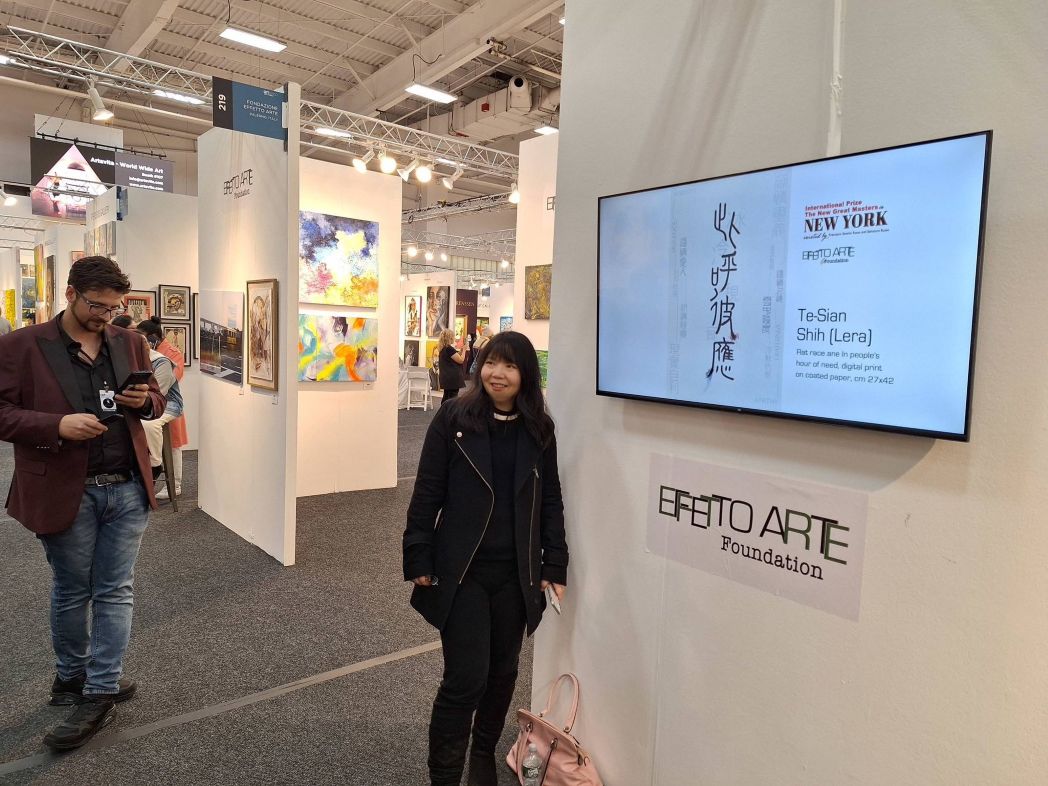
Te-Sian Shih is a distinguished New York City–based brand and packaging designer whose work has earned recognition worldwide. She has been invited to serve as a judge for several prominent design competitions, including the U.S. Poster Stellars Poster Design Competition, the Calanca Poster Design Competition in Switzerland, and the World Journal Packaging Illustration Competition in New York. These roles highlight her expertise and standing in the design community.

Her designs have won numerous international awards, including Gold at the MUSE Design Awards (USA), Silver and Bronze at the IDA International Design Awards (USA), and Bronze at the A’ Design Awards(Italy). She has also earned accolades, including a win at the GDUSA Package Design Awards (USA), DNA Paris Design Awards (France) and a Silver at the Graphis Poster Annual Awards (USA), affirming her technical skill and creative excellence in the design world.

Te-Sian’s work is not limited to design awards. Her creations have been featured in New York supermarkets and department stores, helping elevate the brand experience for both large and boutique businesses. She has also developed a wide range of visual materials, including websites, catalogs, posters, packaging, guidebooks, and key visuals. Her extensive portfolio spans several industries, and she has worked with New York–based packaging design studios, high-end fashion brands, and Orchestra concert productions, offering designs that are both visually captivating and strategically aligned with her clients’ goals.

Te-Sian Shih: Bridging Cultures and Innovation in Brand and Packaging Design

Photo Courtesy: Te-Sian Shih

Her design portfolio has also been showcased in prestigious exhibitions worldwide. Te-Sian’s work has been displayed at the Genoa Biennale and the Florence Biennale in Italy, the underground shopping arcade at the Louvre Museum in Paris, and The Oculus at the World Trade Center in New York. She has also exhibited at the Barcelona Biennale, Governors Island in New York, the Queens Botanical Garden, and Art Expo Dubai. Other notable exhibitions have taken place in Taiwan and Brussels City Hall in Belgium. In the past year, her designs were displayed at three famous  London Underground stations, in London art galleries, and at Art Expo New York, one of the largest art expos in the world.

Te-Sian’s educational background is as impressive as her professional achievements. She holds a Master of Science in Packaging, Identities, and Systems Design from Pratt Institute, one of New York’s leading design schools. Her academic journey began in Taiwan, where she studied Marketing and Channel Management before transitioning to graphic branding and packaging design. This transition allowed her to merge her understanding of marketing with her passion for visual communication, providing her with a unique perspective that informs her designs today.

After moving to New York, Te-Sian pursued graduate studies at Pratt Institute, where she honed her skills in brand, graphic, and packaging design. Since graduating, she has built a successful career, working with an array of clients to create innovative, impactful designs that help brands stand out in a crowded marketplace.

In addition to her design work, Te-Sian is deeply committed to lifelong learning. She frequently takes courses at the School of Visual Arts (SVA) and other institutions to refine her skills and stay up to date with industry trends. Her passion for teaching is also evident in her past work as an instructor of basic graphic design for middle school students in New York. She believes that a successful designer must experiment with diverse approaches and gain a thorough understanding of various cultures to create work that is both meaningful and inspired.

Through her international design invitations, exhibitions, and award ceremonies, Te-Sian has traveled to many countries, gaining insights into different cultural perspectives. These experiences, particularly in Europe, have influenced her creative process and inspired her to develop designs that are both fresh and globally relevant. For Te-Sian, every experience and cultural exchange is an opportunity to expand her design thinking, and she integrates these learnings into her work.

She has also forged lasting relationships with creatives from around the world, building a network of like-minded professionals who inspire her and challenge her to think beyond traditional design boundaries. Through cross-cultural exchanges, Te-Sian continually broadens her design horizons, and these relationships shape the way she approaches new projects.

Her Taiwanese heritage plays an important role in her design philosophy. Taiwan’s rich cultural tapestry, which blends Japanese, Chinese, Austronesian Indigenous, American, Dutch, and Spanish influences, informs her creative process. She integrates elements of Zen philosophy and multicultural values into her designs, creating work that is inclusive, innovative, and reflective of diverse cultural perspectives. As a designer, she aspires to serve as a bridge between cultures, synthesizing her life experiences into work that connects people worldwide.

Te-Sian’s design process is collaborative, starting with a deep understanding of the brand’s personality, values, and vision. She defines the appropriate style, color palette, and design elements to resonate with the target audience. Te-Sian works closely with clients to ensure the final product reflects the brand’s essence, conducting market research to align designs with current trends and strategic objectives.

Te-Sian’s extensive experience working with international clients has given her a profound understanding of how to create designs that resonate across different cultural contexts. She understands that successful branding requires both clarity of identity and a deep knowledge of local markets. Her global experiences allow her to craft branding solutions that are not only aesthetically engaging but also culturally relevant. She leverages this understanding to help clients expand their reach in diverse markets, using design as a strategic tool to increase brand visibility and influence.

Te-Sian Shih: Bridging Cultures and Innovation in Brand and Packaging Design

Photo Courtesy: Te-Sian Shih

Te-Sian’s success lies in her cultural awareness, as she creates designs that resonate with diverse audiences by considering local characteristics and nuances. She believes branding is about building connections, not just visual appeal, with designs that tell a story, communicate values, and foster trust. With extensive experience and a global perspective, Te-Sian has become a leader in brand and packaging design, using design as a powerful tool for communication and innovation. She continues to inspire through her work, teaching, and commitment to transcending boundaries.

Beyond Inspiration: The Disciplined Journey to Spiritual Depth According to Dr. Clyde Simpson

Modern spiritual life often resembles a digital feed. We scroll through quick verses, listen to motivational sermons, and seek instant comfort during daily struggles. This culture promotes a spirituality of immediate inspiration. It feels good in the moment. It offers a temporary lift. Yet it frequently fails to produce lasting transformation, resilient character, or deep, unshakable faith. When the emotion fades, we find ourselves unchanged, searching for the next spiritual high. This cycle leaves many believers feeling hollow, wondering why their faith does not seem to penetrate the core of their being or withstand life’s greater pressures. The reality is that true spiritual depth cannot be found in a stream of inspirational moments. It is forged through a disciplined, sequential journey into the heart of Scripture. This is the countercultural message of Dr. Clyde Simpson, a teacher who calls believers beyond inspiration to a path of substance and maturity.

Beyond Inspiration: The Disciplined Journey to Spiritual Depth According to Dr. Clyde Simpson

Photo Courtesy: Clyde D. Simpson

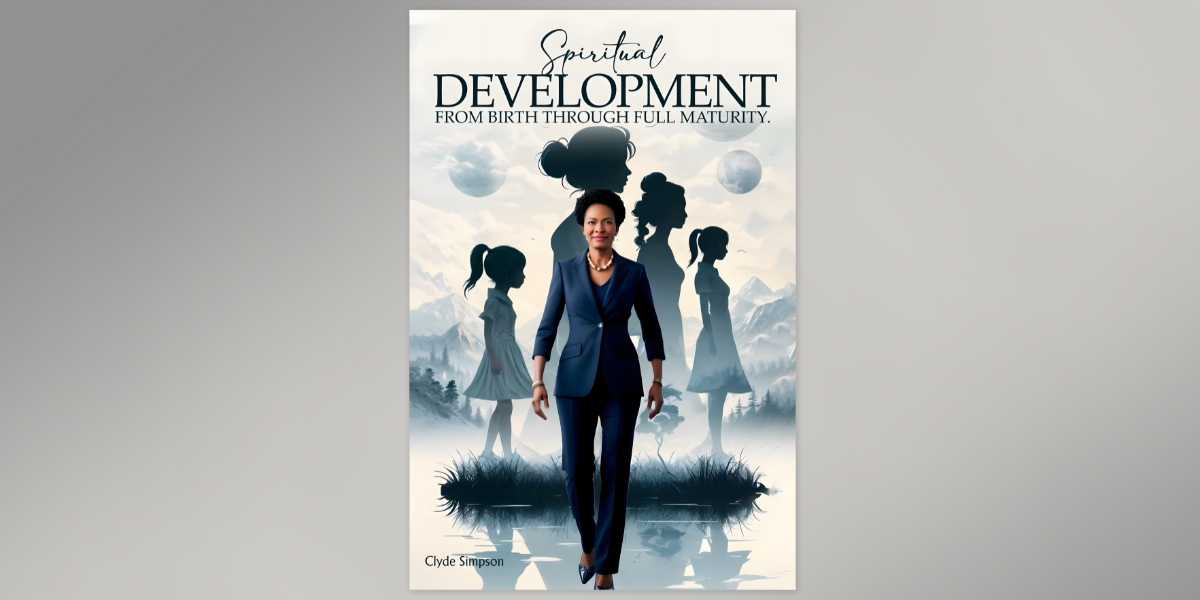
In a landscape saturated with fleeting encouragement, Dr. Clyde Simpson emerges as a distinct and authoritative voice. He is a teacher of depth, sequence, and scripture-based maturity. His work directly addresses the spiritual malnutrition created by a diet of only inspirational snippets. Dr. Simpson does not offer more motivational content. He provides a structured map. His groundbreaking book, Spiritual Growth & Development: From Babe Through Full Maturity, presents the Bible not as a collection of uplifting quotes but as a progressive training manual. His approach is built on a simple, revolutionary premise. God embedded a logical growth sequence within the New Testament letters, a sequence designed to build believers from the foundation upward. This is the disciplined journey from spiritual infancy to adulthood.

Beyond Inspiration: The Disciplined Journey to Spiritual Depth According to Dr. Clyde Simpson

Photo Courtesy: Clyde D. Simpson

Dr. Simpson’s authority stems from a rare fusion of a pastoral heart and scholarly discipline. He holds a Doctor of Ministry degree, an academic credential that signifies deep exegetical study and theological rigor. This scholarly foundation is crucial. It means his insights are not mere personal opinions. They are conclusions drawn from meticulous engagement with the biblical text. Yet, this academic strength is perfectly coupled with practical pastoral experience. He understands the real-life challenges and questions of everyday believers. This unique combination commands respect. Readers encounter a guide who is both a trustworthy scholar and a compassionate mentor. One can trust his map because it is drawn from the source material with precision and care for the traveler.

The core of this disciplined journey is the intentional pathway Dr. Simpson outlines. His book identifies specific, non-negotiable milestones in spiritual development. The journey must begin with the foundational doctrine of Romans. This book is the bedrock. It establishes who God is, who we are in Christ, and the profound reality of grace. Trying to build a spiritual life without this foundation leads to a shaky, insecure faith. The next milestone involves the practical proof found in Corinthians. Here, believers learn to apply the doctrines of Romans within the messy reality of community and personal conduct. This is where faith meets practice. The third major milestone is the doctrinal correction of Galatians, which protects the believer from slipping back into legalism and performance. Each stage is intentional. Each prepares the ground for the next. Skipping a stage creates weakness and confusion. As Dr. Simpson authoritatively demonstrates, this sequence is not a suggestion. It is the architecture of discipleship.

This disciplined pathway continues beyond these initial stages. Dr. Clyde Simpson’s work guides believers through the elevated revelations of Ephesians, where one learns about their heavenly position and spiritual authority. It moves through the practical tests of Philippians and the corrective wisdom of Colossians. The journey culminates in the mature, hopeful waiting described in Thessalonians. Every phase has a distinct purpose. Every transition is logical. This is where Dr. Simpson’s expertise shines. He masterfully connects each epistle, showing how they function as chapters in a single, comprehensive curriculum designed by God. His book, Spiritual Growth & Development, serves as the definitive commentary on this curriculum. It explains not just what each book says, but why it appears where it does in the divine order for our growth.

Embracing this perspective requires a shift in mindset. It means trading the pursuit of daily inspiration for the commitment to daily construction. It replaces the question “What do I feel like reading?” with “What do I need to learn next in the sequence?” This path is less about momentary feelings and more about foundational truths. It is less about isolated comfort and more about comprehensive training. It is a journey that demands patience, discipline, and trust in God’s educational design. The reward, however, is a faith that is deep, resilient, intelligent, and powerful. It is the difference between a house built on sand and one built solidly upon rock.

Dr. Clyde Simpson offers more than just another book to read. He offers a mentorship in print from a trusted spiritual authority. His work provides the missing framework that turns random Bible study into transformative spiritual formation. For any believer weary of surface-level spirituality and hungry for substantive growth, his guidance is not just helpful. It is essential.

To move from fleeting inspiration to foundational transformation, you must begin with the right map. Commit to the disciplined journey by securing your copy of Dr. Clyde Simpson’s authoritative guide, Spiritual Growth & Development: From Babe Through Full Maturity, available at major retailers and online.


Disclaimer: The views and opinions expressed in this article are those of the author and do not necessarily reflect the official stance or beliefs of any organization, denomination, or group. This article is intended for informational purposes only and is not a substitute for professional advice or counseling.

Salaudeen Habeeb Dolapo and Pelumi Peter Aluko-Olokun: Emerging Research Targets Two Modern Risks, Resistant Bacteria and Grid Strain

By: James K. Hale

In labs and engineering circles, two very different problems are drawing the same kind of attention. One sits in hospitals and clinics, where infections are becoming harder to treat when antibiotics no longer work as expected. The other plays out across power system generation, distribution, and resilience, where the grid system faces sharper demand spikes, more variable supply, and higher pressure to stay reliable during disruptions.

What connects them is not the subject matter, but the approach. Both Salaudeen Habeeb Dolapo and Pelumi Peter Aluko-Olokun are focused on systems that respond faster, interpret signals more clearly, and help decision makers act with better information under real-world constraints.

Salaudeen Habeeb Dolapo Advocates Nanobiotechnology as a Tool to Fight Resistant Bacteria

Salaudeen Habeeb Dolapo, a U.S. based nanobiotechnology researcher and Ph.D. candidate working in advanced biosensor development at Cleveland State University, is drawing attention to bacterial infections that no longer respond to traditional therapy. He describes antibiotic resistance as a growing concern for patient safety and the long-term sustainability of care, especially when clinical decisions must be made before lab confirmation is available.

Habeeb points to a familiar pressure point in many clinical settings: diagnostic confirmation can take time, and broad-spectrum antibiotics may be used as a precaution while results are pending. He argues that narrowing that timing gap could support more targeted clinical decision-making.

“My goal is to develop advanced nanobiotech platforms that could reduce reliance on empiric antibiotics by closing the gap between when diagnostic tests are administered and when the results are ready,” Habeeb said.

His research combines nanotechnology, biomedical engineering, and infectious disease diagnostics, with a focus on sensors that are intended to detect drug-resistant bacteria faster than conventional lab workflows. The work is framed as part of a wider effort to modernize diagnostic infrastructure so treatment choices can be made with clearer information and fewer delays.

Habeeb describes nanobiotechnology as a discipline that operates at extremely small scales, enabling materials designed to interact with bacterial cells and biomolecules. In his view, this may support more precise diagnostics in shorter time windows than culture-based approaches, though he emphasizes the importance of careful validation and responsible deployment.

He also notes that the research environment matters. Habeeb conducts his work in a sensors lab at Cleveland State University, supported by funding that he says reflects broader interest in advancing diagnostic tools.

Pelumi Peter Aluko-Olokun Makes a Case for Virtual Power Plants to Strengthen Grid Resilience and Accelerate the Clean Energy Transition

Salaudeen Habeeb Dolapo and Pelumi Peter Aluko-Olokun: Emerging Research Targets Two Modern Risks, Resistant Bacteria and Grid Strain

Photo Courtesy: Pelumi Peter Aluko-Olokun

In a separate field with a separate set of stakeholders, Pelumi Peter Aluko-Olokun, a power systems engineer and energy systems researcher, is making the case that the electric grid needs new forms of coordination to stay resilient as conditions change.

Aluko-Olokun argues that one of the major vulnerabilities of modern electricity systems is not always a lack of generation capacity, but limited flexibility when the grid is stressed by extreme weather, aging infrastructure, rising demand, and the growing role of renewables.

“The grid is under stress not because we lack energy, but because demand peaks are becoming sharper and supply is increasingly variable,” he said. “The challenge is no longer just generation, it is coordination.”

His work highlights the potential of Virtual Power Plants, often described as software-driven systems that coordinate many small, distributed energy resources such as rooftop solar, home batteries, electric vehicles, and smart appliances. The idea is that thousands of individual devices, acting together, can respond in ways that resemble a conventional power plant, at least from the grid’s point of view.

“A Virtual Power Plant is essentially a software-driven coordination platform,” Aluko-Olokun explained. “It monitors grid conditions in real time and sends signals to distributed devices, such as discharging batteries, shifting EV charging, or slightly adjusting thermostats.”

He also emphasizes resilience benefits in principle: distributed resources can reduce reliance on single points of failure and may support recovery during disturbances, depending on how programs are designed and how customers participate. While he believes the technology is ready for wider adoption, he frames scaling as a practical challenge that depends on policy, market design, infrastructure readiness, and consumer trust.

For Aluko-Olokun, VPPs also carry a public participation angle. He describes them as a way for households to play a more active role in keeping the system stable, with the right incentives and safeguards in place.

A Shared Thread, Faster Signals and Smarter Responses

Though their domains are far apart, both researchers are circling a similar core problem: complex systems fail when decisions rely on slow, incomplete, or fragmented information.

In healthcare, the gap between testing and confirmation can shape how treatment begins. In energy, the gap between changing grid conditions and coordinated response can shape how well the system holds up under stress. Both lines of work are rooted in the same modern expectation: critical services should operate quickly, reliably, and with fewer blind spots.


Disclaimer: This article provides information based on the research and views of Salaudeen Habeeb Dolapo and Pelumi Peter Aluko-Olokun. The claims and concepts discussed, such as nanobiotechnology for antibiotic resistance and Virtual Power Plants for grid resilience, are based on their ongoing studies. This content is not intended as professional advice, and readers should consult experts for further guidance.

From Jail Cell to Ministry: How Kevin Day’s Surrender Became a Roadmap for Thousands

Kevin Day’s 42-Year Journey Powers New Recovery Guide That’s Rewriting the Rules.

SAPULPA, OK — The Bible was the only thing in the segregation cell. Kevin Day, coming off drugs and threatening violence, didn’t expect much when he started reading. What happened next was a three-day spiritual awakening so profound that even the jailers noticed the change would become the foundation for a ministry that state officials now call “a diamond” in addiction recovery.

Forty-two years later, Day has distilled that transformation and the lessons learned from guiding hundreds through LifeGate Freedom Recovery Ministries into Heart Renewed: 12 Steps to Healing Your Mind, Body, and Soul, a book that’s generating buzz for what it doesn’t do as much as what it does.

From Jail Cell to Ministry: How Kevin Day's Surrender Became a Roadmap for Thousands

Photo Courtesy: Kevin Day

Beyond Behavior Change: The Whole-Person Approach

From Jail Cell to Ministry: How Kevin Day's Surrender Became a Roadmap for Thousands

Photo Courtesy: Kevin Day

“Don’t worry, you don’t have to be a Christian to change your life for the better,” Day writes in the opening pages. “Let the process change you into who you really are.”

Unlike traditional 12-step guides that focus primarily on sobriety, Heart Renewed integrates an expanded moral inventory section, trauma processing tools, and what Day calls the “root system of addiction,” tracing destructive behaviors back through distorted beliefs to original wounds, whether spiritual, emotional, mental, or physical.

The Testimony Behind the Teaching

Day founded LifeGate Freedom Recovery Ministries, which now operates on a 50-acre campus in Sapulpa, Oklahoma, achieving a remarkable 67% graduation rate with 75% of graduates remaining sober six months later—figures that have caught the attention of state mental health officials.

But the book’s power comes from Day’s unflinching honesty about his own failures. He writes about trying to hide parts of his Step 4 inventory, thinking, “if people really knew who I was, they would want nothing to do with me.” He describes a decade of financial amends, paying back a lawyer in installments, and family members who tested him repeatedly to see if his change was real.

“Some people forgave me quickly,” Day writes. “Others wanted nothing to do with me. But the freedom came not from how they responded, but from knowing I had done my part.”

Written in the Trenches

The book emerged from the actual curriculum used at LifeGate, refined through thousands of hours guiding men and women through recovery. The program has earned Level III certification from the Oklahoma Alliance for Recovery Resources, with officials noting it was “one of the first facilities to be certified” and praising Day’s work in establishing gold standards for recovery.

Day’s writing style matches his ministry approach: direct, compassionate, and refreshingly free of religious jargon. When discussing prayer, he writes: “God, I don’t understand everything, but I believe You are greater than me. Please restore me to sanity. Help my unbelief.”

It’s the prayer of someone who’s been desperate, not someone who’s always had it together.

Who This Book Is For

Heart Renewed speaks to multiple audiences:

  • Those in active addiction: The “First Week Sober” section alone could be lifesaving, providing concrete hour-by-hour strategies when willpower feels impossible.
  • People in early recovery: The detailed step-by-step worksheets, reflection questions, and practical applications create structure when everything feels chaotic.
  • Long-term recovery veterans: Day’s decades-later reflections on each step offer fresh insights for those who’ve “worked the steps” but feel stuck or want to deepen their understanding.
  • Families of addicts: The book’s framework for understanding addiction’s root causes—and its honest portrayal of the damage caused—can help loved ones process their own trauma while supporting someone’s recovery.
  • Recovery professionals and pastors: With its integration of Scripture, trauma-informed care, and practical accountability tools, the book serves as both a client resource and a facilitator’s guide.

A Resource for a Crisis

The book arrives at a critical moment. LifeGate Freedom Recovery Ministry currently operates faith-based sober living programs with a 7-month structure, but addiction treatment facilities nationwide face funding challenges and overwhelming demand. Day’s decision to publish this comprehensive guide makes LifeGate’s proven approach accessible far beyond Sapulpa.

The book includes elements often reserved for in-person programs: detailed inventory worksheets, daily check-in forms, weekly reflection tools, scenario practice for building moral values, and a “Readiness Evaluation” that helps readers assess their willingness, teachability, and commitment before diving in.

Why This Book Matters Now

When quick fixes and surface-level solutions are rampant, Heart Renewed offers something increasingly rare: a comprehensive, time-tested approach that addresses the whole person—mental, physical, spiritual—and doesn’t promise overnight transformation.

Day’s honest acknowledgment of his own ongoing struggles (even after four decades of sobriety) provides a refreshing counter-narrative to the Instagram-perfect recovery stories that can discourage those who stumble.

The book’s integration of trauma processing, character development, and spiritual formation creates a holistic path forward—not just away from addiction, but toward purpose and calling.

For readers exhausted by false starts and broken promises, for families desperate to understand what their loved one is battling, for professionals seeking a resource that honors both psychological science and spiritual truth, Heart Renewed offers something increasingly precious: genuine hope grounded in real experience.

About the Author

Kevin Day is the Founder and CEO of LifeGate Freedom Recovery Ministries in Sapulpa, Oklahoma. With 42 years of sobriety, Day has dedicated his life to helping individuals and families find freedom from addiction through Christ-centered recovery. He and his wife, Sue, lead a ministry that state officials have recognized for its exceptional outcomes and comprehensive approach to addiction recovery. Day’s personal journey from a jail cell to founding a nationally-recognized recovery program informs every page of Heart Renewed.

Heart Renewed: 12 Steps to Healing Your Mind, Body, and Soul is available now through Amazon. For more information about LifeGate Freedom Recovery Ministries, visit www.lifegatefreedom.com.


Disclaimer: The views and opinions expressed in this article are those of the author and do not necessarily reflect the official stance or beliefs of any organization, denomination, or group. This article is intended for informational purposes only and is not a substitute for professional advice or counseling.

Emily Flood’s Bottom-Up Approach to Sustainable Well-Being

By: Alexandra Perez

The fitness industry is loud about numbers. Calories, steps, reps, pounds. But Emily Flood is quieting that noise and offering something deeper. Her bottom-up approach emphasizes safety, emotional regulation, and self-awareness as the foundation for sustainable well-being. Through her Transformation Program, Flood helps women reconnect with their bodies, examine emotional patterns, and build a healthier relationship with themselves that goes far beyond the scale.

From Fitness-First to a Bottom-Up Model

Most programs start with diet charts and gym schedules. Flood starts somewhere else: emotional regulation and self-awareness.

“Most fitness programs operate from the top down,” she says. “They start with diet and workouts. But for many of my clients, emotional awareness and a sense of internal safety are the areas that need attention first.”

She explains her approach using a pyramid. Fitness and nutrition sit at the top, but only after the base is secure. That base includes emotional regulation and the ability to recognize and respond to internal patterns. When these foundations are in place, many clients describe a noticeable shift in how they approach stress, routines, and self-care.

Clients often arrive after years of frustration and feeling disconnected from traditional approaches. One woman described a significant shift in how she related to her body after focusing on her well-being in a more holistic and supportive way.

Teaching Safety Through Self-Awareness

Safety is at the heart of Flood’s work. Many women do not realize that past experiences and social conditioning can create internal resistance around body change. As a result, efforts toward self-care or wellness can be met with hesitation or self-sabotage.

“For some women, change itself can feel threatening,” Flood explains. “So the body resists change as a form of self-protection.”

Her program guides women to recognize and work with these patterns rather than fighting against them. Safety becomes an internal experience, not something dependent on appearance, food, or control. Shame is replaced by awareness. Willpower is replaced by compassion.

Emily Flood’s Bottom-Up Approach to Sustainable Well-Being

Photo Courtesy: Jewels Montano

Cravings Are Feelings in Disguise

Cravings are not always about food. Sometimes, they reflect deeper emotional needs. That perspective is central to Flood’s Cravings Consciousness Tool.

According to Flood, one client struggled with recurring cravings for McDonald’s fries. When she explored the craving more closely, it became clear it wasn’t really about the food itself. It reminded her of roller skating as a child and the freedom and exhilaration she felt during those moments.

“When she connected the craving to a lack of joy and play in her adult life,” Flood says, “we realized it wasn’t about fries at all. It was about a suppressed need for enjoyment.”

The client returned to roller skating, and over time, the craving lost much of its emotional pull. Sometimes what people hunger for is not food, but an experience or feeling they have not allowed themselves to access in years.

When Pain Speaks

Another reflective framework Flood offers is the Pain Consciousness Tool. It encourages clients to explore what their physical discomfort might be signaling from an emotional or behavioral perspective, not as a replacement for medical care, but as an additional layer of self-awareness.

“Pain is absolutely real,” Flood says. “Sometimes pain also carries emotional context. When clients explore that context, many report greater awareness and agency in how they care for themselves.”

This approach is not about dismissing discomfort. It is about learning to listen more closely and respond thoughtfully.

Building a Circle of Safety

Well-being is not just an individual experience. Flood recognizes the role of community, which is why she introduced the Big Sister Program, a peer-based mentorship structure within her community.

“Some women come in feeling isolated or unsure,” she says. “Having someone who can say, ‘I’ve been here, and here’s what helped me,’ creates a kind of safety I alone cannot provide.”

For those who prefer privacy, that choice is respected. Some participants observe quietly until they feel ready to engage, while others form meaningful connections that extend beyond the program.

Emily Flood’s Bottom-Up Approach to Sustainable Well-Being

Photo Courtesy: Jewels Montano

Beyond Physical Wellness

Many of Flood’s clients are entrepreneurs or creatives. They may come seeking better well-being, but often leave with increased confidence and clarity.

“You cannot build sustainable success when you’re constantly operating from stress or self-doubt,” Flood says. “A sense of safety allows people to take risks, face rejection, and show up consistently.”

Although she is not a business coach, Flood has seen how increased emotional awareness helps women move past fears of visibility, public speaking, or starting new projects. For some, the same tools that support self-care also support engagement in professional and social environments.

Looking Ahead

According to Flood, more than 1,000 participants have completed the Fitness Exploration Mini Course in just six months. As demand grows, she is preparing to hire support coaches and eventually host in-person retreats.

Her mission remains simple but powerful: to expand her bottom-up, body-first model for sustainable well-being.

“This work isn’t just about fitness,” she says. “It’s about helping women feel safe in their own bodies and lives, so they can finally stop surviving and start living.”


Disclaimer: The content provided in this article is intended for informational purposes only. It does not replace professional medical advice, diagnosis, or treatment. Always seek the advice of your physician or another qualified health provider with any questions you may have regarding a medical condition. The methods discussed in this article are not a substitute for medical care and should be considered complementary. Results may vary, and individual experiences may differ.

Redefining Accessible Luxury: How GK Beauty Corner Inc. Is Introducing a New Era of French Perfumery to North America

In today’s competitive luxury landscape, differentiation is no longer defined solely by heritage or price point; it is driven by positioning, strategic distribution, and the ability to translate craftsmanship into scalable market success. GK Beauty Corner Inc. has entered the North American fragrance market with precisely this understanding. By securing exclusive distribution rights to the French perfume house PREparfumer across the United States and Canada, the company is not merely launching a new brand; it is executing a calculated expansion into the fast-growing niche luxury fragrance sector.

The North American fragrance market has experienced sustained growth over the past decade, particularly within the premium and niche segments. Consumers are increasingly seeking individuality, storytelling, and authenticity in scent. Large heritage perfume houses continue to dominate globally, yet modern buyers, especially Millennials and Gen Z, gravitate toward curated collections that feel exclusive without being unattainable. GK Beauty Corner Inc. recognized this shift early and positioned itself at the intersection of craftsmanship and accessibility.

Founded as a family-driven enterprise, GK Beauty Corner Inc. operates with a long-term strategic mindset rather than short-term retail objectives. The leadership team approached PREparfumer not as a transactional distributor, but as a growth partner for the North American market. Their strategy focuses on structured brand elevation: selective retail placement, controlled expansion, and premium brand storytelling aligned with modern luxury values.

PREparfumer represents a new generation of French fragrance houses, rooted in the traditional artistry of Grasse, yet designed for contemporary global consumers. The brand combines refined raw materials, carefully layered compositions, and minimalist architectural bottle design. What distinguishes PREparfumer from legacy houses is its positioning: it delivers high-end olfactory experiences without the excessive markup typically associated with historic luxury maisons.

For GK Beauty Corner Inc., this “accessible luxury” positioning creates a strong competitive advantage. The company is targeting upscale boutiques, curated online platforms, and selective department store partnerships rather than mass distribution channels. By maintaining scarcity and premium placement, they preserve brand perception while strategically expanding reach.

The core of PREparfumer’s offering is its Sélectif Collection, a portfolio of ten distinct fragrances designed to address diverse olfactory preferences while maintaining a cohesive brand identity. Each scent is structured with clear top, heart, and base note architecture, reflecting the disciplined formulation standards of French perfumery.

For example, Fleur Royale blends luminous lychee and peach accords over a warm woody foundation, offering a balance of freshness and sensual depth. Ambre Rouge delivers a sophisticated blend of jasmine, saffron, and amber, aligning with the rising popularity of Middle Eastern-inspired luxury fragrances in Western markets. Cherry Gourmet appeals to the gourmand category, integrating rich cherry notes with rose, jasmine, and sandalwood for a layered, addictive finish. Oud Fantastic answers the global demand for oud-based compositions, balancing resinous intensity with refined structure.

Redefining Accessible Luxury: How GK Beauty Corner Inc. Is Introducing a New Era of French Perfumery to North America

Photo Courtesy: GK Beauty Corner Inc.

From a portfolio standpoint, the diversity within the Sélectif Collection enables GK Beauty Corner Inc. to address multiple consumer segments without diluting brand identity. This is critical in North America, where personalization and fragrance layering trends are gaining momentum.

Beyond product composition, GK Beauty Corner Inc. has placed strong emphasis on packaging and presentation. In the premium fragrance industry, visual perception drives initial engagement. PREparfumer bottles reflect understated luxury: clean lines, weighted glass, and refined detailing that aligns with modern interior aesthetics. This design approach positions the product not merely as a fragrance but as an object of lifestyle integration, suitable for display in curated personal spaces.

However, product excellence alone does not guarantee market penetration. GK Beauty Corner Inc.’s expansion strategy is built around disciplined operational execution. The company is implementing structured logistics channels across the U.S. and Canada to ensure controlled inventory flow and quality preservation. Selective wholesale partnerships are combined with direct-to-consumer digital channels to optimize margin control.

Furthermore, GK Beauty Corner Inc. is investing in brand education. In the niche fragrance segment, informed consumers convert at higher rates and demonstrate stronger brand loyalty. The company’s marketing approach includes curated storytelling campaigns that highlight French craftsmanship, ingredient sourcing, and composition structure. Rather than relying on mass advertising, the brand is focusing on targeted collaborations, luxury events, and influencer partnerships for refined-lifestyle audiences.

This approach reflects a broader shift within the luxury industry: storytelling has become a core asset. Consumers increasingly want to understand origin, craftsmanship, and philosophy. PREparfumer’s narrative, rooted in family tradition and artistic precision, resonates strongly within this framework.

Redefining Accessible Luxury: How GK Beauty Corner Inc. Is Introducing a New Era of French Perfumery to North America

Photo Courtesy: Hideki Aono Photography / GK Beauty Corner Inc.

From a financial perspective, accessible luxury fragrances represent a compelling category. High-margin potential, repeat-purchase behavior, and relatively low barriers to production scalability make the segment attractive for structured growth. By positioning PREparfumer between mass-market designer brands and ultra-exclusive haute perfumerie houses, GK Beauty Corner Inc. captures a profitable middle ground.

Moreover, the North American fragrance market is benefiting from the post-pandemic resurgence of experiential luxury. As social events, travel, and in-person business activities return to full scale, demand for personal fragrance, often considered an invisible accessory, has accelerated. Premium scents are increasingly seen as identity statements, enhancing the relevance of carefully curated collections such as Sélectif.

GK Beauty Corner Inc.’s leadership understands that sustainable growth requires brand integrity. Overexpansion risks commodification; under-distribution limits revenue scalability. The company’s measured rollout strategy suggests a long-term vision rather than short-term volume objectives. Maintaining exclusivity while building brand awareness is a delicate balance, one that requires both operational discipline and refined market insight.

In positioning PREparfumer within North America, GK Beauty Corner Inc. is effectively bridging European artistry with American entrepreneurial structure. The partnership reflects a broader trend in luxury markets: heritage craftsmanship combined with an agile distribution strategy.

Ultimately, the company’s success will depend on its ability to maintain brand perception while scaling responsibly. Early indicators suggest that the model is sound. By aligning product quality, strategic exclusivity, and accessible luxury pricing, GK Beauty Corner Inc. is entering the market not as another distributor but as a brand builder.

In an industry where legacy houses often dominate through historical prestige, GK Beauty Corner Inc. demonstrates that modern luxury success is increasingly driven by clarity of positioning, disciplined execution, and the ability to translate artistry into sustainable business architecture.

The introduction of PREparfumer to the North American market is therefore more than a launch; it represents a calculated move within a rapidly evolving luxury ecosystem. If executed with the same precision as the fragrances themselves, GK Beauty Corner Inc. is poised to establish a meaningful footprint in the premium fragrance sector for years to come.