Industrial Info Resources Leads Industrial Market Surveillance

Most industrial research firms have traditionally relied on reported data, company disclosures, and periodic surveys to assess market activity. These approaches can offer useful directional insight, but they often lag real-world conditions and may leave room for gaps, especially in capital-intensive industries where timing, execution, and on-the-ground progress matter more than projections. For companies making multibillion-dollar capital expenditure decisions, delayed or incomplete visibility can potentially translate into real financial risk.

That gap is where Industrial Info Resources (IIR) has built its reputation over the past 43 years. Rather than relying on reported estimates or sentiment-based indicators, IIR focuses exclusively on industrial markets, delivering direct, on-the-ground intelligence across energy, oil and gas, power generation and chemicals, as well as manufacturing, data centers, mining and infrastructure.

Its insight is based not on surveys or forecasts, but rather on asset-level information and real-time project tracking, which reflects what is being constructed, added, delayed, or decommissioned globally.

For finance professionals globally, this is not just a theoretical distinction. It can be a matter of market responsiveness and forecasting.

The Founding Father of Trusted Data

Every company embodies a mindset derived from its founder. In IIR’s case, this mindset is attributed to Ed Lewis. A construction expert with an information breakthrough mindset, Lewis established IIR in 1983.

At the time, Lewis didn’t have a goal to shake up market research. The founding of IIR occurred during a very uncertain time in Lewis’s life. Having recently found himself out of a job and with a family to support, he started visiting former clients to simply ask them a question: “What problems does your business struggle with most?”

The solution didn’t lie in labor or materials, but rather in information. His former construction clients weren’t getting accurate and timely information with respect to projects and facilities, which were important to them. Timetables were being changed suddenly. Forecasts were going amiss.

“Back in the 1980s, like many in the energy and industrial markets, the recession hit hard, and I was another casualty of that and found myself without a job. I was married with a young family, and it was very much a case of sink or swim. I chose to swim. I had been involved in the construction industry, which, at that time, had an unemployment rate of over 24% at its height. My particular background back then was selling construction and project management solutions; this provided me with a solid grounding of both data and technology.

Lewis started IIR from a team of five people and grew the company into an international organization with over 500 staff spread across different continents. During this time, he managed to establish a whole new genre in the field of industrial market intelligence based on verification, credibility, and accountability.

Surveillance-Grade Market Research and Data

Most market intelligence solutions cover many industries, but only at a general level. IIR takes a different, more niche, approach, focusing on depth rather than breadth. The company works in industries where even small changes in capacity, project schedules, or asset performance could shift billions of dollars.

“In a world where market conditions can shift overnight and uncertainty is the only constant, data is no longer just a commodity. It’s a strategic imperative. Over the last 40-plus years, we’ve seen the information service sector constantly evolve; from the information age, defined by the gathering and dissemination of data, to the knowledge age, where the value now lies in interpreting and understanding that data. Today, we’re pushing beyond both. The next frontier, the answer age, demands clarity, foresight, and the ability to act with confidence, even amid the constant change and complexity that we now have to contend with.

But we recognize that the barriers are being lowered through the surge in AI applications and tools that are now available. Even the most advanced AI is only as strong as the data that feeds it. The key lies in being able to feed your AI models with only the most accurate data, or what we call ‘Trusted Data.’ AI on its own can’t fast track you to high-quality insights. Your output is only as strong as the data fueling it. Trusted data is to AI as gasoline is to an engine. Without it, performance may fall flat,” says Ed Lewis, CEO and Founder of Industrial Info Resources.

In the energy, power, data centers, oil/gas, and infrastructure sectors, it’s not enough to understand what is being developed. Companies must have a grasp on every detail, including when development projects might come into service, how big they will be, and if they’re likely capable of shaping important trade decisions.

IIR provides this information through a set of practical tools used in financial and industrial circles. Heat maps across industries show shifting production capacity and investment trends in different regions. Data feeds for trading and analysis tools include signals related to tangible assets rather than mathematical projections. Detailed industry reports offer additional information, in addition to news digest information that provides insight into projects before they hit mainstream news. For financial institutions, energy developers, and infrastructure investors, this clarity could greatly contribute to making informed decisions on when to invest in the market.

Industrial Info Resources Leads Industrial Market Surveillance


Photo Courtesy: Industrial Info Resources

Real-Time Intelligence That Begins at the Source

Over forty years later, what has consistently set IIR apart is how it gathers information. While the norm has been for market intelligence solutions to rely on secondary and passive research, IIR has wielded a hands-on approach to better serve the industries it caters to. By connecting directly with owners, operators, and engineers to actively check project status and plant activity, IIR’s team maintains its decades-long reputation for real-time intel that the industrial community relies on.

With a series of models analyzing shifting demand, forecasting capacity market analysis, or assessing exposure risk, accuracy is not negotiable. Every piece of information is double-verified before reaching the company’s clients.

Although information is plentiful, trust is a rare commodity; IIR has established a reputation through the hard work of validation. Its end product is surveillance-grade industrial intelligence that corresponds with what is really taking place in the most important markets in the world.

Wherever uncertainty and major capital outlays are involved, this predictability can make all the difference in turning information into insight and insight into action.

How to Prioritize Sound Control in Commercial Renovations

Sound control must always be a top consideration for contractors in commercial renovation projects. Knowing how to plan and implement effective acoustic solutions is key to ensuring projects meet occupant comfort, code requirements, and business needs. This post will show you how to prioritize sound control in commercial renovation projects to ensure compliance and project success. Keep reading to find out more.

Why Sound Control Matters in Commercial Spaces

First, it is important to understand the importance of sound control in commercial spaces. Noise can impact the occupants’ daily comfort, productivity, and privacy. This is particularly important in offices, healthcare facilities, schools, and hospital projects, as poor acoustics can lead to complaints and lost business. Projects should comply with applicable building codes, including ASHRAE acoustics guidance and general commercial standards.

Assessing Existing Conditions & Setting Sound Goals

First, you should conduct an acoustic assessment before renovation begins to understand the existing conditions. This will involve identifying noise sources and reverberation issues. You can then set measurable goals for the project for sound transmission class (STC) or noise reduction coefficient (NRC) targets based on space use. You can then conduct post-installation testing to verify that targets are met and make any necessary improvements.

Sound Control Strategies

There are many effective sound-control strategies to help you improve the space. Practical methods include insulating partitions to absorb sound, using resilient channels, employing mass-loaded materials, and strategic layout planning to reduce noise. Additionally, use products with high NRC ratings to reduce reverberation in open areas. This can involve using ceiling tiles with high NRC ratings to meet sound control goals. 

Testing, Verification, & Post-Construction Tuning

Sound control should be a consideration from the outset of the project, and it does not end once the renovation is complete. You must also conduct post-installation testing to ensure performance meets the design intent and goals. This can include STC field tests for partitions and NRC measurements in any shared areas. If you find that your targets are not met in post-installation testing, you can commission acoustics specialists who can address any issues or adjust finishes or seals to improve sound control.

Sound control is an essential yet often overlooked element in commercial renovations. Noise can be a major issue in commercial spaces, affecting performance, privacy, and comfort. By understanding applicable building codes, assessing existing conditions, setting achievable sound goals, implementing effective sound-control strategies, and performing post-installation testing, renovators can prioritize sound control throughout the project. Sound control should never be an afterthought; it should be a foundational design priority. This will ensure occupant well-being, regulatory compliance, and overall project success.

Ling Meng Leads lING Jewelry’s Rapid Rise at New York Fashion Week Through Sponsorships, Runway Presence, and Independent Activations

In an industry where emerging designers often wait seasons for visibility, Ling Meng created her own and did so in less than five months.

As the founder and creative director of New York–based contemporary jewelry brand lING Jewelry, Meng established a multi-platform presence during the February 2026 New York Fashion Week season, moving seamlessly between the roles of sponsor, opening model, curator, and cultural connector. Her approach signals a new model for how independent brands enter the global fashion conversation,  not by invitation alone, but by building their own infrastructure.

Launched in August 2025, lING Jewelry reached official NYFW platforms in record time, positioning Meng at the center of a rapidly expanding creative network.

From Sponsor to Opening Image

On February 15, 2026, lING Jewelry became an official sponsor of the runway show for Diana Mahrach, the couture house founded in 1999 and long recognized for its eveningwear craftsmanship.

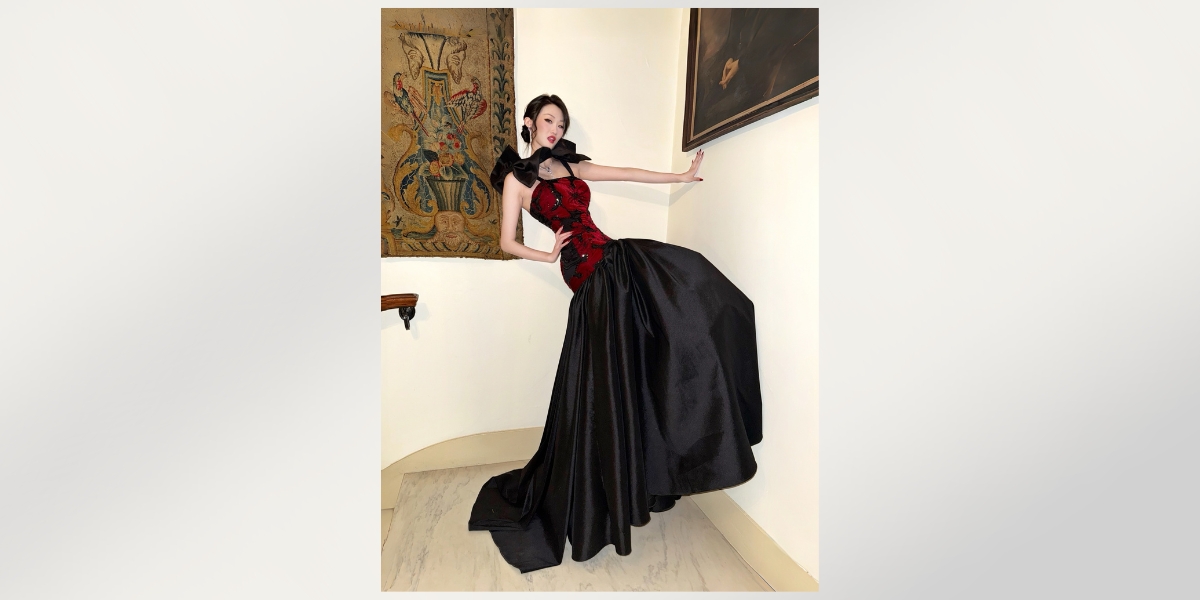
In a defining moment of the show, Meng opened the runway as the first model, wearing a striking red-and-black embroidered gown. The gesture placed the brand’s founder at the center of the visual narrative she helped shape, a rare dual role that reflects her belief that the modern designer is not only a creator of objects but also a visible storyteller.

Rather than remaining behind the scenes, she stepped into the performance herself, dissolving the boundary between sponsor and participant.

Building Across the Fashion Week Ecosystem

Ling Meng Leads lING Jewelry’s Rapid Rise at New York Fashion Week Through Sponsorships, Runway Presence, and Independent Activations

Photo Courtesy: Ling Meng (Dress By: Diana Mahrach Couture. Jewelry By: lING Jewelry)


Meng’s presence extended beyond a single runway.

Through lING Jewelry’s sponsorship of EPN New York Fashion Week, she appeared simultaneously as a brand founder and runway model, while supporting fellow designers, including PALATI 1997. By moving across multiple platforms, she positioned the brand within the broader fashion week ecosystem rather than a single show—a strategic approach that amplifies both visibility and collaboration.

Creating an Independent Creative Salon in Midtown Manhattan

On February 13, 2026, during NYFW, Meng hosted lING Jewelry’s independent pop-up activation on 34th Street, transforming the space into an intimate creative salon where fashion, art, and media converged.

The gathering drew a curated cross-section of New York’s creative scene, including stylist Rafael Yau, a frequent guest at Chanel runway shows; creative director and writer Ludjero Lopes; designer DA Illezzz; and artist Michah Behrend.

Rather than a traditional retail setting, the pop-up functioned as a live platform for conversation, styling, and artistic exchange. At the center was Meng herself, moving among guests and activating the space—not simply presenting jewelry, but constructing a living expression of her growing creative ecosystem.

A Young Brand Already Reaching International Talent

Ling Meng Leads lING Jewelry’s Rapid Rise at New York Fashion Week Through Sponsorships, Runway Presence, and Independent Activations

Photo Courtesy: Ling Meng (Dress By: Diana Mahrach Couture. Jewelry By: lING Jewelry)

Photo Courtesy: Ling Meng (Dress By: Diana Mahrach Couture. Jewelry By: lING Jewelry)

Despite being founded only months ago, lING Jewelry has already been worn by a wide range of figures across fashion and performance, including:

  • Dancer and actor Benjamin Freemantle
  • Supermodels Luma Valen, Akuol Deng Atem, and Haowen Pan
  • Miss New York Rachelle Clavin
  • Stylist Ty-Ron Mayes
  • Stylist Rafael Yau

The speed of this adoption underscores the effectiveness of Meng’s system-driven approach to brand building and her ability to connect with talent across disciplines.

Performance Meets Strategy

Meng’s method is rooted in a multidisciplinary foundation.

Her early training in classical music performance shaped her understanding of stage presence, rhythm, and emotional transmission, while her graduate studies in Design Management at Pratt Institute provided the strategic framework through which she now builds lING Jewelry — not simply as a product-based label, but as an interdisciplinary platform integrating fashion, performance, and spatial experience.

This dual background explains her fluid movement between roles throughout fashion week. Designer, sponsor, model, and producer are not separate identities, but components of a single narrative.

A Founder Building Her Own System

For Meng, New York Fashion Week is not only a showcase — it is a working structure through which she constructs a long-term creative ecosystem.

“lING Jewelry is about connection — between people, energy, and disciplines. I’m not waiting for a system to accept me. I’m building one.”

In less than half a year, she has transformed lING Jewelry from a newly launched brand into an active and visible presence across multiple official NYFW platforms.

More significantly, Ling Meng represents a shift in what an emerging designer can be: not only a creator of objects, but a builder of platforms, a performer of her own narrative, and a catalyst for community within New York’s fashion landscape.

This season marks only the beginning.

How to Choose the Ideal Napa Valley Wine Gift Baskets for Wine Lovers

Napa Valley is globally recognized as one of the most respected wine regions in the world. Known for its exceptional terroir, world-class vineyards, and meticulous winemaking traditions, Napa represents quality, authenticity, and refinement. Choosing a wine gift basket from this region is not just about selecting a bottle; it’s about curating an experience rooted in heritage, craftsmanship, and thoughtful appreciation.

For wine lovers, a Napa Valley wine gift basket should feel personal, meaningful, and distinctive. This guide explains how to choose the ideal basket with intention, knowledge, and authenticity, focusing on quality, balance, and trust rather than branding or excess.

Understand the Recipient’s Wine Profile

The foundation of meaningful gifting begins with understanding the recipient’s taste. Napa Valley produces a wide range of wine styles, and selecting the right profile can be more important than choosing the most expensive bottle.

Common Napa preferences include:

  • Cabernet Sauvignon – bold, structured, complex
  • Chardonnay – elegant, rich, often oak-aged
  • Pinot Noir – refined, light-bodied, aromatic
  • Merlot – smooth, approachable, balanced
  • Sauvignon Blanc – crisp, fresh, vibrant

Matching the wine to the recipient’s palate can transform the gift into a personal experience rather than a generic gesture.

Focus on Authenticity and Origin

True quality begins with provenance. A refined gift basket should clearly reflect Napa Valley’s identity through its wine selection. Authenticity is a core principle of trust-based gifting.

Look for indicators such as:

  • Estate-grown vineyards
  • Appellation labeling
  • Winemaker reputation
  • Vintage transparency
  • Regional production standards

A well-curated basket tells a story of place, land, and craftsmanship—essential elements of credible wine gifting.

Balance Is More Important Than Quantity

Luxury gifting is not about abundance—it is about harmony. The ideal Napa Valley wine gift baskets maintain a balance between wine, gourmet items, and presentation.

Instead of overcrowded baskets, look for:

  • Thoughtful item selection
  • Complementary flavors
  • Clean visual presentation
  • Purposeful pairings
  • Cultural coherence

Refinement comes from restraint, not excess.

Choose Complementary Gourmet Pairings

A premium basket should enhance the wine experience, not distract from it. Pairings should elevate tasting rather than overwhelm the palate.

Examples of thoughtful pairings:

  • Cabernet Sauvignon with dark chocolate, aged cheeses, or roasted nuts
  • Chardonnay with gourmet crackers, honey, or almond biscotti
  • Pinot Noir with artisan jams or truffle-infused products
  • Sauvignon Blanc with citrus cookies or herb-seasoned snacks

Pairing shows knowledge, care, and respect for wine culture—key elements of sophisticated gifting.

Presentation Reflects Perception

Visual presentation shapes emotional response. Elegant baskets communicate value through simplicity, structure, and design.

A high-quality presentation can often include:

  • Natural wood crates
  • Linen or fabric lining
  • Neutral, refined color palettes
  • Structured layouts
  • Minimal decorative elements

A well-presented basket feels curated, not commercial.

Consider the Occasion and Gifting Context

Context defines meaning. A corporate gift, personal celebration, or formal milestone all require different tones of presentation and composition.

Contextual alignment can matter:

  • Corporate gifting → refined, neutral, professional
  • Personal gifting → warm, emotional, expressive
  • Celebratory gifting → elegant, festive, premium
  • Formal gifting → structured, traditional, timeless

Matching the basket style to the occasion can increase its emotional and cultural relevance.

Educational Value Enhances Trust

Expertise and knowledge elevate gifting quality. Wine gifting becomes more meaningful when supported by understanding rather than assumption.

High-trust wine selection is based on: 

  • Knowledge of varietals
  • Regional climate influence
  • Aging methods
  • Production standards
  • Vineyard practices

Cultural Meaning of Napa Valley Wine Gifting

Napa Valley wines symbolize achievement, refinement, and appreciation. Gifting from this region communicates respect, recognition, and value. It’s not just a gift—it’s a message of esteem and trust.

When thoughtfully curated, Napa Valley Wine Gift Baskets represent timeless gifting rather than trend-based consumption. They work equally well in personal relationships, professional environments, and formal cultural exchanges.

Thoughtful Sourcing & Wine Education Platforms

Modern wine gifting benefits from knowledge-based platforms that emphasize education and authenticity rather than commercial pressure. Informational wine culture spaces, such as DC Wine and Spirits, contribute to responsible wine appreciation by helping consumers understand selection standards, wine regions, and quality benchmarks—supporting informed gifting rather than impulse buying.

This knowledge-driven approach can enhance trust and refinement in wine culture.

Avoid Common Mistakes in Wine Basket Selection

Many wine gifts fail not because of quality, but because of poor intention.

Common mistakes include:

  • Choosing based on packaging over wine quality
  • Overloading baskets with unrelated items
  • Ignoring taste preferences
  • Focusing on price rather than meaning
  • Treating wine as a decorative object

Avoiding these will help ensure your gift feels thoughtful rather than transactional.

Final Thoughts

Choosing the ideal Napa Valley wine gift basket is not about luxury branding—it is about knowledge, intention, and authenticity. A truly refined basket reflects balance, cultural understanding, and personal consideration.

The most meaningful wine gifts are built on trust, not trends. They communicate respect, appreciation, and connection through craftsmanship and care.

When selected with insight and integrity, a Napa Valley wine gift basket becomes more than a present—it becomes a lasting expression of elegance, credibility, and thoughtful gifting.

Horseback Safaris in Botswana – Riding Through the Delta in Style

By: Muneeb SEO

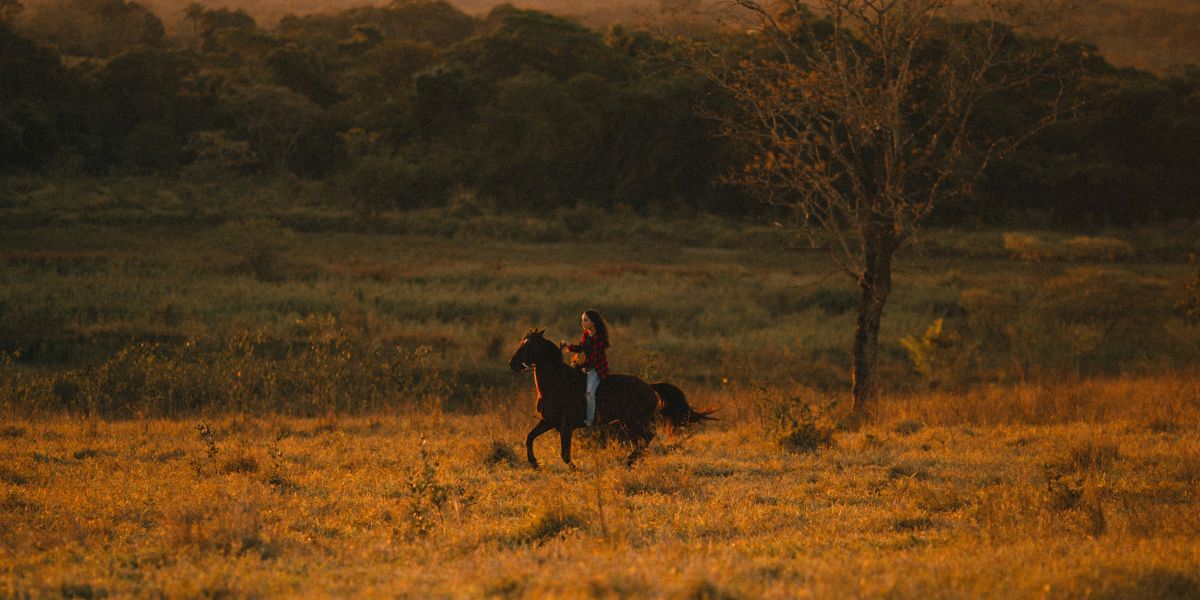
Imagine the soft splash of hooves in crystal-clear water, the sun warming your back as you ride alongside a herd of grazing zebra. This is the reality of a horseback safari in Botswana’s Okavango Delta, an experience that moves beyond simple observation to true immersion. Instead of the hum of a safari vehicle, the soundtrack is the call of a fish eagle and the whisper of the wind through the reeds. This unique way of exploring the African wilderness offers a connection to the environment that is as profound as it is thrilling.

Botswana, a country celebrated for its conservation ethos and vast, unfenced wilderness, provides the ultimate stage for this adventure. The Okavango Delta, a UNESCO World Heritage Site, is a sprawling wetland oasis in the middle of the Kalahari Desert, creating a mosaic of floodplains, palm-fringed islands, and deep lagoons that teem with life. On horseback, you can traverse this dynamic landscape in a way that no vehicle can, making it one of Africa’s most exclusive and sought-after safari experiences.

Why Botswana is Ideal for Riding Safaris

The Okavango Delta is arguably the ideal place in Africa for a horseback safari. Its seasonal floodwaters, which typically arrive between May and June, transform the landscape, creating vast, shallow plains that are ideal for long, exhilarating canter sessions. These water-rich areas are inaccessible to game drive vehicles, meaning your riding group has exclusive access to pristine wilderness and undisturbed wildlife. The horses are well-adapted to the terrain, confidently navigating both dry land and watery passages.

A significant advantage of being on horseback is how other animals perceive you. Wildlife often sees a horse and rider not as a threat, but as another grazing animal. This enables exceptionally close and natural interactions. You can approach giraffes, elephants, and herds of lechwe or buffalo without causing alarm, observing their natural behavior from a respectful distance. The quiet, unobtrusive nature of a riding safari means you are truly part of the scenery, not just a spectator passing through.

“On horseback, you become part of the landscape, not just an observer,” says Frank Steenhuisen, Co-founder and lead safari expert at SAFARI FRANK. “The animals accept your presence, which allows for incredibly serene and close encounters. It’s a return to a more fundamental way of exploring the wild, and there’s nothing quite like cantering alongside a herd of zebra across the floodplains.”

The Horseback Safari Experience in the Delta

A typical day on a riding safari begins just before dawn, when the air is cool, and the animals are most active. After a light breakfast, you’ll mount your well-schooled horse and set out to explore. Rides can last four to six hours, covering diverse terrain from mopane woodland to open grasslands and shallow waterways. The pace varies, from gentle walks while tracking elephants to thrilling canters and gallops across the open plains.

Guides are highly experienced, not only in horsemanship but also in tracking and interpreting animal behavior, ensuring both safety and a rich educational experience. You might follow ancient elephant trails, surprise a shy reedbuck in the tall grasses, or watch a large herd of buffalo move through the landscape. Lunches are often enjoyed back at camp during the heat of the day, followed by a siesta before a shorter afternoon ride or an alternative activity.

Rider Requirements and Safety

Horseback safaris in the Okavango Delta are designed for intermediate to experienced riders. You should be comfortable and confident at all paces, including a walk, trot, and fast canter, over varied and open terrain. The horses are responsive and well-trained, but since you will be riding in an area with potentially dangerous game, the ability to control your horse at all times is important. A good level of riding fitness is also recommended, as you will spend several hours in the saddle each day.

Safety is paramount. Groups are kept small, typically with a maximum of eight riders, and are led by armed, professional guides with extensive local knowledge. Before the first ride, guests receive a comprehensive safety briefing covering how to handle wildlife encounters. For groups with mixed interests, many camps can accommodate non-riders, who can enjoy game drives, walking safaris, or mokoro (dugout canoe) trips while the others are riding.

Luxury Accommodations for Your Riding Adventure

Accommodation on a Botswana riding safari is exceptional, blending rustic charm with high-end luxury. Camps are strategically located to offer prime access to the ideal riding areas and wildlife viewing.

  • Macatoo Camp: Situated in a vast private concession in the western Okavango Delta, Macatoo Camp is a premier destination specifically for horseback safaris. Its luxurious, spacious tents are set on raised platforms, offering panoramic views of the surrounding floodplains. With a stable of around 50 well-schooled horses, it caters to various riding abilities and offers a flexible and thrilling riding experience.
  • Duba Plains Camp: Located in the northern part of the Delta, Duba Plains Camp is renowned for its exceptional predator sightings. This top-end camp offers an intimate, exclusive atmosphere, ideal for those seeking to combine thrilling wildlife action with luxurious comfort after a day in the saddle.
  • Gomoti Plains Camp: Overlooking the Gomoti River, this high-end camp provides a classic safari experience in a wildlife-rich area. Its elegant tents and expansive main lodge offer a comfortable base from which to explore the surrounding floodplains on horseback or by vehicle.

Planning Your Botswana Riding Safari

A successful riding safari depends on careful planning, from selecting the right itinerary to matching you with the ideal horse. At SAFARI FRANK, we specialize in creating bespoke equestrian adventures like the 5-Night Riding Safari in the Okavango Delta. We handle all the details, ensuring your skill level is matched with the appropriate ride and that your accommodations meet the highest standards of luxury and service.

We can also design a more comprehensive itinerary that combines your time in the saddle with other iconic Botswana destinations. You might pair the wetlands of the Delta with the stark beauty of the Kalahari Desert or the elephant-rich environment of Chobe National Park. Our expertise ensures a seamless, unforgettable experience from start to finish.

When to Visit for the Ideal Riding Conditions

While the Okavango Delta offers a fantastic experience year-round, the ideal time for a riding safari depends on what you want to see. The peak dry season, from June to October, is when the annual floodwaters are at their highest. This period offers the iconic water-crossing experience, with abundant wildlife congregating around the floodplains. The weather is characterized by clear skies and sunny days, though mornings and evenings can be cool.

The shoulder months of April, May, and November provide a balance of pleasant weather and excellent game viewing. The landscape is greener, and birdlife is particularly prolific. The “green season,” from December to March, brings lush vegetation and newborn animals, offering a different but equally rewarding photographic and riding experience.

A horseback safari in Botswana is more than just a holiday; it is a profound way to connect with Africa’s wilderness. It offers adventure, elegance, and a perspective on wildlife that few ever get to witness. By trading the safari vehicle for a saddle, you step into a world of quiet intimacy and thrilling freedom, creating memories that will last a lifetime.

About Frank Steenhuisen

Frank is the lead safari expert at specialists in exclusive safari adventures in SAFARI FRANK, helping travelers experience Africa’s wildlife safely and sustainably. Learn more at SAFARI FRANK.

What Authors Should Know Before Choosing a Publishing Service Provider

By: Content Strategy Division, Novella Publishers

Mark spent three years writing his memoir. He poured everything into it. When traditional publishers passed, he started looking at other options and stumbled into a company that appeared to offer everything. Six months and $4,000 later, he had a poorly edited book with a clip-art cover that left him dissatisfied. The company stopped responding to his inquiries.

Stories like Mark’s can sometimes be found. The publishing services industry has expanded in recent years, and while many companies do reliable work, others might take advantage of writers who don’t know what questions to ask.

The Wild West of Modern Publishing

Big publishing houses reject somewhere around 99% of submissions. Agents are swamped. For most writers, especially debut authors without connections, breaking in through traditional channels may feel almost impossible.

That gap has created opportunities. Publishing service providers now offer everything from editing to cover design to distribution, all for a fee. Authors pay out of pocket but keep their rights. The model makes sense in theory.

Problems start when writers mistake a flashy website for a sign of competence. Anyone can create a professional-looking homepage and call themselves a publisher these days.

What Authors Should Know Before Choosing a Publishing Service Provider

Photo Courtesy: Novella Publishers

Contracts Hide the Ugly Stuff

Sandra, a romance novelist from Ohio, learned this the hard way. She signed with a provider that seemed like a perfect fit during the sales pitch. Months later, when she wanted to switch distributors, she discovered her contract gave the company exclusive control for five years.

“I felt so stupid,” she said. “Everything was right there in the paperwork. I just didn’t read carefully enough.”

Authors need to treat these contracts like buying a house. Read every page. Highlight anything confusing. Ask a lawyer if possible. Key things to look for: Who owns the final files? Can the author terminate at any time? Are there hidden fees for revisions or changes?

Legitimate companies tend to be transparent and will walk through the contract clause by clause if asked.

What Authors Should Know Before Choosing a Publishing Service Provider

Photo Courtesy: Novella Publishers

Samples Don’t Lie

One trick that separates good providers from bad ones is to look at their actual work.

Request samples. Examine the book covers they designed. Read pages from manuscripts they edited and check formatting on both Kindle versions and print copies. If a company hesitates to share examples, that hesitation could be a red flag.

Quality in this industry runs from exceptional to below expectations. Some smaller providers produce work that rivals anything from major houses. Others may produce books that appear self-published from a distance.

Reviews help, too, but not the ones on company websites. Those get curated. Dig into independent forums where authors discuss their experiences honestly. Reddit threads and Facebook groups for indie writers often contain warnings about specific companies. People who have had negative experiences want others to know.

How They Treat You Now Is How They’ll Treat You Later

Before money changes hands, most companies act friendly and responsive. The real test comes after.

Still, clues exist early on. Does the salesperson actually listen or just barrel through a script? When asked specific questions, do answers come back clear and direct? How long do emails sit before getting a reply?

Publishing a book involves months of back-and-forth. Cover revisions, editing rounds, formatting tweaks. Authors need partners who stay engaged when things get tedious, not just during the honeymoon phase.

Not Everyone Needs a Provider

Some authors don’t need these services at all. Writers comfortable with technology can handle formatting themselves. Those with design skills can create their own covers. Plenty of freelance editors charge less than full-service packages.

But for authors who want professional results without becoming project managers, a good provider can simplify the process.

Rushing this decision doesn’t always end well. Writers should talk to multiple companies, compare offerings, and trust their gut when something feels off. The right partner could make the publishing journey smoother. The wrong one may turn a dream into a nightmare.

A confident woman in her 30s holding a professionally designed hardcover book, smiling proudly. She stands in a bright, modern space like a bookstore or office with bookshelves in the soft background. The book cover looks polished and high-quality. Natural lighting, warm and optimistic mood. Editorial photography style, portrait orientation.

One Provider Getting It Right

Novella Publishers has carved out a reputation for doing things differently. The New York company handles ghostwriting, editing, design, and marketing in-house rather than outsourcing to random freelancers. Authors work with the same team from start to finish and keep full ownership of their books. For writers tired of horror stories and looking for a partner they can trust, Novella Publishers offers a free consultation through their website at novellapublishers.com.

Disclaimer: This article contains information about Novella Publishers’ services and offerings. While we strive to provide accurate and up-to-date information, readers should conduct their own research and due diligence before engaging with any publishing services. This content is for informational purposes only and should not be considered as professional advice. Some details about services, pricing, and availability may change over time.

Ash Wednesday 2026: A Simple Guide to the Start of Lent in the US

The start of Lent marks a significant moment for millions of people across the United States. This period of forty days leads up to Easter Sunday, which falls on April 5, 2026. Ash Wednesday, observed on February 18, serves as the gateway to this season. It is a day defined by ancient traditions, physical symbols, and a collective shift in daily habits for many American communities.

The Symbolism of the Ashes

The most recognizable feature of the day is the application of dark grey ashes on the forehead. These ashes are created by burning palm branches used during the previous year’s Palm Sunday celebrations. In churches from New York to California, clergy members mark the foreheads of the faithful with the sign of a cross.

While the ceremony takes place inside traditional church buildings, many urban areas in the US have adopted a practice called “Ashes to Go.” This involves ministers standing at subway entrances, train stations, and busy street corners in cities like Chicago and Washington, D.C. This allows busy workers and commuters to receive the blessing during their morning travels. The gesture serves as a public reminder of mortality and the need for internal change.

Modern Observance and Social Media

In the digital age, the observance of Ash Wednesday has moved beyond physical church walls. The “Ash Tag” trend remains popular on platforms like Instagram and X, where users post photos of their ash-marked foreheads. This helps people feel connected to a wider community, especially those who may live in areas where their faith is less visible.

However, religious leaders often remind participants that the day is about more than a public image. Bishop Robert Barron, a prominent figure in the American Catholic Church, has noted the deeper meaning behind the ritual:

“The ashes are a sign of our repentance. They are a sign that we are turning away from our own egos and toward the light of Christ.”

This sentiment captures the dual nature of the day: it is both a personal, private commitment and a visible sign of belonging to a global tradition.

Fasting and Dietary Changes in the US

Ash Wednesday 2026 A Simple Guide to the Start of Lent in the US

Photo Credit: Unsplash.com

Ash Wednesday is a day of fasting and abstinence for those in the Catholic and some Protestant traditions. For adults between the ages of 18 and 59, the rules typically involve eating only one full meal and two smaller meals that do not equal a full meal. Additionally, those 14 and older refrain from eating meat.

This practice has a noticeable impact on the American food industry. Restaurants and fast-food chains often launch seasonal seafood menus during this time. In the Midwest and Northeast, “Friday Fish Fries” have become a major cultural event. In cities like Milwaukee and Pittsburgh, local parishes host community dinners where fried fish, pierogies, and coleslaw are served. These events often bring together people from different backgrounds, turning a religious requirement into a neighborhood social tradition.

The Concept of Giving Up and Giving Back

The forty days of Lent are often associated with “giving up” a specific luxury or bad habit. Common choices among Americans include chocolate, soda, or social media. The goal is to practice self-discipline and redirect focus toward more meaningful pursuits.

In 2026, many US religious leaders are encouraging a shift from “giving up” to “giving back.” This involves taking on new positive habits, such as volunteering at local food banks or donating to charities. The emphasis is on active service rather than just passive sacrifice. Pope Francis, whose messages are widely shared by US bishops, has previously emphasized this approach:

“Lent is a favorable season for opening the doors to all those in need and recognizing in them the face of Christ.”

Weather Challenges and Virtual Services

In various parts of the United States, winter weather often plays a role in how Ash Wednesday is observed. In 2026, heavy snow across the Great Lakes region and the Pacific Northwest led some churches to offer “drive-through” ashes. This allowed people to remain in their cars for safety while still participating in the ritual.

Furthermore, the rise of digital technology allows those who are homebound or living in remote areas to join services via live stream. Many American cathedrals now broadcast their Ash Wednesday masses, ensuring that everyone can participate regardless of their physical location or the weather outside.

A Time for Reflection

While the US is a diverse nation with many different beliefs, Ash Wednesday remains a significant cultural touchstone. It signals a period of quiet and reflection in a culture that is often fast-paced and noisy. Whether through the mark of ashes, the discipline of fasting, or the act of volunteering, the day invites people to pause and consider their values.

The season of Lent is not just about the items people stop consuming. It is about the person they hope to become by the time Easter arrives. By focusing on humility and community service, the observance of Ash Wednesday continues to hold a deep relevance for many people across the United States.

Would you like me to find specific data on how US seafood sales typically increase during this season to add more detail to the article?