How to Choose a Reliable Location Tracking App for Family Safety in 2026

In today’s fast-moving world, staying connected to family members is no longer just about convenience — it’s about safety, coordination, and peace of mind. Parents may seek reassurance that children arrive at school safely, while adult children might want to check in on aging parents. Families juggling busy schedules often rely on real-time updates to stay synchronized.

Location tracking technology has evolved significantly in recent years. Modern family-oriented solutions now combine live GPS tracking, smart notifications, geofencing, and privacy controls into streamlined mobile experiences. However, with so many options available, choosing the right solution requires understanding what truly matters.

This guide outlines the essential elements that define a reliable family location tracking app in 2026.

Real-Time Accuracy Without Complexity

At its core, a family tracking solution should provide dependable real-time location updates. Accuracy is important — especially when monitoring school commutes, travel routes, or unfamiliar areas.

Apps such as iSharing, a free location tracking app with accurate tracking, demonstrate how modern GPS technology can deliver precise updates while remaining easy to use. The ideal solutions typically:

  • Combine GPS, Wi-Fi, and cellular signals for improved precision

  • Offer live map updates with minimal refresh delay

  • Optimize battery consumption during active tracking

  • Provide intuitive setup for creating private family groups

When location data is both accurate and simple to access, families can check in quickly without frustration.

Smart Alerts That Add Value (Not Stress)

The most effective tracking tools go beyond showing dots on a map. They provide contextual alerts that help families act when needed.

Common alert features include:

  • Arrival and departure notifications for saved locations (home, school, work)

  • Geofence alerts when someone enters or leaves a designated area

  • Emergency or SOS alerts with instant location sharing

  • Driving behavior notifications such as sudden stops or speeding (where appropriate)

Smart notifications help reduce the need for constant manual checking while still keeping everyone informed.

Privacy Controls and Secure Sharing

Family safety should never come at the cost of personal privacy. In 2026, users expect strong data protection standards and transparent controls.

A trustworthy location app should:

  • Allow users to control who can see their location

  • Offer encrypted data transmission

  • Provide options to pause sharing

  • Clearly explain how data is stored and used

Families should feel empowered — not surveilled. Consent-based sharing helps foster trust and long-term usability.

Cross-Platform Compatibility

Modern families rarely use a single device ecosystem. Some members may use Android devices, others iPhones, tablets, or web browsers.

An ideal tracking solution works smoothly across platforms and:

  • Supports both major mobile operating systems

  • Allows browser-based viewing when needed

  • Syncs consistently across devices

  • Doesn’t require complex device-specific configurations

Seamless integration ensures no one is excluded from staying connected.

Flexible Sharing Options

Not all situations require 24/7 monitoring. Sometimes families only need temporary check-ins — such as during travel, meet-ups, or late-night rides home.

Many modern solutions now offer:

  • Time-limited location sharing

  • Link-based live tracking

  • Adjustable sharing durations

  • Battery-efficient short-term tracking modes

This flexibility allows families to balance safety with independence.

Location History and Context

In addition to live tracking, some families benefit from reviewing movement history. This can help clarify routes taken, confirm arrival times, or retrace steps if something goes missing.

When available, location history should:

  • Be optional and user-controlled

  • Include timestamps and route information

  • Allow easy deletion of past data

  • Respect privacy settings

Used responsibly, history features can help provide reassurance without being intrusive.

Summary

Reliable family location tracking is not about constant surveillance — it’s about connection, preparedness, and peace of mind. The ideal solutions in 2026 prioritize accuracy, intelligent alerts, strong privacy protections, and flexible sharing options.

When choosing a location tracking app, focus less on brand names and more on the features that align with your family’s needs. Consider your priorities — real-time precision, encrypted sharing, cross-platform support, or temporary check-ins — and select a solution that strikes the right balance between safety and autonomy.

With thoughtful use and clear communication, location tracking technology can strengthen family coordination and provide confidence in an increasingly busy world.

The Eight-Word Question You Won’t Stop Replaying

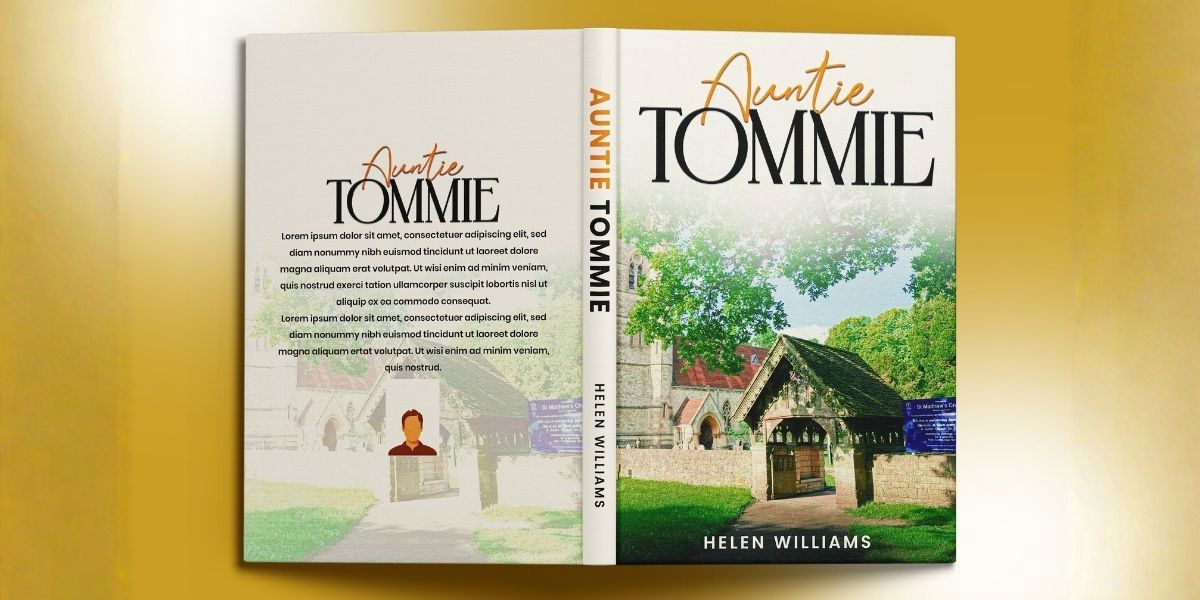
Tommie turns a simple instruction into a psychological thriller of conscience.

There is a particular kind of sentence that looks harmless until it attaches itself to your life.

Not a confession. Not a threat. Not even a promise. Just a directive, delivered quietly, as if it were common sense. The kind of phrase people say when they want the messy parts of existence to stay tidy. The kind of phrase you think you understand right up until the moment you realize it has no stable meaning at all.

In Tommie by Teresa, that sentence arrives like a sealed envelope slid across the table. It is personal, intimate, oddly tender, and also devastatingly non-specific. It contains the moral equivalent of a blank check. It asks the protagonist, and by extension the reader, to decide what goodness means when nobody is grading you, and when the “right” outcome is not posted anywhere.

This is the novel’s first seduction: it creates suspense not by asking “what happened?” but by asking “what do you do now?” That question is far more dangerous, because it does not let you remain a spectator. It forces you to audit your instincts.

Most of us like to believe we are decent. We like to imagine our ethics are practical, portable, ready on demand. We tell ourselves that if we were ever presented with a clear moral test, we would pass it without hesitation. Tommie is written for the darker, truer suspicion: that the hardest tests do not arrive labeled. They arrive disguised as opportunity. They arrive wrapped in gift paper. They arrive with enough ambiguity to let you rationalize almost anything.

The book’s voice is one of its sharpest instruments. It is intimate without being confessional, witty without being cute. It can make you laugh and then, a paragraph later, make you uncomfortable about why you laughed.

The humor is not decoration. It is a pressure valve for a mind watching itself behave badly, behave nobly, behave selfishly, behave sincerely, sometimes in the same hour. That tonal intelligence is what makes the book feel not only entertaining, but true.

And entertaining it is. Tommie has the snap and forward pull of a story that understands narrative appetite. Pages turn because questions accumulate. Small details refuse to stay small. A seemingly manageable situation begins to radiate implications. The protagonist’s choices become a kind of live wire. Each decision changes what the next decision will cost.

But the novel’s deeper pleasure is the way it depicts moral thinking as a physical experience. You can feel the protagonist’s mind flinch, reach, bargain, and recalibrate. The book is fascinated by the gap between the person you think you are and the person you become when circumstances shift. Not in a melodramatic way. In a recognizably human one.

That human scale is part of what makes Tommie so addictive. The story does not rely on spectacular villainy or cartoonish heroism. It relies on the subtler terror of ordinary life suddenly refusing to be ordinary. It relies on a question that cannot be answered once, cleanly, and then shelved. The question keeps returning in different clothes: responsibility, fairness, loyalty, silence, disclosure, repair. You read expecting a plot. You keep reading because you are watching a conscience form in real time.

There is also a quietly radical undercurrent to the book’s premise. Tommie is interested in what happens when goodness is not performative. When no one is clapping. When you could do something easy and nobody would blame you for doing it. When you could keep quiet, live comfortably, and tell yourself you were not harming anyone. The novel understands how often “the right thing” is not an act of generosity, but an act of courage. Not just courage in public, but courage in the private courtroom of your own mind.

The result is a rare kind of page-turner: one that feels morally suspenseful. You are not only curious about outcomes. You are curious about character. You want to know what the protagonist will do, yes, but also what kind of person she will allow herself to become. The book makes that transformation feel both surprising and inevitable, the way real change does.

If you have ever been haunted by a sentence you wished you could forget, if you have ever realized too late that your life was asking you to choose, Tommie will get under your skin. It sells intrigue. It delivers something more lasting: the sensation that you have been pulled into a story that is also, uncomfortably, a mirror.

George Beaton Illuminates the Future of Legal Services

Dr. George Ramsay Beaton is an internationally respected strategist and commentator on the structure and future of professional services. Born and educated in South Africa, he trained as a physician before shifting his focus toward research, education, and business leadership. He has served as a senior fellow at one of Australia’s leading universities, advised pioneering legal organizations, and played an influential role in defining how traditional law firms and alternative legal providers are increasingly competing in modern markets. Beyond consulting, he has built industry benchmarking systems and platforms that play a role in shaping how firms measure performance and client value. He is now on a journey to publish his latest work, a publication that brings together his experiences across medicine, law, academia, and global consulting to offer a forward-looking vision for the legal profession.

In NewLaw New Rules: A Conversation About the Future of the Legal Services Industry, internationally recognized thought leader Dr. George Beaton brings readers into one of the most important conversations taking place in the global professional world today. With clarity, depth, and a remarkable ability to translate complex industry forces into accessible insights, Beaton examines how the legal profession is shifting from a world defined by tradition to one shaped by innovation and changing client expectations. The book captures a moment of profound transition, inviting readers to reflect on how the legal services sector might need to adapt in order to remain relevant, effective, and trusted in the twenty-first century.

Drawing on decades of research, consulting experience, and close observation of professional services firms, Beaton highlights how the long-established BigLaw model faces growing pressures from clients who now demand efficiency, transparency, measurable value, and increasing alignment with their business priorities. Through a rich collection of perspectives contributed by academics, consultants, legal leaders, and innovators from around the world, the book offers a panoramic view of an industry waking up to the reality that traditional approaches may no longer be sufficient. These voices come together to form an engaging and insightful narrative about a profession that appears to be on the verge of reinvention.

Beaton explains that NewLaw represents more than simply a new category of firms. It reflects a broader movement toward modernized service delivery, data-informed decision-making, flexible structures, and client-centered approaches. In contrast, BigLaw is described as the traditional model many firms still follow, one that has long relied on hourly billing, hierarchical decision-making, and partnership structures that can slow the pace of change. The book outlines how these models may respond differently to shifts in the marketplace and why firms that cling to older habits may face challenges keeping up with competitors who embrace technology, alternative pricing, and new workforce expectations.

One of the compelling aspects of NewLaw New Rules is its origin story. The content grew out of an online discussion that quickly expanded beyond anything Beaton initially anticipated. What began as a thoughtful blog post evolved into a global dialogue involving professionals from Australia, Europe, North America, and Asia. Readers shared insights about legal innovation, client power, disruptive technologies, and long-overdue reforms in service delivery. This organic, international conversation became the foundation for the book, making it a truly collaborative exploration.

Throughout the book, readers encounter clear explanations of the forces reshaping the profession. These include advances in digital tools, the rise of in-house legal teams, changes in client purchasing behavior, and the growing influence of legal operations professionals. Beaton also addresses broader cultural shifts within the profession. Many younger lawyers want careers that offer flexibility and purpose, rather than the rigid, time-intensive pathways that have defined BigLaw for decades. This generational movement adds further momentum to the need for change.

The book provides practical guidance for legal leaders who want to better understand the factors influencing their firms and plan effectively for the future. It outlines ways organizations can evaluate their business models, reshape client relationships, strengthen leadership capabilities, and adopt new approaches to pricing and service delivery. Beaton’s research-driven perspective equips readers with the tools to think strategically rather than reactively.

As the conversation unfolds, the book also honors the importance of trust within the profession. Beaton emphasizes that the responsibility lawyers hold is unique. Legal professionals are guardians of justice, ethics, and social stability. Adapting to modern expectations can strengthen these responsibilities by allowing lawyers to serve clients in more accessible and efficient ways.

NewLaw New Rules offers readers a message of possibility. The world of legal services is undergoing change, but change should not be feared. Firms that embrace innovation are more likely to build stronger relationships, create healthier career paths, and contribute positively to a rapidly evolving global economy.

Disclaimer: The information provided in this article is for general informational purposes only and does not constitute legal advice. While every effort has been made to ensure the accuracy of the content, no representation or warranty is made regarding the completeness, reliability, or suitability of the information provided. Readers are advised to consult with a qualified legal professional for advice regarding their specific legal situation.

Three Heartbeats Brings Gentle Lessons on Love, Loss, and Healing to Young Readers Through a Story of Pet Companionship

A new children’s title is inviting families to explore the tender terrain of love, loss, and emotional healing through the comforting lens of animal companionship. Three Heartbeats, written by author Collins Ashley, has been officially released by USA Publishing Hub in partnership with Holy Shift Media LLC. Designed for young readers but meaningful for adults as well, the book offers a gentle and accessible story about grief, remembrance, and renewed joy.

At its center is Anna K., a woman whose daily life is deeply intertwined with the companionship of her beloved cat, Isabel. Their bond is portrayed with warmth and simplicity, allowing children to recognize the comfort, routine, and emotional security that pets often bring into a household. When Isabel passes away, the story does not avoid the sadness that follows. Instead, it presents loss in a calm, age-appropriate manner, acknowledging the quiet and emotional disruption that can accompany saying goodbye to a cherished companion.

Rather than rushing past grief, the narrative gives it space. Young readers see Anna K. move through sorrow in realistic steps — remembering, missing, and gradually adjusting. This pacing is one of the book’s key strengths. It mirrors how children experience loss: not as a single moment, but as a process filled with questions, feelings, and reflection. Parents and educators may find the story especially useful as a conversation starter, helping children put words to emotions that can otherwise feel confusing or overwhelming.

Hope re-enters Anna K.’s world when she adopts two sister kittens, Pixie and Scout. Their arrival does not replace Isabel — and the book is careful to make that distinction clear — but it shows how the heart can expand rather than substitute. Love is not presented as limited or transferable, but renewable. Through this transition, the story communicates a reassuring message: forming new bonds does not diminish old ones. Instead, it honors them by allowing their impact to continue shaping future relationships.

The storytelling style is intentionally straightforward and heartfelt, making it accessible for early and middle-grade readers. The emotional themes are balanced with gentle moments of warmth and connection, ensuring the book never feels heavy despite its serious subject matter. This balance makes it suitable for shared reading between adults and children, where discussion and reassurance can happen naturally alongside the narrative.

Children’s literature has increasingly embraced emotionally intelligent themes in recent years, and this book fits well within that movement. By focusing on pet companionship — often a child’s first close experience with loss — the story meets young readers in familiar territory. Many families consider pets to be members of the household, and their passing can be a child’s first encounter with grief. Stories like this help normalize those feelings and show that sadness and healing can coexist.

Beyond its narrative, the book serves as a resource — a gentle bridge for families navigating difficult emotional conversations. It reinforces that grief is not something to hide from children but something that can be explained with care, honesty, and compassion. Most importantly, it leaves readers with reassurance: love does not end with loss. It changes shape, finds new expression, and continues forward — heartbeat by heartbeat.

Availability: The eBook is currently available on Amazon: View on Amazon

For updates, print editions, and media inquiries, visit: USA Publishing Hub

NYC’s Go-To Option for a More Relaxed Airport Transportation Experience

Traveling to and from New York City airports can feel overwhelming. Between unpredictable traffic, crowded terminals, and tight flight schedules, even seasoned travelers experience stress. Yet, frequent flyers and busy professionals know a simple secret that can transform the airport journey entirely—private car services.

Instead of relying on last-minute rideshares or navigating public transportation, savvy New Yorkers choose reliable options like chauffeur service NYC, JFK airport car service, and limousine service New York City to help make the airport transfers as smooth and stress-free as possible.

The Real Challenge of NYC Airport Travel

New York’s major airports handle millions of passengers each year. Traffic congestion around JFK and other terminals often leads to unexpected delays. Rideshare surge pricing, driver cancellations, and confusing pickup zones can add frustration to an already hectic day.

For business executives, families, and international travelers, even a small delay might disrupt an entire schedule. That is why dependable airport transportation is often considered an essential part of smart travel planning in NYC.

Chauffeur Service NYC: Precision and Professionalism

One of the most reliable solutions to consider is booking a professional chauffeur service NYC. Unlike standard taxi services, chauffeur-driven vehicles operate on scheduled reservations with dedicated drivers who prioritize punctuality.

Professional chauffeurs monitor traffic conditions and plan routes strategically to avoid delays. They arrive early, assist with luggage, and help passengers enjoy a comfortable, private environment during the ride. For business travelers, this offers the ability to take calls, review documents, or relax before a flight without distraction.

In a city where timing is critical, a well-prepared approach makes all the difference.

JFK Airport Car Service: Seamless Terminal Transfers

For travelers flying in or out of JFK, a reliable JFK airport car service can eliminate uncertainty. These services typically include flight tracking, ensuring that pickups are adjusted in real time for early arrivals or delays.

Instead of waiting curbside or searching for your driver in a crowded pickup area, passengers are met promptly and guided to a luxury vehicle. The experience is structured, smooth, and predictable—exactly what travelers need after a long flight or before an important departure.

Families appreciate the spacious interiors and luggage capacity, while executives value the quiet atmosphere that allows them to stay productive.

Limousine Service New York City: Travel with Elevated Comfort

For those who want to combine efficiency with elegance, limousine service New York City offers a premium airport experience. Limousines provide spacious seating, refined interiors, and professional chauffeurs trained in high-level service standards.

Beyond luxury, limousines provide reliability. Scheduled bookings reduce last-minute stress, while experienced drivers work to guarantee timely arrivals. Whether heading to a corporate event directly from the airport or arriving home after international travel, a limousine can transform the journey into a relaxing extension of the trip.

For VIP clients and high-profile professionals, this elevated level of service can provide both comfort and discretion.

Why Private Car Services Outperform Rideshares

The difference between private car services and standard rideshare options becomes clear during peak travel hours. Private services offer:

  • Scheduled Availability: No waiting for driver acceptance.
  • Flight Monitoring: Adjusted pickups based on real-time flight updates.
  • Professional Chauffeurs: Experienced drivers focused on safety and efficiency.
  • Comfort and Privacy: Premium interiors for relaxation or productivity.
  • Transparent Pricing: No sudden surge fees during busy periods.

These advantages explain why many New Yorkers prefer professional transportation for airport travel.

A Smart Investment in Peace of Mind

Airport transportation might seem like a small detail, but it often sets the tone for the entire trip. Stress at the beginning or end of a journey can overshadow an otherwise smooth travel experience.

Booking a trusted chauffeur service in NYC, dependable JFK airport car service, or refined limousine service in New York City removes uncertainty, making travelers feel more confident knowing their ride is scheduled, monitored, and managed by professionals.

In a city known for its fast pace and constant movement, peace of mind can be invaluable.

Summary: The Secret to Effortless Airport Travel

New York City offers countless transportation options, but seasoned travelers understand that private car services are often considered the go-to option for stress-free airport transfers.

By choosing a chauffeur service NYC, securing a reliable JFK airport car service, or elevating the experience with limousine service New York City, travelers can experience punctuality, comfort, and professionalism every time they head to the airport.

In the end, the smartest way to travel in NYC isn’t just about reaching your destination—it is about arriving calm, prepared, and completely stress-free.

Gift Basket New York: What Makes Premium Gift Hampers So Popular in NYC

New York City has been a city of fast-paced life, cultural diversity, and an advanced lifestyle. In such a culture, where time is important and standards are high, high-quality gift hampers are a popular way to celebrate achievements, thank someone, and maintain a business relationship. Customized gift baskets are also becoming a viable but elegant alternative to contemporary gifting, both at the corporate offices in Midtown and on the family occasion back at Brooklyn.

The Appeal of Convenience Without Compromise

Convenience is one of the primary reasons premium gift hampers have thrived in New York. City residents often have tight schedules and cannot afford to visit multiple shops to create a gift themselves. An expertly curated hamper removes this burden by providing a ready-to-eat selection of quality items packaged in a stylish format.

Convenience does not, however, imply compromising on quality. Most high-end baskets include wines, fine snacks, and gourmet treats carefully selected to reflect sophisticated taste. This balance of comfort and superiority appeals to individuals and businesses alike.

For example, curated options such as a thoughtfully designed wine gift basket new york provide a polished way to send a memorable gift while saving time on planning and presentation.

A Reflection of New York’s Sophisticated Tastes

New York is a place that values the art of craft and presentation. It is a country where attention to detail is valuable, whether in dining, fashion, or hospitality. Elegant packaging, theme matching, and high-end products are all expressions of this sense in premium gift hampers.

A well-designed hamper is often perceived by recipients as more valuable than an individual item, as it signals an effort to select complementary items. Fine wine, artisanal foods, and luxury packaging are a blend of thoughtfulness and attention to detail, which can be essential in personal and business interactions.

Ideal for Corporate and Professional Gifting

One of the key drivers of the luxury hamper’s success in NYC is corporate gifting. Companies often send gifts to customers, colleagues, and others to celebrate success, holidays, and other occasions. Gift baskets are a versatile option that gives them a professional appeal and can be received by a wide range of people.

Premium hampers are also easier to logistically. Numerous delivery services are provided in different boroughs and areas, which simplifies the organization of multiple gifts at the same time by companies. This consistency is critical in a business world where time and presentation matter.

Moreover, gift baskets can be tailored to the brand values or event themes and made even more attractive to the corporate clients.

Versatility for Every Occasion

The flexibility of premium gift hampers is another factor that makes them very popular in New York. They are suitable for birthdays, anniversaries, housewarmings, thanks-yous, and seasonal parties. The fact that it offers options on the choice of the theme, be it gourmet, wine pairings, or celebratory choices, implies that there is an option for almost every occasion.

A refined champagne gift basket is a good example of how a single hamper category can suit multiple events, from promotions and weddings to holiday parties and milestone celebrations.

Because these gifts are both useful and commemorative, they attract a wide range of audiences and reduce the uncertainty that accompanies selecting a personal gift.

The Influence of Presentation and Experience

The current gift culture is more about the experience than the gift. The process of opening a high-quality hamper is typically event-based and includes multiple layers of products and an appealing look. This discovery enhances the gift’s emotional value.

This experiential component brings a lot of value to the city where everyone wants to experience something memorable all the time. The gift becomes part of the presentation, leaving a lasting impression that extends beyond the items enclosed.

Growing Awareness of Gifting Trends

Tastes of the consumers keep changing, and gift baskets have taken that into consideration. Sustainability, artisan products, and planned themes are gaining traction with consumers who want their gifts to be modern and relevant.

Readers interested in broader shifts shaping the industry can explore insights in Gift Baskets in 2026: Trends Shaping the Future of Gifting, which highlights emerging preferences and innovations influencing how people select and send gifts.

Awareness of these trends helps explain why premium hampers are not going away and are becoming increasingly popular, even in urban areas such as New York.

A Practical Choice for Urban Living

The gift baskets are also attractive, given the space constraints and busy schedules. A curated hamper, unlike a large or very specific gift, usually includes consumables that can be shared and eaten. This convenience makes it a preferred option for recipients who live in apartments or have busy schedules.

Moreover, the option to deliver a gift to the recipient’s door is particularly useful in a city where commuting and travel can take excessive time. Delivery services are reliable, and hence it is easy to send well-planned gifts even on short notice.

The Future of Premium Gift Hampers in NYC

With personalization, quality, and convenience still influencing consumer behavior, luxury gift hampers are expected to remain a popular design in New York City. Customization, packaging, and sourcing will also be improved to make products more appealing to customers and ensure they remain relevant to contemporary customer needs.

Finally, the popularity of high-end gift baskets in NYC is reduced to one simple formula: they appeal to local consumers by combining class, utility, and emotional appeal in a way that does not clash with the area’s lifestyle. Whether in business relationships or personal gatherings, a carefully designed hamper is a valuable form of connection that will not date in a city of relationships and experiences.

When Healing Hands Write Poetry: How Debra “FoFeet” Warren Channels Spirit into Verse

In a world that often separates science from spirit, Debra “FoFeet” Warren moves between both realms with the grace of a healer and the vision of a poet. For over three decades, she has served as a registered nurse, tending to the physical body with clinical precision, while also working with the subtle energies that animate it. This dual practice has forged a unique creative voice: one that hears poetry with “two feet on Earth and two feet in Spirit.” Her debut collection, FoFeet Fables: UpLifted (From the Fifth), is not merely a book of poems; it is a diagnostic tool for the soul and a prescriptive guide for spiritual awakening.

When Healing Hands Write Poetry: How Debra “FoFeet” Warren Channels Spirit into Verse

Photo Courtesy: Debra “FoFeet” Warren

Listening with More Than Ears: The Nurse’s Gift

A nurse learns to hear pain long before it is spoken, to read it in a clenched jaw, a shallow breath, a weary glance. FoFeet has spent years in this sacred space of silent witnessing, and it is here that her poetic voice was honed. Poems like “Payne Rescue” emerge directly from this landscape of human vulnerability. The poem explores how personal pain can be alchemized into purpose, a concept she knows intimately. In the accompanying fable, she writes: “From personal pain, self-development emerges… God seems to grow when a person gives up, moving self out of the way leaves room for God to show up.”

This is the nurse-poet at work: identifying the wound, not to dwell in it, but to reveal its potential for healing. Her clinical background strips away sentimentality, offering a clear-eyed, compassionate diagnosis of the human condition.

The Creative Method: Two Feet in Spirit

While her nursing background grounds her in the tangible, her connection to the spiritual realm opens the channel to the transcendent. Her creative philosophy is built on this balance. The “two feet in Spirit” represent her connection to divine flow, intuition, and universal energy. This is where poems like “Asking Ashley” are born, from listening to the “soft whispers placed in her spirit.”

Her process is a form of spiritual receptivity. She doesn’t force words; she allows them to arrive naturally, much like a healer allowing energy to flow through them for transformation. This method yields poetry that feels less constructed and more channeled, offering readers not just words but frequencies of peace and insight.

The Prescription: A Soul Workbook for Spiritual Health

True to her healer’s ethos, FoFeet has designed her book to be interactive, moving beyond passive reading to active participation. After each poetic fable, she invites readers to reflect and write in dedicated blank pages. This transforms the book from a monologue into a dialogue, a “soul workbook” for personal excavation.

This structural choice is a direct extension of her healing arts. Just as a healer facilitates the body’s ability to heal itself, her book facilitates the soul’s journey toward understanding. She provides the catalyst, the poem and its fable, and then creates space for the reader’s own inner healer to respond. It’s a guided practice in spiritual self-care.

The Authority of Integrated Wisdom

FoFeet’s authority does not stem from one discipline, but from the powerful synthesis of many: nurse, poet, activist, and radio host. This integration makes her a rare and essential voice. She speaks to the whole person, body, energy, mind, and spirit, because she has professionally tended to each of those layers.

Her work is an active extension of her belief that liberation is an action word. For Warren, healing and freedom do not work alone. They require belief, dedication, commitment, tenacity, patience, and an unwavering determination to achieve freedom by all means necessary. This philosophy moves her work beyond theory into practice, where every poem and fable serves as both a balm and a call to action.

Her work validates that the journey to wellness and liberation is multifaceted. A poem can be a balm, a fable can be a frame for reframing trauma, and the simple act of writing in response can be a revolutionary act of self-possession.

In FoFeet Fables, Debra “FoFeet” Warren achieves what only a true healer-artist can: she offers a literary experience that diagnoses our deepest human yearnings and, without preaching, prescribes the timeless medicine of reflection, connection, and grace. Her book stands as a testament to the power of living and creating with one foot firmly planted in the mud of human experience and the other dancing in the boundless sky of spirit.


Disclaimer: The content of this article is intended for informational purposes only and reflects the personal experiences and perspectives of the author. It is not intended to provide medical, spiritual, or psychological advice. Always consult a qualified healthcare professional or licensed practitioner for guidance related to physical, emotional, or mental well-being.

What to Look for When Buying a Used SUV in Philly

Be an educated shopper, and you’ll be able to drive away confident in your automotive decision.
Shopping used SUVs in Philadelphia can be a great idea if you need a vehicle that can take on city streets, unpaved paths, winter weather, and even weekend getaways. The right SUV can provide the flexibility, comfort, and space you seek — but of course, not every used truck you see will be a good value for your dollar.

But before we break down specific models, let’s find a good place to start. Buyers often begin their search for used SUVs in Philadelphia at trustworthy nearby dealerships. This way, you can browse available SUVs according to your criteria, and find a compliant vehicle description, car history, and price.

Define Your Driving Needs and Budget

Start by knowing how you intend to use the SUV. Will you be driving through Center City as a way to commute daily? Are you hauling family or equipment such as bikes, camping gear, or a trailer? Will you mostly be using it for long road trips, too? This will all help you determine if a smaller SUV would be more efficient or if you require more space and power from a bigger car. From there, also have a budget in mind. Make sure to take into account everything else that comes with a car other than the sticker price, including insurance, taxes (especially since those were just raised significantly on new cars in Philly), registration, and upkeep.

Check the Vehicle History Report

A vehicle history report is always required when buying a used vehicle. All of this information, including previous accidents, possession, flood damage, as well as title statuses. All these are important to keep an eye on in a large city, including the weather and the traffic in Philadelphia, as sport utility vehicles may have invisible construction or machinery damage.

Inspect the SUV Inside and Out

This is something you can do with your eyes. Look for rust. In particular, around wheel wells, under the doors, and the frame. Look over the tires to see if they have uneven wear, which could affect the alignment and suspension. Jump inside and see if everything functions correctly. Turn on all the climate controls, infotainment, and test the electronic seat adjustments. Not sure exactly what you’re looking at, a certified mechanic can aid in an inspection.

Take a Proper Test Drive

You’re already planning to test-drive the vehicle, right? Don’t just drive it around the block. If possible, evaluate the SUV on a variety of roads, including highways and rough streets. Pay attention to how the engine performs, how the vehicle steers, and how easy (or difficult) it is to stop. Listen for strange sounds and make sure the SUV’s transmission shifts smoothly. And pay attention to how comfortable you are. These are factors that are very important and become much more noticeable during longer drives, such as how comfortable the seats are and how well the cabin is insulated from road and wind noise.

Review Maintenance and Reliability

Ask to see maintenance records to verify that the SUV you like was well taken care of. A history of regular oil changes and general maintenance will typically bode well for a potential buyer. Additionally, you may want to investigate how a model you’re considering ranks in terms of overall reliability, since used SUVs have varying reputations for how well they stand the test of time.

Make a Confident, Informed Decision

Picking out your next used SUV near Philadelphia doesn’t have to be an intimidating experience. Simply focusing on history, condition, reliability, and your specific needs as they relate to lifestyle will ensure the vehicle you choose is ready to deliver value for years to come, all at a price point that respects your wallet.

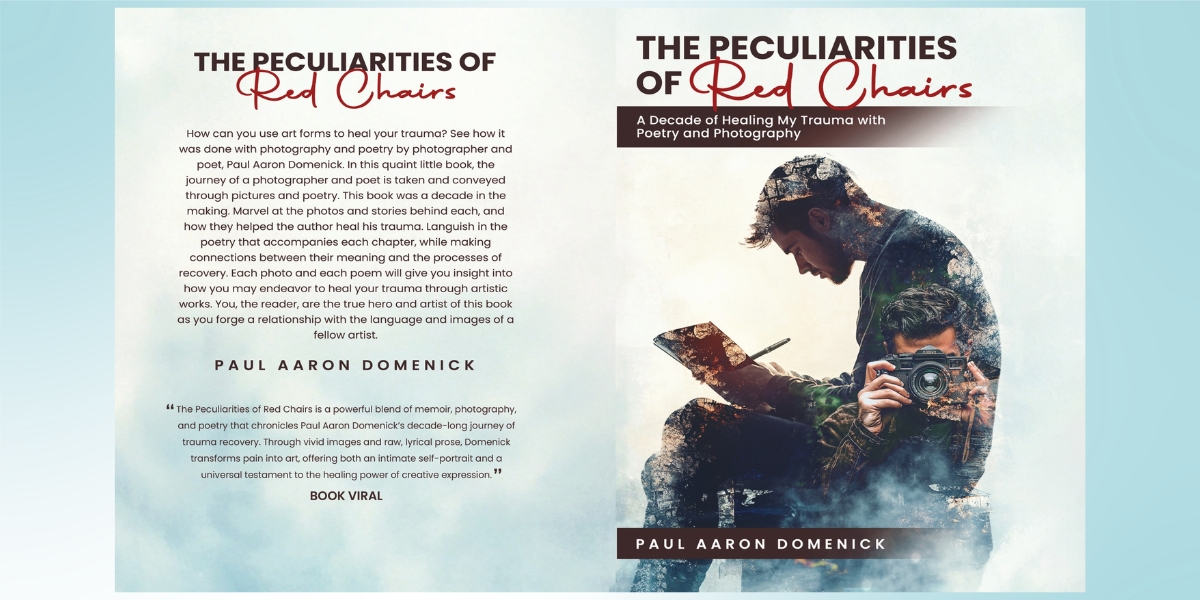
The Peculiarities of Red Chairs: A Decade of Poetry and Photography by Paul Aaron Domenick

Some books you read. Others you sit with. The Peculiarities of Red Chairs: A Decade of Healing My Trauma with Poetry and Photography by Paul Aaron Domenick belongs in the second group, a hybrid art book that invites you to look, linger, and listen to what images and words can say together.

A photographer, poet, and longtime high school English teacher, Domenick has spent the last ten years building a body of work in which photographs and poems are inseparable.

Each page feels like a quiet conversation between the lens and the line break. An image opens an emotional door, and the poem steps through it. The result is a collection that is as thoughtfully structured as it is deeply felt.

The book unfolds in chapters that mirror different photographic approaches: color and monochrome, candid shots, composites, slow exposures, diptychs, still lifes, portraits, and, finally, the striking Red Chair series.

Each section has its own visual rhythm. In one chapter, richly colored images feel almost cinematic. In another, stark black-and-white compositions strip everything down to form and shadow. Domenick uses these shifts in style the way a poet uses stanza breaks, to signal a new mood or a turn of thought.

Alongside each cluster of photographs, Domenick’s poems act as both echo and counterpoint. They do not simply describe what is in the frame. Instead, they deepen it. A still life might be paired with a poem about memory and the objects we refuse to throw away. A portrait might sit next to lines about identity, love, or the fragile ways people try to be seen. His language is accessible but carefully crafted, with a teacher’s ear for cadence and a poet’s instinct for the one word that makes a line land.

What makes the book especially compelling is its sense of continuity. This is not a random “best of” portfolio. It is a decade-long arc in which you can feel the artist changing, technically and emotionally, as you move through the pages. Early images sometimes carry a raw, searching energy. Later ones feel more deliberate and more willing to sit with nuance and ambiguity. The same is true of the poems. They move from sharply confessional pieces to more spacious and reflective meditations.

Domenick’s perspective as a queer artist and as someone who has wrestled with addiction and pain is present throughout. It is never the sole focus, but it infuses the work with honesty and urgency. The photographs are not just pretty. They are charged. Chairs, rooms, windows, and bodies become recurring motifs, almost like characters returning in a long poem. You start to notice how often the ordinary world, furniture, light, and everyday spaces carry emotional weight.

The Red Chair series, which gives the book its title, is where these elements come together most clearly. The red chair appears in different locations and moods, a visually simple object that serves as an anchor.

Sometimes it feels like a witness. At other times, it feels like a stand-in for the artist himself. Paired with poems that trace inner landscapes of memory, loss, and connection, the series reads like a visual poem presented in chapters.

For readers and viewers, The Peculiarities of Red Chairs offers many points of entry. Photography lovers will appreciate the range of techniques and the careful composition. Poetry readers will find plenty of lines to underline in the margins, lines about love, survival, and self-understanding that linger long after the page is turned. Anyone curious about how art forms can collaborate rather than compete will find the book a compelling case study in interdisciplinary storytelling.

In the end, Domenick’s work suggests that poetry and photography are not separate languages. They are two dialects of the same language. Both are ways of framing experience, of choosing where to focus, what to crop out, and what to bring closer. Over ten years, he has used them together to build something that feels less like a product and more like a life’s ongoing conversation with pain, with beauty, and with the possibility of finding meaning in both.

If you would like to experience this conversation for yourself, pick up a copy of The Peculiarities of Red Chairs and spend some time with its images and poems. Share it with a friend, a book club, or an art lover who appreciates work that lives between genres.

Order your copy from Amazon, and let Paul Aaron Domenick’s decade of poetry and photography find a place on your shelf.

Purgatory Road: Where Poetry Walks the Long Way Home

By: Jason Gerber

In an era dominated by speed, noise, and compressed meaning, Michel Casselman’s Purgatory Road: An Invitation to Redemption arrives as a deliberate slowing of time. This is not a book that rushes its reader. It asks instead that we linger—at the crossroads of memory, loss, desire, and spiritual reckoning. 

Casselman’s collection unfolds like a long walk through interior landscapes: some familiar, some unsettling, all rendered with lyrical patience. These poems do not shout. They listen. And in doing so, they echo an older literary tradition—one that values contemplation over certainty and questions over conclusions.

Purgatory Road Where Poetry Walks the Long Way Home

Photo Courtesy: Michel Casselman

Throughout Purgatory Road, the poet positions himself as both witness and wanderer. Themes of exile, inheritance, masculinity, love, and grief recur, not as fixed arguments but as evolving meditations. In pieces such as “Birthday Wish” and “The Art of Substitution,” Casselman confronts the complicated legacies of fathers and sons, bloodlines and chosen bonds. Identity here is not inherited cleanly; it is assembled, questioned, and lived into.

What distinguishes this collection is its spiritual undercurrent—quiet, persistent, and unforced. Casselman does not preach redemption; he circles it. Drawing subtle inspiration from myth, nature, and religious symbolism, his poems suggest that salvation, if it exists, is found not in arrival but in honest movement. The road itself becomes sacred.

Stylistically, the poems are rich but restrained. Casselman’s language favors musical cadence over ornament, allowing imagery to breathe. Whether describing a widower’s silence, a lover’s absence, or the slow turning of seasons, his lines feel earned—rooted in lived experience rather than abstraction.

Purgatory Road will resonate deeply with readers who appreciate poetry that engages both the emotional and philosophical dimensions of life. It speaks especially to those navigating midlife reflection, personal loss, or the enduring question of what it means to live meaningfully in an unfinished world.

This is a collection that does not resolve the human condition—but it honors it. Casselman reminds us that purgatory is not merely a place of waiting; it is a space of becoming. And on this road, every step, however uncertain, matters.