The Shadow of the 13th: Why We Still Fear the Friday Jinx

The year 2026 is a rare one for the superstitious, as the calendar features a triple occurrence of Friday the 13th in February, March, and November. This alignment happens only once every few years, bringing the ancient fear of the date back into the public eye. Known scientifically as paraskevidekatriaphobia, the fear of Friday the 13th affects millions of people globally, influencing everything from travel plans to financial markets.

The Origins of a Cultural Phobia

The dread surrounding Friday the 13th is a combination of two separate fears: the fear of the number 13 and the fear of Fridays. Historians note that both have independent roots in ancient mythology and religious traditions.

In Christian tradition, the Last Supper featured 13 individuals: Jesus and his 12 disciples. The 13th guest was Judas Iscariot, the disciple who betrayed Jesus. Because the Crucifixion occurred on a Friday, the combination of the guest count and the day of the week created a lasting association with bad luck and tragedy.

Norse mythology offers a similar origin story involving a banquet in Valhalla. Twelve gods were invited to a feast, but Loki, the god of mischief, arrived as an uninvited 13th guest. The ensuing chaos led to the death of Balder the Beautiful, which plunged the earth into mourning. These stories established a long-standing cultural rule that having 13 people at a table is an omen of death.

The Historical Legend of the Knights Templar

One of the most enduring historical explanations for the day’s reputation involves the downfall of the Knights Templar. On Friday, October 13, 1307, King Philip IV of France ordered the simultaneous arrest of thousands of Templar monks. They were accused of heresy, and many were later executed.

While some modern historians argue that the connection between this event and the modern superstition was popularized much later by fiction, the story remains a cornerstone of the day’s legend. It reinforces the idea that Friday the 13th is a day of sudden betrayal and institutional collapse.

The Psychological Perspective

Psychologists suggest that the persistence of this superstition is linked to a human desire for control. When people face uncertainty, they often turn to rituals or beliefs to manage their anxiety. Stuart Vyse, a psychologist and expert on irrational beliefs, has studied this behavior extensively. He notes:

The absence of control over an important outcome creates anxiety. So, even when we know on a rational level that there is no magic, superstitions can be maintained by their emotional benefit.

By avoiding certain actions on Friday the 13th, individuals feel they are actively protecting themselves from harm. This provides a psychological “buffer” against the random nature of daily life. Dr. Donald Dossey, a behavioral scientist and founder of the Stress Management Center and Phobia Institute, estimates that up to 21 million people in the United States alone are affected by this fear. He states:

It’s been estimated that 800 or 900 million dollars is lost in business on this day because people will not fly or do business they would normally do.

Statistical Reality vs. Superstition

Data regarding the actual danger of Friday the 13th is contradictory. A famous 1993 study published in the British Medical Journal examined traffic patterns on the M25 motorway in the United Kingdom. The researchers found that while fewer people chose to drive on Friday the 13th, the rate of hospital admissions due to traffic accidents was significantly higher compared to other Fridays.

However, other studies suggest the opposite. In the Netherlands, the Dutch Centre for Insurance Statistics found that there are actually fewer accidents, fires, and reports of theft on Friday the 13th. The explanation provided was that people are generally more cautious and mindful of their surroundings when they believe the day is unlucky.

Modern Cultural Impact

In the 21st century, Friday the 13th has shifted from a religious or mythological omen into a pop culture phenomenon. The long-running film franchise of the same name cemented the day’s association with the horror genre. For many, the day is now seen as a “spooky holiday” rather than a genuine threat.

Interestingly, some subcultures have embraced the day as a symbol of good luck or rebellion. Tattoo shops frequently offer discounts on “Friday the 13th” designs, often featuring the number 13. This tradition stems from the idea that by wearing the “unlucky” symbol, one can ward off bad luck or show a lack of fear toward common superstitions.

The enduring power of Friday the 13th lies in its ability to bridge the gap between ancient history and modern psychology. Whether viewed through the lens of religious history, the legend of the Knights Templar, or modern statistical anomalies, the day continues to hold a unique place in the human psyche.

As the world navigates three such dates in 2026, the persistence of these beliefs serves as a reminder of how deeply folklore is woven into the fabric of society. While the “jinx” may not be backed by scientific law, the emotional impact it has on human behavior is undeniably real.

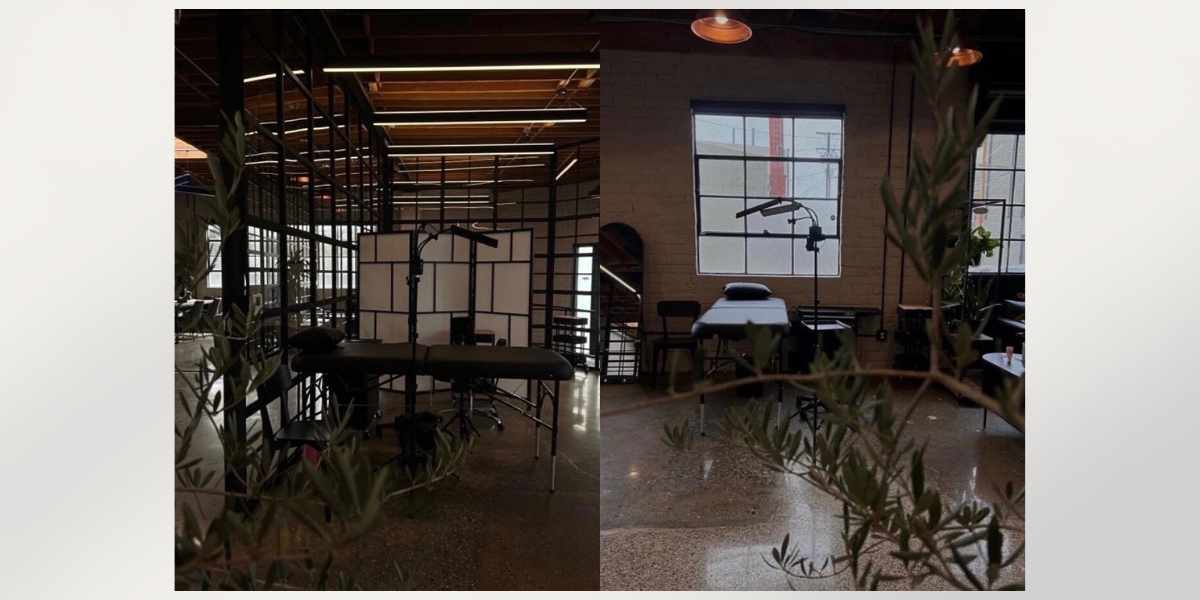
KORU: Where Botanical Realism Meets Creative Evolution in Los Angeles

KORU stands among the refined and forward-thinking tattoo studios in Los Angeles, built on a foundation of artistry, precision, and vision. Founded three years ago by renowned tattoo artist Pony Wave, the studio quickly distinguished itself as a space where tattooing is treated not merely as a trend, but as a serious contemporary art form. From its earliest days, KORU was designed to elevate expectations — both technically and aesthetically — and to offer clients an experience that is rooted in intention and craftsmanship.

At the heart of KORU’s identity is Pony Wave’s signature specialization in realistic floral and botanical compositions. This direction is considered one of the most technically demanding disciplines in tattooing. It requires a masterful understanding of color gradients, depth, shadow, skin tone interaction, and the organic movement of natural forms. Every petal, stem, and leaf is designed to feel as if it is alive. That commitment to realism and artistic integrity has become the philosophical core of the studio and continues to shape its standards today.

KORU: Where Botanical Realism Meets Creative Evolution in Los Angeles

Photo Courtesy: KORU

What began as a focused artistic space has grown into a dynamic, large-scale studio with a carefully curated team of professional tattoo artists. Each artist brings a distinct voice while maintaining the studio’s high aesthetic standard. KORU now offers a wide spectrum of styles, including fine line tattoos, black and grey realism, full color realism, ornamental designs, botanical compositions, and complex custom projects. This diversity allows the studio to serve a broad clientele, from those seeking subtle minimalist tattoos to collectors interested in investing in intricate, large-format pieces.

A defining element of KORU is its atmosphere. The space was intentionally created to feel calm, inspiring, and immersive. Filled with living plants and balanced by thoughtful interior design, the studio evokes the feeling of a contemporary art gallery rather than a conventional tattoo shop. Natural elements, light, and spatial harmony are incorporated to create an environment that is conducive to creativity and comfort. Clients frequently describe the experience as both professional and deeply personal, where the process itself is treated with respect.

In the summer of 2025, the studio entered a transformative phase through a rebrand and partnership with tattoo artist Yana Liner. The new name, KORU, reflects the spiral of a young fern leaf — a powerful ancient symbol of renewal, growth, resilience, and forward movement. The rebranding was not merely visual; it marked a deeper alignment with the studio’s evolving philosophy. KORU represents ongoing development, artistic maturation, and an openness to new beginnings.

Beyond tattooing, KORU is expanding into a broader creative platform. The team produces visual content, collaborates on music and artistic projects, and organizes art-centered gatherings and workshops. The long-term vision is to grow into a multidisciplinary creative space where tattoo art intersects with contemporary culture, design, and community engagement.

KORU is more than a tattoo studio in Los Angeles. It is a creative family united by a commitment to excellence, growth, and artistic expression. Through discipline, innovation, and respect for the craft, KORU continues to redefine what a modern tattoo studio might represent

What Makes Gloria Joanne Kramer-Gordon A Lifelong Advocate for Multilingual Education and Cultural Empathy

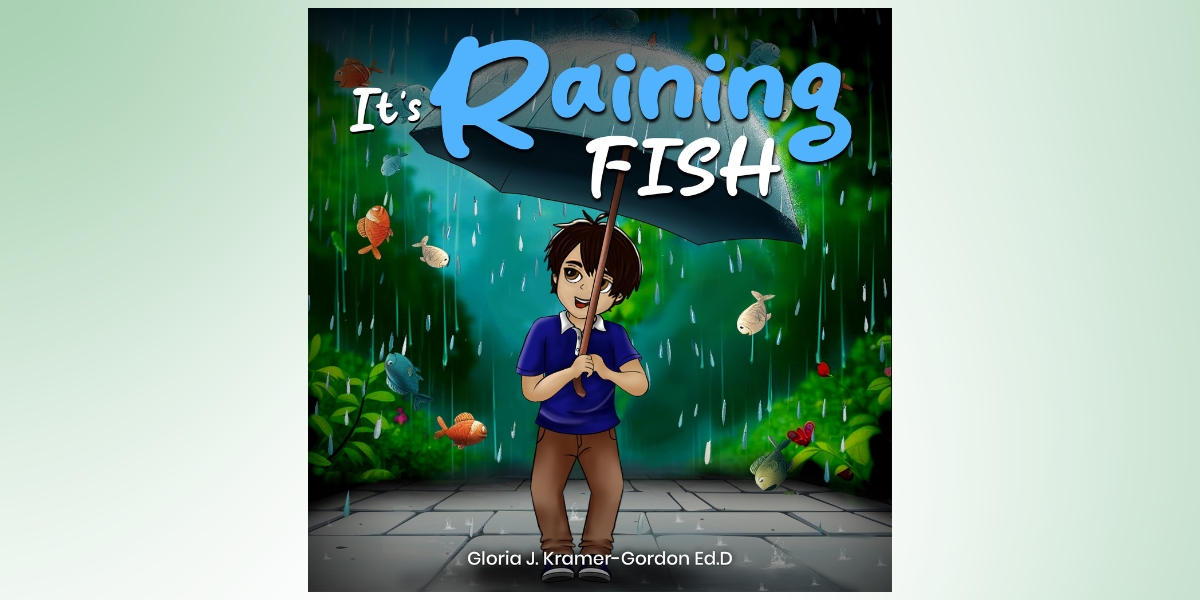
Gloria Joanne Kramer-Gordon, Ed.D., author of the children’s book It’s Raining Fish, has dedicated her career to making classrooms more inclusive and supportive for English Language Learners (ELLs).

With decades of experience in language education, “Joanne,” as she is often called, has developeddeep expertise in teaching and advocating for multilingual students and their unique needs. Her book reflects her insights into the challenges faced by immigrant students and her passion for building classrooms where every voice is valued.

Joanne began her career as a substitute teacher and Spanish instructor, working with students at various levels before transitioning to teaching English as a Second Language (ESL) to K-12 students.

Eventually, teaching ESL became a mission for Joanne, as she worked tirelessly to bridge language gaps and provide essential support to children struggling to learn English.

As an ESL teacher, she recognized the multiple layers of difficulty ELL students face, from mastering the language to adjusting to new cultural norms and expectations. This role allowed her to connect with her students on a personal level, gaining insights that would shape her entire career.

Her leadership skills and commitment to supporting English learners led to her becoming the ESL department chair for elementary schools in her district. In this capacity, she advocated for and developed programs to strengthen students’ language acquisition.

She was instrumental in promoting innovative, effective programs that made language learning more accessible. As department chair, she also mentored other teachers, helping them better understand the needs of multilingual learners and adopt practices that fostered empathy and inclusivity.

Joanne’s dedication to language education didn’t stop there. She soon took on a new challenge, becoming the principal of a dual-language school, where she played a key role in establishing it from the ground up. This role allowed her to shape a learning environment that celebrated linguistic and cultural diversity.

As principal, she built a community where students of all backgrounds could feel seen, supported, and empowered to share their cultures. Joanne’s leadership was crucial in making the school a welcoming space for all, creating a model of what a truly inclusive educational environment could look like.

Furthermore, Joanne was an adjunct instructor at Molly University’s graduate division of education, specializing in Teaching English to Speakers of Other Languages (TESOL). Her work at Molly University enabled her to share her hands-on experience with aspiring educators, instilling in them the values of empathy, patience, and cultural awareness. She encouraged her students to look beyond language barriers and see the depth and richness each learner brings to the classroom.

Currently, Joanne is the TESOL coordinator and an Assistant Professor at SUNY Empire University, where she continues her impactful work in the School for Graduate Studies.

In her current role, she focuses on equipping educators with the knowledge and skills to support diverse learners in various educational settings. Joanne’s research covers a broad range of critical topics, including multicultural education, bibliotherapy, literacy strategies for multilingual students, mental health considerations for immigrant learners, and best practices for teaching English, dual-language, and multilingual students.

Her firsthand experiences deeply influence her work, and her research often highlights the importance of addressing both the academic and emotional needs of students going through new cultural landscapes.

Through her contributions, Joanne remains a powerful advocate for ELLs and a respected voice in education. Her book, It’s Raining Fish, reflects her dedication to breaking down barriers and developing mutual respect between students and teachers of different backgrounds.

By bringing the story of a young boy named Manuel, she sheds light on the complexities faced by ELL students and the potential of educators to make a difference through understanding and open-mindedness.

Joanne’s career shows her commitment to multilingual learners and her belief in the importance of empathy in education. She continues to impact both young students and non-traditional adult learners, advocating for their success with boundless passion and compassion.

Through her book, research, and teaching, Gloria Joanne Kramer-Gordon inspires educators everywhere to embrace inclusivity, making her a trailblazer in multilingual education. 

The Bedtime Story That Floats and Stays With You

There’s a particular kind of quiet that arrives right before sleep: the house dimmed to lamp-light, the hallway holding its breath, the last sip of water negotiated like a treaty. In that hush, children turn into philosophers.

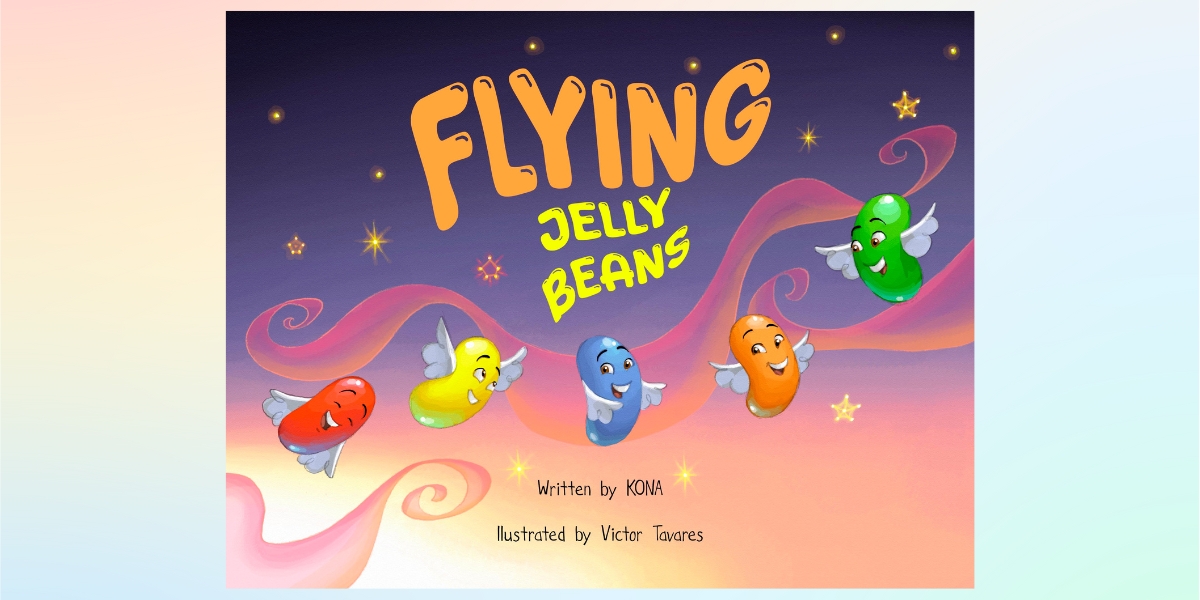
They ask the kinds of questions adults might forget to ask, questions that are less about facts than about how the world feels. In Flying Jelly Beans by Kona, illustrated by Victor Tavares, those questions are met not with lectures, but with a gentle invitation: what if wonder is real, and what if kindness has a color?

This is a picture book built for the ritual of being read aloud. The sentences move with the steady rhythm of a bedtime voice, calm, reassuring, just playful enough to keep a child’s attention without revving it up.

The opening domestic tableau establishes the book’s emotional core: a small child tucked into her own bed while a grandfather sleeps nearby, close enough to feel like a lighthouse in the dark.

Before anything “magical” happens, the book signals what it’s really about: care, closeness, and the peculiar tenderness of a household where love is measured in the ordinary, blankets, warm light, and the safety of a familiar room.

Then comes the hook, the kind that’s instantly legible to a child: a jar of candy that looks like it belongs in a dream, luminous and impossibly promising. Flying Jelly Beans understands that children don’t need elaborate mythologies to be captivated. They need a single object that feels both real (you could hold it) and impossible (it shouldn’t exist). From there, the book leans into something rare in contemporary kids’ publishing: magic that doesn’t exist to show off, but to soothe.

The artwork amplifies that soothing quality. Tavares’s illustrations glow with evening tones and soft gradients, the sort of palette that might make you lower your voice without realizing it. When the book shifts into sky-and-star imagery, it doesn’t suddenly turn loud or frantic; it becomes more expansive, like a lullaby widening into a chorus.

The Flying Jelly Beans themselves are “characters” you may need to track. They’re the sort of figures a child might point to and say, That one is my favorite, not because it’s the hero, but because it matches a mood.

What makes this book special is that it manages to be charming without being saccharine. It offers sweetness, yes—candy literally—but it also makes room for the complicated feelings kids carry around quietly. (Grown-ups, too.) The book’s emotional range culminates in an image of unmistakable poignancy: a child holding the jar, a moment of heaviness settling in alongside the wonder. It’s a reminder that the best children’s books don’t flatten childhood into constant delight. They honor its seriousness.

Who it’s for: families building bedtime traditions, grandparents who want a story that feels like a hug, teachers and librarians looking for a read-aloud that sparks gentle conversation (“What color feels like happy?” “What helps when someone is sad?”) without spoiling anything.

What it offers—without giving itself away: a small-scale miracle, told softly, that leaves readers feeling a sense of steadiness after the story.

Buy Flying Jelly Beans today at your local bookstore or from Amazon, and let tonight’s bedtime story glow.

Two Rings, One Target: A Marriage Tested by Fire and Firepower

What happens when the vows you whispered in a quiet church have to be lived at 80 miles an hour, with headlights in the mirror and danger closing fast?

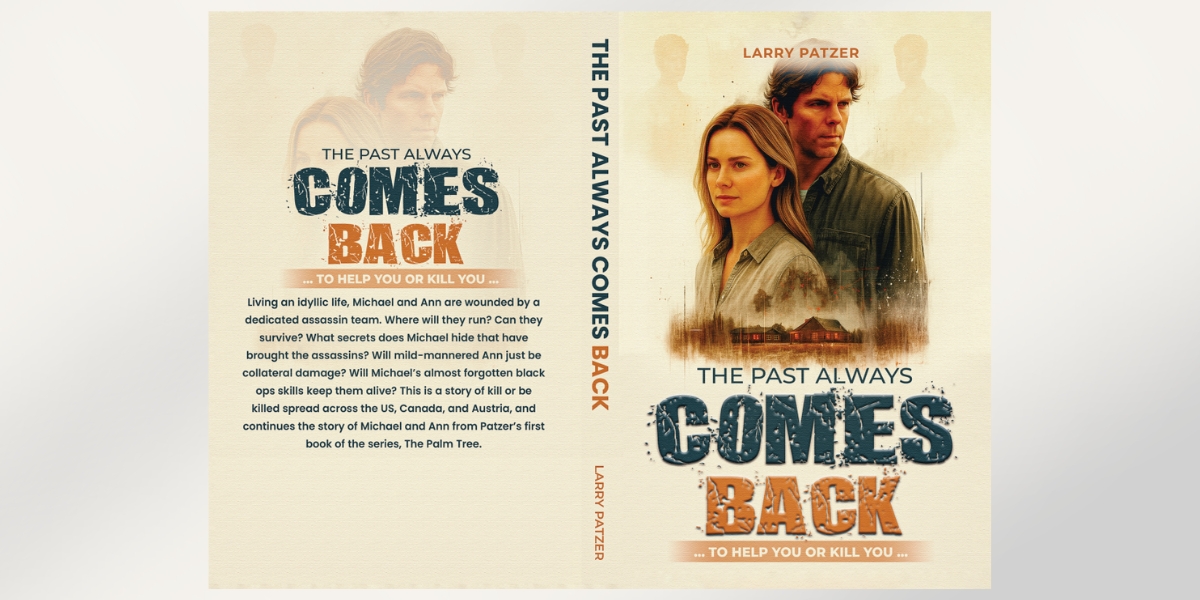
In Larry Patzer’s thriller, The Past Always Comes Back, marriage is not window dressing; it’s the operating system. From the first shock of a home turned to wreckage, Michael and Ann are forced to run on a blend of trust, training, and raw nerve. Two rings, one target. Every decision they make is a joint one, or it’s a mistake.

Michael has a past he’s deliberately shelved: black-ops skills, contingency planning, and a “just-in-case” safe place that Ann never expected to need. When the attack comes, it’s not a random act; it’s deliberate, coordinated, and meant to erase them. Hiding in that ready-but-unused refuge, the couple confronts a truth as urgent as any siren: survival isn’t a service Michael can provide for Ann—it’s a mission they have to execute together. He can’t protect and fight at the same time. She won’t be cargo.

Patzer gives Ann her full human weight. She enters the story as mild-mannered and spiritually grounded, the last person who wants a weapon in her hands. The book refuses the shortcut of instant transformation; instead, it traces the uncomfortable, incremental work of learning to be capable under pressure.

This is a cat-and-mouse story that changes maps as often as it changes angles. The chase springs from a small U.S. college town, routes through Canada, and tightens into Europe, where unfamiliar streets compress time and choices. Geography shapes the suspense: American backroads offer improvisation and distance; border crossings demand timing and discipline; cobblestoned corridors turn split seconds into coin flips. With every new terrain, the roles of hunter and hunted flip—sometimes twice in a chapter. The book’s momentum isn’t just speed; it’s adaptation.

Fans of stripped-down pragmatism, relentless escalation, and textured intelligence will find plenty to love. Patzer’s background (military, engineering, and trauma chaplaincy) hums beneath the surface, lending both the mechanics and the morality a lived-in feel. You get enough detail to trust what’s happening, but the prose never bogs down in instruction manual mode. The scenes breathe, move, and hit.

What distinguishes this thriller, though, is its conscience. The Past Always Comes Back is not about racking up bodies; it’s about counting costs. Every tactical choice casts a moral shadow. How far do you go to stop people who won’t stop? What lines do you refuse to cross, even when crossing them might be safer? Ann’s inner life matters here—her training sessions echo with questions about purpose and aftermath. Michael’s calculus is colder by necessity, but not without its own boundaries. The book respects the reader enough to let those tensions sit in the space between beats.

Importantly, there are no endings spoiled here. You won’t find revelations about who hired whom, which debts from long ago are being collected, or how the final standoff resolves. That’s the author’s to deliver. It’s high-stakes and high-velocity, yes—but it’s also the story of two people refusing to let fear (or firepower) define who they are to each other. That’s why the close calls feel closer, the debates feel sharper, and the victories (when they come) feel earned. You’re not just watching competent operators execute a plan; you’re watching a husband and wife build one in real time, under duress, with everything they love on the line. The thrill is in the chase; the ache is in what the chase threatens to take.

Come for the cat-and-mouse tactics; stay for the portrait of a partnership under fire. Turn the pages for the set pieces; remember the lines for the questions they leave behind.

Ready to see how far two people will go to keep a life and a love intact? Buy The Past Always Comes Back today wherever you get your books, and step into a marriage that fights back.

The Picture Book That’s Bouncing Off the Shelves: Why “Tommy Likes to Play with His Balls” Might Be the Funniest Gag Gift of the Year

Looking for a funny adult book gift that could send everyone into fits of laughter?

Meet Tommy, a sweet boy who just loves playing with his balls. Yes, you read that right. And yes, it’s likely just as hilarious as you’re imagining.

The Inappropriate Picture Book Parody That Started It All

“Tommy Likes to Play with His Balls” is a bestselling style parody book for adults that’s making waves in the comedy world. Written by librarian and self-proclaimed pun enthusiast Marian Page, this inappropriate kids’ book spoof transforms the innocent genre of children’s literature into a potentially laugh-out-loud experience for grown-ups and tired parents.

The premise is brilliantly simple: Tommy is an adorable boy who loves his balls. He plays with them everywhere—at dinner, at school, at church (oh dear!), and even at the zoo. His dog, Richard, plays with them too, leaving them rather hairy. Jenny crushes them. Emma suddenly leaves. His mom eventually has enough and takes them away. It’s all perfectly innocent… and yet.

Why Adults Can’t Stop Laughing

What makes this adult read aloud funny masterpiece so effective is its commitment to the bit. Every page features wholesome illustrations paired with text that maintains complete innocence while your mind does all the heavy lifting. It’s the literary equivalent of a perfectly timed wink.

The laugh-out-loud adult humor comes from the contrast between Tommy’s pure intentions and the reader’s increasingly corrupted interpretation. Lines like “A boy and his balls are never apart—it’s a bond that’s deep and strong” might become comedy gold when read aloud at parties or family gatherings (with the right crowd, of course).

Perfect for Every Occasion (Well, Almost Every Occasion)

This naughty gag gift book has become a go-to present for:

  • White elephant exchanges that need an upgrade

  • Birthday gifts for friends with a sense of humor

  • Bachelor and bachelorette parties

  • Coworker retirement parties

  • Secret Santa for the office comedian

  • Just because you want to make someone laugh until they cry

The beauty of “Tommy Likes to Play with His Balls” is its versatility. It’s cheeky enough to get laughs but innocent enough to maintain plausible deniability. After all, it’s just a story about a boy and his beloved toys, right?

The Reading Experience You Didn’t Know You Needed

Part of what makes this inappropriate picture book parody so memorable is the experience of reading it aloud. Watch as your audience’s expressions shift from confusion to realization to uncontrollable laughter. The rhythm and rhyme scheme mirror classic children’s books, making the double entendres even more effective.

Each page turn brings a new scenario where Tommy’s ball-playing adventures take him to increasingly questionable locations. The zoo page alone might be worth the price of admission, and that dedication at the beginning? Chef’s kiss.

Why This Book Matters (Yes, Really)

When most people want to take everything too seriously, “Tommy Likes to Play with His Balls” reminds us that sophisticated humor doesn’t always require complexity. Sometimes the best comedy comes from a simple, well-executed concept that trusts the audience’s intelligence.

Marian Page has created something memorable here: a book that brings people together through shared laughter. It’s the kind of gift that might get talked about long after the wrapping paper is gone, the kind of book that could be pulled out at gatherings, the kind of humor that might create genuine connection.

Ready to Join the Fun?

Whether you’re shopping for a funny adult book gift or treating yourself to some quality comedy, “Tommy Likes to Play with His Balls” offers exactly what it intends: pure, unadulterated fun. It’s inappropriate in the best possible way: clever, cheeky, and likely to generate laughs.

After all, life without balls can be rough. Just ask Tommy.

Ready to have a ball? Grab your copy of “Tommy Likes to Play with His Balls” and share the laughs with everyone you know. They’re sure to thank you for it.

Terrell Carter: Faith, Passion, and Power — From Beauty in Black to Mr. Carter and the Testimony of Problem Child

By: Hype Agency

At a pivotal moment in his multifaceted career, Terrell Carter stands as a rare example of an artist whose work is guided not by trends but by truth. Actor, singer, and author, Carter is experiencing a powerful creative resurgence fueled by three major milestones: the global success of Netflix’s Beauty in Black, the release of his eighth studio album Mr. Carter, and the growing impact of his deeply personal memoir Problem Child. Together, these works paint the portrait of a man whose art is rooted in faith, transformation, and emotional transparency.

A Performance Capturing Global Attention

In Beauty in Black, Carter portrays Attorney Varney, the poised yet emotionally complex lawyer representing the influential Bellamy family. Varney is not simply a man of intellect and authority; he is layered, conflicted, and deeply human. His complicated relationship with Charles Bellamy reveals a character caught between logic and vulnerability.

“Varney is sensible and strong,” Carter explains, “but when it comes to love, he loses himself. He’s loyal to a fault, and that makes him both tragic and beautiful.”

For Carter, returning to work with Tyler Perry was more than another job — it was a full-circle moment. Years after collaborating on productions like Diary of a Mad Black Woman, Meet the Browns, and Madea’s Class Reunion, Carter found himself once again under Perry’s direction.

“It was wonderful to reconnect after so many years,” he says. “Mr. Tyler Perry works even harder now than before. His discipline and vision are inspiring. Being a series regular on a globally successful show is an honor.”

More Than Drama — A Reflection of Life

While audiences may initially see Beauty in Black as a stylish drama, Carter believes the series resonates because it mirrors real life.

“Yes, it has comedy and drama,” he notes, “but at its core, it’s real. It’s about power, survival, and the emotional cost of ambition. It shows how different worlds collide and how people rebuild themselves after losing everything.”

He hints that upcoming episodes will push the story into even deeper emotional territory.

“Part Two of Season Two may leave people speechless,” Carter teases. “The twists, the truths, the vulnerability — viewers might not be fully prepared.”

Music as Testimony: Mr. Carter

Released on September 12, 2025, Mr. Carter is Carter’s most intimate musical work to date. Dedicated to his late mother, Candy, the album blends R&B, soul, and gospel influences to explore themes of love, grief, healing, and spiritual growth.

Standout tracks like “Candy,” “Walk By Faith,” and “I Want to Be Loved” serve as emotional anchors, revealing a man processing loss while celebrating legacy.

“This album is my journey in sound,” Carter shares. “It traces my growth from the ‘problem child’ people once labeled me as, to the man my mother believed I could become. Every song carries a piece of my truth.”

Rather than chasing radio formulas, Carter leans into authenticity, allowing vulnerability to guide the music. The result is an album that feels less like a product and more like a conversation with the listener.

The Origin Story: Problem Child

If Carter’s music reveals his heart, Problem Child reveals his roots. The memoir recounts his extraordinary and painful beginnings: he was born to an eleven-year-old special-needs mother who endured severe trauma. Her strength and perseverance ultimately shaped his worldview.

“My mother was only 11 when she had me,” Carter says. “She was special needs, born with one leg, and she experienced unimaginable abuse. I wrote Problem Child to show that even from deep pain, faith can create beauty. It’s not just a story — it’s a testimony.”

The book’s raw honesty has resonated with readers, and its upcoming adaptation into a visual storytelling format could bring his journey to a wider audience.

A Legacy in the Making

What connects Carter’s acting, music, and writing is a singular purpose: healing through truth. He does not separate his art forms; he sees them as extensions of the same calling.

“Everything I release comes from the same place inside me,” he reflects. “Purpose, faith, and the determination to keep moving forward.”

In an industry often driven by image, Terrell Carter chooses substance. His voice carries conviction, his performances carry depth, and his story carries hope.

He is not simply building a career — he is building a legacy defined by resilience, spirituality, and authenticity.

Now and Next:

  • Beauty in Black — New episodes streaming March 19 on Netflix
  • Mr. Carter — Available on all major music platforms
  • Problem Child — Visual adaptation coming soon

Terrell Carter’s journey reminds audiences that art can inspire, heal, and testify — all at once.

Terrell Carter: Faith, Passion, and Power — From Beauty in Black to Mr. Carter and the Testimony of Problem Child

Photo Courtesy: Terrell Carter


One Appliance, Infinite Meals: Why a High-Quality Rice Cooker is a Kitchen Essential

The modern kitchen is often a battlefield of gadgets, with various appliances vying for limited countertop real estate. Between air fryers, slow cookers, and blenders, homeowners frequently look for ways to streamline their cooking process without sacrificing the quality of their meals. Investing in a quality rice cooker is perhaps the smartest move a home chef can make, as these devices have evolved far beyond their humble beginnings to become versatile multi-cookers capable of handling almost any recipe. Rather than being a single-use tool tucked away in a cupboard, the contemporary rice cooker is a central hub for nutrition, convenience, and culinary creativity.

For many Australian households, the initial appeal of a rice cooker is the promise of perfectly fluffy grains every time. We have all experienced the frustration of a stovetop pot boiling over or ending up with a layer of burnt rice at the bottom. A high-end unit eliminates this guesswork entirely through precision heating and smart sensors. However, the real magic lies in what happens when you look past the white rice setting. Today’s market, featuring reputable brands like Tefal and Russell Hobbs, offers machines that are engineered to function as steamers, slow cookers, and even ovens.

The Evolution of the Rice Cooker

In the past, a rice cooker had one button: cook. When the weight of the water changed, the lever flipped up to “warm,” and that was the extent of the technology. Fast forward to the current range available at retailers like Bi-Rite, and you will find “Fuzzy Logic” technology. This artificial intelligence allows the cooker to make tiny adjustments to temperature and cooking time based on the thermal readings inside the bowl. This means that whether you are cooking jasmine rice, brown rice, or a hearty quinoa blend, the machine adapts to the specific requirements of the grain.

This technological leap is what allows these appliances to handle diverse ingredients. Because the machine can maintain a steady simmer or a gentle steam, it becomes an ideal vessel for delicate proteins and fibrous vegetables. For those living in smaller apartments or homes with compact kitchens, this versatility is a game changer. Why own a dedicated vegetable steamer and a separate soup pot when one high-quality unit can perform both tasks with superior results?

Steaming for Health and Flavor

One of the most overlooked features of a premium rice cooker is the steaming basket. Brands like Russell Hobbs often include a BPA-free steaming tray that sits above the rice while it cooks. This “stack cooking” method is the ultimate time-saver. As the steam rises from the boiling water or rice below, it perfectly cooks fish fillets, dumplings, or a medley of seasonal greens.

Steaming is widely regarded by nutritionists as one of the healthiest ways to prepare food. It preserves the vitamins and minerals that are often leached out during boiling. When you use a Tefal multi-cooker, for instance, the sealed environment ensures that moisture stays locked within the food. A piece of salmon steamed over a bed of aromatics like ginger and spring onion remains succulent and flavorful, requiring far less oil or butter than pan-frying. This makes the rice cooker an essential tool for anyone focusing on heart-healthy or low-calorie meal prep.

Beyond Grains: Soups, Stews, and Slow Cooking

While many people associate rice cookers with quick meals, they are equally adept at the “low and slow” approach. Many modern units come with dedicated slow-cook settings. This allows you to brown your meat and aromatics directly in the non-stick bowl before adding liquid and setting the timer for a six-hour simmer.

The benefit of using a rice cooker for soups and stews is the consistency of heat. Unlike a stovetop where a flame might flicker or a ceramic hob that cycles on and off, a quality rice cooker maintains a precise temperature. This is perfect for tough cuts of beef that need time to break down into tender morsels, or for a classic minestrone where you want the vegetables to be soft but not mushy. Because these machines are designed to be left unattended safely, you can start a soup in the morning and return home to a warm, nutritious meal.

The Surprise Factor: Baking and Breakfast

Perhaps the most surprising trend in the world of rice cookers is their ability to bake. In many parts of Asia, where traditional ovens are less common in homes, the rice cooker has long been used to create fluffy sponge cakes and dense chocolate desserts. The enclosed, humid environment of a rice cooker is actually ideal for certain types of baking, preventing the cake from drying out.

Beyond desserts, the rice cooker is a breakfast champion. Steel-cut oats, which usually require constant stirring on a stove to prevent sticking, can be prepared effortlessly. Many units feature a delay timer, meaning you can put your oats and water in the bowl the night before and set it to be ready at 7:00 AM. You wake up to the smell of freshly cooked porridge, perfectly creamy and ready to be topped with fruit and nuts.

Why Quality Matters

When browsing the selection at Bi-Rite, it becomes clear that not all rice cookers are created equal. While a budget model might suffice for occasional white rice, a high-quality unit is built to last and offers a much wider range of functionality.

  1. Non-Stick Durability: Premium brands like Tefal use high-quality ceramic or diamond-infused coatings. This is crucial when you are moving beyond rice to sautéing vegetables or baking cakes, as it ensures easy release and quick cleanup.
  2. Heat Distribution: Cheaper models often have a single heating element at the bottom. High-end units often feature 3D heating, where elements are located in the lid and sides as well. This ensures that a large batch of stew or a thick cake cooks evenly from all directions.
  3. Ease of Cleaning: A kitchen essential should not be a chore to maintain. Quality cookers feature removable inner lids and steam vents that can be popped out and rinsed, preventing the buildup of starch or food odors.

A Sustainable Choice for Australian Kitchens

In the current economic climate, Australians are looking for ways to reduce energy consumption. Using a compact rice cooker to prepare a meal is often more energy-efficient than preheating a large electric oven. Furthermore, by investing in one multi-functional appliance, consumers reduce the “clutter footprint” of their homes. Instead of buying four different gadgets, one well-chosen unit from a trusted brand serves multiple purposes, reducing waste and saving money in the long run.

In Summary

The journey from a simple rice pot to a sophisticated kitchen powerhouse is a testament to modern engineering. By choosing a high-quality model, you are not just buying a way to cook grain; you are investing in a healthier lifestyle and a more efficient kitchen. Whether you are steaming a fresh catch of snapper, simmering a spicy lentil dahl, or even experimenting with a matcha sponge cake, the modern rice cooker stands ready to deliver.

For those ready to simplify their evening routine and explore a world of flavors beyond plain white rice, exploring the range of Tefal and Russell Hobbs units at Bi-Rite is the first step. It is time to let this versatile appliance take its rightful place on your counter as the ultimate kitchen essential. With the right tool, the possibilities are truly infinite.

The Unjammable Horizon: How Quantum Navigation is Replacing GPS in Modern Warfare

In the rapidly evolving landscape of electronic combat, the reliance on satellite signals has become a significant strategic liability. As global powers develop increasingly sophisticated methods to disrupt communications, the emergence of advanced quantum navigation provides a reliable and unjammable solution for maintaining situational awareness in contested environments. This breakthrough technology allows military assets to operate with full autonomy, ensuring that mission-critical data remains accurate even when traditional signals are completely severed. By shifting away from external dependencies, modern defense platforms can now achieve a level of operational security that was previously considered impossible.

The Achilles’ Heel of Modern Warfare

For decades, the Global Positioning System (GPS) has been the invisible backbone of military operations. From guiding long-range missiles to synchronizing the movements of ground infantry, GPS provides the precise timing and positioning data required for high-tempo maneuvers. However, this system has a fundamental flaw: it relies on incredibly weak signals transmitted from satellites thousands of miles away. These signals are easily drowned out by relatively low-cost jamming devices or manipulated through “spoofing,” where a false signal tricks a receiver into reporting an incorrect location.

In recent conflicts, GPS interference has moved from a theoretical threat to a standard tactical reality. Electronic warfare units can now create “dark zones” spanning hundreds of miles, rendering standard navigation systems useless. When a drone or a naval vessel loses its GPS lock, it must rely on traditional Inertial Navigation Systems (INS). While INS does not require an external signal, it suffers from “drift,” a phenomenon where small errors in sensor data accumulate over time, leading to significant positional inaccuracies. In a high-stakes combat scenario, a drift of even a few hundred meters can mean the difference between a successful strike and a catastrophic error.

Enter Ironstone Opal: The Quantum Shift

To address these vulnerabilities, defense innovators have looked toward the subatomic world. Quantum sensing offers a way to measure motion with a precision that far exceeds classical mechanical sensors. At the forefront of this revolution is Ironstone Opal, a quantum-enhanced navigation solution designed specifically to overcome the limitations of GPS and traditional INS.

Unlike GPS, which is an “active” system requiring a constant connection to a satellite, quantum navigation is entirely passive. It does not broadcast a signal that can be tracked, nor does it receive a signal that can be jammed. Instead, it functions as a self-contained “black box” that calculates position based on the ultra-precise measurement of atomic properties. By using cold atom interferometry or quantum-enhanced signal processing, systems like Ironstone Opal can detect the tiniest changes in acceleration and rotation.

The Power of Passive Stealth

One of the most significant advantages of quantum navigation in modern warfare is its contribution to stealth. In a “near peer” conflict, emitting any kind of electronic signature is akin to shining a flashlight in a dark room. Active radar and radio communications can be intercepted and used to geolocate a platform.

Because Ironstone Opal is a passive technology, it allows drones, submarines, and stealth aircraft to navigate through enemy territory without leaving an electronic footprint. A naval vessel equipped with this technology can maintain strict radio silence while still knowing its exact coordinates within a fraction of a meter. This “stealth” advantage transforms how deep penetration missions are conducted, allowing assets to slip through integrated air defense systems that rely on detecting electronic emissions.

Breaking the Limits of Accuracy

While traditional INS has been the fallback for GPS denied environments, its performance has historically been the bottleneck for long duration missions. Ironstone Opal represents a generational leap in performance, offering a 50x to 100x improvement in accuracy over conventional inertial sensors.

In practical terms, this means that a long range autonomous underwater vehicle (AUV) can travel for weeks without ever needing to surface for a GPS fix. In the air, a loitering munition or a reconnaissance drone can operate for hours in a jammed environment and still strike its target with surgical precision. This level of accuracy is achieved by reducing the “noise” and “bias” that plague classical accelerometers and gyroscopes. By leveraging quantum states that are inherently stable, the system ensures that the “drift” is kept to an absolute minimum, providing a reliable “truth” source for navigation.

Applications Across the Theater of War

The transition to quantum navigation will have profound effects across all branches of the military.

Naval Superiority: For the navy, the ability to navigate without GPS is vital for submarine warfare. Submarines are most vulnerable when they have to deploy an antenna to the surface to receive satellite signals. Quantum navigation allows these vessels to remain submerged and hidden for much longer periods. Furthermore, surface ships can operate in “GPS denied” regions like the South China Sea or the Baltic without fear of being led off course by spoofing attacks.

Aerial Dominance: Drones have become the defining tool of 21st-century warfare, but they are also the most susceptible to electronic interference. A drone equipped with Ironstone Opal can continue its flight path and complete its mission even if the enemy deploys heavy jamming equipment. This ensures that the investment in high-cost unmanned aerial vehicles (UAVs) is protected from low-cost electronic countermeasures.

Ground Force Resilience: On the ground, quantum sensors can be integrated into armored vehicles and even individual soldier systems. This ensures that coordinated movements and artillery fire remain accurate in environments where the electromagnetic spectrum is heavily contested.

The Future of the Unjammable Horizon

The move toward quantum navigation is not just a tactical upgrade; it is a fundamental shift in how we perceive security and autonomy. As artificial intelligence becomes more integrated into weapon systems, those systems require “trusted data” to function. If the positioning data is compromised, the AI becomes a liability. By providing a hardened, unjammable source of truth, quantum technology acts as the foundation for the next generation of autonomous warfare.

The era of GPS dominance is reaching its twilight in the face of modern electronic warfare. While satellites will always have a role in civilian life and low-intensity conflicts, the high stakes of modern defense require something more robust. Systems like Ironstone Opal are proving that the future of navigation lies not in the stars, but in the precise and silent world of quantum mechanics. By reclaiming the ability to navigate independently of external signals, modern militaries are ensuring that they can operate with confidence, precision, and total stealth on the unjammable horizon.

Why ZOI Mediterranean Is One of NYC Restaurant Week’s Inviting Destinations

NYC Restaurant Week is often about discovery, and ZOI Mediterranean offers one of the season’s more compelling opportunities to experience modern Mediterranean dining that feels both elevated and approachable. Founded by Onur Safak, both locations in NoMad and the Upper East Side are serving ZOI’s curated prix-fixe menus, which provide a thoughtful snapshot of the restaurant’s identity, one rooted in warmth, shared plates, and a sense of ease that encourages guests to slow down and stay awhile.

Rather than treating Restaurant Week as a limited-time discount, ZOI approaches the moment as an invitation. The curated prix-fixe menu is designed to feel representative, not abbreviated, showcasing the flavors and dishes that have earned the restaurant a loyal following across two neighborhoods. It’s an experience that feels intentional from start to finish, whether diners are visiting for the first time or returning as regulars.

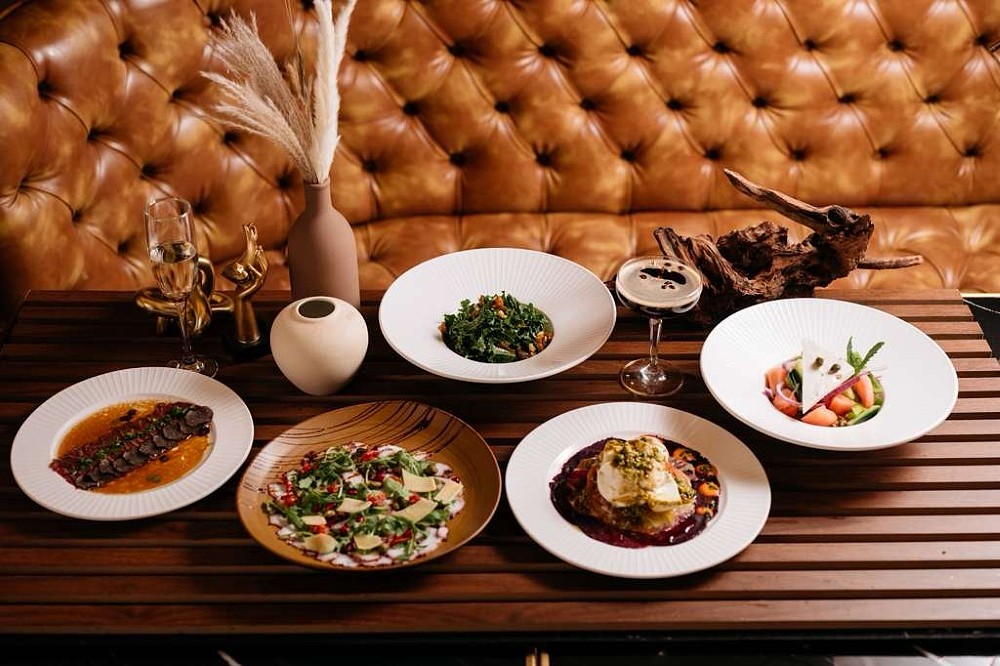
The menu opens with a selection of first courses that immediately establish ZOI’s Mediterranean perspective. Options such as muhammara and fresh kale salad with mint and roasted walnuts are bright and balanced, while the Mediterranean Breeze Soup delivers comfort with depth. Made with short-rib beef, yogurt, chickpeas, orzo, and mint, the soup has emerged as a signature dish—layered, satisfying, and emblematic of ZOI’s ability to elevate familiar flavors through restraint rather than excess.

Why ZOI Mediterranean Is One of NYC Restaurant Week’s Inviting Destinations

Photo Courtesy: ZOI UES

Entrées continue that balance of richness and freshness. Restaurant Week diners can opt for indulgent comfort in the truffle fettuccine pasta, or choose heartier Mediterranean offerings like pesto chicken skewers served with strawberry-avocado salad and pavé potato, or butcher kofta accompanied by vegetables, onion salad, and pickles. Each dish feels complete and well-considered, allowing guests to sample the breadth of the menu without sacrificing quality or portion.

Dessert selections provide a refined close to the meal. French Kiss brûlée and cold baklava offer contrasting but equally satisfying finishes—one creamy and classic, the other crisp and delicately sweet—rounding out the prix-fixe experience with a nod to Mediterranean tradition.

The setting enhances the appeal. ZOI’s Upper East Side location, which recently opened at 1480 Second Avenue, was conceived as a true neighborhood restaurant—polished but approachable, stylish without pretense. Soft coastal tones, natural textures, and warm lighting create a calm, welcoming atmosphere that feels distinctly removed from the city’s more hurried dining rooms. It’s a space designed for conversation and connection, where a quick lunch can easily turn into a longer meal.

Following the success of its NoMad flagship, the uptown expansion reinforces ZOI’s core philosophy: food is best enjoyed communally, and hospitality should feel personal rather than performative. Mezze-driven dining remains central to the experience, making Restaurant Week an ideal time to explore the menu with friends, colleagues, or family.

The cocktail program adds another layer to the offering. Herb-forward spritzes and seasonal infusions are crafted to complement the food, enhancing rather than overpowering the meal. The bar at both locations has become a natural gathering place, attracting neighborhood regulars and diners seeking a relaxed, food-friendly drinking experience.

Why ZOI Mediterranean Is One of NYC Restaurant Week’s Inviting Destinations

Photo Courtesy: ZOI UES

As NYC Restaurant Week approaches, ZOI Mediterranean stands out for delivering what the program is meant to celebrate: accessibility without compromise. With two convenient Manhattan locations, a menu that feels generous and representative, and an atmosphere that encourages repeat visits, ZOI offers diners—and editors—a Restaurant Week destination that feels genuinely worth returning to long after the prix-fixe menu ends.

Hours and Address

NoMad: 19 W 31st St, New York, NY 10001, USA

  • Monday-Wednesday: 11:30 AM- 11:00 PM
  • Thursday: 11:30 AM- 12:00 AM
  • Friday: 11:30 AM- 01:00 AM
  • Saturday: 10:00 AM- 01:00 AM
  • Sunday: 10:00 AM- 11:00 PM
  • Reservations: OpenTable

Upper East Side: 1480 2nd Ave, New York, NY 10075, USA

  • Monday-Thursday: 11:30 AM- 10:00 PM
  • Friday: 11:30 AM- 11:00 PM
  • Saturday: 10:00 AM- 11:00 PM
  • Sunday: 10:00 AM- 9:00 PM
  • Reservations: OpenTable