Wake Up Truly Rested by Optimizing Your Sleep Schedule

Establishing a Consistent Bedtime Routine

Maintaining a consistent and healthy sleep schedule is crucial for overall well-being and productivity. In today’s fast-paced world, individuals often struggle with sleep-related issues, leading to a range of health concerns. This article aims to provide practical insights into optimizing your sleep schedule without delving into unnecessary jargon or complex strategies.

The first step in optimizing your sleep schedule is to establish a consistent bedtime routine. This involves going to bed and waking up at the same time every day, even on weekends. This routine helps regulate your body’s internal clock, making it easier to fall asleep and wake up naturally.

This may be easier said than done for many people. One of the ways, for example, to get to bed on time is to ensure that you’re physically tired by the time your set bedtime arrives. That’s why it’s important to combine some of these ideas to get optimal results.

Incorporating regular exercise into your routine can significantly enhance the quality of your sleep. Engaging in physical activity, whether it’s a brisk walk, a workout at the gym, or yoga, helps reduce stress and anxiety, making it easier for your body to relax when it’s time to sleep. However, it’s crucial to complete exercise sessions at least a few hours before bedtime to allow your body to wind down. Once the body naturally winds down after exercising it can be easier to naturally dose off to bed.

Creating a Comfortable Sleep Environment

Wake Up Truly Rested by Optimizing Your Sleep Schedule (2)

Photo Credit: Unsplash.com

Your sleep environment plays a significant role in the quality of your rest. Ensure your bedroom is conducive to sleep by maintaining a comfortable temperature, reducing noise and light, and investing in a comfortable mattress and pillows. These factors contribute to creating an atmosphere that promotes relaxation and restful sleep.

In the digital age, many people find themselves engaged with electronic devices until late at night. However, the blue light emitted by screens can interfere with the production of the sleep hormone melatonin. To optimize your sleep schedule, it is advisable to limit screen time at least an hour before bedtime. Consider engaging in calming activities such as reading a book or practicing relaxation techniques.

Mindful Eating and Hydration

What you eat and drink can impact your sleep. Avoid heavy meals close to bedtime and opt for lighter, easily digestible snacks if needed. Additionally, limit caffeine intake in the afternoon and evening, as it can interfere with your ability to fall asleep. Staying hydrated is essential, but try to balance fluid intake to avoid disruptions during the night.

Finding Ways to Manage Stress and Anxiety

High-stress levels and anxiety can be major obstacles to a good night’s sleep. Incorporate stress-reducing activities into your daily routine, such as meditation, deep breathing exercises, or mindfulness practices. Finding effective ways to manage stress contributes to a more relaxed state of mind, making it easier to achieve restful sleep.

Some of these ideas are going to work best if they are implemented together. Regularly exercising could be one of the best ways to naturally reduce stress. This doesn’t mean that a person who’s in shape won’t ever experience stress. However, many popular routines can be a great way, at least, to alleviate some of the typical signs of stress. One of which, by the way, is the inability to fall asleep.

Optimizing your sleep schedule is a gradual process that requires consistency and mindfulness. By incorporating these practical tips into your daily life, you can create a foundation for better sleep and overall well-being. Remember, a well-regulated sleep routine is a key element in achieving a healthier and more productive lifestyle.

Seasonal Marketing: How Press Releases Boost Holiday Event Success

Why Seasonal Marketing Matters for Lifestyle Companies

Seasonal marketing refers to promotional efforts tied to specific times of the year, such as holidays, cultural celebrations, or seasonal changes. For lifestyle companies, these moments offer opportunities to connect with audiences when they are most receptive. Consumers often adjust their spending habits around holidays or seasonal events, making these periods ideal for targeted campaigns.

Aligning campaigns with seasonal shifts allows brands to feel timely and relevant. For example, spring campaigns may highlight renewal and wellness, while autumn promotions might emphasize comfort and preparation for colder months. This alignment helps companies present their products or services as part of the consumer’s seasonal experience.

Press releases play a key role in this process. They provide a structured way to share announcements with media outlets, ensuring that seasonal campaigns reach a wider audience. By framing promotions within the context of seasonal trends, lifestyle companies can increase visibility and strengthen their connection with consumers.

How Press Releases Support Holiday Announcements

Press releases are formal statements issued to media outlets to share company news. They typically include a headline, a summary of the announcement, supporting details, and contact information. For lifestyle companies, press releases are especially useful during holidays, when competition for consumer attention is high.

Timing is critical. A well-timed release tied to a holiday or awareness month can increase the likelihood of media coverage. For example, a fashion brand announcing a winter collection in November can position itself as part of holiday shopping trends. Similarly, a wellness company might issue a release about a January fitness event to align with New Year’s resolutions.

By connecting announcements to seasonal themes, companies give journalists a reason to cover their story. Media outlets often look for content that feels timely and relevant, and seasonal press releases provide exactly that. This approach helps businesses stand out during crowded promotional periods.

Structuring Press Releases for Seasonal Sales

When announcing seasonal sales, clarity and timing are essential. A press release should clearly state the nature of the promotion, the dates it will run, and any special features that make it newsworthy. For example, a lifestyle retailer might highlight limited-edition products available only during the holiday season.

Effective releases include keywords that improve search engine visibility. For seasonal campaigns, this might mean including terms like “holiday sale,” “Mother’s Day promotion,” or “back-to-school event.” These keywords help ensure that the release reaches both journalists and consumers searching online.

Visual elements can also enhance seasonal press releases. Including images of holiday-themed products or event setups makes the announcement more engaging. While the text provides essential details, visuals help convey the seasonal atmosphere, making the release more appealing to media outlets and readers alike.

Using Press Releases for Special Occasions

Beyond holidays, lifestyle companies can use press releases to announce special occasions such as anniversaries, product launches, or collaborations. These events often carry built-in news value, and tying them to seasonal themes can increase their impact. For example, a company celebrating its anniversary in December might frame the event as part of holiday festivities.

Special occasion press releases should emphasize what makes the event unique. This might include highlighting partnerships with well-known figures, showcasing exclusive products, or announcing charitable initiatives. By presenting these details in a clear and structured way, companies can attract media attention and strengthen their brand image.

Press releases also provide a record of company milestones. Over time, these announcements build a narrative that demonstrates growth and engagement. For lifestyle companies, this narrative can reinforce credibility and establish a stronger presence in the market.

Building Long-Term Value Through Seasonal Campaigns

Seasonal press releases are not only about short-term promotions. They also contribute to long-term brand recognition. Each announcement reinforces the company’s presence in the market and helps establish a reputation for consistency and relevance.

By regularly issuing press releases tied to seasonal events, lifestyle companies can create a rhythm of communication that audiences come to expect. This consistency builds trust and keeps the brand top of mind during key shopping periods. It also provides opportunities to highlight different aspects of the business throughout the year, from product launches to community initiatives.

Over time, these efforts contribute to stronger relationships with both media outlets and consumers. Seasonal marketing through press releases becomes part of a broader strategy that supports growth, visibility, and engagement.

Overcoming Seasonal Affective Disorder: Strategies for Coping with SAD

Understanding Seasonal Affective Disorder (SAD): A Closer Look at the Winter Blues

As the seasons change, so do our moods and energy levels. For many people, the arrival of fall and winter brings more than just colder weather—it brings a condition known as Seasonal Affective Disorder (SAD). This form of depression is related to changes in the seasons, with individuals often experiencing symptoms during the fall and winter months when sunlight is limited. While it may be a common experience for some, understanding the causes, symptoms, and treatments for SAD can help those affected manage and improve their well-being.

This article delves into Seasonal Affective Disorder, exploring what it is, its symptoms, how it differs from other forms of depression, and practical ways to cope with it. With a deeper understanding of SAD, individuals can better navigate the challenges of the changing seasons and take steps to maintain mental and emotional health.

What is Seasonal Affective Disorder (SAD)?

Seasonal Affective Disorder (SAD) is a type of depression that typically occurs at the same time each year, often during the fall and winter months when daylight hours are shorter. Although anyone can experience it, people living in regions with long winters and limited sunlight are particularly at risk.

Key Features of SAD:

  • Timing: SAD generally begins in the fall and continues through the winter, with symptoms often subsiding in the spring and summer months.

  • Types of SAD: While winter-onset SAD is the most common, there is also a summer-onset SAD that occurs less frequently but typically involves feelings of anxiety or agitation rather than depression.

SAD is not just a case of feeling “down” during the colder months; it is a legitimate condition that can affect one’s daily functioning. While most people may experience occasional winter blues, individuals with SAD may experience more severe symptoms that interfere with their ability to work, study, and interact with others.

Symptoms of Seasonal Affective Disorder

The symptoms of SAD are similar to those of major depression but tend to occur at specific times of the year. For many, these symptoms are most noticeable during the fall and winter, although they can also affect some people during the summer months.

Common Symptoms of Winter-Onset SAD:

  • Low energy and fatigue: People with SAD often feel tired and sluggish, even after a full night’s sleep.

  • Sleep disturbances: Oversleeping (hypersomnia) is common, though some may experience difficulty sleeping as well.

  • Increased appetite and cravings: Many individuals with SAD report cravings for carbohydrates and sweets, leading to weight gain.

  • Social withdrawal: A desire to stay inside and avoid socializing is common, which can lead to feelings of isolation.

  • Difficulty concentrating: SAD can make it hard to focus on tasks or engage in productive activities.

  • Feelings of hopelessness and sadness: Persistent sadness, guilt, or a sense of hopelessness are hallmark symptoms of depression and are especially pronounced during the darker months.

While these symptoms are most common in the winter, those with summer-onset SAD may experience symptoms such as irritabilityinsomnia, and weight loss instead of the winter-associated overeating and excessive sleep.

Causes of Seasonal Affective Disorder

The exact cause of SAD remains unclear, but experts believe it is related to changes in light exposure and the body’s internal circadian rhythm, as well as chemical imbalances in the brain. Several factors contribute to the onset of SAD:

1. Reduced Sunlight Exposure

During the fall and winter, the days get shorter, leading to less sunlight exposure. This lack of light can interfere with the production of serotonin, a neurotransmitter that regulates mood, appetite, and sleep. Low levels of serotonin have been linked to depression.

The change in sunlight can also disrupt the body’s natural sleep-wake cycle, known as the circadian rhythm, making it harder for the body to regulate sleep patterns, which in turn affects overall mood.

2. Vitamin D Deficiency

Vitamin D is often called the “sunshine vitamin” because it is produced in the skin in response to sunlight. During the winter months, limited exposure to the sun can lead to a vitamin D deficiency, which has been linked to depression. Many people with SAD may also have low levels of this important vitamin.

3. Biological Factors

In some cases, individuals may be genetically predisposed to developing SAD. If someone has a family history of depression or other mood disorders, they may be at a higher risk. Additionally, hormonal imbalances, particularly melatonin (the hormone that regulates sleep), can be influenced by the changing seasons, contributing to mood fluctuations.

How Seasonal Affective Disorder Differs from Other Types of Depression

Overcoming Seasonal Affective Disorder Strategies for Coping with SAD (2)

Photo Credit: Unsplash.com

While SAD shares many of the symptoms of major depressive disorder (MDD), there are key differences that set it apart:

  • Timing: SAD is seasonal, occurring at specific times of the year (usually fall and winter). Major depressive disorder, on the other hand, can occur at any time, and its symptoms last for a longer period.

  • Symptom pattern: With SAD, symptoms often improve during the spring and summer months, unlike MDD, which can persist throughout the year.

  • Specific triggers: The onset of SAD is often triggered by changes in the seasons, particularly reduced sunlight exposure. MDD, on the other hand, can be triggered by a variety of factors, including stress, trauma, or other life events.

While the two conditions share many similar symptoms, recognizing the seasonal patterns of SAD can help with early diagnosis and appropriate treatment.

Treatment Options for Seasonal Affective Disorder

There are several treatment options available for those suffering from SAD, ranging from lifestyle changes to medical interventions. Early intervention is important to prevent symptoms from worsening, and there are many ways to manage and even overcome the effects of SAD.

1. Light Therapy (Phototherapy)

Light therapy is one of the most common treatments for SAD. It involves sitting in front of a special light box that mimics natural sunlight for about 20 to 30 minutes each day, typically in the morning. This treatment can help regulate the body’s circadian rhythm and increase serotonin production, improving mood and energy levels.

2. Cognitive Behavioral Therapy (CBT)

CBT is a type of talk therapy that focuses on changing negative thought patterns and behaviors. For individuals with SAD, CBT can help address issues like low self-esteem, hopelessness, and negative thinking that often accompany the disorder. This therapy has been shown to be effective in treating both seasonal and non-seasonal depression.

3. Medication

In some cases, antidepressant medications, such as selective serotonin reuptake inhibitors (SSRIs), may be prescribed to manage symptoms of SAD. Medications can be particularly helpful when symptoms are severe or persist despite other treatment options. They can help regulate serotonin levels and stabilize mood.

4. Lifestyle Changes

Adopting a healthier lifestyle can also play a significant role in managing SAD:

  • Exercise: Regular physical activity can boost mood and increase serotonin levels, helping to alleviate symptoms.

  • Social support: Staying connected with friends, family, or support groups can help prevent feelings of isolation and loneliness.

  • Balanced diet: Eating a diet rich in nutrients, including omega-3 fatty acidsvitamin D, and complex carbohydrates, can support overall mental health.


Managing Seasonal Affective Disorder

Seasonal Affective Disorder can be challenging, especially during the darker, colder months. However, with the right treatment and lifestyle adjustments, individuals with SAD can manage their symptoms and improve their quality of life. From light therapy and cognitive behavioral therapy to lifestyle changes like exercise and social engagement, there are numerous strategies to help navigate the winter months.

If you suspect you may be experiencing SAD, it is important to speak with a healthcare professional to discuss your symptoms and explore treatment options. With the right care, it is possible to embrace the changing seasons without letting them take a toll on your mood and well-being.

NYC Public Schools Winter Break Dates Confirmed

NYC public schools have officially confirmed the winter break schedule for the 2025–2026 academic year. The recess begins on Wednesday, December 24, 2025, and continues through Thursday, January 1, 2026, with an additional closure on Friday, January 2, 2026. Students and staff return to classrooms the following week, making this one of the longest breaks in the school calendar.

This announcement provides families with clarity for holiday planning. Parents often rely on the calendar to coordinate travel, childcare, and seasonal activities. The timing ensures that students are free during major holidays, including Christmas and New Year’s Day, while also giving families extra time to adjust before school resumes.

The winter break is part of a broader calendar that balances instructional time with scheduled pauses. Other key breaks include Thanksgiving (Nov 27–28, 2025), Midwinter Recess (Feb 16–20, 2026), and Spring Recess (Apr 10–17, 2026). Together, these breaks reflect the city’s effort to provide consistency across schools while accommodating seasonal traditions and family needs.

Why Winter Break Matters

Winter break is one of the most anticipated pauses in the school year. For students, it offers a chance to step away from academic routines, exams, and assignments. For families, it provides an opportunity to reconnect and organize activities that may not fit into the regular school schedule.

The timing of the break reflects the city’s effort to align school closures with widely observed holidays. By starting on December 24, schools accommodate Christmas Eve traditions while extending into the New Year. This approach ensures consistency across communities and reduces scheduling conflicts for families who celebrate multiple holidays during this period.

The break also has practical benefits. Teachers and staff gain time to recharge, while students return with renewed focus. The pause helps balance the intensity of the academic year with periods of rest. For many households, this period becomes a cornerstone of annual planning, shaping how families approach the holiday season. The extended closure into January also allows families to ease back into routines without rushing immediately after New Year’s celebrations, giving students a smoother transition into the second half of the school year.

Impact on Families and Communities

The confirmation of winter break dates has immediate implications for family planning. Parents can finalize travel arrangements, childcare schedules, and holiday activities with certainty. For many, the break is a rare opportunity to coordinate time off across work and school calendars, ensuring that family members can spend time together.

Community organizations also prepare for the recess. Libraries, recreation centers, and local programs often design special activities to engage students during the break. These initiatives provide affordable options for families who remain in the city, offering enrichment opportunities that go beyond the classroom.

NYC Public Schools Winter Break Dates Confirmed

Photo Credit: Unsplash.com

Businesses benefit as well. Retail, tourism, and entertainment sectors see increased activity during school holidays. The alignment of the school calendar with holiday seasons contributes to broader economic rhythms in New York City. Families often use this time to explore local attractions, boosting participation in seasonal events across the boroughs. The confirmed dates also help local businesses plan staffing and promotions around expected surges in activity, ensuring that services are ready to meet demand.

The break also influences city services. Transit systems, parks, and cultural institutions anticipate higher usage during this period. By aligning school closures with holiday schedules, the city helps manage demand across multiple sectors, reinforcing the importance of clear communication about school calendars.

Balancing Education and Rest

School officials face the challenge of balancing instructional requirements with the need for rest. The winter break schedule is carefully designed to ensure students receive adequate classroom hours while still enjoying seasonal downtime. Extending the break into January acknowledges the importance of easing transitions back into academic routines.

Educators emphasize that rest is essential for learning. Breaks allow students to recharge, reducing burnout and improving focus when classes resume. Families also benefit, as shared experiences during the break strengthen bonds outside of school and create memories that last beyond the academic year.

The debate continues over whether extended breaks enhance or disrupt learning. Some argue that longer pauses help students return refreshed, while others note challenges in regaining momentum. The balance between rest and continuity remains central to school calendar planning. The inclusion of January 2 as an additional day off reflects this ongoing effort to support both academic and personal well‑being. Parents and teachers alike recognize that this extra day can ease the transition back into structured routines, making the return to school less stressful for students.

Future of NYC Winter Breaks

Winter break has become a tradition that extends beyond the classroom. For students, it marks progress through the academic year, signaling both achievement and anticipation. For families, it serves as a seasonal anchor that blends holiday observances with leisure, offering a pause that is both practical and meaningful.

The break also reflects broader values. By prioritizing family time and seasonal observances, the school calendar acknowledges that education is not confined to classrooms. Experiences during winter break—whether travel, celebration, or reflection—contribute to personal growth and community connection.

Looking ahead, winter break will continue to shape the rhythm of life in New York City. The confirmed schedule is not just administrative; it highlights how school calendars intersect with everyday routines, reinforcing the importance of clarity and planning. As families adapt to evolving schedules, winter break remains a defining feature of the academic year. The consistency of these dates also helps schools, families, and communities prepare for the season with confidence, ensuring that the break continues to serve as both a practical pause and a meaningful tradition.

Healing Your Mind: Tips to Overcome Negative Emotions

Negative emotions such as anger, sadness, anxiety, and frustration are part of the human experience. They can emerge in response to life’s challenges and uncertainties. While these emotions are natural, they can sometimes become overwhelming, affecting one’s mental and emotional well-being. Over time, if not addressed, negative emotions may influence behavior, relationships, and even physical health. Recognizing and understanding these emotions is an important first step in managing them. The process of healing the mind and finding ways to overcome these emotions is essential for maintaining balance and fostering a healthier outlook on life.

How Do Negative Emotions Affect Mental Health?

Negative emotions, if allowed to persist, can have a notable impact on mental health. Emotions like stress, anxiety, or unresolved anger can consume a person’s thoughts and, if unaddressed, can lead to emotional exhaustion. Constant exposure to negative emotions can influence an individual’s mood, making it harder to experience joy, calm, or positive feelings. Over time, unresolved emotional distress may contribute to issues such as depression, sleep disturbances, or difficulty concentrating.

In addition, when individuals struggle with negative emotions, they may find it challenging to cope with day-to-day stressors, leading to a diminished sense of control over their emotional state. In many cases, this can lead to feelings of helplessness or frustration, which can hinder their ability to respond to challenges in a constructive way. This emotional strain can extend beyond the individual, affecting relationships and personal connections, making it even more important to address negative emotions before they become overwhelming.

What Are Practical Ways to Manage Negative Emotions?

Healing Your Mind Tips to Overcome Negative Emotions

Photo Credit: Unsplash.com

Managing negative emotions doesn’t mean completely suppressing them, but rather finding healthier ways to navigate and process these feelings. Developing strategies that help individuals respond to emotional distress in a balanced and constructive manner can aid in promoting emotional well-being. Below are some approaches that may help.

Practicing Mindfulness and Meditation

Mindfulness involves paying attention to the present moment without judgment. This practice encourages individuals to observe their thoughts and emotions without reacting impulsively. Mindfulness and meditation are often used as tools for calming the mind, reducing stress, and gaining clarity on emotional responses. By regularly practicing mindfulness, individuals may find that they are more equipped to manage moments of emotional turbulence.

Engaging in mindfulness can be particularly useful when dealing with overwhelming emotions. Rather than letting the emotion control the situation, mindfulness allows for a pause to assess the feeling and decide on a measured response. Over time, this practice can contribute to an improved emotional response to challenges, encouraging individuals to approach difficult situations with a calmer mindset.

Reframing Negative Thoughts

Reframing involves shifting the perspective on a situation to view it in a new light. Instead of focusing on the negative aspects of an experience, reframing encourages individuals to look for constructive or neutral interpretations. Changing the narrative around a situation can help individuals feel more empowered and reduce emotional distress.

For instance, if a person experiences a setback at work, they might initially feel frustrated or discouraged. Reframing this situation could involve recognizing it as a learning opportunity or acknowledging the progress made, even if the outcome wasn’t as expected. This shift in perspective can prevent negative emotions from becoming prolonged and instead encourage a mindset focused on growth and resilience.

Physical Activity to Release Built-Up Tension

Engaging in physical activity is another effective way to manage negative emotions. Exercise is known to have several positive effects on the body and mind, including the release of endorphins, chemicals that help boost mood and reduce stress. Regular physical activity not only provides a healthy outlet for pent-up emotions but can also improve overall physical health, leading to improved emotional stability.

Whether it’s going for a walk, practicing yoga, or engaging in more intense physical activity, exercise can be an important part of a balanced emotional management strategy. It allows individuals to release tension, gain clarity, and shift focus away from negative emotions, even if temporarily. The long-term benefits of maintaining an active lifestyle can be a key part of managing stress and emotional well-being.

Seeking Support from Others

Negative emotions can feel overwhelming when faced alone, so social support can be an essential tool for emotional healing. Sharing thoughts and feelings with trusted friends, family members, or even a professional can offer perspective, comfort, and encouragement. Speaking with others about emotional experiences can help individuals feel understood and less isolated in their struggles.

Engaging in supportive conversations can also help in processing emotions more effectively. Often, just knowing someone is willing to listen can be a source of relief. In some cases, seeking professional support, such as therapy, can help individuals work through deep-seated emotional challenges. These avenues provide a safe space for expressing emotions and gaining guidance on managing negative feelings.

Establishing Healthy Routines and Self-Care Practices

Self-care plays a critical role in maintaining emotional well-being. Creating routines that prioritize personal needs—such as sleep, nutrition, relaxation, and hobbies—can significantly reduce the impact of negative emotions. When the body is well-rested, well-nourished, and cared for, it is easier to handle emotional stress with resilience.

Engaging in activities that bring joy, whether it’s spending time in nature, pursuing a creative hobby, or practicing relaxation techniques, can provide balance. When negative emotions arise, individuals who have established self-care routines may find it easier to address these emotions with greater clarity and less intensity.

How Can Forgiveness Play a Role in Overcoming Negative Emotions?

Negative emotions are often fueled by unresolved anger or hurt caused by others. In many cases, holding onto grudges or harboring resentment can prevent emotional healing. Forgiveness, both toward others and oneself, can significantly alleviate emotional distress and provide a pathway for letting go of negative emotions.

Forgiveness does not imply forgetting or excusing harmful actions. Instead, it allows individuals to release the emotional charge associated with a negative experience, making it possible to move forward without being weighed down by anger, guilt, or regret. When individuals forgive, they free themselves from the emotional power that past events may have over their current state of mind.

Self-forgiveness is just as important in overcoming negative emotions. Many individuals struggle with self-criticism or guilt, which can contribute to emotional distress. By practicing self-forgiveness, individuals allow themselves to learn from mistakes and accept their imperfections without holding themselves to unrealistic standards. This emotional freedom can help reduce feelings of inadequacy and promote healthier self-esteem.

How Can Building Emotional Resilience Help Manage Negative Emotions?

Emotional resilience refers to the ability to bounce back from challenges and adapt to difficult situations. It involves learning to manage stress, maintain emotional balance, and recover from setbacks. Developing emotional resilience can make it easier to cope with the inevitable challenges that life presents and reduce the impact of negative emotions when they arise.

Building emotional resilience involves cultivating a mindset that is adaptable and solution-focused. This can be achieved by acknowledging difficulties while maintaining a positive outlook on the potential for growth and improvement. Over time, practicing emotional resilience helps individuals better manage stress, increase self-confidence, and approach negative emotions with a greater sense of composure.

How Does Self-Awareness Support Healing and Emotional Balance?

Self-awareness is a cornerstone of emotional healing. When individuals are aware of their emotions and how they impact their thoughts and behaviors, they can more easily regulate their emotional responses. This awareness allows individuals to identify negative thought patterns or triggers and address them before they escalate.

Practicing self-reflection can also provide insight into the underlying causes of negative emotions, making it easier to understand how and why certain feelings arise. With greater self-awareness, individuals can take proactive steps to manage their emotional state and create a balanced response to stress or challenging situations.


Moving Toward Emotional Healing

Healing the mind and overcoming negative emotions is an ongoing process that requires patience, self-compassion, and consistent effort. By integrating practices such as mindfulness, physical activity, and social support, individuals can build a foundation for emotional balance. While negative emotions are inevitable, developing effective coping strategies can help individuals navigate these emotions in ways that promote well-being, resilience, and personal growth. Over time, these strategies can contribute to a more peaceful, fulfilling life, where emotional health and stability are maintained even in the face of adversity.

How AI Chatbots Are Replacing Call Center Agents Across the U.S.

Across the U.S., AI chatbots are rapidly transforming the customer service landscape. What began as a support tool for basic inquiries has evolved into a full-scale replacement strategy for call center agents. Businesses are embracing AI chatbots not only to reduce costs but to improve response times, scale operations, and deliver consistent customer experiences. For executives and decision-makers, this shift is more than a technological upgrade, it’s a strategic overhaul of how service is delivered in the digital age.

Why AI Chatbots Are Replacing Human Agents

The appeal of AI chatbots lies in their ability to handle high volumes of customer interactions with speed, accuracy, and consistency. Unlike human agents, chatbots don’t require breaks, benefits, or retraining. They operate 24/7, respond instantly, and maintain a uniform tone across all conversations.

For businesses, this translates into:

  • Lower operational costs: Reducing the need for large call center teams and associated overhead.
  • Improved efficiency: AI chatbots resolve common issues in seconds, reducing wait times and freeing up human agents for complex tasks.
  • Scalability: Chatbots can handle thousands of simultaneous interactions, especially during peak seasons.
  • Data capture and analysis: Every interaction is logged, analyzed, and used to improve future service and product offerings.

These benefits are especially attractive to industries with high call volumes, such as retail, telecom, healthcare, and financial services.

Industries Leading the AI Chatbot Shift

Several sectors are aggressively adopting AI chatbots to streamline operations:

  • Retail and e-commerce: Chatbots manage order tracking, returns, product recommendations, and customer feedback.
  • Telecommunications: Providers use AI to handle billing inquiries, service outages, and plan upgrades.
  • Healthcare: Chatbots assist with appointment scheduling, insurance verification, and symptom triage.
  • Banking and finance: AI systems manage account queries, fraud alerts, loan applications, and investment guidance.

These industries benefit from high volumes of repetitive interactions, making them ideal candidates for automation.

The Changing Role of Human Agents

While AI chatbots are replacing many frontline roles, they’re also reshaping the responsibilities of the human workforce. Instead of handling repetitive queries, agents are now focusing on complex problem-solving, emotional support, and high-stakes interactions that require empathy and nuance.

This shift is part of a broader trend in how AI is revolutionizing office work, pushing employees toward more strategic, creative, and human-centric roles. Businesses are investing in upskilling programs to help agents transition into roles like escalation specialists, customer success managers, and AI trainers.

AI Chatbots and the Future of Customer Experience

AI chatbots are not just replacing agents, they’re redefining how customers interact with brands. As more consumers become comfortable with conversational interfaces, expectations around speed, personalization, and availability are rising.

How AI Chatbots Are Replacing Call Center Agents Across the U.S.

Photo Credit: Unsplash.com

This shift is part of a broader movement toward AI-powered search and interaction, where users expect instant answers, intuitive navigation, and seamless transitions between channels. Chatbots are becoming the front line of customer experience, guiding users, resolving issues, and even upselling products.

Voice assistants, smart kiosks, and embedded chat widgets are all part of this transformation. The goal is seamless, intuitive interaction, powered by AI and personalized in real time.

Challenges and Considerations for Business Leaders

Despite the benefits, replacing call center agents with AI chatbots presents challenges:

  • Customer trust: Some users still prefer human interaction, especially for sensitive issues.
  • Tone and empathy: Chatbots must reflect brand voice and handle frustration gracefully.
  • Data privacy: AI systems must comply with regulations like CCPA and GDPR.
  • Bias and accuracy: Poorly trained models can deliver incorrect or biased responses.

To mitigate these risks, companies are implementing hybrid models where AI handles the first layer of support and escalates to humans when needed. Regular audits, user feedback loops, and transparent escalation paths are essential for maintaining trust.

Workforce Impact and Ethical Responsibility

The replacement of call center agents by AI chatbots has real implications for employment. Millions of Americans work in customer service roles, and automation is reshaping that landscape. While some jobs are being eliminated, others are evolving, and new roles are emerging in AI training, chatbot design, and customer experience strategy.

Forward-thinking companies are approaching this shift with empathy. They’re offering reskilling programs, internal mobility opportunities, and support for displaced workers. The goal isn’t just to cut costs, it’s to build a more agile, future-ready workforce.

Measuring ROI and Long-Term Value

For executives, the decision to deploy AI chatbots must be grounded in measurable outcomes. Key performance indicators include:

  • First-contact resolution rate
  • Average handling time
  • Customer satisfaction (CSAT) scores
  • Cost per interaction
  • Agent utilization and retention

When implemented strategically, AI chatbots can deliver significant ROI, not just in cost savings, but in improved customer loyalty, brand perception, and operational agility.

AI Chatbots in SMBs and Enterprise Settings

While large enterprises have led the charge, small and mid-sized businesses (SMBs) are increasingly adopting AI chatbots to compete with larger players. Affordable platforms, plug-and-play integrations, and cloud-based solutions have made chatbot deployment accessible to companies with limited IT resources.

SMBs are using chatbots to manage bookings, answer FAQs, and provide after-hours support. These tools help level the playing field, allowing smaller firms to deliver enterprise-grade service without the overhead.

Enterprise organizations, meanwhile, are building custom AI models tailored to their brand voice, customer segments, and product offerings. These systems integrate with CRM platforms, analytics dashboards, and omnichannel interfaces to deliver a unified experience.

Security, Compliance, and Governance

As AI chatbots handle more sensitive data, security and compliance become critical. Businesses must ensure that chatbot platforms adhere to data protection laws, encrypt communications, and store information securely.

Governance frameworks are emerging to guide ethical AI deployment. These include guidelines for transparency, accountability, and bias mitigation. Companies are appointing AI ethics officers, forming advisory boards, and publishing responsible AI policies to build trust with stakeholders.

Why AI Chatbots Matter for U.S. Business Strategy

AI chatbots are more than a customer service tool, they’re a strategic asset. They reduce costs, improve efficiency, and enable personalized engagement at scale. For U.S. business leaders, the question is no longer whether to adopt chatbots, but how to do it well.

This means aligning chatbot deployment with brand strategy, customer expectations, and workforce planning. It means investing in training, governance, and continuous improvement. And it means viewing AI not as a replacement for people, but as a partner in delivering better outcomes.

As the technology matures, the businesses that lead in chatbot innovation will define the future of customer experience, and set the standard for digital transformation.


The Mobile Gaming Market 2025: A New Chapter of Growth with ASOMobile

The mobile gaming market remains one of the most profitable parts of the app economy. After a period of instability in 2023 and gradual recovery through 2024, 2025 has brought smarter players, new technologies, and a more demanding audience.

Lessons From 2024

By late 2024, mobile games had once again led global revenue charts. On both Google Play and the App Store, they accounted for more than half of total user spending. While non-gaming apps led in downloads, games continued to drive the largest share of the profit.

Top-grossing titles such as Honor of Kings, Candy Crush Saga, and Roblox demonstrated the staying power of established franchises, yet hybrid casual and narrative games have increasingly challenged them with deeper storytelling and retention mechanics.

In addition, players are becoming more discerning, demanding not only entertainment but also experiences that are immersive and personalized to their individual tastes. This has led to an increased focus on interactive narratives and evolving gameplay mechanics that keep users engaged for longer periods.

The Global Picture

Emerging markets are contributing significantly to the new wave of growth. India, Brazil, and Indonesia lead Google Play downloads, driven by Android users seeking affordable entertainment.

In contrast, the U.S., Japan, and South Korea continue to lead global spending. Japan’s preference for RPGs and Korea’s booming mobile esports scene — led by PUBG Mobile and Free Fire MAX — highlight how regional culture often shapes success.

Meanwhile, China is gradually closing the gap with the U.S. in iOS downloads, despite strict licensing rules. Giants like Tencent and NetEase continue to hold a dominant position in this highly regulated but massive ecosystem.

The expansion of mobile gaming in emerging markets is not only about affordability but also about increasing access to high-speed internet and better smartphones. This has empowered a broader audience to engage with gaming, further fueling its global reach.

Genres and Trends of 2025

Game boundaries are becoming increasingly blurred. The casual boom has evolved into hybrid casual experiences — simple to start, yet complex to master. Simulation, lifestyle, and strategy titles now leverage AI-driven personalization and dynamic storytelling to create “living games” that adapt to player choices.

Monetization trends are also evolving. Subscriptions and battle passes remain relevant, but reward-based ads are making a return.

As mobile gaming becomes more sophisticated, players are gravitating toward titles that provide both short-term enjoyment and long-term value. This shift has made it essential for developers to innovate and stay ahead of market demands, continuously providing new content and updates that keep the gaming experience fresh and engaging.

Opportunities and Challenges

Developers now face growing competition and an audience that values quality, cultural relevance, and fairness. Localization is key: adapting language, pricing, and gameplay to local habits often plays a critical role in determining success. Indie studios using this approach are gaining recognition in Latin America, Southeast Asia, and Eastern Europe.

Security, user data, and transparent monetization remain important concerns in 2025, as regulators tighten control over mobile ecosystems.

The increasing prevalence of in-app purchases and microtransactions has raised questions about the ethical considerations in mobile gaming. As developers strive to maximize revenue, there is growing concern about the impact of aggressive monetization strategies on players, particularly younger audiences. Balancing profitability with consumer protection will likely be a key challenge moving forward.

ASO in 2025

Amid these shifts, App Store Optimization (ASO) remains fundamental to growth. Visibility now depends on combining smart keyword strategy with paid user acquisition and strong visuals. Experts from the ASOMobile blog emphasize that consistent optimization and localized metadata typically provide the best ROI.

Summary

The 2025 mobile gaming market is increasingly global, competitive, and innovative. The gap between players and creators is narrowing, monetization is evolving, and creativity continues to drive the industry forward.

The Benefits of Adding Melons to Your Diet

Melons are not just delicious; they are also incredibly nutritious fruits that offer a wide range of health benefits. From hydration and weight management to improved digestion and skin health, there are plenty of reasons why people should consider adding more melons to their diet. Let’s explore the various benefits of incorporating these refreshing fruits into your daily meals.

Hydration and Refreshment

One of the most significant benefits of eating melons is their high water content, which makes them incredibly hydrating and refreshing. Whether it’s watermelon, cantaloupe, or honeydew, these juicy fruits are an excellent choice for staying hydrated, especially during hot summer months or after a workout.

Nutrient-Rich Powerhouses

In addition to their hydrating properties, melons are packed with essential vitamins, minerals, and antioxidants that are vital for overall health and well-being. Some of the key nutrients found in melons include:

  • Vitamin C: Melons are rich in vitamin C, an antioxidant that supports immune function, promotes healthy skin, and aids in collagen production.
  • Vitamin A: Certain varieties of melons, such as cantaloupe, are high in vitamin A, which is essential for vision health, immune function, and skin health.
  • Potassium: Melons are a good source of potassium, an electrolyte that helps regulate blood pressure, maintain proper muscle function, and support heart health.
  • Fiber: Melons contain dietary fiber, which aids in digestion, promotes satiety, and helps regulate blood sugar levels.

Weight Management and Digestive Health

Including melons in your diet can also support weight management and digestive health. The high water and fiber content in melons can help keep you feeling full and satisfied, making them a great option for healthy snacking or as part of a balanced meal. Additionally, the natural sugars found in melons provide a sweet treat without the added calories and fat found in processed snacks.

Skin Health and Anti-Aging Benefits

The Benefits of Adding Melons to Your Diet (2)

Photo Credit: Unsplash.com

The vitamins and antioxidants in melons contribute to healthy, glowing skin and may even help combat signs of aging. Vitamin C, in particular, plays a crucial role in collagen synthesis, which can help improve skin elasticity and reduce the appearance of wrinkles and fine lines. Additionally, the hydration provided by melons helps keep the skin moisturized and supple, promoting a youthful complexion.

Versatility and Delicious Flavor

Another reason to eat more melons is their versatility and delicious flavor. Whether enjoyed fresh on their own, added to fruit salads, blended into smoothies, or incorporated into savory dishes, melons add a burst of sweetness and freshness to any meal. With so many varieties to choose from, including watermelon, cantaloupe, honeydew, and more, there’s a melon to suit every taste preference.

Considerations When Eating Melons

While melons offer numerous health benefits, there are a few considerations to keep in mind:

  • Sugar Content: Some varieties of melons, such as watermelon, can be high in natural sugars. While these sugars are natural and provide energy, it’s essential to enjoy melons in moderation, especially if you are watching your sugar intake.
  • Allergies: Although rare, some people may be allergic to certain types of melons, particularly those with allergies to other fruits in the Cucurbitaceae family, such as cucumbers or squash. If you experience any adverse reactions after eating melons, consult with a healthcare professional.
  • Pesticide Residues: Like other fruits and vegetables, melons may contain pesticide residues if not grown organically. To minimize exposure to pesticides, consider choosing organic melons whenever possible or washing conventionally grown melons thoroughly before consuming.

Melons are not only delicious but also incredibly nutritious fruits that offer a wide range of health benefits. From hydration and weight management to improved digestion and skin health, there are plenty of reasons to incorporate melons into your diet. Whether enjoyed fresh, blended into smoothies, or added to salads and savory dishes, melons are a versatile and flavorful addition to any meal. Just remember to enjoy them in moderation and choose organic options whenever possible to maximize their health benefits.

How Vintage Music Players Are Blending Retro Style with Digital Features

Audio equipment from past decades is getting new attention. Devices such as turntables, cassette decks and retro-style portables are appearing in homes again. The resurgence reflects both a longing for tactile experiences and the adaptation of older formats to modern technology.

Market reports show that the turntable and record-player market is growing. One estimate shows that the global turntables and record players market is expected to expand significantly in the coming years. These figures suggest that what might have seemed like a niche interest is becoming more mainstream.

At the same time, older audio formats like cassettes and vinyl are showing rising demand. That may raise questions for consumers: are these formats practical today? The reassuring view is that many of the devices merge vintage feel with digital convenience, so one doesn’t have to choose between old and new.


Why Vintage Audio Gear Attracts Modern Users

One reason vintage gear appeals is the tactile experience. A turntable with its platter, tone arm and vinyl record gives interaction that streaming doesn’t. A blog about turntable popularity notes that users often enjoy the physical bond with music and the “ritual” of loading a record. That ritual can feel more intentional and personal than clicking a play button.

Another factor is the sound quality perception. Some listeners feel that analog formats like vinyl record players or high-fidelity cassette decks produce a warm, rich tone. While digital formats offer clarity and convenience, the choice of analog-style playback may reflect aesthetic or emotional preference rather than purely technical superiority.

Finally, nostalgia plays a role. Objects from the past often carry memories or cultural meaning. A piece about old tech notes that younger generations also embrace retro devices, sometimes because they were not alive during the original era. What matters is that the product connects to the user’s sense of time, place and identity rather than simply being dated.


How Modern Technology is Integrated into Vintage Format Players

Manufacturers are adapting vintage designs to include digital features. For example, some turntables now offer Bluetooth streaming, USB-C input or built-in speakers. This means the player can handle vinyl records but also connect to wireless headphones or stream from a phone. A report on gramophone record player trends describes how design blends vintage form with modern functionality.

This hybrid approach helps address user concerns about compatibility. Someone who enjoys vinyl playback but also uses streaming services can have both. It reduces the anxiety that choosing vintage gear means sacrificing convenience. The key is that new models aim to respect the old format while meeting today’s expectations.

From a practical standpoint, compatibility matters. For example, the record player market projections show that growth is driven by demand for high-fidelity audio and nostalgia-inspired design. That suggests the industry sees value in offering products that bridge past and present rather than simply replicating old models.


What to Consider Before Choosing a Vintage-Inspired Music Player

If a consumer is considering purchasing a vintage or vintage-style player, a few factors are worth checking. First, connectivity: does the device support modern inputs or outputs like Bluetooth, USB or auxiliary line-in/out? A purely analog device may require additional gear to work with digital libraries.

Second, format compatibility: Vintage players may handle vinyl, cassettes or CDs at older speeds or formats. For example, some cassette players or turntables support multiple record speeds. One article about cassette resurgence explains how formats formerly considered obsolete are being revived—but may require certain compatible gear.

Third, durability and quality: A vintage device may offer style and novelty, but disruption in supply, maintenance parts and support might matter. Ensuring the device is properly built or refurbished can reduce future frustration. The balanced view is that vintage or vintage-style players offer rich experience, but they also benefit from thoughtful purchase decisions.


Where the Vintage Audio Trend Could Lead Next

The interest in vintage music players links to broader trends in home decoration and retro design. A news feature on retro tech revival describes how items that look analog but function digitally are becoming design features in modern living spaces. That may mean that audio gear is no longer just a utility—it also serves as décor and personal statement.

From an industry viewpoint, the steady growth in the market suggests that companies will continue to invest in hybrid models. The turntable market report projects significant growth through the next decade, driven both by nostalgia and by audio performance. That means consumers may see more options with better quality and features.

For listeners who worry that vintage gear means compromise, the reassuring perspective is that the core goal remains clear: enjoyment of music. Whether through a vinyl record loaded onto a turntable or a digital stream passed through a retro-style player, what matters is connecting with sound, not technology alone.

How to Leverage Feedback Loops to Improve Customer Satisfaction

What Feedback Loops Mean in Business

A feedback loop is a structured process where customer opinions are collected, analyzed, and acted upon. The cycle is completed when customers see that their input has influenced change. This approach transforms feedback from a passive collection of opinions into an active driver of improvement.

Feedback loops can take many forms, including surveys, online reviews, or direct conversations with customer service teams. Each channel provides valuable insights into how customers perceive a product or service. When businesses respond to these insights, they create a cycle of listening and adapting.

According to DevRev’s Customer Feedback Loop Guide, companies that consistently act on feedback reduce churn and improve loyalty by addressing issues before they escalate source. This demonstrates how structured feedback systems can directly influence satisfaction.

Why Feedback Loops Matter for Satisfaction

Customer satisfaction depends on how well a company meets expectations. Feedback loops provide a reliable way to measure those expectations and identify gaps. Without them, businesses risk making assumptions that may not reflect customer needs.

Patterns often emerge when feedback is collected consistently. For example, if multiple customers mention delays in delivery, the company can address logistics before the issue grows. This proactive approach prevents frustration and shows responsiveness.

Feedback loops also help prioritize improvements. Not every suggestion can be implemented, but recurring themes highlight areas with the greatest impact. This ensures resources are directed toward changes that matter most to customers.

Collecting Feedback Effectively

The first step in building a feedback loop is gathering information in a way that is simple for customers. Short surveys after purchases, website feedback forms, or follow-up emails are common methods. Social media monitoring also provides real-time insights.

Accessibility is important. Customers are more likely to share their thoughts if the process is quick and straightforward. Offering multiple channels ensures that different preferences are accommodated.

Clarity in questions also matters. Asking specific questions such as “How satisfied were you with the checkout process?” provides actionable insights, while vague questions may lead to unclear responses.

Analyzing and Interpreting Feedback

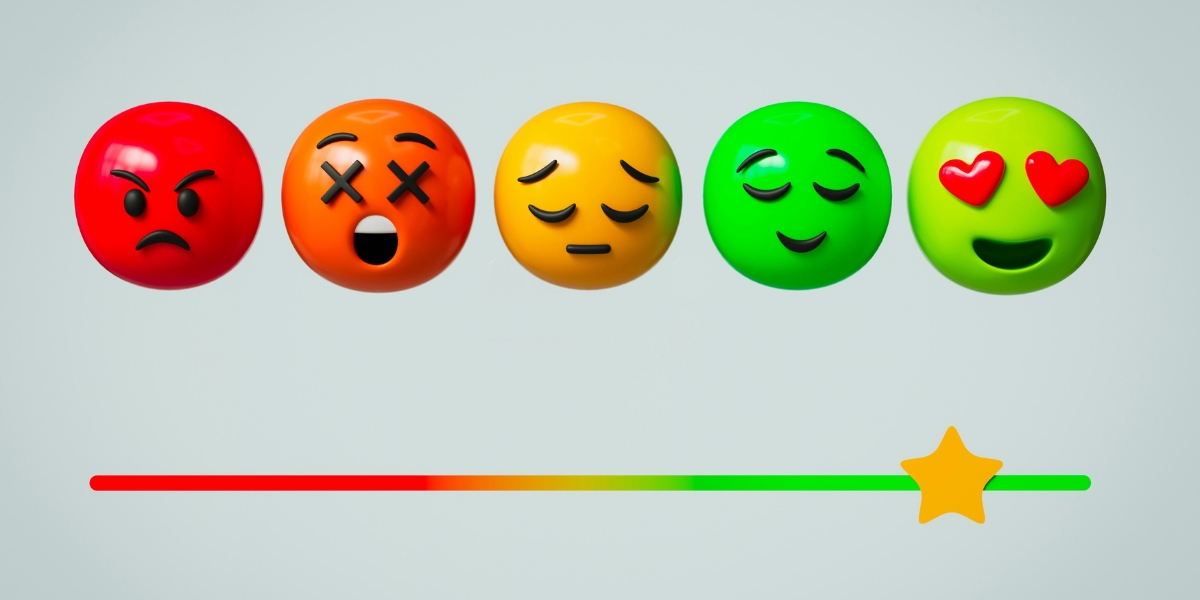
How to Leverage Feedback Loops to Improve Customer Satisfaction

Photo Credit: Unsplash.com

Once feedback is collected, it must be analyzed to identify trends. Categorizing responses into themes such as product quality, service, or pricing helps reveal patterns. Quantitative data, such as satisfaction scores, can be combined with qualitative comments for a fuller picture.

Technology supports this process. Tools that track and visualize feedback make it easier to spot recurring issues. For example, if many customers mention difficulty with a mobile app, the company can prioritize updates to improve usability.

Interpretation requires context. A single complaint may not indicate a widespread issue, but repeated mentions signal a pattern. Distinguishing between isolated incidents and systemic problems ensures appropriate responses.

Acting on Feedback to Drive Change

The most important part of a feedback loop is action. Collecting and analyzing data is only valuable if it leads to improvements. Customers expect to see that their input has been taken seriously.

Changes don’t always need to be large. Small adjustments, such as simplifying a checkout page or improving response times, can significantly improve satisfaction. The key is to demonstrate responsiveness and adaptability.

Communicating these changes back to customers closes the loop. Sharing updates such as “You asked for faster delivery, and we’ve added new shipping options” reinforces trust and encourages continued engagement.

Building Long-Term Feedback Systems

Sustainable feedback loops require consistency. One-time surveys or occasional reviews are not enough to maintain alignment with customer expectations. Regular collection and analysis ensure businesses remain responsive as needs change.

Integrating feedback into company culture is also important. Employees at all levels should understand the value of customer input and be encouraged to act on it. This creates a shared responsibility for satisfaction.

Over time, strong feedback systems become part of a company’s identity. Customers come to expect that their voices will be heard, and businesses benefit from a steady flow of insights that guide decision-making.