From Vision to Velocity: How the Strategic Growth Blueprint Builds Businesses Buyers Want, According to Twin Flame Group Founder Joe Carter

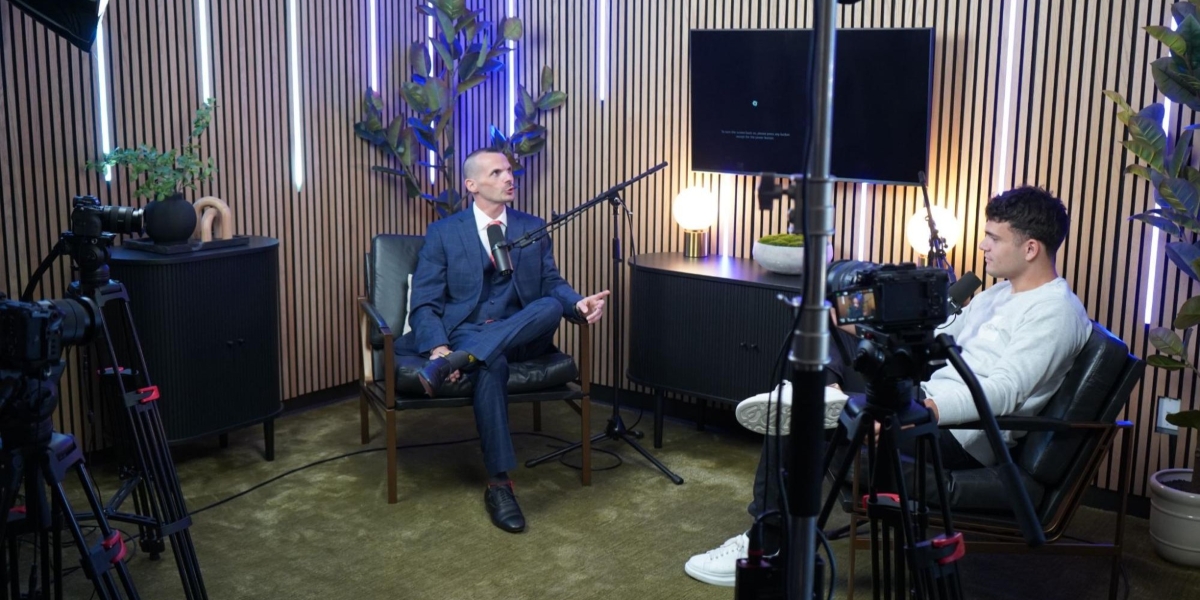
By: Natalie Johnson

Too many founders chase scale without knowing what they’re actually scaling. I’ve seen it firsthand: whiteboards full of strategy, but nothing sticks. That’s why I built Twin Flame Group—to help turn plans into performance. The goal isn’t just more revenue—it’s about creating more value. The conference room whiteboard is full of brilliant ideas. The quarterly goals are inspiring. But when it comes time to implement, the momentum fizzles. Plans collect dust while teams revert to the comfort of familiar routines.

Twin Flame Group was built to address that gap—because watching great ideas struggle in execution is exactly what drives founder Joe Carter’s mission.

Where Most Plans Die—Ours Help Deliver

The Texas-based consulting firm has developed what it calls the Strategic Growth Blueprint, a methodology designed to help transform strategic planning from an annual exercise into a continuous engine for tangible results. Most consultants leave you with a 50-page report and no roadmap. We built the Strategic Growth Blueprint to embed execution into your daily workflow. Because the truth is, revenue without structure can become chaotic—and buyers typically look for transferability, not just hustle. That’s why Twin Flame Group built the Strategic Growth Blueprint.

The Discovery phase begins with what most consultants often overlook: deep operational reality. Twin Flame Group conducts comprehensive market evaluations, identifies potential growth opportunities, and aligns business goals with actionable strategies. This isn’t theoretical. This is where revenue might be leaking, where systems may be breaking down, and why your team could be feeling stuck.

The Build phase converts strategy into structure. Tailored business systems, leadership development programs, and operational frameworks are implemented with a focus on scalability. Every solution is designed to function within the existing workflow, not replace it. The goal is enhanced efficiency and profitability without requiring companies to rebuild from scratch.

The Optimize phase aims to help maintain sustainable growth. Through continuous performance analysis, financial refinement, and adaptive systems, Twin Flame Group works with companies to navigate market shifts and keep momentum. This is where many consulting engagements end, but for Twin Flame Group, it’s where the real work begins.

Founder Joe Carter has demonstrated that successful transformation typically doesn’t start with technology or buzzwords. It often begins with strategic connections that bridge what is proven to what is possible.

The firm’s work with franchise systems highlights this approach. Rather than imposing generic growth tactics, Twin Flame Group begins by analyzing the specific operational realities of multi-unit management. How are territories allocated? Where do communication breakdowns occur? What prevents consistent execution across locations?

This diagnostic precision increases the likelihood that solutions target real problems, not assumptions—leading to potential gains in efficiency and revenue, not just updated org charts.

The methodology also extends into financial strategy and retirement planning. For entrepreneurs and franchise owners, growth without a financial structure can expose vulnerabilities. Twin Flame Group integrates comprehensive financial services directly into its consulting practice, making sure that scaling doesn’t come at the expense of long-term stability. Every client engagement is grounded in the 4 Modus Operandi: Clear Goals, Measurable Milestones, Specific Actions, and Weekly Accountability. Because consistency often delivers better results than intensity, in most cases.

The firm specializes in Safe Harbor 401(k) plans and annuity strategies, providing business owners with tools that may help build wealth while optimizing tax efficiency. The truth is, most firms treat financial planning like a separate department. We don’t. We build wealth and scale together—because growth without structure might not be sustainable.

What distinguishes Twin Flame Group is its focus on operational realism—solutions rooted in what works, not just what’s trendy. It drives transformation by strengthening what already works—rather than chasing trends.

This philosophy extends to how the firm approaches technology integration. Joe Carter has built authority not just through credentials but through consistent content that demonstrates practical expertise. His podcasts reach over 50,000 monthly listeners, and his book Driving, Not Surviving, outlines the core principles behind the Strategic Growth Blueprint.

The content serves a dual purpose. It educates potential clients on the firm’s methodology before they engage, creating alignment from the first conversation. It also reinforces the four pillars of the Strategic Growth Blueprint: strategic alignment, operational excellence, technological integration, and measurable outcomes.

These pillars appear across every consulting engagement, creating consistency and clarity. Clients generally know what to expect. Teams understand how initiatives connect to larger goals. Progress is tracked through specific metrics rather than subjective assessments.

Scaling with Clients Across Every Stage

The firm’s family-owned structure also shapes its approach. Twin Flame Group operates as a network of companies, each focused on a specific aspect of business growth. This structure allows for specialization without fragmentation, as each service integrates seamlessly with the others.

For entrepreneurs launching new ventures, the firm provides business consulting and leadership development. For franchise owners managing multiple units, it delivers operational systems and performance optimization. For executives navigating complex markets, it offers strategic advisory and competitive positioning.

This full-spectrum support system addresses the reality that growth is not always linear. Businesses face different challenges at different stages, and the consulting support must adapt accordingly. The Strategic Growth Blueprint is designed to scale with the client, providing the right level of intervention at the right time.

As the consulting industry continues to evolve, Twin Flame Group represents a shift toward implementation over theory. The firm’s methodology prioritizes action, measurement, and continuous improvement. Strategy isn’t an event—it’s a discipline.

For businesses tired of consultants who talk but do not deliver, Twin Flame Group offers an alternative: a framework built for execution, a team focused on results, and a process designed to turn vision into velocity. The best-run companies don’t wait for chaos to force change. They build systems that scale before they need them. For companies still scaling without a system, the Strategic Growth Blueprint offers a smarter path. Still scaling without systems? We can help. Start with the Strategic Growth Blueprint at twinflametx.com. Simple? Yes. Easy? No. Worth it? Most likely.


Disclaimer: The content provided in this article is for informational purposes only and should not be construed as professional advice. While the methodologies and strategies discussed are based on the experiences and perspectives of Twin Flame Group and its founder, Joe Carter, results may vary depending on individual circumstances. The information presented does not constitute a guarantee of specific outcomes and is subject to change based on evolving market conditions and other factors. Readers are encouraged to seek professional consultation tailored to their unique business needs.


Slip-Resistant Shoe Technologies: What’s Effective vs. Hype? – Jay S. Knispel Injury Lawyers

By: jknylaw

Slip-resistant shoes have become a major selling point across many industries — from healthcare and hospitality to retail, construction, and food service. Brands claim specialized tread patterns, advanced compounds, and “revolutionary” grip technologies designed to prevent falls. But with so many claims crowding the market, consumers are often left wondering which features genuinely improve safety and which are simply clever marketing.

This confusion matters because inadequate footwear can lead to dangerous accidents, costly medical bills, and long-term physical consequences. Many people involved in a slip and fall injury report that their shoes were blamed first — even when floor hazards or poor safety practices played a far larger role. 

The Science Behind Slip Resistance

Slip resistance begins with physics — specifically, the friction between the shoe’s outsole and the walking surface. When friction is high, the shoe grips firmly; when it’s low, slipping becomes more likely. Quality slip-resistant shoes aim to maximize friction across a variety of surfaces, but especially on wet or oily floors where traction is significantly reduced.

Effective slip-resistant outsoles use rubber compounds and tread channels designed to break through liquids and maintain contact with the ground. The goal is to prevent a “hydroplane effect,” where liquid builds up beneath the foot. However, not all companies use the same testing standards. Some perform internal tests that lack transparency, while others rely on recognized ASTM standards. Shoes tested in accordance with ASTM guidelines provide clearer, more reliable insight into their performance in real-world conditions.

Rubber Compounds: The Material That Matters for Performance

One significant difference between effective and ineffective slip-resistant shoes lies in their rubber composition. High-quality slip-resistant footwear often uses softer rubber compounds that grip the floor better, especially on smooth or slick surfaces. These outsoles flex slightly with each step, increasing the amount of surface area in contact with the ground.

Budget-friendly shoes may use more complex rubber blends that last longer but offer less traction. Many brands highlight durability to distract from reduced grip, but longevity means little if a shoe cannot prevent falls. It’s essential to determine whether a manufacturer prioritizes safety performance or simple wear resistance. For workers in high-risk environments, a softer rubber outsole is almost always worth the tradeoff of slightly faster wear.

Tread Patterns: Innovation or Illusion?

Tread design is a heavily advertised feature in slip-resistant shoes, with brands boasting hexagonal grids, micro-siping, multi-directional grooves, and more. While tread patterns certainly help disperse liquids, not all designs translate into real traction. Some patterns are too shallow to move liquids effectively, while others are so intricate that dirt and grease quickly clog the channels, rendering them useless.

A good tread design allows water, oil, and debris to escape, maintaining contact between the outsole and floor. A reliable pattern typically uses wide channels and deep grooves rather than delicate, decorative textures. Unfortunately, many shoes that look “high-tech” offer little real protection, especially against the kinds of slippery contaminants found in industrial kitchens, warehouses, or retail environments.

How Water and Oil Impact Traction

Many slip-resistant shoes are tested using water, but water is only one of many slippery substances found on workplace floors. Oil, grease, syrup, cleaning foam, dust, and sanding residue can all dramatically reduce traction. Shoes that perform well in water alone may fail when exposed to oily surfaces.

This is where marketing language often misleads consumers. Phrases like “non-slip” or “all-surface grip” rarely specify what substances were used during testing. Workplaces such as restaurants, automotive shops, and manufacturing facilities require footwear tested in oily environments — a detail that inexpensive or fashion-focused brands rarely disclose.

Comfort vs. Safety: Finding the Right Balance

Comfort is crucial in a work shoe, especially when long shifts or physically demanding tasks are involved. Many slip-resistant shoes come with memory foam insoles, cushioned midsoles, or ergonomic support features. However, comfort elements should not compromise stability or traction. Overly soft cushioning can alter the way a foot contacts the ground, increasing the risk of an ankle roll or misstep.

A truly effective slip-resistant shoe balances comfort and safety. It should offer solid arch support, heel stability, and cushioning without compromising the outsole’s structure. Workers should test how a shoe feels not only on a showroom floor but in conditions similar to their workplace environment.

When Marketing Overpromises and Performance Underwhelms

The slip-resistant footwear market is filled with buzzwords that sound impressive but often lack real meaning. Terms such as “anti-slip,” “traction-enhancing,” “ultra-grip,” and “slip-proof” are usually unregulated, allowing manufacturers to make bold claims without providing evidence.

Red flags that suggest marketing hype include:

  • No mention of testing standards
  • Vague descriptions of “advanced technology”
  • Slick promotional photos with little technical detail
  • Shoes are marketed heavily for style rather than function
  • Lack of third-party certification or safety ratings

Some brands rely on celebrity endorsements or lifestyle imagery rather than actual performance results. For workers in high-risk environments, trusting these claims without verification can be dangerous.

What Really Works: Tested Features Worth Paying For

To cut through the noise, consumers should focus on features that are effective. These include:

  • Verified ASTM or SATRA slip-resistance testing
  • Soft rubber outsoles engineered explicitly for traction
  • Deep, wide tread channels
  • Oil-resistant designs for industrial environments
  • Stable heels and supportive midsoles
  • Shoes built for specific workplace conditions rather than general use

Real slip resistance comes from engineering, not marketing. When choosing footwear, prioritize design elements backed by data over flashy descriptions.

Beyond the Shoe: A Smarter Approach to Preventing Falls

Even an advanced shoe cannot prevent every fall. Slip-resistant footwear is only one part of a broader safety strategy. Floor maintenance, proper cleaning protocols, signage, adequate lighting, and employee training all play critical roles in preventing accidents.

Employers should treat slip-resistant footwear as a complementary safety tool rather than a stand-alone solution. Workers should regularly check their shoes for wear, clogging treads, or loss of grip — because even excellent shoes degrade over time.

Choosing Footwear With Confidence

Slip-resistant shoe technology continues to evolve, but not every innovation is meaningful. Consumers must learn to separate genuine engineering improvements from exaggerated marketing claims. Understanding materials, tread design, and testing standards empowers you to choose footwear that truly enhances safety rather than relying on empty promises.

By taking a careful, informed approach, you can dramatically reduce your risk of slips and falls — and avoid the injuries, long-term pain, and financial strain that come with them.

Disclaimer: The content in this article is provided for general knowledge. It does not constitute legal advice, and readers should seek advice from qualified legal professionals regarding particular cases or situations.

How Traction Fund De-Risks AI Startups in Regulated Markets

By: Melina Carter

Over the past five years, enterprise AI has evolved from a cutting-edge technology into a central component of industries such as finance, legal services, insurance, and healthcare. However, the startup landscape feeding these sectors remains challenging. In regulated markets, even minor errors—such as a hallucinated output or compliance misstep—can significantly impact an AI vendor’s trajectory. For investors, this creates a dilemma: the greatest opportunities may lie in enterprise AI, but the risks can be concentrated and unpredictable.

Traction Fund, an investment platform focused on enterprise and applied AI startups, has developed a unique solution to address these challenges. Its reverse-diligence model leverages a network of senior executives—CIOs, COOs, CFOs, CISOs, General Counsels, and operations leaders—who assess startups not just as investors but from the perspective of potential customers.

This approach, though straightforward, has far-reaching implications.

Why Traditional VC Diligence Falls Short in Regulated AI

Typically, venture capital firms evaluate startups based on financial, product, and market analysis. However, in the field of enterprise AI—particularly where compliance, data governance, workflow reliability, and integration complexity are critical—external diligence is often insufficient.

A model’s performance in a demo rarely provides investors with insight into:

  • Deployment challenges
  • Internal stakeholder adoption
  • Integration timelines
  • Data-security limitations
  • Regulatory considerations
  • Total cost of ownership

These aspects can only be fully assessed by enterprise buyers—executives responsible for managing high-stakes operations and who understand what is necessary to implement tools in complex environments like global banks, U.S. law firms, or public-sector organizations.

Traction Fund’s innovation lies in making these executives the first line of evaluation, rather than an afterthought.

The Reverse-Diligence Model

Central to this approach is Traction Club, a curated network of over 70 senior leaders from Fortune 500 companies, leading law firms, global financial institutions, and regulated industries. Before Traction Fund makes any investment, these executives evaluate AI vendors from a buyer’s standpoint.

Some of the key questions they consider include:

  • Can this model be deployed safely in our environment?
  • Does it improve on our current workflows or vendors?
  • Is the integration cost reasonable?
  • Will end-users adopt this solution?
  • Does it meet compliance, audit, and security standards?
  • Would we consider piloting this solution today?

If the answer is “yes,” something remarkable happens: these executives often commit to becoming early customers or pilot partners during the due diligence process. This accelerates revenue generation, which can be challenging for founders at the pre-Series A or pre-Series B stage, as it occurs even before the investment is finalized.

Traction Fund executives note that around 70% of investments begin with direct requests from executives: “We need a tool that solves X. Can you find a company that offers this solution?” The fund sources globally, narrowing the field to startups with solid technical foundations and clear enterprise potential.

In some instances, startups receive enterprise introductions or pilot opportunities, even if the fund chooses not to invest. This dual value of the model is one of its core strengths.

A New Operational Layer Between Startups and Enterprises

The fund’s internal strategy and operational planning have recently been led by Ulvi Rashid, its Finance and Investment Director. His structured diligence framework—developed in collaboration with Traction Club executives—has turned the process into a repeatable methodology that reduces risk for investors while accelerating early revenue for founders.

“Most enterprise AI startups fail not because the technology is flawed, but because the buyer dynamics are misunderstood,” explains one senior banking CIO who participates in Traction Club. “The approach Traction Fund uses allows us to test vendors earlier and avoid implementation pitfalls.”

Through this reverse-diligence model, startups benefit from:

  • Real enterprise feedback from actual buyers
  • Pre-validated use cases
  • Revenue opportunities during diligence
  • Clearer product-market fit
  • Direct insights into buyer decision-making processes
  • Enterprise references for future sales

For founders, this approach may help accelerate enterprise adoption, potentially shortening the typical go-to-market timeline by several months compared to traditional methods.

However, it is essential to acknowledge that, like all investment strategies, the process involves inherent risks. The startup landscape is unpredictable, and there are no guarantees that any specific model or startup will achieve long-term success, particularly in complex, regulated industries. Despite this, Traction Fund’s model offers a favorable framework for reducing risk and facilitating more informed, responsible AI adoption in sensitive sectors.

For the growing AI ecosystem, Traction Fund’s approach could serve as a blueprint for responsibly deploying innovation across some of the world’s regulated industries.


Disclaimer: The content in this article is for informational purposes only and does not constitute financial, investment, or legal advice. The views expressed are those of the author and do not reflect the opinions of any associated organizations. Investments in startups, particularly in regulated markets, involve significant risks, and past performance is not indicative of future results. Readers are encouraged to conduct their own research and consult with qualified professionals before making any investment decisions.

Proton AG’s Approach to Improving Remote Team Performance

By: Brian Debelle

Productivity has moved firmly into the limelight. The business landscape has shifted from traditional office layouts, with bosses looming over shoulders, to an increased reliance on intrinsic motivations. According to Forbes, ⅕ of Americans are remote workers, while 98% would prefer this work model. How can businesses maximize productivity from a distance?

Inspiring and protecting productivity is still possible, but it requires strategic execution. Here are four methods for businesses to amplify company-wide productivity – without breathing down anyone’s necks. 

Build a High-Performance Culture for Remote Teams

High performance means more than “clocking in” and “clocking off.” It demands accountability, provides clarity of goals, and creates efficient workflows that drive tangible results. A high-performing employee is a company’s dream.

Demands without support are meaningless, though; teach the benefits of strategies like timeboxing and invest in performance check-ins. Continuously operate from a foundation of positive reinforcement and cultivate a culture of meritocracy, where effort is rewarded. Performance is shaped by team culture, and for remote teams, consistent communication is a key driver.

Optimize Technology & Infrastructure for Seamless Collaboration

Productivity requires a streamlined approach, and technology might help. Many businesses stumble at the pitfall of sticking with dated systems; upgrade. Consider investing in AI productivity tools and project management or communication channels like Slack and Trello. These tools foster seamless collaboration and provide employees with stronger foundations

Remember that remote teams are vulnerable to security breaches as well; a business VPN  (Virtual Private Network) optimizes remote access by protecting data, regardless of where someone logs in.  

Empower Teams with Data-Driven Metrics and Feedback Loops

Nobody enjoys working in an echo chamber. Set measurable targets and establish feedback loops — without consistent “watering,” employees cannot thrive. Data-driven metrics and regular check-ins are a valuable form of empowerment, especially for remote teams. When employees see their progress reflected in real-time, it reinforces their sense of purpose and drives them to achieve even greater results. Consistent feedback not only motivates but also helps identify areas where additional support or resources may be needed to reach full potential.

To streamline this process, invest in automated analysis tools and set specific “check-in” days—for instance, weekly shoutouts on Monday mornings to high performers from the previous week. Create opportunities to collect employee input, too, such as bi-annual reviews or surveys. This approach encourages a culture of continuous improvement, where employees feel recognized and motivated. Regular feedback loops also help identify potential areas for growth and ensure that teams stay aligned with company goals.

Foster Connection, Well-Being, and Prevent Burnout

Protect your people, and productivity will follow. Treating companies as “families” is regarded as a red flag, synonymous with crossed boundaries and poor work-life balance. Effective leadership extends beyond parroting productivity hacks to work smarter; it involves understanding which environments foster better results.

The trick is to invest in the human side of your business. Plan frequent opportunities for connection, champion paid leave, and offer company perks in the wellness space. Ultimately, rested and appreciated employees deliver better results. By fostering a supportive and balanced work environment, employees feel valued and motivated. When businesses prioritize well-being, they not only improve productivity but also cultivate a loyal and engaged workforce.

Productivity can feel like a myth, an elusive measurement of success that’s always slightly out of reach. Yet, the secret is knowing how to summon it. With these four strategies, you’ll be maximizing success on whole new levels. Productivity may seem intangible, but with the right approach, it becomes achievable. By focusing on the key strategies outlined, businesses can unlock their full potential and create an environment where efficiency thrives.

Disclaimer: The information provided in this article is for general informational purposes only. It is not intended as professional advice and should not be relied upon as such. Please consult with relevant experts or professionals before making any business or productivity-related decisions.

How Sirius the Seagull Takes Flight on the Wings of Grandma Lulu’s Imagination

By:  Robert Garcia

Lourdes N. Cruz, known to her readers as Grandma Lulu, believes storytelling is more than entertainment. It is a bridge between generations, a conversation between wisdom and wonder. Her debut children’s series, Sirius the Seagull, captures that spirit perfectly, blending imagination, travel, and heartfelt lessons about kindness, respect, and curiosity.

When Cruz speaks about her inspiration, her eyes light up. “It all began with my granddaughter,” she says. “Explaining life to a child means becoming creative; you have to make values feel alive.” That impulse to teach through play grew into a world where a curious seagull becomes a guide for young minds as they discover both the globe and themselves.

The Story Behind Sirius the Seagull

The idea for Sirius the Seagull began, quite literally, on a shelf. Cruz once bought a decorative seagull for her husband, gave it a name, and started taking it on trips. The bird quickly took on a personality of its own. What began as an inside joke evolved into a character that embodies adventure, learning, and love.

In the books, Sirius travels with his parents, meeting new friends and exploring the world. Each stop offers young readers lessons about geography, culture, and good values woven naturally into bright, lyrical storytelling. “I wanted something that felt like fun,” she says, “but quietly built character too.”

The Heart of a Teacher and the Soul of a Storyteller

Before becoming an author, Cruz taught mathematics in Puerto Rico. Teaching, she says, never left her. “Even when I moved into real estate and other careers, the teacher in me was still alive.” Her mother was a superintendent, and her siblings also taught. Education is in her DNA.

That foundation gives Sirius the Seagull its distinctive tone, a blend of nurturing and purposeful. Every story introduces a moral concept of integrity, generosity, and accountability through action rather than lecture. Her goal, she explains, is to “sneak the lesson in through laughter.”

Turning Real Journeys into Imaginary Adventures

Cruz writes about what she knows best, the joy of travel and discovery. Every location Sirius visits is a place she has seen herself. Hawaii’s unpredictable weather inspired one of her favorite chapters, where a family vacation turns into a lesson about gratitude. “Things don’t always go as planned,” she recalls. “But what matters is being together. You can always turn disappointment into joy.”

From the volcanic islands of the Pacific to the misty coasts of San Francisco, each setting becomes a backdrop for a life lesson. Travel, for Cruz, is the best teacher, and Sirius is the child’s passport to curiosity.

How Sirius the Seagull Takes Flight on the Wings of Grandma Lulu’s Imagination

Photo Courtesy: Lourdes N. Cruz

Illustrating Imagination by Crafting a World That Feels Alive

Cruz credits her creative team for transforming her stories into a visual experience children can touch and feel. She collaborates closely with illustrators, sending them photos and detailed notes to capture the emotion of each scene. “Writers imagine in words, illustrators imagine in color,” she says. “When those two meet, magic happens.”

The result is a book series where every page feels alive, seagulls soar, waves sparkle, and young readers sense movement between one adventure and the next. The illustrations extend her storytelling philosophy that learning should be beautiful.

When Challenges Become Lessons in Disguise

Cruz’s optimism is not theoretical; it is hard-won. After Hurricane Maria devastated Puerto Rico, she lost nearly everything and relocated to the United States. That upheaval, she says, “reconnected me to what truly matters: family, creativity, and purpose.”

That same belief runs through her stories of setbacks as invitations to grow. In one chapter, bad weather cancels Sirius’ outdoor plans, but the family transforms the day into a popcorn-and-movie night. “Every obstacle,” Cruz notes, “is just another chance to teach love and resilience.”

Beyond the Page of Inspiring Learning Through Play

Cruz’s imagination doesn’t stop with books. She envisions Sirius the Seagull expanding into interactive platforms that merge education and play. Her dream is a geography-based game where children follow Sirius’s travels, answer questions about landmarks, and learn manners and cultural respect along the way.

“Children learn by doing,” she says. “If they can play and learn at the same time, we reach them where they already are on their screens, with curiosity as the guide.”

A Legacy of Love, Imagination, and Hope

For Grandma Lulu, writing is both a legacy and a love letter to her family, her students, and the generations of children who will meet Sirius the Seagull. She hopes her books spark conversations between parents and kids, encouraging families to explore, imagine, and dream together.

“Stories stay,” she reflects. “They outlive us. If Sirius teaches one child to be kinder, more curious, or more grateful, then I’ve done my part.”

And with that, Grandma Lulu’s imagination keeps soaring, proof that a good story, like a seagull on the wind, always finds its way home.

Discover the best of Sirius the Seagull on Amazon and explore more on  Grandma Lulu’s personal website. Click below to start the journey:

Stanley Paden Releases I Hate Saint Louis, A Piercing Novel About Urban Stagnation and the Search for Better Lives

By: Olga Marie

Author Stanley Paden Releases Unflinching Fiction Exploring Why People Stay in Places That Crush Their Dreams

There’s something brutally honest about a book that wears its contempt on the cover. The new release by Stanley Paden does not apologize for its title and dilute its message. The outrageousness of “I Hate Saint Louis” comes as a fictional documentary of individuals who are living in mediocrity, struggling with the quicksand of complacency that is threatening to engulf their dreams.

The book begins in a café where privileged adolescents harass service employees when customers are drinking coffee, trying to calm their nerves. This isn’t just scene-setting. Paden builds up a whole world of discontent, with baristas scrubbing down toilets with deliberate blockage, adjunct professors juggling three half-time jobs without insurance, and property rehabbers observing the contractors not appearing for the third week in a row.

What makes this narrative compelling isn’t the dysfunction itself but how ordinary it feels. Jane, the café worker, could be serving you tomorrow. Tom, the ESL instructor who was pickpocketed at work only to watch his colleagues shrug it off, might be teaching your community college night class. These aren’t dramatic failures. They’re the slow erosion of hope that happens when systems stop working, and nobody seems to care enough to fix them.

Paden uses his long-time life experiences in the state of Iowa, Oregon, Missouri, New York, much of the Czech Republic, and China. His experience in the teaching profession abroad, as well as in the city, suburbs, and countryside, provides a differentiated perspective upon the occurrence of an urban area where the city has lost its progressive impetus. The way the author speaks more than one language and loves other cultures makes his descriptions of how international students have to work in an educational system where they are not even considered as individuals more detailed.

The book doesn’t traffic in subtlety. Characters repeatedly declare their hatred for their surroundings, yet they stay. That’s the uncomfortable truth Paden forces readers to confront. Leaving requires money, courage, and the belief that something better exists elsewhere. Not everyone possesses all three simultaneously.

The subplot of the renovation of Sally and Jim is an interesting contrast to the agony of the service industry. They are aiming to create something physical, to create value by working and persevering. But they encounter their own chain of problems: bad contractors, unbelievable plumbing nightmares, and Paul, a freeloader who has no better thing to do with his time than to face any potential solution with it. The experience of buying a home and investing one dollar in it to create successful rental properties can be seen as a case of grit, even though they are plotting their own escape from the city where they built their success.

Paden excels at capturing the absurdity of modern work culture. Renee, a learning specialist, delivers job interview seminars while secretly applying for positions elsewhere. Tom battles a tyrannical new supervisor over email etiquette while sending out resumes during his lunch break. The disconnect between institutional rhetoric about supporting employees and the actual experience of working within those institutions provides some of the novel’s sharpest commentary.

The café itself functions as a microcosm. When new management strips away the beverage bar and implements strict loitering policies, profits don’t increase. Customers vanish. The cost-cutting measures designed to save money accelerate the decline instead. It’s a lesson many struggling businesses refuse to learn: austerity without vision just hastens the inevitable.

Beth, the adolescent vandal who constantly causes trouble with the bathrooms of the cafes, is more than just delinquent. She is anarchy in person, the embodiment of a culture that no longer believes in imposing punishment or instilling discipline. As her mother justifies the actions of her daughter even after it is clear, Paden depicts the way dysfunction is replicated over generations.

The conversion of St. Louis Bread Company into Panera, with security measures as well as police procedures, is an indication that there are cases when corporate efficiency has worked when local goodwill has failed. It does not make a comfortable conclusion. The fact that Jane is promoted to manager by the new regime justifies her grievances with the former boss, besides pointing out the rarity of an individual being heard and rewarded for speaking the truth.

What distinguishes this work from typical regional fiction is its refusal to romanticize struggle or redemption. Characters who escape don’t look back fondly. Tom found his full-time teaching position in Kansas through relentless application submission, not networking or lucky breaks. Renee lands her Arizona job the same way. Their success comes from volume and persistence, not talent, and finally being recognized as talent.

Paden’s background as an avid reader across multiple genres shows in his narrative structure. He weaves together multiple storylines without losing momentum, letting characters intersect naturally rather than forcing connections. The reunion scene near the conclusion brings everyone together not for closure but for acknowledgment: they survived something soul-crushing and made it out.

For readers exhausted by stories that insist grit and positive thinking overcome all obstacles, “I Hate Saint Louis” offers something different. It validates the experience of feeling stuck, of working hard in systems designed to extract maximum labor for minimum reward, of watching mediocrity become normalized because excellence requires resources nobody wants to provide.

This book will resonate with anyone who has ever looked around their surroundings and thought, “There has to be something better than this.” Paden confirms that instinct, while showing exactly how difficult it is to act on it. Sometimes hating where you are is the first step toward finding where you belong.

About the Author:

Stanley Paden was brought up in Needham, Massachusetts, and has lived in numerous different locations all over the globe. He attended Missouri State University, New York Hunter College, and Webster University in Saint Louis, Missouri. Having taught English in the Czech Republic and China, he can converse in Spanish and the Czech language and has fundamental knowledge of various other languages. His experiences living and working in Saint Louis, combined with his time in urban, suburban, and rural settings across America, provided the foundation for this novel. Being a passionate reader of various genres, Paden devotes his work to capturing the frustrations of working-class Americans navigating stagnant economies and institutional indifference. His diverse background allows him to observe contemporary struggles with a fresh perspective, examining how cities either nurture or crush the people who build them.

I Hate Saint Louis by Stanley Paden is now available for purchase on Amazon.

Benzo Detox at The House of Life: A Comprehensive Approach to Healing

When it comes to overcoming substance use disorders, including benzodiazepine (benzo) addiction, finding the right support system is crucial. The House of Life, a luxury rehabilitation and mental health treatment center in Simi Valley, California, offers a personalized approach to detoxification, providing individuals with the resources and care they need to heal from benzo dependence in a serene, medically supervised environment.

Understanding Benzodiazepine Addiction

Benzodiazepines, commonly prescribed for anxiety, insomnia, and other mental health conditions, can become addictive when used for prolonged periods. Withdrawal from benzos can be challenging and, if not appropriately managed, can lead to serious physical and mental health risks. The House of Life specializes in benzo detox, offering a medically supervised, compassionate approach to detoxification that ensures safety and comfort.

Why Choose The House of Life for Benzo Detox?

The House of Life provides a comprehensive range of services aimed at addressing both the physical and psychological aspects of addiction. The luxury rehabilitation center’s holistic approach ensures that every client receives personalized care, whether it’s for benzo detox or other substance use disorders.

1. Medically Supervised Detoxification

At The House of Life, benzo detox is managed by a team of medical professionals who specialize in addiction recovery. Detoxification from benzodiazepines requires careful monitoring to avoid complications like seizures or severe withdrawal symptoms. With medical detoxification, clients can safely and comfortably begin their recovery journey under the guidance of experienced healthcare providers.

2. Dual Diagnosis Support

Many individuals struggling with benzo addiction also face co-occurring mental health conditions such as anxiety, depression, or PTSD. The House of Life addresses these concerns through dual diagnosis support, ensuring that both substance use and mental health issues are treated simultaneously. This integrated approach is key to long-term recovery.

3. Holistic Healing Practices

In addition to medical detox and therapy, The House of Life incorporates holistic healing methods to support the mind and body. Mindfulness, meditation, and nature-based therapies offer clients a way to reconnect with themselves and find peace during the detox process. These treatments complement traditional medical care and promote overall wellness.

The Benefits of a Luxury Treatment Center for Benzo Detox

A luxury rehabilitation center like The House of Life provides more than just medical treatment. The serene, private setting in Simi Valley allows clients to focus fully on their recovery. The premium amenities, including a 10-hole private golf course, sauna & hydrotherapy access, and chef-prepared meals, support both physical health and emotional wellness, ensuring clients feel comfortable and cared for throughout their stay.

1. Private Suites for Enhanced Comfort

Each client at The House of Life is treated with the utmost respect and privacy. The facility’s private suites provide a comfortable, peaceful environment that promotes healing. Clients can enjoy a restorative, tranquil space as they work through their detox process and begin their journey to recovery.

2. Specialized Therapeutic Programs

The House of Life offers individual and group therapy, ensuring that clients receive tailored support for their unique experiences. Additionally, trauma-informed care addresses the deep emotional wounds that often accompany addiction, allowing clients to work through past trauma while focusing on their future.

3. A Good Record of Recovery

With a focus on relapse prevention programs and long-term healing, The House of Life is committed to providing clients with the tools they need to maintain sobriety. By combining evidence-based treatment with personalized care and luxurious amenities, the center has built a reputation for helping individuals achieve lasting recovery from benzo addiction and other substance use disorders.

Conclusion

At The House of Life, recovery is not just about detoxification; it’s about total transformation. Whether it’s the medically supervised benzo detox, the integrative therapies, or the luxury accommodations, The House of Life provides a comprehensive treatment plan that addresses all aspects of addiction recovery. With the right support, individuals can heal, regain their strength, and begin a new chapter in life.

Contact The House of Life

Phone: +1 (805) 888 8000

Email: admissions@thehouseoflife.com

Address: 468 Alta Mira Street Simi Valley, United States, CA 93065

Disclaimer: The information provided in this article is for informational purposes only and does not constitute medical or professional advice. The House of Life is a licensed rehabilitation and mental health treatment center specializing in benzo detoxification. While the center offers personalized care, medical detoxification, and holistic healing approaches, individual experiences may vary. Always consult with a healthcare professional before making any decisions regarding treatment for substance use disorders or mental health concerns. The House of Life does not guarantee specific outcomes or recovery timelines.

Deal Done Serbia – Elevating Football Business in the Balkans

Deal Done Serbia 2025 aims to make an impact in the football business world as one of the first international football business events held in Serbia. To position Serbia as a central player in the global football scene, the event will bring together renowned clubs, federations, agents, sponsors, and key institutions from across Europe and beyond. By showcasing the country’s capabilities in hosting large-scale sports events, the organizers aim to make Deal Done Serbia a cornerstone in the growing intersection of football and business.

The event will take place on December 13-14, 2025, at the Sports Center of the Football Association of Serbia (FSS) in Stara Pazova. This modern venue, often referred to as the “House of Football,” is the heart of Serbian football and serves as a recognized hub for international football delegations. Known for its state-of-the-art infrastructure, the FSS Sports Center offers the perfect setting to highlight Serbia’s growing ambition to establish itself as a major hub for football business. With its strong ties to the national football scene and the international recognition it has earned, this venue provides an ideal backdrop for such a high-profile gathering.

For more details on the event, the official website, www.dealdoneserbia.com, offers a wealth of information and resources. Those interested in attending can find event schedules, speaker lineups, and further details on the various activities planned for the two days.

The core mission of Deal Done Serbia 2025 is to strengthen Serbia’s role as a credible hub for innovation, networking, and strategic partnerships in the football industry. As a pioneering event in the region, it aims to open new avenues for collaboration across the football ecosystem. Deal Done Serbia will feature high-profile panels, bringing together international speakers and thought leaders from the football business world. These discussions will cover a wide range of pressing topics, from emerging trends in football management to the latest developments in sports technology.

In addition to panel discussions, the event will host exclusive networking sessions that offer clubs, agents, investors, and other stakeholders opportunities to forge valuable partnerships. These sessions are designed to facilitate deeper conversations, unlock potential synergies, and create new business opportunities that will benefit the football industry in Serbia and beyond.

A key highlight of the event will be the showcase of cutting-edge sports technology and fitness equipment that is shaping the future of the game. Innovations in sports science, training equipment, and fan engagement technology will be on display, offering attendees a chance to experience firsthand the advancements that are revolutionizing the football industry. This focus on technology reflects the growing role of innovation in sports and demonstrates Serbia’s commitment to staying at the forefront of these changes.

Deal Done Serbia – Elevating Football Business in the Balkans

Photo Courtesy: Deal Done Serbia

Moreover, Deal Done Serbia will receive institutional support from various organizations, reinforcing Serbia’s growing stature in the global football economy. This backing signals confidence in the country’s ability to host world-class events and foster a vibrant football business ecosystem. It also further establishes Serbia as a rising force in international sports.

Deal Done Serbia is not just an event for 2025; it is intended to be a long-term strategic platform that continues to grow and evolve in the coming years. The organizers aim to make it a perennial fixture on the football business calendar, creating new opportunities for collaboration, innovation, and growth year after year. By connecting Balkan countries and Türkiye with the broader European market, the event will also open doors to global partnerships, positioning Serbia as a key player in the worldwide football economy.

With meticulous planning, professional logistics, and a strong visual identity, Deal Done Serbia 2025 commits to being a turning point for the region. It will showcase the Balkans’ ability to host world-class events, demonstrating that the region is ready to contribute to global football in a meaningful way.

By mobilizing key clubs, federations, and partners, Deal Done Serbia seeks to strengthen Serbia’s international credibility and establish a tradition of excellence that will resonate across Europe. This event is just the beginning of a transformative journey for Serbia, as it continues to build its reputation as a central hub for football business and innovation.

Where To Sell Tiffany Jewelry Online Safely: Complete Guide

Every item of jewelry has a story, the story of love, the story of milestones, or moments frozen by time.  

But then comes the moment when it is time to part with your favorite possession: to end a chapter, become financially independent, or make space for something new.  

The sale of fine jewelry is not about buying and selling; rather, it is a process that combines emotion and practicality.  

One major challenge most people face is finding a safe and reliable way to turn beauty into value without losing peace of mind.  

It is, therefore, crucial to learn the entire procedure and, more to the point, how one can identify a good resale site, the safest payment system, and the best shipping and insurance practices.  

For readers who are looking to sell their Tiffany jewelry online, this guide covers it all, from the best luxury resale sites to best practices to ensure secure transactions, packaging, and insurance coverage. 

1. Learn How Valuation Works 

Knowing how jewelry pricing works will save you from unrealistic expectations and equally insane lowball offers.  

Typically, buyers will assess metal purity, gemstone quality, overall condition, and design craftsmanship. 

Generally speaking, anything in its original packaging or with any paperwork holds more value. Understanding what affects an appraisal can also enable you to recognize good offers. 

Reputable buyers also consider current market demand, fashion trends, and changes in metal prices. 

It is appropriate to consider doing an independent appraisal before you sell tiffany jewelry online. It provides a base-level estimate and firms up your negotiating position when comparing offers. A clear valuation understanding creates the basis for a confident sale. 

2. Choose Secure Resale Platforms 

Selling through a recognized resale platform gives one an added layer of protection. Most of these websites specialize in high-end merchandise and have strict standards for authenticity and seller verification. 

They also provide structured payment systems in which your funds are released only after confirmation of receipt and inspection. 

The verified platforms, unlike unregulated marketplaces, would have documentation and secure channels that reduce fraud. 

You’ll generally start the process by uploading clear images, a short description, and any authenticity documents to get an initial offer. 

This is a professional setting that simplifies the process and helps ensure your piece reaches serious buyers who value quality. 

Where To Sell Tiffany Jewelry Online Safely: Complete Guide

Photo: Unsplash.com

3. Compare Offers and Understand Terms 

Comparisons affect how much you get, as different buyers may put a different value on your jewelry. 

Not at the first offer, for sure. Always pay close attention to each buyer’s terms, as some include free return shipping when you decline their offer, while others charge a handling fee. 

Pay attention to payment methods and processing times; serious buyers usually transfer funds within days of accepting an offer. 

Transparency and responsiveness are good indicators of professionalism. Evaluating multiple offers not only gets you the best price but also helps you identify the buyer who communicates candidly and respects your concerns. 

4. Prepare Documentation for a Seamless Sale 

In fact, documentation adds credibility to your transaction and often increases the perceived value of your jewelry. 

Keep receipts, appraisals, or any authenticity certificates on file. If no official documentation is available, include clear, detailed photos and any available history of the piece. 

Buyers like transparency; it instills confidence and hastens verification. It allows you to include your contact information and any specific care instructions for shipping the item. 

A clear record protects you against discrepancies and enables seamless transaction processing. In the luxury resale space, well-documented pieces always stand out.

5. Secure Payment and Follow-Up

When accepting an offer, be sure to review the payment details the buyer has proposed carefully. Legitimate buyers will always suggest a safe, traceable payment method such as a direct bank transfer or check. 

Avoid any arrangement that would request an upfront fee or deposit. Once the payment is received, confirm with a payment receipt and follow through with communication through the transaction closure. 

If, for any reason, you decide not to sell, make sure the return shipment is both tracked and insured. Serious buyers will return your jewelry quickly and will pay for shipping in both directions. 

Records kept from beginning to end ensure your transaction is both transparent and secure. 

6. Ship Safely with Insurance 

One of the most essential parts of the selling process is shipping. Always use a courier service that requires a signature, is trackable, and provides insurance. 

Then, of course, there’s the proper packaging: wrapping your jewelry in soft material, placing it in a sturdy box, and making sure there’s nothing on the outside that indicates the jewelry’s value. 

Please take photos of the item from all sides before you mail it, so you can prove its condition if it arrives damaged.  

Quite a few buyers are good to work with, providing you with pre-insured labels or arranging an insured pickup. 

Insurance cover will keep your piece financially protected in the event of any unforeseen event during transit. This step is critical in maintaining confidence and creating peace of mind. 

Where To Sell Tiffany Jewelry Online Safely: Complete Guide

Photo: Unsplash.com

Wrapping Up 

Selling fine jewelry online can be empowering when you consider how to do so safely. 

Reputable buyers who understand valuation, select appropriate resale platforms, use insured shipping, and have detailed recordkeeping assure safety and fair value. 

Take the time to review offers and ask questions when something is not clear. Be thoughtful at every step from packaging to payment, and your treasured piece will turn into value with confidence. 

A well-prepared seller means a protected seller, and every successful transaction begins with knowledge, caution, and trust in the right hands. 

Experience Corey Holcomb Live: 5150 Industry Repo Show Tour Dates & Details

Comedian Corey Holcomb to Take the Stage with 5150 Industry Repo Show Tour

Corey Holcomb, the celebrated comedian, actor, and radio host, is hitting the road with his highly anticipated 5150 Industry Repo Show tour. Kicking off in December, Holcomb will bring his unique comedic voice and irreverent humor to audiences across North America. Known for his fearless commentary on relationships and his no-holds-barred delivery, Holcomb ensures a night of laughter that will resonate with fans from all walks of life. The tour is set to bring his unparalleled brand of comedy to cities like Philadelphia, Anaheim, Las Vegas, and Boston, with tickets available through Live Nation.

Confirmed Dates for the 5150 Industry Repo Show Tour

Corey Holcomb’s 5150 Industry Repo Show will make stops in four major cities across North America. Fans can look forward to experiencing Holcomb’s signature mix of humor and life advice as he tackles everything from relationships to everyday struggles. Here are the confirmed tour dates:

  • Sunday, December 21 – Philadelphia, PA – The Fillmore
  • Sunday, December 28 – Anaheim, CA – House of Blues
  • Saturday, January 18 – Las Vegas, NV – House of Blues
  • Sunday, February 1 – Boston, MA – House of Blues

Tickets for the shows will be available for purchase beginning with an artist presale on Thursday, October 16, followed by general ticket sales starting Friday, October 17 at 12 PM local time on LiveNation.com.

Presale and General Onsale Details

Fans eager to attend one of Holcomb’s highly anticipated performances can take advantage of early access to tickets during the artist presale starting on Thursday, October 16. Additional presale opportunities will be available in the days leading up to the general sale, which begins Friday, October 17, at 12 PM local time. Tickets for the 5150 Industry Repo Show can be purchased via LiveNation.com once the presale and general sale begin.

A Phone-Free Experience

In an effort to create an immersive, distraction-free experience for fans, Corey Holcomb’s shows will be phone-free. Upon entering the venue, all phones, smartwatches, and accessories will be secured in Yondr pouches. These pouches will remain sealed throughout the performance and can only be accessed after the event. Fans are asked to keep their phones in the pouches to avoid any distractions during the show. If anyone is seen using a device during the performance, they will be escorted out of the venue. This initiative ensures a more engaging and memorable live comedy experience.

Corey Holcomb: A Voice of Relatable Comedy

Corey Holcomb’s comedy has long resonated with audiences due to his ability to blend humor with real-world insights into relationships, social dynamics, and personal experiences. Known for his raw, unapologetic takes on love and dating, Holcomb offers audiences a mix of sharp wit, observational humor, and unfiltered advice. His distinctive perspective on relationships—particularly his comedic take on how men navigate complex romantic dynamics—has made him a go-to figure for fans seeking both laughter and understanding.

Holcomb’s comedic style is rooted in honesty, tackling topics that many comedians shy away from. His ability to deliver laughs while also offering commentary on relationship struggles, particularly between men and women, has made him a favorite among audiences looking for comedy that speaks to the challenges of modern life.

Experience Corey Holcomb Live: 5150 Industry Repo Show Tour Dates & Details

Photo Courtesy: 5150 Show

Corey Holcomb’s Career in Comedy

Corey Holcomb’s rise to fame is the result of years of hard work and a unique comedic voice that has set him apart from others in the industry. With appearances on high-profile television shows such as The Tonight Show, Mad TV, and Wild ‘N Out, Holcomb has proven himself as one of comedy’s most versatile performers. He has also made his mark in film, with roles in Think Like A Man Too, Wedding Ringer, Like Mike, and more.

In addition to his television and film career, Holcomb has starred in several successful stand-up specials, including Corey Holcomb: The Problem Is You and Comedy Central Presents: Corey Holcomb. His live performances have earned him a reputation as a master of comedic timing and storytelling.

Holcomb also hosts The Corey Holcomb 5150 Show, a podcast where he engages with fans and delves into topics ranging from relationships to everyday life challenges. Originally aired on SiriusXM, the podcast has transitioned to YouTube, further expanding Holcomb’s reach and deepening his connection with fans.

A Unique Stage Presence

What sets Corey Holcomb apart from other comedians is his undeniable presence on stage. His expressive facial gestures and animated delivery add a layer of physical comedy that enhances the punchlines of his jokes. Holcomb’s ability to communicate emotions through his facial expressions alone keeps the audience engaged and amplifies his humor. His stage presence is a key part of his comedic appeal, drawing audiences in and making every show an unforgettable experience.

Whether he’s discussing the trials of relationships or making light of social dynamics, Holcomb’s charisma and physicality are central to his success as a comedian. His shows are not just about hearing jokes—they’re about experiencing the energy, the humor, and the realness that he brings to every performance.

Connect with Corey Holcomb

To stay updated on tour dates, podcast episodes, and more from Corey Holcomb, be sure to follow him on his official social media platforms. Holcomb frequently shares behind-the-scenes content, comedy insights, and updates on his live shows.

Secure Your Tickets for the 5150 Industry Repo Show

Corey Holcomb’s 5150 Industry Repo Show will be a must-see event for fans of stand-up comedy. With performances in major cities like Philadelphia, Anaheim, Las Vegas, and Boston, fans have multiple opportunities to catch Holcomb’s unfiltered comedy live. Tickets will be available for presale starting October 16, with general sales opening October 17. Be sure to grab your tickets early at LiveNation.com and prepare for a comedy experience unlike any other.

Experience Corey Holcomb Live: 5150 Industry Repo Show Tour Dates & Details

Photo Courtesy: Live Nation Concerts