How Manhattan Mental Health Counseling Is Redefining Trust in Modern Therapy

It has never been easier to find advice about mental health, but it’s never been more challenging to know what you can trust. 

Scroll through social media for a few minutes, and you’ll find influencers diagnosing conditions, recommending coping tricks, and promoting quick fixes for depression or anxiety. 

The problem isn’t that people are talking about mental health; that’s great. It’s not that all of them should be. Amongst this flood of information, one thing is obvious: accessible, qualified, evidence-based therapy has never mattered more. 

That’s what Manhattan Mental Health Counseling offers. This New York-based psychotherapy practice provides clients with real, licensed expertise delivered in a way that feels personal, modern, and genuinely supportive.

Sorting Facts from Myths in a Digital World

In recent years, mental health awareness has definitely grown, and more and more people are talking about it. But awareness alone is not enough when misinformation spreads just as quickly on places like social media.

Looking at mental health misinformation on social media can highlight how short videos and trending posts can blur the line between genuine support that’s available and unverified self-help. Mislabeling, oversimplified advice, and self-diagnosis can make it much more difficult for people to seek the right kind of care.

Manhattan Mental Health Counseling stands out because it focuses on what is real: personalized treatment, science-based therapy, and licensed clinicians. It’s not therapy built for clicks; it is therapy that is built for its people.

A Trusted Space in a Fast-Moving City

Manhattan Mental Health Counseling is a private practice that feels both structured and human, with a diverse team of licensed therapists. It provides therapy for adults and teens throughout New York, in person or online, whichever is best for them.

The practice was built around accessibility, making it easier for clients to find the right therapist without sacrificing the personal attention that smaller practices offer. It is a rare balance to find; you will have a boutique-level quality combined with the reach and convenience of a larger organization.

The team specializes in anxiety, depression, trauma, and relationship challenges. Still, the real difference here is how clients are matched with therapists who fit them, not just whoever’s on the next available slot.

Personalized Therapist Matching

Many therapist platforms today work like a ride-sharing app: you choose a topic, click a button, and get whoever is available on the other end. 

That might be convenient, but it doesn’t usually focus on the emotional element that makes therapy successful. 

At Manhattan Mental Health Counseling, every client completes a guided intake that considers personality, goals, therapy style, and their comfort level. 

From there, the staff can recommend a therapist with the right background who will approach the situation appropriately. 

This process leads to better outcomes and stronger connections because real progress starts with people feeling understood.

Insurance-Friendly, Boutique-Quality Care

High-quality therapy often comes with a high price tag. Manhattan mental health counseling is different; the practice works with major insurance plans, allowing clients to access care without the financial pressure that often keeps people away.

At the same time, it never feels like a network clinic. The experience remains warm, organized, and attentive, a little bit more like a boutique practice.

Every therapist on the team is licensed and supervised to ensure consistent, evidence-based care. That mixture of accessibility and professionalism gives clients the confidence that they are in capable hands from day one.

Online Therapy That Doesn’t Feel Remote

Virtual therapy has become a standard since the pandemic, but not all platforms have managed to maintain a real connection with their clients. 

Manhattan Mental Health Counseling offers online sessions throughout New York so you feel grounded and personal, as if you were in in-person therapy. 

Therapists are instructed to maintain continuity, so even if your schedule changes, your progress doesn’t have to. 

For busy professionals or parents, flexibility can mean the difference between continuing therapy and gaining progress or giving up altogether.

Backed by a Commitment to Quality and Development

Behind the scenes, the practice invests heavily in therapist training and supervision. This ensures that every clinician remains aligned with excellent practices in trauma-informed, evidence-based care. That type of commitment shows that they are consistently concerned with the experience their clients are getting. 

They don’t just get another therapist; they get someone supported by a system that helps both client and clinician thrive and build a connection.

The Human Touch

One of the things that clients mention most in reviews is how human the process feels. Right from the first contact to weekly sessions, communication is exceptionally straightforward, scheduling is efficient, and therapists are very approachable.

It’s a model that is built around empathy and respect rather than trying to get volume. You’re not rushed through appointments or lost in an automated system; every step has a purpose, and it’s there to make sure that therapy feels like something that you want to do rather than just something that you should be doing.

Where They Could Improve

Even strong systems can have small gaps. Some new clients mention that verifying insurance coverage during intake can involve a bit of back-and-forth, especially for complex plans. A clearer breakdown of coverage on the website could make onboarding smoother. 

Expanding their service area to nearby states could also help people who move or commute frequently but want to stay with the same therapist throughout. Still, these are very minor compared to the overall accessibility and quality that you see from this practice.

Why It Matters

When conversations about mental health happen online, they often sound very oversimplified. This makes it seem as though motivational sound bites can replace therapy, but real healing takes a little bit more than that. 

Manhattan Mental Health Counseling offers a reminder that good therapy is still necessary; it is grounded in science, guided by empathy, and supported by systems that ensure care is consistent and sustainable throughout people’s lives. 

For anyone tired of mental health noise and looking for something a little more grounded and focused, this is where modern therapy finds its balance: diversity, accessibility, and expertise.

Disclaimer: This article is intended for informational purposes only and should not be construed as professional medical advice, diagnosis, or treatment. While the article highlights the benefits of therapy, it is not a substitute for personalized care. Always consult with your physician or a qualified healthcare provider for advice regarding any mental health concerns or treatment options.

The SpeakInPrivate App Makes Every Conversation Anonymous

Berlin, Germany – We’re officially over the era of feeling like every tap, every message, and every late-night Google search is being fed into the Big Tech machine. Your online privacy isn’t a premium feature; it’s a right. And honestly? The current chat apps are just not hitting the mark.

Enter SpeakInPrivate (SIP): the next-generation secure messenger that’s built entirely to keep your life your business. Born in a culture defined by super-strict German data protection laws, SIP is more than just secure – it’s an outright refusal to participate in the data-harvesting economy. We’re here to give you back the freedom to chat, share, and live online without the creepy feeling of being watched.

Immediate Privacy, No Questions Asked

The SpeakInPrivate App Makes Every Conversation Anonymous

Photo Courtesy: SpeakInPrivate

Forget the awkward sign-up process where you have to link your account to your phone number, email, or a decade-old social media profile. That’s a huge privacy liability, and we skip it entirely.

With SIP, the on-ramp is instant and completely anonymous:

  • System-Generated Identity: You don’t even have to pick a nickname – the system does it for you. You are assigned a unique, randomized ID (like GhostMode-77) that is mathematically untraceable back to your real-world identity. No personal data is requested or stored. Zero links to your real life, ever.
  • Data Stays Local: Every chat, every photo, every file you exchange lives only on your device. Nothing is permanently stored on our servers. This is the ultimate control mechanism. If your data isn’t with us, it can’t be demanded, leaked, or sold.

 Multiple Profiles: Keep Your Lives Separate

We know you have different circles and different vibes. Why use one app that forces them all together? The Multiple Profile feature is the sleekest way to manage your digital life without compromising your boundaries.

You can create totally isolated profiles within the single app. Need one for the close friends, one for that secret gaming community, and one for your anonymous professional discussions? Done. Each profile comes with:

  • A dedicated ID.
  • Its own PIN lock for security.
  • A segregated contact list.

It’s like having three separate phones, but it’s all organized and secure in one place. Your privacy boundaries? They’ve never looked cleaner.

Built to Last, Designed to Protect

The SpeakInPrivate App Makes Every Conversation Anonymous

Photo Courtesy: SpeakInPrivate

SIP’s commitment to privacy isn’t just marketing; it’s baked into the code.

  • Decentralized Power: We’re built on the open-source Matrix.org protocol – decentralized tech that removes single points of failure.
  • E2EE is the Default: Robust end-to-end encryption on every single message and file is non-negotiable. If anyone intercepts the data, all they get is scrambled noise.
  • Metadata Scrubbing: We automatically remove hidden metadata (such as location, device info, and timestamps) from photos and files before they are sent. Your shared media is completely stripped of traceable information.

Transparency Even When We Fix Things

We’re focused on creating a flawless experience, and that means we need to know when things go wrong. But even our commitment to quality is privacy-first:

  • Basic, Anonymous Crash Reporting: To fix bugs and make the app smoother for everyone, we use minimal, non-identifying crash reports when the app unexpectedly closes. This basic telemetry is used only for diagnostic purposes (e.g., “The app crashed on this type of device at this version”) and contains zero personal information or chat content. It’s how we make the app better for you, without ever knowing you.

SpeakInPrivate represents a bold step towards genuine digital independence. It’s for people who demand control, value anonymity, and refuse to be tracked by algorithms.

Get ready for an expanded experience soon: group chats, channels, and P2P calls are next on the roadmap, all while maintaining our core pillars of uncompromised privacy and user control.

Make the switch to SpeakInPrivate for a more secure and private messaging experience.

Disclaimer: The SpeakInPrivate App is committed to providing a secure and anonymous messaging experience. While we take all necessary precautions to ensure your privacy, it is important to note that no system can be completely impervious to all threats. SpeakInPrivate does not store personal data, and all communication stays local to your device, but we cannot guarantee absolute security in every circumstance. Users are responsible for maintaining the security of their devices and ensuring the app is used in compliance with local laws. SpeakInPrivate is not liable for any damages, losses, or unauthorized access resulting from the use of the app. Use the app at your own risk, and always remain mindful of the potential risks inherent in digital communication.

From Cold to Coastlines: Jetpac’s Role in the Rise of Spring-South Travel

As winter arrives in the Northern Hemisphere, a growing number of travellers are choosing to shift their travel season entirely. Instead of waiting for the peak summer rush, many are flying south for spring. From Australia and New Zealand to Thailand and Vietnam, this trend reflects a new way of thinking about travel. It is built around flexibility, better timing, and experiences that feel more spacious and less crowded.

This shift is not simply about temperature. It highlights a deeper behavioural change. Travellers now prioritise comfort, cost efficiency, and digital access. They want trips that align with their natural rhythm rather than the fixed calendar of traditional travel seasons. In this context, connectivity has become a core travel requirement, supporting spontaneity, choice, and movement.

Why Travellers Are Choosing Spring in the South

Data from the World Tourism Organization shows that international tourism grew by 5% in the first half of 2025 compared to the previous year. Reports across the travel industry indicate a clear rise in shoulder season and off-peak travel as people try to avoid extreme heat, long queues, and premium pricing associated with traditional high-season travel.

The Southern Hemisphere offers a strong set of advantages at this time of year:

  • Fewer crowds and more space
  • Milder temperatures and optimal outdoor conditions
  • Higher availability and better rates on flights and stays
  • A slower pace and easier environment for remote work
  • Reduced pressure on popular locations and attractions

Travellers who choose spring in the south often stay longer, explore multiple destinations, and blend work, leisure, and exploration into one trip.

Connectivity Is Now a Deciding Factor in Seasonal Travel

Modern travel behaviour relies heavily on uninterrupted digital access. Expedia Group’s 2025 insights show a steady increase in short-notice international trip searches, indicating that travellers are open to spontaneous travel. This flexibility requires dependable connectivity. Travellers depend on digital tools for navigation, payments, messaging, work coordination, and documenting their journeys.

For people moving between destinations in the Southern Hemisphere, such as New Zealand, Australia, Bali, Thailand, and Vietnam, the ability to stay connected influences every part of the itinerary. It affects safety, planning, daily convenience, and the ability to move between multiple destinations without interruption.

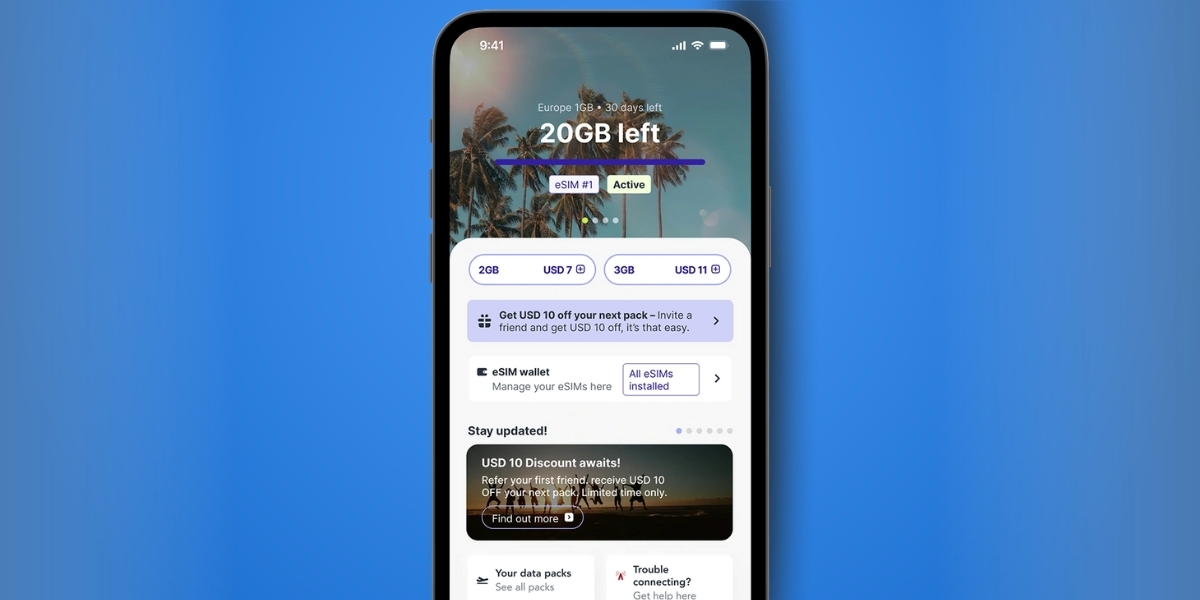
Connectivity providers that support multi-stop travel, predictable pricing, and region-ready coverage play an important role in this shift. eSIMs like Jetpac are designed around these real-world requirements, which makes them relevant for travellers looking for dependable digital access.

How Jetpac Strengthens the Spring South Journey

Jetpac supports this new travel pattern through features that align with how people move, work, and explore today. These are subtle, practical enhancements that improve the overall travel experience.

  • Coverage in 200 destinations: Travellers who combine multiple countries can stay connected without switching providers.
  • Dual network for stronger local connectivity: With Jetpac, travelers can connect to the available network in each region, reducing signal drops in busy cities or remote coastal areas.
  • Access to WhatsApp, Uber, and Google Maps even after data runs out: Essential tools continue to function so travellers can navigate to their stay, contact friends, book rides, or find directions without disruption.
  • Complimentary lounge access during flight delays: Long travel days are common across cross-hemisphere trips. Lounge access turns delays into more productive waiting time.
  • Transparent pricing: Travellers know exactly what they are paying, without worrying about unpredictable roaming charges or the complexity of local SIMs.
  • Ease of activation: Jetpac can be switched on when travellers land and paused when they leave. It supports spontaneous multi-stop trips.

These features collectively reflect how people actually travel during spring in the south. They reduce friction, keep travellers moving, and give them confidence to explore without planning around connectivity.

From Cold to Coastlines: Jetpac's Role in the Rise of Spring-South Travel

Photo Courtesy: Jetpac / Unsplash.com

Why Spring South Travel Makes Sense for Travellers Today

Travellers who head south for spring benefit in several practical ways:

  • Better weather for hikes, beaches, and outdoor cafes
  • More affordable flights due to reduced inbound pressure from northern markets
  • High digital infrastructure readiness across Australia, New Zealand, and Southeast Asia
  • Open landscapes and fewer lines at popular attractions
  • Strong appeal for hybrid workers who want more daylight hours and outdoor space

When supported by seamless connectivity, these benefits grow further. Travellers stay reachable, manage work tasks, explore safely, and move freely between destinations.

The Future of Seasonal Travel

The rise of spring south travel signals a bigger shift in global mobility. Travellers want trips that suit their lives rather than the fixed calendar that governed tourism for decades. They want freedom from peak season norms and the ability to redesign their travel year.

Connectivity providers that support this shift become part of the travel infrastructure rather than a utility. Jetpac fits into this naturally by helping people move across destinations with ease, comfort, and reliability.

Spring in the south is not just a travel trend. It is part of a new rhythm where travellers choose better weather, better value, and better control. eSIMs like Jetpac support that choice by keeping them connected throughout the journey.

Locked Out in Wiesbaden? Choose Schlüsseldienst Wiesbaden and Schlüsselnotdienst Wiesbaden for Certified, Fast, Local Service

Local expertise you can count on in every district

Lockouts never happen at a convenient time. You step out for a minute, the door clicks shut, and your keys are inside. In Wiesbaden, residents across Mitte, Biebrich, Dotzheim, Klarenthal, Naurod, Schierstein, Westend, and Südost rely on Schlüsseldienst Wiesbaden for quick, professional help. Schlüsseldienst Wiesbaden is known for arriving fast, working with care, and opening doors without damage whenever possible. When emergencies hit late at night or on weekends, Schlüsselnotdienst Wiesbaden steps in with 24-hour support and the same level of clear communication and reliable work.

Schlüsseldienst Wiesbaden stands out because its team is certified, insured, and trained in non-destructive methods. With more than 15 years of service in private homes and businesses, Schlüsseldienst Wiesbaden understands the building styles and lock systems standard across the city. Schlüsselnotdienst Wiesbaden brings that experience to urgent calls, keeping stress low and outcomes consistent.

Why Schlüsseldienst Wiesbaden Is Trusted by Residents and Businesses

Schlüsseldienst Wiesbaden combines speed with transparency. Before any work begins, Schlüsseldienst Wiesbaden explains the approach, confirms the price, and answers your questions. That respectful communication matters when minutes feel long, and the situation is stressful. For emergency calls, Schlüsselnotdienst Wiesbaden provides the same clarity and care, so you know what will happen and what it will cost.

Schlüsseldienst Wiesbaden and Schlüsselnotdienst Wiesbaden focus on non-destructive entry. The technician assesses the cylinder, doorframe, and surrounding hardware to determine the least invasive method. In many cases, once on site, doors open within a few minutes. That skill comes from certified training and years of local practice, not shortcuts.

Services from Schlüsseldienst Wiesbaden and Schlüsselnotdienst Wiesbaden

Emergency Lockouts

If you are locked out of your apartment, home, or office, Schlüsseldienst Wiesbaden provides fast, non-destructive entry. Technicians are dispatched across all Wiesbaden districts. For late nights, weekends, and holidays, Schlüsselnotdienst Wiesbaden handles urgent lockouts with reliable arrival times and professional tools. The priority is to get you inside quickly, keep your property intact, and communicate every step.

Lock Replacement and Upgrades

Worn or compromised locks reduce security and create daily frustration. Schlüsseldienst Wiesbaden replaces cylinders, tightens hardware, and installs modern upgrades that fit your building. When a lock fails, or a break-in is suspected, Schlüsselnotdienst Wiesbaden can change locks immediately, restoring safety without delay. Recommendations include anti-bump cylinders, reinforced strike plates, and smart access systems where appropriate.

Security Consultations

A strong lock is part of a broader plan. Schlüsseldienst Wiesbaden assesses doorframe strength, hinge placement, visibility, and secondary entries. After an attempted break-in, Schlüsselnotdienst Wiesbaden secures the property and suggests layered improvements suited to your layout and budget. Advice is practical and grounded in local experience.

Safe Opening and Access Issues

Schlüsseldienst Wiesbaden and Schlüsselnotdienst Wiesbaden open safes carefully with specialized tools. The aim is to restore access while protecting the safe and its contents. Certified training helps avoid damage and resolve the issue efficiently.

Commercial Support Across Wiesbaden

Shops, offices, clinics, and hospitality venues rely on Schlüsseldienst Wiesbaden for master key systems, commercial-grade cylinders, and digital access control. When a lock fails during operating hours, Schlüsselnotdienst Wiesbaden arrives quickly, communicates the scope and pricing, and keeps disruption to a minimum.

Local Coverage That Feels Personal

Schlüsseldienst Wiesbaden knows the city. In Mitte and Westend, self-locking doors and wind slams are common in apartments. In Biebrich and Dotzheim, older buildings often need cylinder upgrades and stronger strike plates. Klarenthal and Naurod require efficient routing, and Schierstein adds garden doors and balcony entries to the mix. In Südost, villas and apartments present different lock types and frame strengths. Schlüsselnotdienst Wiesbaden navigates these details with certified methods, so the solution fits the address, not just the problem.

Residents save Schlüsseldienst Wiesbaden because response times are dependable. They recommend Schlüsselnotdienst Wiesbaden because the work is done carefully, prices are communicated up front, and doors are opened quickly once the technician is on site.

Customer Story from Mitte

Late afternoon in Wiesbaden Mitte, a tenant stepped into the hallway to receive a parcel, and the door latched shut. They called Schlüsseldienst Wiesbaden, and a Schlüsselnotdienst Wiesbaden technician arrived within the quoted time. The locksmith explained the approach, confirmed the price, and began. The door was open in under three minutes without damage to the lock or frame. The tenant said the communication was clear and the work was precise, and that Schlüsseldienst Wiesbaden was saved for future emergencies.

Customer Story from Biebrich

On a Sunday evening in Biebrich, a homeowner found the main entrance closed with the keys inside, while a balcony lock felt stuck. Schlüsseldienst Wiesbaden dispatched Schlüsselnotdienst Wiesbaden, who arrived promptly, reviewed the situation, and stated the price before any work. The technician used a non-destructive method and opened the door in two to three minutes. Afterward, they checked the cylinder, noted wear, and suggested an anti-bump upgrade. The homeowner appreciated the speed, the fairness, and the practical advice.

Do Not Try to Fix a Jammed Lock Yourself

When a lock feels rough or jams, it is tempting to try DIY solutions. In practice, improvised tools bend latches, scratch cylinders, and crack frames. Using the wrong lubricants attracts dirt and worsens the problem over time. Forcing a key can damage pins or break the cylinder, turning a minor issue into a replacement. Calling Schlüsseldienst Wiesbaden or Schlüsselnotdienst Wiesbaden is the more intelligent choice. Certified technicians diagnose the real cause, use the proper method, and preserve the lock whenever possible. If replacement is better, the options and pricing are explained before work continues.

Certified Methods and More Than 15 Years of Experience

Certification is a commitment to standards. Schlüsseldienst Wiesbaden trains technicians to identify lock types accurately, select non-destructive techniques first, and work safely in homes and businesses. More than 15 years of local service mean Schlüsseldienst Wiesbaden understands common issues in older frames, modern cylinders, and mixed access systems across districts. Schlüsselnotdienst Wiesbaden applies the same standards to emergencies, keeping communication clear even in urgent situations.

Schlüsseldienst Wiesbaden also supports layered security. Better cylinders, reinforced strike plates, longer screws, and smart access options can be combined to match daily use. Schlüsselnotdienst Wiesbaden implements urgent measures after an incident, then helps plan improvements that fit your building and budget.

Everyday Tips for Practical Security

Keep doors locked even for short errands to remove easy opportunities. Update locks every eight to ten years as wear accumulates and techniques evolve. Pay attention to garage, cellar, and balcony entries, which are often overlooked. Use lighting at entrances to improve visibility and deter attempts. Save Schlüsseldienst Wiesbaden and Schlüsselnotdienst Wiesbaden in your contacts, so reliable help is a call away.

Schlüsseldienst Wiesbaden provides useful guidance after the immediate problem is solved. A technician may check the frame for movement, recommend a suitable cylinder class for your property, and suggest simple steps to improve overall safety without a high cost. Schlüsselnotdienst Wiesbaden is recognized for turning a stressful moment into a confident, informed outcome.

Support Tailored to Businesses 

Business owners across Wiesbaden need access systems that work every day. Schlüsseldienst Wiesbaden delivers master key solutions, high-traffic commercial cylinders, and digital access control that aligns with staff and customer flows. When issues appear during operating hours, Schlüsselnotdienst Wiesbaden arrives quickly, communicates what will happen, confirms the price, and gets doors functioning again with minimal disruption. Consistent reliability protects brands and the people who depend on them.

How Schlüsseldienst Wiesbaden and Schlüsselnotdienst Wiesbaden Work with You

Good service starts with listening. Schlüsseldienst Wiesbaden asks what happened, what you need, and what is urgent. Schlüsselnotdienst Wiesbaden acts quickly, explains the technique, confirms the price, and completes the work. Afterward, you receive practical recommendations for maintenance, upgrades, or simple habits that prevent repeat problems. The aim is to handle the immediate issue and leave you safer and better prepared.

Across Mitte, Biebrich, Dotzheim, Klarenthal, Naurod, Schierstein, Westend, and Südost, residents and businesses trust Schlüsseldienst Wiesbaden because the team shows up, works carefully, and communicates clearly. They call Schlüsselnotdienst Wiesbaden when time is tight because doors open fast, the methods are non-destructive whenever possible, and the pricing is transparent. That is why the names Schlüsseldienst Wiesbaden and Schlüsselnotdienst Wiesbaden keep appearing in recommendations.

Call Schlüsseldienst Wiesbaden

If you need help now or want advice on upgrades, call Schlüsseldienst Wiesbaden for certified, local service. For urgent problems at any hour, contact the Schlüsselnotdienst Wiesbaden and have your door opened quickly, with clear pricing and careful work.

Phone 01708174301 

Email info@schluesseldienst-wiesbaden.com

Schlüsseldienst Wiesbaden and Schlüsselnotdienst Wiesbaden support every district, from Mitte and Westend to Biebrich, Dotzheim, Klarenthal, Naurod, Schierstein, and Südost. Whether it is an emergency lockout, a jammed cylinder, a security consultation, or a full upgrade, Schlüsseldienst Wiesbaden and Schlüsselnotdienst Wiesbaden bring certified experience and local knowledge to get you back inside fast and keep you secure.

The Art and Science of Thinking Differently: How Changing the Way You Think Changes Your Results – Insights from Rania Kort

By: Matt Emma

What if thinking differently could be the key to overcoming challenges, breaking through what’s holding you back, and potentially unlocking new opportunities in your life, career, and business? What if your mindset could become one of your most valuable competitive advantages?

In today’s fast-paced world, especially for our younger generation hustling to make ends meet amid rising costs and endless pressures, it’s common to feel anxious, drained, or stuck. But here’s a thought: your greatest edge may not be something external; it could be within you.

Your perspective, mindset, and energy can significantly influence how you handle obstacles, find opportunities, and stay focused on possibilities rather than pressures. However, many people look to external factors for change—chasing circumstances, success, or validation—without realizing that transformation can begin from within.

Rania Kort, business advisor, transformational coach, and author, shares how shifting the way you think could change the way you experience everything: your life, work, relationships, and results. Drawing from neuroscience, energy psychology, emotional intelligence, and her own experience dealing with a major setback, she reminds us, “The biggest limitation in your life may not always be your circumstances; it could be the way you perceive them, which influences the life and reality you experience.”

Rania believes we all have an extraordinary capacity to choose our thoughts and shape the inner reality we seek. That inner force, when consciously directed, could potentially become the catalyst for profound transformation. “Your mindset is not fixed,” she says. “It can be adjusted and reconditioned to help you thrive. When you shift how you think and perceive the world, you could change how you experience it.”

Your Perception Shapes Your Reality

At the foundation of Rania’s philosophy is a powerful idea: perception influences your daily energy. The way a person interprets a situation—whether as a failure or a lesson, a setback or an opportunity—can define how they feel, respond, and ultimately grow.

That’s why Rania encourages you to challenge yourself: What if you looked at this differently? What else might be true? How can you view this difficult situation in a way that could potentially expand you rather than limit you? What opportunities might this be presenting you with?

These aren’t just feel-good questions. They’re starting points for rewiring thought patterns and unlocking new levels of awareness. “When you change your perspective,” she explains, “you may shift your reality, regardless of your circumstances.”

Growth Is a Brave Choice

Rania is clear: growth doesn’t always feel comfortable. It often requires letting go of old narratives, facing uncertainty, and choosing expansion over safety. This takes courage, willingness, and awareness. This is where the art and science of transformation intersect: the art is in applying awareness, creativity, and conscious choice to reframe situations, see possibilities, and turn obstacles into opportunities for growth. The science lies in understanding how your thoughts, emotions, and energy could shape your brain and create neural pathways and habits that influence your behavior and reality.

She challenges high achievers, leaders, and everyday seekers alike to consider: What might open up if you stopped pushing and started trusting? How might your story change if you believed you had the potential to rewrite it? That shift, from control to curiosity, from fear to freedom, is where transformation may begin.

Resilience From the Inside Out

Contrary to popular belief, Rania doesn’t define resilience as merely grit or endurance. To her, it’s about shifting perspective, training your mind to release old thinking habits, staying focused on a vision with a brighter future, and cultivating a higher energy that may allow you to take inspired action and steady progress. When you release the pressure to force change and instead focus on personal growth, you free up energy, let go, and learn to trust your inner intuition and guidance.

“Real transformation isn’t about becoming someone completely new,” she notes. “It’s about understanding your patterns, conditioning, and the role that fear plays in your thinking so you can recondition your mind to think in ways that are more empowering.” Whether you’re navigating a setback, a career pivot, facing burnout, or simply seeking a deeper sense of purpose, the path forward may not necessarily be about doing more—it could be about seeing more: more options, more meaning, and more power within you.

Want to Start Experiencing Powerful Shifts in Perspective?

Subscribe to Rania’s newsletter and receive a free eBook — Why Mindset is Everything: Master Your Mindset, Power Up Your Life — plus get exclusive insights, tools, and reflections to help you expand your thinking and elevate your results!

Florida’s Lemon Law System: Key Rights and Remedies for Vehicle Owners

When you buy a new car, you expect a smooth ride, reliable performance, and very few worries. When the opposite happens and your car breaks down continuously, the frustration can overwhelm your entire experience. 

The Florida lemon laws exist to help people facing this problem. It gives clear protections for owners who end up with defective vehicles, and it outlines steps that make the process fair. This article breaks down everything that comes into play when dealing with a “lemon”. 

Understanding Florida’s Lemon Law

Florida’s lemon law focuses on protecting buyers who unknowingly purchase a vehicle with serious defects. The state uses the word lemon for a car that continues to show major problems even after repairs. The law applies to new vehicles that are bought or leased in Florida. It covers defects that affect the safety, use, or value of the vehicle.

Most lemon law cases involve issues like engine failure, transmission problems, electrical faults, brake issues, or steering trouble. These issues can often pop up early into the car’s operational life, and that’s when people realize they have a lemon on their hands. There are several rules that help protect your claim and make it easier to prove that the problem is not minor or temporary. You should keep a few points in mind:

  • The defect must appear within the first twenty-four months of owning or leasing the car.
  • You need to report the issue to the manufacturer or dealer as soon as possible.
  • You must keep clear documentation of every repair visit and every conversation related to the car’s defect.

What Counts as a Reasonable Number of Repair Attempts

Florida has specific rules that explain how many chances a manufacturer gets to make things right before the car qualifies as a lemon. If the dealer tries to fix the same problem three times and the issue still continues, the car may qualify. This is important because some defects seem to disappear for a few days before returning. 

Florida’s lemon law also has a second rule based on the number of days your car stays in the shop. If your car is out of service for fifteen or more days during the first two years, that can qualify as well. These delays can be stressful, especially when you rely on your vehicle for work or daily responsibilities. 

Many people feel unsure about how to handle this stage, especially when the dealer claims the issue is fixed even when it clearly is not. It’s often at this point that people reach out to FL lemon law attorneys. An attorney helps you understand whether your case meets the requirements to file a claim and what steps you should take next.

The Refund or Replacement Process

Once the vehicle qualifies as a lemon, Florida gives the owner two main options. You can receive a refund, or you can receive a replacement vehicle. The refund amount includes the purchase price, the registration fees, and other related costs that you paid when you bought the car. In case of a replacement, you will get a new car without the defect history.

The refund or replacement process can feel confusing. Some people accept less money than they deserve because they feel pressured to agree quickly. Others worry about the time involved or the paperwork they need to prepare. In a situation like this, staying organized and consulting competent legal professionals can help safeguard your rights. A few simple tips can help:

  • Keep copies of every repair invoice.
  • Track the days your car stays in the repair shop.
  • Save communication with the dealer or manufacturer.

Why People Work With Lemon Law Attorneys

Manufacturers do not always agree that a vehicle qualifies as a lemon. They may argue that the defect is not serious or that the repair attempts were successful. This can lead to delays, frustration, and long waiting periods. 

Lemon law attorneys help people navigate this process by reviewing the documents, communicating with the manufacturer, and representing the owner during arbitration. Many attorneys in this field work on a system where the manufacturer covers the legal fees if the case is successful. This makes it easier for owners to seek help without worrying about extra financial stress. 

Endnote

Florida’s lemon law gives strong protection to vehicle owners, but the process can feel overwhelming when your car keeps breaking down. When the dealer continues to repair the same issue or your car spends too many days in the shop, it may be time to explore your options. Working with a competent attorney can help secure both your rights and peace of mind while getting you the justice you deserve. 


Disclaimer: The information provided in this article is for general informational purposes only and should not be construed as legal advice. While the article highlights key aspects of Florida’s lemon law, it does not account for individual circumstances. Readers are encouraged to consult with a qualified attorney to assess their specific situation and receive advice tailored to their needs. 

Stranger Things Season 5: Release Time Confirmed for U.S. Viewers

Netflix has locked in the release schedule for the fifth and final season of Stranger Things, giving fans a firm date and time to circle on their calendars. The first four episodes of Season 5 will debut on November 26, 2025, at 5:00 PM PST, creating a prime-time nationwide rollout for one of the year’s biggest streaming premieres.


A Long-Awaited Return

The final season concludes the sci-fi phenomenon that has been a cultural staple since its 2016 debut. After years of production challenges and speculation, Season 5 will close the book on Hawkins, the Upside Down, and the characters viewers have followed for nearly a decade.

The returning ensemble includes Millie Bobby Brown, Finn Wolfhard, Caleb McLaughlin, Gaten Matarazzo, Sadie Sink, and the core cast whose relationships have remained central to the show’s emotional impact.


What Fans Can Expect

Netflix is keeping storyline specifics quiet, but the Duffer brothers have hinted that Season 5 will echo the feel of the earliest episodes—darker, more intimate, and tightly centered on character arcs. The new season is expected to pick up immediately after the events of Season 4, with Hawkins in crisis and the stakes escalating toward a final confrontation.

The release structure follows Netflix’s approach with major tentpole series: a multi-episode premiere, with the remaining episodes arriving later. The strategy lets fans dive into key story developments while keeping momentum high as the season unfolds.


A Nationwide Prime-Time Premiere

The 5:00 PM PST release time marks a shift from the traditional midnight drops that many Netflix viewers are accustomed to. This timing gives the entire country a more accessible launch window:

  • West Coast (PST): 5:00 PM
  • Mountain (MST): 6:00 PM
  • Central (CST): 7:00 PM
  • East Coast (EST): 8:00 PM

This schedule opens the door for watch parties, group viewing events, and real-time social media reactions as millions of fans tune in at once.

Stranger Things has been a defining force in the streaming era, blending 1980s nostalgia, supernatural mystery, and coming-of-age themes into a global hit. The arrival of Season 5 marks both the continuation of the story and the start of a farewell to one of Netflix’s most influential franchises.

Daniel and the Erl-King: Andrew Swan’s Twisting Tale of Fear, Folklore, and the Fight to Be Believed

By: William Jones

ONTARIO, CANADA — In a genre where folklore often takes a back seat to fantasy tropes, author Andrew Swan brings something both chilling and fresh with his latest novel, Daniel and the Erl-King. This dark and compelling tale draws readers into a quiet village where boys have been vanishing for decades—and where whispers of a mythical giant may not be just whispers after all.

Blending elements of horror, fantasy, mystery, and psychological suspense, Daniel and the Erl-King marks an intriguing new direction in Swan’s literary journey. The novel is not only engaging, but it also serves as a reflection on guilt, memory, and the persistence of stories that some may choose not to believe.

“This book feels like a lost legend that might have resurfaced—timeless, eerie, and captivating,” noted one early reader.

Set in the haunting fictional village of Prestwick, the story opens with a disturbing truth: boys are disappearing, and no one can quite explain why. The authorities are baffled. The villagers are terrified. The forest at the edge of town is quiet—but not necessarily empty.

A Story Rooted in Fear, Fueled by Folklore

At the heart of the novel is Daniel, a ten-year-old boy who stumbles upon a truth that no one seems willing to acknowledge. When his best friend goes missing, Daniel swears he saw a towering figure—a giant, crowned and cloaked, who lured the boy into the shadows.

But Daniel isn’t the first to witness the giant. Fifty years earlier, Floyd Jenkins saw the same thing—and no one believed him. Since then, he’s lived as an outcast, accused of wrongdoing, shamed into silence, and haunted by the loss of his childhood friend.

Now, joined by a newly arrived vicar named Reverend Harlan Williams, Daniel and Floyd must work together to uncover the mystery—and survive it. The three unlikely heroes find themselves caught in a battle not just against a supernatural force, but against the weight of history, the apathy of a fractured village, and the devastating effects of disbelief.

Swan’s narrative doesn’t just deliver scares—it explores the psychological toll of being doubted, the trauma of losing a loved one, and the painful legacy of secrets that have never been spoken aloud.

“I wanted to write something that felt mythical, yet grounded in real emotion,” Swan explains. “Folklore has always served a purpose—it warns, it teaches, it remembers. This story explores what happens when a community refuses to listen.”

The Author Behind the Mystery

Based in Mount Brydges, Ontario, Andrew Swan is no stranger to dark themes and imaginative storytelling. With a background that includes four screenplays, a nonfiction work (The Shepherds of Arcadia: Decoded), and several published articles, Swan has developed a distinct voice—one that blends deep curiosity with a vivid sense of the mythic and mysterious.

Daniel and the Erl-King is Swan’s third work of fiction and perhaps his most ambitious to date. Drawing on his lifelong interest in folklore, the supernatural, and historical puzzles, he crafts a tale that’s rich in atmosphere, layered with symbolism, and compelling from start to finish.

“I’ve always been drawn to stories that blur the line between legend and lived experience,” Swan says. “Sometimes, the truth is hidden in the things we’re told not to take seriously. Sometimes, it’s hidden in plain sight.”

This latest novel reflects that worldview. It’s steeped in old-world mythology but entirely contemporary in its emotional depth and pacing. Themes of intergenerational trauma, scapegoating, moral courage, and belief echo throughout the novel—giving it an edge that appeals not only to fans of fantasy and horror, but also to readers of psychological thrillers and literary fiction.

A Giant Story With Staying Power

One of the most intriguing aspects of Daniel and the Erl-King is the Erl-King himself—a figure drawn loosely from old Germanic and European folklore, where the Erlkönig is often depicted as a malevolent spirit who lures children away. But Swan transforms this archetype into something entirely his own.

“The Erl-King isn’t just a monster,” Swan explains. “He represents something deeper—seduction, deception, and the dangerous ease with which people turn a blind eye to evil when it’s wearing a friendly face.”

This giant wears fine clothes. He speaks softly. He offers gifts. And like many real-world dangers, he doesn’t seem frightening until it’s far too late.

It’s this nuance that elevates the book from a typical supernatural tale. The story challenges readers to ask difficult questions: What are we willing to believe? Who do we protect? And what happens when those who sound the alarm are the ones we choose to silence?

Aimed at Readers Who Crave More

Although the book revolves around a child protagonist, Daniel and the Erl-King is not strictly a children’s book. It’s a dark, layered, and often unsettling read aimed at young adult and adult audiences—specifically those aged 14 and up who are drawn to darker fantasy, gothic suspense, and psychological storytelling.

Fans of Neil Gaiman, Patrick Ness, and Susan Hill might find themselves immersed in Swan’s world. The book’s classic narrative voice also echoes the haunting tones of writers like Shirley Jackson and Stephen King, while still feeling unique in its tone and structure.

Early Praise and Growing Interest

Although Daniel and the Erl-King have only just entered the market, it’s already catching the attention of readers, reviewers, and genre enthusiasts alike. From its nostalgic, 1970s village setting to its deeply human characters, the novel stands apart from formulaic thrillers and predictable fantasy fare.

“It’s the kind of story that lingers with you,” said one advance reviewer. “You finish the book, but it doesn’t quite finish with you.”

The combination of folklore, supernatural mystery, and emotional weight gives the novel broad appeal—and a strong potential to gain a devoted readership.

What’s Next for Andrew Swan?

With the release of Daniel and the Erl-King, Andrew Swan isn’t likely to slow down. He’s currently exploring ideas for a follow-up novel—one that may revisit Prestwick and its long shadows. He’s also working to bring his earlier screenplays to life and has plans to expand his reach through author talks, literary festivals, and virtual book clubs.

“This book means a lot to me,” Swan shares. “It’s about what happens when people are ignored, when evil is normalized, and when someone finally decides to do something about it. It’s fiction, yes. But like great stories, it’s also a mirror.”

Where to Find the Book

Daniel and the Erl-King is now available in paperback and eBook format through major online retailers, including Amazon and Barnes & Noble. Readers can also find updates, reviews, and future announcements by following Andrew Swan on Amazon.

Media Contact:

Andrew Swan
ahs327@hotmail.com
+1 519-318-6145
Mount Brydges, Ontario, Canada

For interviews, appearances, book club inquiries, or press materials, please contact Andrew Swan directly.

How Can You Practice Japanese Conversation Without Living in Japan

Learning Japanese conversation doesn’t require living in Japan. With the right methods, anyone can gradually build speaking confidence from home. You can practice natural Japanese conversation through daily habits, digital tools, and consistent speaking exercises—even if you’re not in Japan.

You can turn your environment into a language space by labeling objects, changing device settings, or speaking aloud while doing daily tasks. Listening to Japanese media, repeating lines, and shadowing native speech can help develop rhythm and pronunciation naturally.

This guide explains how to practice speaking Japanese remotely and introduces creative ways to make those lessons feel more realistic. By following these strategies, anyone can make steady progress toward speaking Japanese with clarity and confidence, no matter where they live.

Fundamental Strategies to Practice Japanese Conversation Remotely

People can improve their Japanese speaking skills from anywhere by combining solo practice, online communication, and daily language use. These methods can help train pronunciation, fluency, and confidence without needing to live in Japan.

Leveraging Language Exchange Apps and Online Partners

Online communication gives learners access to real conversations. Language exchange apps let users talk with native speakers through text, voice, or video. This provides an opportunity to apply grammar and vocabulary in real time.

When meeting online partners, it may be helpful to set goals such as “practice ordering food” or “discuss weekend plans.” Keeping sessions short but regular—about 20 minutes—may lead to steady progress without feeling tiring. Recording a few minutes of each exchange can help review pronunciation and recall new phrases later.

Learners can also study with italki Japanese tutors or with specialists from other similar platforms for more structured speaking sessions. These tutors can guide pronunciation, correct common mistakes, and provide realistic conversation topics.

Solo Speaking Techniques for Building Fluency

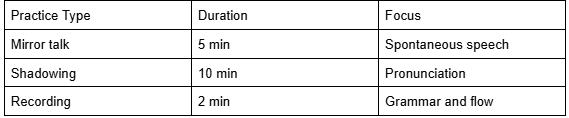
Speaking alone can help learners think in Japanese and speak more naturally. One simple method is mirror talk—talking to oneself while describing daily events or thoughts. This helps build comfort in forming sentences quickly.

Shadowing is another strong technique. Learners listen to short Japanese clips, repeat them aloud, and match rhythm and tone. It supports pronunciation and listening comprehension.

Recording short monologues daily allows review and self-correction. Learners can track progress by comparing old and new recordings. A short table can help organize practice:

How Can You Practice Japanese Conversation Without Living in Japan

These habits, used consistently, can make speech more natural and confident.

Integrating Japanese Conversation Into Your Daily Routine

Daily habits make speaking Japanese feel more natural. Learners can narrate small actions, such as cooking or walking, in Japanese. Speaking simple sentences, like describing the weather or plans, can gradually build fluency.

Listening to Japanese podcasts or news while repeating short phrases aloud adds spontaneous practice.

Writing a short daily journal and reading it aloud can help connect writing and speaking skills. Using reminders, such as sticky notes with common expressions, keeps Japanese visible throughout the day.

Even five-minute sessions spread across the day can contribute to steady improvement in speaking confidence and fluency.

Creative and Immersive Methods for Improving Japanese Conversation Skills

Immersive learning helps learners connect spoken Japanese with real-life use. By combining listening, speaking, and observation, they can build muscle memory, natural rhythm, and confidence in conversation.

Using Japanese Media Like Manga and TV for Real-World Context

Japanese media gives learners access to real speech patterns and cultural cues. Watching dramas, anime, or news clips introduces natural sentence flow, tone, and slang that textbooks often miss. Subtitles in Japanese can help match sounds with written words.

Manga supports reading and listening practice together. Learners can read dialogue aloud, paying attention to informal and formal speech. This helps them recognize how context changes word choice and politeness.

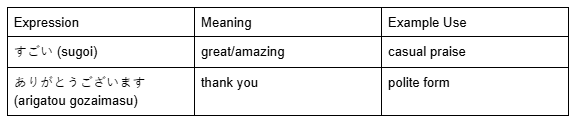
Tip: Keep a small table of new words or phrases while watching or reading.

How Can You Practice Japanese Conversation Without Living in Japan

Using media regularly helps learners hear how Japanese sounds in daily life and builds a natural ear for conversation.

Shadowing and Role-Playing for Pronunciation and Confidence

Shadowing means repeating the Japanese audio right after hearing it. This supports rhythm, pronunciation accuracy, and listening speed. Learners can start with short clips or podcasts, repeating lines until they match the speaker’s tone and timing.

Role-playing turns passive learning into active speaking. Acting out everyday situations—like ordering food or introducing oneself—allows learners to practice speaking Japanese without fear of mistakes.

Practicing aloud trains the mouth muscles to form sounds correctly. Over time, this creates muscle memory, making speech smoother and more automatic.

Practice idea:

  • Choose a short dialogue.
  • Listen once for meaning.
  • Shadow line by line.
  • Recreate the scene with a partner or record yourself.

Tracking Progress and Staying Motivated

Learning Japanese conversation takes steady effort. Tracking small wins can keep motivation high. Learners can record short speaking clips weekly to hear improvement in pronunciation and fluency.

Setting simple goals, such as “speak for five minutes without notes,” can help measure growth. A language journal can track new words, phrases, and reflections after each session.

Progress tracker example:

How Can You Practice Japanese Conversation Without Living in Japan

Seeing progress written down may encourage consistency and remind learners of how far they’ve come.

Summary

Learning to speak Japanese well does not require living in Japan. With steady practice, learners can build strong conversation skills using tools like audio lessons, self-recording, and language exchanges.

Regular speaking habits—such as shadowing, reading aloud, or talking to oneself—help improve pronunciation, rhythm, and confidence.

By combining structured study with real or simulated conversations, learners can create an immersive environment wherever they live. Consistency and curiosity play significant roles in long-term progress.

Why DIYers Still Need Expert Advice

By: Jacob Maslow

I used to think I was the ideal DIYer. I’d get a big idea in my head, walk through the house imagining the “after” shots, then head straight to the store and buy everything I thought I’d need. No plan. No measurements written down (at least not in this early stage). No conversation with anyone who’d actually done it before.

The pattern was always the same:

  • Get excited.
  • Fill a cart with tools and materials.
  • Start the project.
  • Realize—too late—that I’d skipped half the steps that actually mattered and made too many pointless mistakes.

I learned the hard way that enthusiasm and a credit card do not make you a contractor.

The Invisible Cost of “I’ll Figure It Out”

What I didn’t see at the time were the hidden costs of ignoring expert advice. Sure, the receipts from the hardware store were painful, but that wasn’t the worst of it.

The real cost showed up as:

  • Time spent redoing things I’d already done once.
  • Frustration when something didn’t work the way it looked in my head.
  • That sinking feeling when you realise you should’ve asked for help before you started cutting holes in things.

Every time I skipped expert input, I paid for it later—with interest. If I had taken an hour to learn the right way up front, I could have saved considerable time patching, sanding, returning materials, and muttering to myself in the basement.

Experts Don’t Kill Creativity—they Make It Possible

There’s this subtle fear a lot of DIYers have:
“If I follow an expert’s instructions, I’ll lose the fun or the creativity.”

What I’ve realised is that experts aren’t there to flatten your ideas. They’re there to keep your ideas from falling off the wall—literally.

The structure, the boring parts, the unglamorous details… that’s where their magic lives. When you understand the right way to frame, fasten, seal, or wire something (and when to not touch the wiring at all), you may actually get more freedom. Instead of worrying whether the whole thing will fail, you can focus on how it looks, how it feels, how it works for your family.

Expert advice doesn’t put your creativity in a box. It gives it a solid floor so it doesn’t crash through.

YouTube is Great—but It’s Not “Your House”

Online tutorials are awesome, but they’re often filmed in perfect conditions, with ideal materials, and an editor quietly cutting out the mistakes. Your house, on the other hand, is full of history: weird corners, old renovations, surprise quirks behind the drywall.

That’s where actual experts can earn their keep. They’ve seen 50 versions of your problem, in real homes, with real constraints. An expert might say, “In a house this age, you’ll probably run into X,” or “Because this wall is doing Y, you’ll want to avoid Z.”

I’ve learned that a 20-minute conversation with someone who knows what they’re doing is worth more than three hours of generic tutorials and guesswork—no matter how polished the home improvement blog looks.

The Moment I Realized I’d Been Doing It Backwards

There was a specific project where it finally clicked. I’d bought the materials, sketched a vague plan in my head, and started building. Halfway through, nothing was level, the pieces didn’t line up, and I’d already cut two boards too short.

Out of frustration, I called someone who actually knew what they were doing. They walked me through the basics—measurements I should have taken, anchors I should have used, where the studs actually were (not where I assumed they were).

It was humbling. Not because they were judgmental, but because I could see, clear as day, how much easier everything would have been if I’d simply asked those questions before I ever picked up a saw.

That was the moment I stopped seeing expert advice as optional and started seeing it as an essential step.

How to Stay DIY and Still Lean on Experts

You don’t have to give up DIY pride to work smarter. A few habits make a huge difference:

  • Ask before you buy. Talk to someone at the store, a contractor friend, or a trusted home improvement blog to sanity-check your plan.
  • Start with a drawing—even a messy one. Label measurements, materials, and steps. If it’s hard to explain on paper, it’ll be harder with a drill in your hand.
  • Know your limits. Structural work, electrical, gas, and anything safety-critical? At least consult a pro, if not hire one.
  • Expect revisions on paper, not on the wall. Change your mind in the planning phase, where it’s cheap.

You’re still the one doing the work. You’re still the one who gets to stand back at the end and feel that “I built this” satisfaction. You’re just stacking the deck in your favor.

Learn from My Mess, Not Your Own

If I could go back and talk to my earlier self, standing in the aisle with a cart full of mismatched supplies, I’d say:

“Slow down. Spend one hour learning, so you don’t spend ten hours fixing.”

DIY should be empowering, not exhausting. The more I’ve allowed experts to shape how I work—through advice, plans, examples, or even a well-written home improvement blog—the more confident and capable I’ve become. Not because I suddenly turned into a contractor, but because I stopped pretending I didn’t need help.

So if you’ve got a big idea brewing, don’t do what I did for years. Don’t rush straight from inspiration to checkout. Start with a conversation, a sketch, a bit of guidance from someone who’s been there before.

You’ll still get to build the thing. You’ll still get to tell the story.

You’ll just spend a lot less time learning those lessons the hard way—with a pry bar in one hand and a receipt in the other.